Why Do My Brakes Squeak in the Morning? Top Reasons & Solutions
Are you tired of waking up to squeaky brakes every morning? You’re not alone—many drivers struggle with this annoying noise, especially on cold mornings. It’s frustrating when your brakes sound loud before you’ve even hit the road.
Your brakes squeak in the morning mainly due to moisture and rust forming on the rotors overnight, which causes irregular surface contact and vibrations. Cold temperatures also contract brake components, increasing squeal when cold.
Worn brake pads or those made from organic or semi-metallic materials can contribute to noise, especially if they’re thin or glazed.
Proper maintenance, like cleaning, lubricating contact points, and replacing worn parts, can reduce this issue. Keep examining to uncover more effective solutions.
Key Takeaways
- Moisture and dew overnight cause rust and a thin film on rotors, which can lead to squeaks during cold starts.
- Cold temperatures contract brake components, reducing friction and causing squealing until things warm up.
- Worn brake pads or uneven rotors increase vibrations, making noise when you brake in the morning.
- Dust, debris, or a lack of lubrication on brake parts can cause that initial squeak until everything warms and dries.
- Regular maintenance like resurfacing rotors and replacing worn pads can help prevent morning brake squeal.
What Causes Brake Squeaking in the Morning?
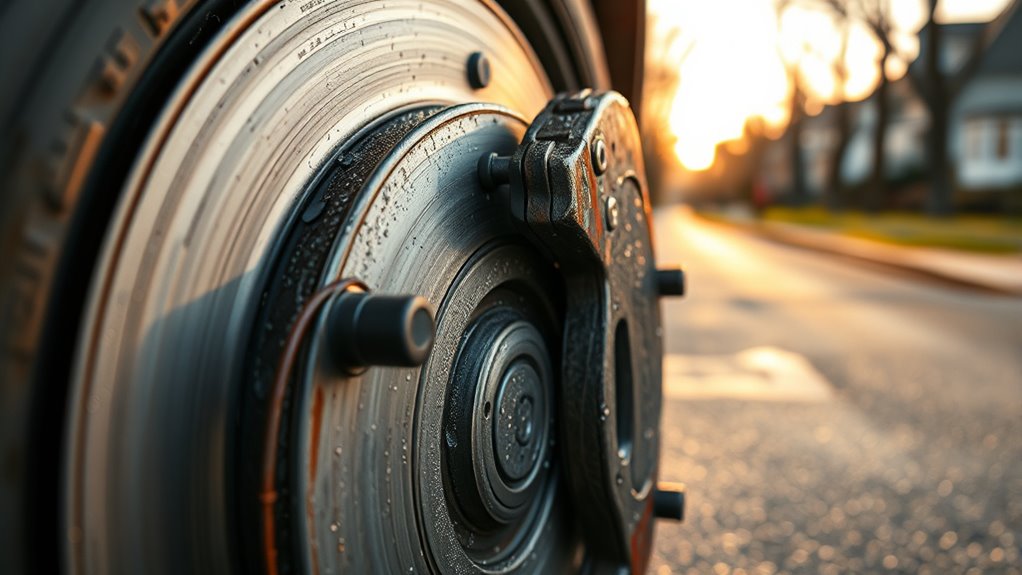
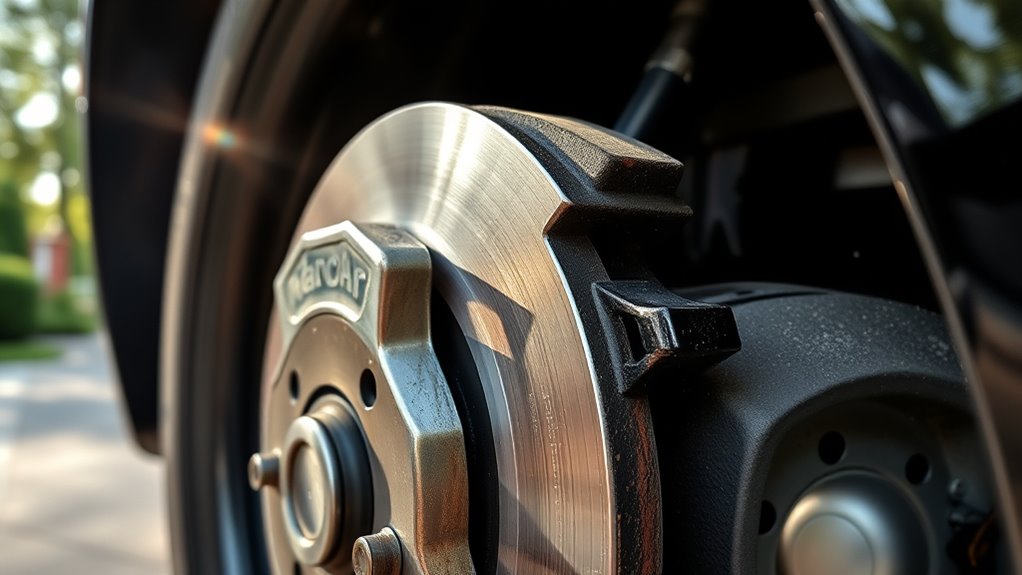
When your car’s brakes squeak every morning, it’s often because of moisture buildup on the brake rotors. This moisture creates a thin film that lowers friction, so your brakes squeak when you press them for the first time.
Over time, that dampness can also make brake fluid less effective. This can lead to inconsistent braking and make stopping less smooth. If the moisture isn’t cleared, it might cause the rotors to warp—especially if they’re already thin or don’t cool properly.
Rotor warping happens when the metal heats unevenly, often after driving through wet conditions. This causes pulsations when you brake, making the squeaking worse.
To avoid this, make sure your brake system is well-maintained. Keep brake fluid levels and quality up to date. Proper upkeep helps disperse moisture and prevents small issues from becoming bigger problems.
If your brakes keep squeaking despite these steps, it’s a good idea to have a mechanic check the rotors and brake fluid system. This way, you can prevent more serious damage down the line.
Why Does Moisture Make Your Brakes Squeak When Cold?
When moisture settles on your brakes overnight, it can cause the brake pads to develop a bit of rust. That rust can make your brakes squeak when you first start driving in the cold. Cold temps also make the friction between the pads and rotors a little less smooth, which can make that squealing sound worse. Luckily, as things dry out and warm up a bit, the squeaking usually goes away or becomes much less noticeable.
Moisture Causes Brake Pad Rust
Moisture can cause brake pads to develop rust overnight, especially in cold or damp conditions. When rust forms on the surface of the brake pad or rotor, it can create a rough patch that leads to squeaking during initial brake application.
This rust buildup often triggers a process called brake annotation, where the brake system clears away the rusty layer. This causes noise until the surface becomes smooth again.
If you’re experiencing persistent squeaks, it’s important to do a thorough noise diagnosis to see if rust is the cause. Rust-induced squeaking usually happens only during the first few stops in the morning. It tends to go away as the brake pads wear down the rust layer.
Regular inspections and prompt rust removal can help keep your brakes quiet and working efficiently.
Cold Temperatures Reduce Friction
Cold temperatures can significantly impact your brake system’s performance, making it more prone to squeaking. Chillier conditions cause your brake components to contract slightly, which reduces friction between the pads and rotors.
When moisture is involved, it can create a thin layer of water and ice, further reducing friction and causing squeaks. Less friction means the brake pads don’t grip as firmly, leading to more noise when you press the brake.
In cold weather, the natural damping properties of your brakes decrease, making squeaking sounds more noticeable. Being aware of this can help you anticipate those morning squeals and find ways to improve brake comfort during colder months.
Proper maintenance and understanding how climate affects your brakes can go a long way in reducing those annoying morning squeaks.
Squeal Diminishes With Dryness
As temperatures rise and the air dries out, you’ll notice that your brakes squeak less in the morning. Moisture stuck on the rotor creates a thin layer of rust or corrosion, which causes that squealing sound when you brake.
When brake fluid is low or contaminated, it makes proper pad contact harder, and the noise gets worse in damp conditions. As the day warms up and the moisture evaporates, the rust layer diminishes, and the squeal reduces.
Dampness can also cause rotor warping over time, leading to uneven braking and squeaking. Once the rotor dries and the rust clears, your brakes work more smoothly, and the squeak fades.
Keeping your brake fluid clean and at the right level helps prevent moisture-related squeaking, especially on cold, damp mornings.
Are Worn Brake Pads Responsible for Morning Squeals?
Worn brake pads are a common cause of squeaking noises in the morning, especially after your vehicle has been parked overnight. When brake pads are near the end of their lifespan, the brake pad materials can’t cushion the brake rotor properly, leading to more frequent squeals.
Here’s what to look out for:
- Thin Brake Pads: When pads become thin, the metal backing may squeal against the rotor.
- Glazed Brake Pads: Excessive heat can make the brake material shiny and slippery, causing squeaks.
- Hard Brake Pad Materials: Materials like ceramic or metallic compounds tend to squeak more as they wear.
- Lack of Lubrication: Without proper lubrication on caliper contact points, noise can increase, especially when starting cold.
If any of these signs match what you’re experiencing, your worn brake pads are likely causing the morning squeal. Replacing them can restore quiet and ensure proper braking performance.
How Do Temperature Fluctuations Affect Brake Noise?
Temperature fluctuations can really impact brake noise, especially when going from hot to cold or vice versa. When temperatures change quickly, metal and brake parts expand or contract, which can cause tiny gaps or misalignments.
Rapid temperature changes cause metal expansion and contraction, leading to brake gaps and squeaking noises.
These effects can create surface irregularities that lead to squeaking, especially overnight or early in the morning. When metal cools down, it contracts unevenly, increasing friction and noise.
On the flip side, warmer conditions make parts expand, which can temporarily affect how the brake pads contact the rotors. Regular inspections and proper lubrication are key to reducing squeaks.
Using high-temperature brake lubricants can help minimize metal-to-metal contact caused by temperature shifts. Also, driving habits that avoid excessive heat buildup during braking can help keep noise down.
Understanding how temperature affects your brakes can help you take preventive steps and reduce squeaking, especially in the mornings.
Which Brake Pad Materials Are Prone to Squealing?
You’ll notice that ceramic brake pads squeak less, which makes them a quieter choice for a lot of drivers out there. They tend to be pretty tame when it comes to noise. On the flip side, semi-metallic pads usually are noisier and can create more squeal, especially if they’re not properly installed or if the rotors are in rough shape. Organic pads can squeak too, particularly in cooler weather, so the type of material you choose definitely impacts how much noise you’ll hear when braking.
Ceramic Pads Squeal Less
If you’re looking to reduce squealing in the morning, ceramic brake pads are a smart choice because they tend to produce less noise than other materials. These pads are made from dense ceramic compounds that help dampen vibrations that cause squeal.
When considering brake pad materials, ceramic options are known for their quiet operation and long-lasting performance. They also work well with various brake system designs, which helps minimize noise without sacrificing braking power.
Here are some cool benefits of ceramic brake pads:
- Quieter braking compared to metallic pads
- Less dust, keeping wheels cleaner
- Reduced vibration and squeal
- Longer lifespan under normal use
Choosing ceramic pads can give you a quieter, smoother start to your day.
Semi-Metallic Pads Noisy
Semi-metallic brake pads are known for their durability and strong braking performance, but they often come with the downside of being noisier than other types. The metal content in semi-metallic pads creates more friction, which can lead to squealing or squeaking, especially in the early mornings.
This noise happens because the metal fibers vibrate against the rotor, producing sound. To reduce this, look for pads with features like dampening shims or lubricated chamfers.
Regular maintenance, like cleaning your brakes and ensuring proper installation, can also help minimize noise. While semi-metallic pads offer excellent stopping power, understanding their tendency for noise helps you find solutions and improve your braking experience.
Organic Pads Tend to Squeak
Organic brake pads are popular for their quiet operation and eco-friendly materials, but they tend to squeak more often than others. This squeaking is usually unavoidable with organic pads, especially when they’re cold or wet.
To reduce squeak, consider these factors:
- Moisture: Water on organic pads causes noise until they dry.
- Dust and Debris: Dirt buildup can cause vibrations that increase squealing.
- Brake Pad Bed-In: Not bedding in properly can stop the pads from making full contact, leading to squeaks.
- Pad-rotor Contact: Poor alignment or uneven rotors can make noise worse.
Knowing these causes can help you fix squeak issues quickly. Regular cleaning, maintenance, and correct installation can keep squealing to a minimum and help your organic pads last longer.
How to Diagnose Brake Squeal in the Morning?
Waking up to squeaking brakes can be frustrating and confusing, but diagnosing the cause doesn’t have to be complicated. First, check your tire pressure—underinflated tires can affect brake performance and cause squeal during cold morning starts.
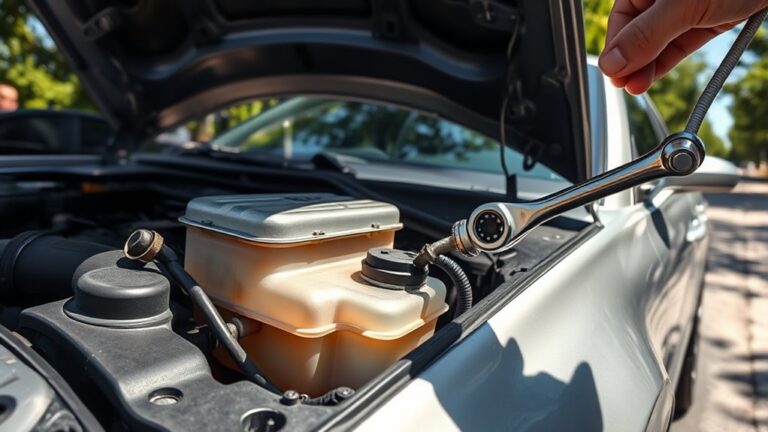
Properly inflated tires help ensure even brake contact and rule out tire-related issues. Next, look at your brake fluid level. Low or contaminated brake fluid can cause inconsistent braking and noise.
Make sure your brake fluid reservoir is at the right level, and check for leaks or contamination. Also, listen carefully when you apply the brakes; squealing often signals worn brake pads or glazed rotors.
If your brake system is free of leaks, and your tire pressure is correct, but the squeaking continues, it might be time for a mechanic to inspect the pads, rotors, and other parts for wear or damage. Diagnosing properly helps you address the real issue effectively.
Simple Ways to Reduce Morning Brake Squeak
If you want to cut down on that annoying morning brake squeal, keeping up with regular brake maintenance is a good start. Make sure your brakes are clean and properly lubricated—that’s key to preventing noise.
Plus, try to brake gently instead of slamming on them, especially when it’s cold outside. Hard stops can wear out your rotors and pads faster, which often leads to squealing.
Just sticking to these simple tips can really make a difference, making your mornings a lot quieter and less stressful.
Regular Brake Maintenance
Have you noticed that your brakes squeal more loudly on cold mornings? Regular brake maintenance can help reduce this problem. Here are four simple steps you can take:
- Check your brake fluid regularly and top it off if needed. Low brake fluid can cause squeaking sounds.
- Inspect your rotors for corrosion, especially after winter. Resurface or replace them if they’re corroded.
- Clean your brake components to remove dust, debris, and moisture that cause squealing.
- Schedule professional brake inspections at least once a year to catch hidden issues early.
Proper maintenance keeps your braking smooth and prevents rotor corrosion. Keeping your brake fluid fresh and rotors in good shape reduces morning squeals and keeps your brakes working reliably.
Gentle Brake Use
To reduce morning brake squeal, adopting gentle driving habits can really help. Avoid harsh braking right after starting your vehicle to prevent putting stress on the brake components.
When parking, gently engage the parking brake instead of pulling it abruptly. This can cause squeaking when the brake pads are cold. Regularly check your brake fluid level because low fluid can reduce braking effectiveness and increase noise.
By giving your brakes time to warm up and using them softly, you help the brake pads and rotors settle. This minimizes squeal and keeps everything running smoothly. Also, avoid pressing the brake pedal forcefully during cold starts, as that can cause glazing and noise.
Gentle, consistent brake use helps maintain proper contact and reduces the chances of squeaking in the morning.
When Should You Replace Brake Pads or Components?
Knowing when to replace brake pads or components is crucial for maintaining safe braking performance. You should consider replacement if:
- The brake pads are worn down to 1/8 inch or less. This reduces stopping power and causes squeaking.
- You notice a spongy brake pedal, which could indicate brake fluid issues or worn calipers affecting braking efficiency.
- You hear persistent grinding noises. That’s a sign that the brake pads are metal-to-metal and may be damaging rotors.
- The brakes feel less responsive or require more pressure. This suggests worn components or degraded brake fluid that need inspection and possible replacement.
Regularly check your brake calipers and brake fluid level, as these are essential to the braking system’s integrity. Worn brake pads and failing parts can compromise safety. Addressing these signs promptly will keep your brakes performing at their best.
Preventative Maintenance Tips to Stop Brake Squealing
Regularly inspecting and maintaining your braking system is key to preventing squealing vibrations in the morning. One essential step is checking your brake fluid; low or old fluid can cause brake components to stick and squeal. Make sure to top it up or replace it as recommended by your vehicle manufacturer.
Furthermore, clean and inspect your ABS sensors, as dirt or debris can interfere with braking signals, leading to noise. Properly functioning ABS sensors help ensure smooth brake operation and prevent unnecessary squealing.
Periodically, have a professional inspect your brake pads and rotors to identify signs of wear or glazing, which can contribute to squeakiness. By keeping the brake fluid fresh and ABS sensors clean, you reduce the chances of morning brake squeals and maintain ideal braking performance.
Consistent maintenance saves you money and boosts your safety every time you hit the road.
How Can You Prevent Moisture-Related Brake Squeal in Cold Weather?
Moisture buildup on brake components during cold weather can cause squealing and reduce braking performance. When water mixes with your hydraulic fluid or settles on brake calipers, it creates vibrations that produce noise. To prevent this:
- Regularly check and replace your hydraulic fluid to ensure it isn’t filled with moisture, as that can make squealing worse.
- Keep your brake calipers clean and free of debris, which helps prevent uneven contact that leads to squealing.
- Think about applying high-temperature brake grease to contact points on the calipers to help reduce moisture sticking around.
- Drive and brake gently after cold starts to help evaporate any moisture that might have settled on the braking surfaces.
These steps help stop moisture from causing vibrations that lead to squeal. Proper maintenance of your hydraulic fluid and brake calipers keeps your brakes working smoothly, even in harsh winter conditions. Regular checkups also boost safety and help your braking system last longer.
Frequently Asked Questions
Can Brake Squealing Indicate a Serious Safety Issue?
Brake squeaking can sometimes indicate a serious safety issue, especially if it’s caused by excessive brake pad wear or rotor corrosion.
If your brakes squeak persistently, you should inspect them promptly. Worn brake pads can reduce stopping power, and corroded rotors can cause uneven braking.
Addressing these issues early helps keep you safe and prevents more costly repairs. Don’t ignore suspicious squeaking—have a professional brake inspection to stay safe on the road.
Do Different Vehicle Types Experience Morning Brake Squeal Differently?
Different vehicle types do experience morning brake squeal differently because of temperature sensitivity, which impacts brake material. For instance, cars with sensitive brake materials might squeak more on cold mornings, acting like a chilly warning sign.
Larger trucks or commercial vehicles may handle temperature changes better, but their brake squeal can be louder and last longer. So, your vehicle’s design and brake material really influence when and how squeaking happens, especially in cooler mornings.
How Long Does It Typically Take for Brake Squeal to Resolve Naturally?
Brake squeal usually goes away on its own within a few days to weeks, depending on things like the brake material and how often you brake. As your brakes heat up and dust or moisture clear out, the squeal often fades.
If it keeps happening, it might mean there’s an issue with the brake pad quality or the surface condition. Regular driving helps the brake components settle down.
But if the squealing continues for a long time, it’s a good idea to get the pads checked or replaced for better performance.
Are Aftermarket Brake Pads More Prone to Squealing Than OEM Parts?
Aftermarket brake pads can be more prone to squealing than OEM parts mainly because they often lack the precise fit and quality controls of original equipment.
While aftermarket options are cheaper and offer more choices, OEM parts usually have better quality and tend to be quieter.
If you want quieter brakes, sticking with OEM parts might be the smarter choice. Just make sure to consider your driving needs and budget.
Does the Age of the Vehicle Affect the Likelihood of Morning Brake Squeak?
Yes, the age of your vehicle can influence morning brake squeaks. Over time, brake components wear out, which can lead to uneven tire treads or dirt buildup that causes squealing sounds.
As your car gets older, environmental factors and engine noise might also make these squeaks worse, affecting brake performance. Regular checks can help prevent larger issues down the line.
Keeping your brake system clean and inspecting your tire treads is especially important during cold mornings. Doing so can help reduce those annoying squeaks and keep your brakes working smoothly.
Conclusion
Addressing morning brake squeak is about understanding the causes, embracing preventative care, and acting promptly.
By checking your pads, staying vigilant about moisture, and maintaining your braking system, you can diminish or eliminate that annoying noise.
Think of your brakes as a delicate dance—balance, timing, and proper maintenance ensure it’s smooth.
Keep your brakes silent, your mornings peaceful, and your drives safe. Your effort turns squeaks into silence and worries into confidence.