Why Does Oil Pressure Light Come on When the Engine Is Hot? Tips to Prevent Engine Damage
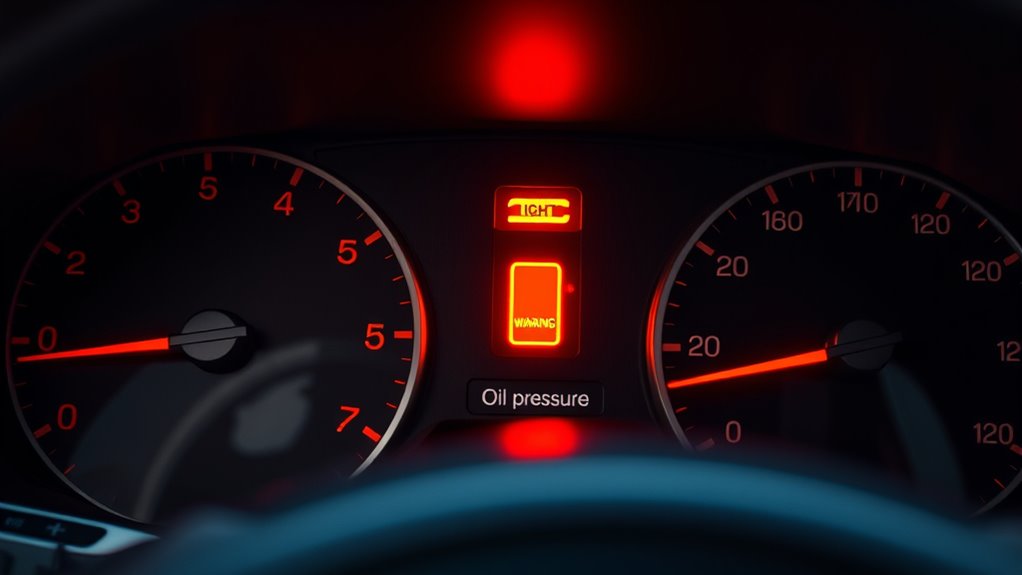
Many car owners have experienced that uneasy feeling when the oil pressure light comes on just as their engine gets hot. You’re not alone—this is a common worry for drivers who want to keep their engines running smoothly.
When your engine gets hot, oil can thin and expand engine parts, reducing oil pressure and triggering the warning light.
Low oil levels, clogged filters, or worn components can make this worse, risking engine damage.
To prevent this, regularly check and maintain your oil level and quality. Using the right viscosity oil and ensuring your cooling system works effectively can make a big difference.
If you want to know how to keep things running smoothly when it’s hottest, keep going.
Key Takeaways
- High engine temperatures thin the oil, which makes it less effective at maintaining proper pressure. That’s often when the warning light comes on.
- Over time, worn-out oil pumps or clogged filters can mess with oil flow, especially when the engine heats up.
- Low oil levels from leaks or lack of maintenance reduce pressure, and this is more noticeable when the engine is hot.
- During high heat, metal parts expand and can narrow oil passages, which lowers pressure and triggers the warning system.
- Keep an eye on your oil and coolant levels regularly. Proper maintenance helps prevent overheating and keeps your oil pressure in check.
Why Does the Oil Pressure Warning Light Come On When My Engine Is Hot?
When your engine gets hot, the oil pressure warning light can come on for several reasons. One common cause is the oil filter. If it becomes clogged or blocked, oil flow gets restricted, which lowers pressure and triggers the warning.
Also, as coolant temperature rises, it can indirectly point to issues with oil pressure because high coolant temps often come with conditions that put strain on the oil system. When both coolant and oil heat up too much, the oil thins out and can’t maintain proper pressure.
Sometimes the warning light is on because the oil level is low. This might happen due to leaks or recent oil changes. It’s important to check your oil filter for blockages, verify your oil level, and monitor coolant temperature.
Fixing these problems early can help prevent further engine damage caused by low oil pressure when things are hot.
How Hot Engines Affect Oil Flow and Pressure
When your engine gets hot, the oil tends to become thinner and less viscous. This means it flows more easily, but it doesn’t stick around to provide the same level of lubrication as it does when it’s cooler.
Also, as the engine heats up, the metal parts expand a bit, which can increase the clearances between them. That change can mess with the oil flow and the pressure, making things less efficient. And let’s not forget—hot temperatures can also impact your oil pump’s performance, causing the oil pressure to drop when the engine is at operating temperature.
Oil Viscosity Changes
As engines heat up, the oil’s viscosity, or thickness, decreases, letting it flow more easily through your engine’s parts. When oil gets thinner, it can help your engine run more smoothly, especially if you use synthetic blends designed for high temperatures.
But if the oil gets too thin, it might not create enough pressure to lubricate properly. This can cause the oil pressure warning light to flicker, which isn’t good.
Proper engine cooling helps control the oil temperature, keeping the viscosity in the right range. This balance is key to preventing damage when things heat up.
Expansion of Engine Components
Hot engine components expand as temperatures rise, which can affect the pathways through which oil flows. When the engine heats up, the surrounding coolant and radiator temperature go up, causing metal parts to expand.
This expansion can narrow oil passages and change the clearances between parts, making it harder for oil to circulate properly. As a result, oil pressure might drop and trigger the oil pressure light.
The areas most impacted by this are things like the oil pump, bearings, and timing chain guides. If you see the oil pressure light come on when the engine is hot, it’s partly due to these expansion effects.
Keeping your cooling system in good shape helps manage temperature changes and reduces how much the components expand, helping maintain proper oil flow and pressure.
Reduced Oil Pump Efficiency
Engine temperatures that soar can directly impair the oil pump’s ability to circulate oil effectively. When the engine gets hot, the oil becomes thinner, reducing its viscosity and making it harder for the pump to maintain proper pressure.
This can lead to inadequate lubrication and increased wear. Plus, high temperatures can cause the oil filter to clog faster, further restricting oil flow. Over time, hot engines may develop oil leaks, which lower oil levels and pressure even more.
To prevent this, make sure your oil pump is working correctly and don’t neglect regular oil changes. Keep an eye on oil levels and address leaks promptly to maintain good oil pressure when your engine heats up.
Signs That Your Oil Pressure Is Dropping When the Engine Is Hot
If you notice your oil pressure dropping when your engine is hot, it can be pretty concerning. One thing you might hear are weird noises, like knocking or whining sounds, coming from the engine. That’s usually a red flag that something’s not quite right.
You might also start feeling like your car isn’t as peppy as it usually is. Struggling to accelerate or a general lack of power can be signs that your engine isn’t getting enough lubrication. Basically, these are clues that your engine might be in trouble and need some attention.
Unusual Engine Noises
Unusual noises coming from your engine can be a warning sign that oil pressure is dropping when it’s hot. You might hear knocking, ticking, or grinding sounds, which suggest that your engine isn’t getting enough lubrication.
These noises can affect your fuel efficiency and even impact your brake system’s performance over time. Ignoring these signals could lead to serious engine damage.
You might notice knocking or ticking sounds, especially at idle or during acceleration, or rumbling and grinding noises while driving. Squealing when starting or braking can also hint at oil flow issues.
If you hear these sounds, check your oil level and pressure right away. Persistent low oil pressure can cause parts to wear out faster, reducing fuel efficiency and stressing important systems like your brakes.
Addressing unusual engine noises early can prevent costly repairs and keep your vehicle running smoothly, especially when it’s hot outside.
Decreased Power Output
As your vehicle’s oil pressure drops when it’s hot, you might notice a significant decrease in power and acceleration. Reduced oil pressure means the oil isn’t circulating properly, leading to less lubrication of engine parts.
This can cause the engine to struggle, making acceleration sluggish and overall power decline. A clogged oil filter can restrict oil flow, which makes things worse, while a failing oil pump may not generate enough pressure to keep everything running smoothly.
When oil pressure drops, your engine’s ability to respond quickly diminishes. You may also notice difficulty maintaining speed. Addressing these signs promptly by checking your oil filter and oil pump is essential to prevent further engine damage and keep your vehicle running smoothly, even when hot.
Are Thinner Oils Less Effective at High Temperatures?
Thinner oils often flow more easily through engine parts, which can seem like a good thing at lower temperatures. But at high temperatures, this increased thinness can weaken the oil film, reducing its ability to protect engine components.
Thinner oils, like certain synthetic blends, may not hold their viscosity properly when things heat up. This can lead to more wear and tear on your engine under hot conditions. If you’ve upgraded your engine or added high-performance parts, choosing the right oil thickness becomes even more important.
Thin oils might not lubricate well enough or form a strong enough barrier around engine parts. This increases friction and the risk of damage. They may also degrade faster in extreme heat and can’t sustain the protective layer needed during high temperatures.
You might need to switch to thicker oils for better protection, especially if you’ve made engine upgrades. Always follow your vehicle’s manufacturer recommendations to avoid overheating and oil pressure issues.
How to Check Your Oil Level and Quality Before Driving
Before you start your drive, it’s a good idea to check your oil level with the dipstick. Just pull it out, wipe it clean with a rag, then dip it back in and see where the oil lines up — ideally, it should be somewhere between the minimum and maximum marks.
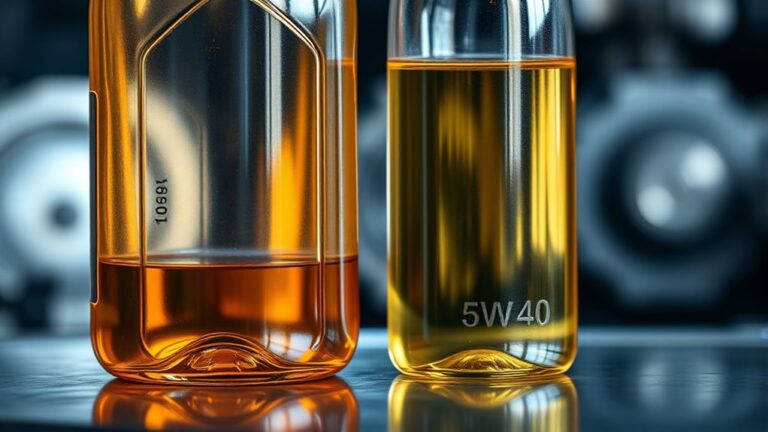
Once you’ve done that, take a quick look at the oil’s color and texture. You want it to be a nice, clear amber and smooth to the touch. If it looks really dark or gritty, that’s a sign it might be time for an oil change. Using a clean rag or paper towel to wipe the dipstick before checking ensures that your readings are accurate every time.
Checking Oil Level
Wondering how to guarantee your engine has enough oil before hitting the road? First, locate the oil dipstick, pull it out, and wipe it clean. Reinsert it fully, then pull it out again to check the oil level. The oil should be between the minimum and maximum marks.
Inspect the oil’s appearance; clear, amber oil is ideal. If it looks dark or gritty, consider changing the oil and replacing the oil filter to prevent piston wear.
Regularly checking your oil level helps avoid low oil pressure issues, especially when the engine is hot. Keep an eye on the dipstick at least once a month, look for signs of oil leaks, and verify proper oil filter installation.
Assessing Oil Quality
To check the oil, look at its color and consistency. Dark or gritty oil might mean contamination or that the oil has degraded. You can also do a quick touch test—thick or gritty oil suggests it’s time for a change.
Regularly checking your oil quality helps prevent engine damage caused by poor lubrication. Keep this in mind:
| Oil Condition | Signs | Action |
|---|---|---|
| Clean & amber | Good oil | No action needed |
| Dark & dirty | Oil contamination | Replace the oil |
| Gritty texture | Oil degraded or contaminated | Change oil and check filtration |
| Thin or watery | Possible coolant mixing | Inspect engine for leaks |
| Thick & sticky | Oil breakdown | Change immediately |
Using Proper Tools
Checking your oil level and quality with the right tools helps keep your engine running smoothly and prevents damage. First, grab a clean rag to wipe the dipstick, then pull it out to check the oil levels. Make sure the oil is between the minimum and maximum marks.
While you’re at it, take a look at the oil’s appearance. Dark, gritty oil means it’s time for a change and could hurt your oil filter’s performance. Don’t forget to check the engine coolant level too—it helps prevent overheating, which can mess with your oil pressure.
When checking the oil, use a good quality funnel to avoid spills. Always make sure to replace the dipstick securely, and check that there’s no debris near the oil fill cap. Using the right tools makes it easier to catch issues early and keeps your engine in top shape.
Common Causes of Oil Pressure Loss in Hot Engines
When your engine gets hot, several common issues can cause the oil pressure to drop. One key culprit is a clogged or failing oil filter, which restricts oil flow and reduces pressure. If you don’t replace the filter regularly, debris can build up and cause the oil to move sluggishly.
A clogged oil filter restricts flow and reduces pressure when the engine heats up.
Low engine coolant levels can also contribute to rising engine temperatures. This impacts oil viscosity and pressure because when coolant drops, the engine runs hotter, thinning the oil and making it less effective at maintaining proper pressure.
Worn or damaged oil pump seals and internal engine wear can also lead to pressure loss, especially under heat stress. Recognizing these issues early can help prevent further damage.
Regular oil and filter changes, along with maintaining proper coolant levels, are essential for keeping oil pressure stable when the engine is hot.
Preventive Maintenance to Keep Oil Pressure Stable in Hot Weather
Regular preventive maintenance is your best defense against oil pressure issues in hot weather. By keeping your car in top shape, you reduce the risk of oil pressure drops, especially when temperatures soar.
Make sure to regularly replace your oil filter to ensure clean oil flows smoothly through the engine. Check and clean the oil pan drain plug to prevent sludge buildup that can restrict oil circulation.
Also, keep an eye on your oil levels. Low oil can cause pressure fluctuations and damage the engine. Consider inspecting the oil pump periodically, as a malfunctioning pump can compromise pressure.
Staying proactive with these tasks helps your engine maintain stable oil pressure and avoid the oil pressure light coming on when the engine is hot.
Consistent care minimizes wear and tear, which helps extend your engine’s lifespan and saves you money on repairs.
Choosing the Right Oil Viscosity for Hot Conditions
Choosing the right oil viscosity becomes especially important in hot weather because using the correct grade helps guarantee proper engine lubrication and prevents oil pressure issues.
In high temperatures, oil thins out more quickly, so selecting a viscosity suited for hot conditions ensures it maintains its protective film and reduces wear.
Synthetic oils are a great option because they resist breakdown and flow smoothly at higher temperatures, which helps with engine cooling and efficiency.
For hot climates, use oils labeled with higher SAE ratings—like 10W-40 or 20W-50—as they’re designed to handle extreme heat without losing viscosity.
Using oil with the proper viscosity not only keeps your engine properly lubricated but also helps prevent the oil pressure warning light from coming on prematurely.
Always check your vehicle’s manufacturer recommendations, especially in hot environments, to choose the right oil grade for optimal engine performance and longevity.
Troubleshooting the Oil Pressure Warning Light When the Engine Is Hot
If your oil pressure warning light comes on when the engine is hot, it’s a sign that something might be wrong with your lubrication system. Start by checking your oil level—if it’s low, it can cause pressure drops.
If the oil level looks good, take a look at the oil filter. A clogged filter can restrict oil flow and trigger the warning light. Also, consider whether your oil is degraded, as that can lower its lubrication efficiency.
Sometimes, the warning might be due to a faulty oil pressure sender or sensor giving a false signal.
Here are some steps to troubleshoot:
- Replace the oil filter if it’s dirty or clogged.
- Check for leaks or signs of wear around the filter and replace the gasket if needed.
- Make sure the oil pump is working correctly and replace any faulty components.
When to Seek Professional Help for Hot Engine Oil Pressure Problems
Recognizing when to seek professional help for hot engine oil pressure issues is essential to prevent engine damage. If you notice persistent oil pressure warnings despite checking the oil level, it’s time to see a mechanic.
Poor radiator performance or low engine coolant levels can cause these problems by hindering coolant flow. This leads to higher engine temperatures that can affect your oil pressure.
If the oil pressure light stays on after the engine has cooled down and topping off the oil doesn’t help, don’t wait to get expert assistance. A professional can inspect your radiator, coolant system, and oil pump to find the real issue.
Ignoring these signs might cause serious engine damage, costly repairs, or even breakdowns. Regular maintenance of your cooling system and making sure your radiator works properly can prevent future problems.
Relying on a professional guarantees an accurate diagnosis and proper repairs, helping to keep your engine healthy.
Frequently Asked Questions
Can Driving With the Oil Pressure Light on Cause Engine Damage?
Driving with the oil pressure light on can cause engine damage if you ignore it. The oil sensor’s warning system tells you when oil pressure is low, which means your engine isn’t getting enough lubrication.
If you keep driving, it can lead to serious wear, overheating, or even engine failure. It’s really important to stop and check the oil level right away.
Ignoring this warning can end up costing you a lot in repairs. Always take the oil sensor warning seriously to keep your engine healthy and running smoothly.
How Does Ambient Temperature Influence Oil Pressure in Hot Engines?
Ambient temperature can really impact your engine’s oil pressure. When it’s hot outside, your oil becomes thinner and struggles to build the right pressure. That can cause your oil pressure light to flicker or stay on.
Temperature sensors pick up these changes, but they often can’t react quickly enough. It’s a good idea to check and change your oil regularly, especially when the weather is extreme.
Keeping your oil at the right thickness helps protect your engine no matter how hot or cold it gets. Regular maintenance is key to avoiding trouble when the temperature fluctuates.
Are There Specific Engine Models More Prone to Oil Pressure Issues When Hot?
Some engine models are more prone to oil pressure issues when hot, especially those with older designs or worn components. Engines that have high mileage or are several years old tend to be more affected.
Engines using synthetic oil with higher viscosity may also experience pressure drops if the oil isn’t flowing properly under heat. This is often due to thicker oil not circulating as easily when the engine heats up.
You should regularly check your oil levels and viscosity, especially in high-mileage engines, to prevent damage. Keeping an eye on these can help you catch problems early and avoid costly repairs.
Upgrading to suitable synthetic oils can help maintain consistent pressure and better protect your engine. Choosing the right oil based on your engine’s age and condition is key.
What Preventive Measures Can I Take During Extreme Heatwaves?
During extreme heatwaves, you can protect your engine by regularly checking the cooling system. Overheating risks increase, so it’s important to verify proper coolant levels and make sure the fans are working correctly.
Also, choose the right oil viscosity. Thinner oils flow better in high temps, which helps reduce pressure issues. Keep an eye on temperature gauges and consider parking in shaded areas whenever possible.
These simple steps help prevent oil pressure problems and keep your engine healthy during the hottest days.
How Often Should I Replace Oil to Prevent Pressure Drops in Hot Weather?
You should get an oil change every 3,000 to 5,000 miles, especially in hot weather. Oil tends to become more temperature-sensitive and breaks down faster in the heat.
Regularly replacing your oil helps keep the right pressure and prevents engine damage caused by thin or contaminated oil. Check your vehicle’s manual for specific recommendations.
Timely oil changes keep your engine well-lubricated, which reduces the risk of pressure drops during extreme heat conditions. Staying on top of oil changes is key to your engine’s health in hot weather.
Conclusion
Understanding why your oil pressure light comes on when your engine is hot can help you avoid costly damage. It’s important to recognize the signs of trouble early so you can take action before things get worse.
Using the right type of oil and keeping up with regular maintenance are key. These steps help ensure your engine stays healthy, no matter the temperature outside.
Don’t ignore warning signs like the oil pressure light. Doing so could lead to serious engine damage, especially when the engine is hot.
Regarding hot engines, it’s better to be safe than sorry. Addressing oil pressure issues promptly can save you a lot of money and hassle later on.
Remember, paying attention to your oil pressure light and maintaining your vehicle are crucial. This way, you’ll keep your engine running smoothly, even in hot conditions.