Ticking Noise In Engine When Accelerating: 5 Common Causes & Fixes
If you’ve ever heard a ticking noise when you accelerate, you’re not alone. Many drivers find this sound nerve-wracking and worry it could be a serious problem with their engine.
Luckily, there are common causes you can often identify and fix yourself.
A ticking noise when you accelerate can be caused by low oil levels, faulty hydraulic lifters, worn valves or timing chains, or fuel injectors activating.
Sometimes dirt in the injectors creates the noise, which is fixable by cleaning or replacing parts.
To pinpoint the issue, listen carefully and check for visible signs of wear.
If these tips don’t help, you’ll find more detailed solutions that could save you time and money.
Key Takeaways
- Low oil levels or poor lubrication can cause valve or lifter ticking when you’re accelerating.
- Faulty or worn hydraulic lifters often make ticking sounds as the engine speed picks up.
- Loose valves or timing chains might create ticking noises because engine parts vibrate under load.
- Dirty or faulty fuel injectors can also produce light ticking sounds during acceleration.
- Regular maintenance, like checking oil levels and valve clearances, helps keep engine ticking at bay.
What Causes Engine Ticking During Acceleration?
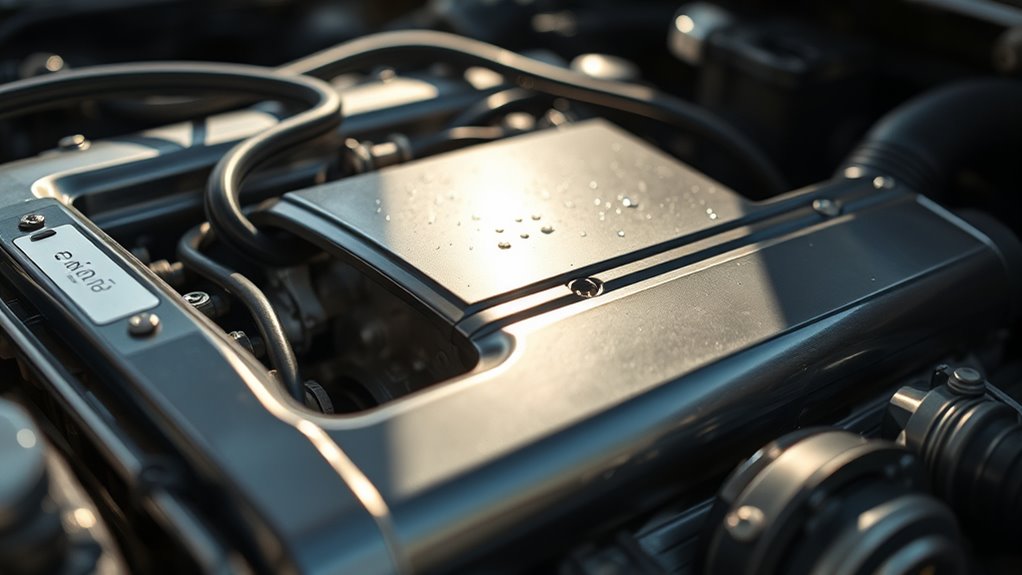
When you hear a ticking noise that gets louder as you accelerate, it often points to specific engine issues. Understanding where engine noise comes from can help you identify what’s causing the problem during vehicle maintenance.
Common causes include low oil levels, which lead to insufficient lubrication and more friction between engine parts. This friction can create a ticking sound when the oil isn’t doing its job properly.
Low oil levels cause friction, leading to ticking sounds during acceleration. Regular oil checks help prevent engine damage.
Another culprit is lifter problems. Faulty hydraulic lifters can produce ticking sounds because they fail to maintain proper valve clearance. When valves or timing chains are worn or loose, they might also cause noise during acceleration.
Fuel injectors activating can generate a light ticking noise, especially when accelerating. Sometimes, debris or dirt in the injectors triggers these ticking sounds.
Knowing these potential causes can help you improve your vehicle maintenance routine. Addressing engine noise early can prevent more serious damage and keep your engine running smoothly.
Pay attention to ticking noises, as they are a sign that it’s time for an inspection or repair. Early action can save you money and ensure your engine stays healthy.
How to Diagnose Engine Ticking Step-by-Step?
Diagnosing engine ticking requires a step-by-step approach to find out what’s causing it. Start by listening carefully when you accelerate. Is the ticking steady or does it come and go?
Next, try to pinpoint where the noise is coming from. Listen around the valve cover, intake manifold, or near the timing chain area. If the sound is louder from the top of the engine, it might involve internal parts like valves or pistons.
Use a mechanic’s stethoscope or a long screwdriver pressed gently against engine parts to help identify the source. This can help you narrow down where the noise is originating.
Check for visible signs of wear or damage on internal components like pistons, valve springs, or rocker arms. Also, consult your vehicle’s service manual for specs on clearances and tolerances.
If you’re not confident or the ticking keeps going, it’s best to get a professional mechanic to take a look. Proper diagnosis is key to fixing the issue and avoiding potential damage down the road.
Simple Fixes for Loose or Damaged Valves and Fuel Injectors
Loose or damaged valves and fuel injectors can cause that persistent ticking noise when you accelerate. To fix this, start by checking the valve clearance. If it’s too loose, you’ll hear the ticking louder, so adjusting the valves to the manufacturer’s specs can reduce the noise.
Check and adjust valve clearance or clean fuel injectors to eliminate ticking noises when accelerating.
This involves setting the correct valve lash, which you can do with basic tools if you’re comfortable working on engines. For fuel injectors, a simple fix might be cleaning or replacing them if they’re clogged or leaking.
Fuel injector repair can sometimes be as easy as spraying cleaner into the injectors or replacing faulty parts. Be sure to follow your vehicle’s service manual for specific procedures.
Regular maintenance helps prevent damage, so consider checking valve clearance and fuel injectors periodically. These simple fixes often resolve the ticking noise without needing major repairs or a professional.
When to Seek a Mechanic for Engine Ticking
If the ticking noise keeps going even after you’ve tried simple fixes like adjusting valves or cleaning fuel injectors, it’s time to bring in a professional mechanic. Often, the problem comes from poor engine oil quality or issues with your exhaust system.
These parts are vital for your engine to run smoothly, and ignoring problems can lead to serious damage.
Feeling frustrated? That’s a sign you should get it checked out. Ignoring the noise might lead to costly repairs later on.
If you feel anxious about engine failure or safety hazards, don’t wait. Getting it diagnosed early can save you money and worry.
Long-term damage or poor performance is another concern. Addressing the issue now helps keep your engine running well longer.
But there’s also hope. Getting it fixed brings peace of mind and confidence in your vehicle’s safety.
If any of these signs hit home, don’t delay. Seeing a mechanic sooner rather than later can help you avoid bigger headaches down the road.
Additional Tips to Prevent Engine Ticking Noise
Maintaining your engine’s health is the best way to prevent ticking noises from developing in the first place. Regularly check your engine oil quality, and ensure it’s clean and at the correct level. Using high-quality oil helps reduce friction and wear, which can cause ticking sounds, especially during acceleration.
Keep your engine quiet by regularly checking oil quality, ensuring it’s clean, full, and using high-quality oil.
Also, keep up with scheduled oil changes to avoid additives breaking down, which can compromise lubrication. Pay attention to engine timing, too. If your timing is off, it can lead to improper valve operation, resulting in ticking noises.
Have a mechanic review your engine’s timing belt or chain periodically to ensure it’s properly aligned. Neglecting these maintenance steps increases the chances of noise and potential engine damage.
Staying proactive with oil quality and engine timing checks can save you from costly repairs. It also keeps your engine running smoothly and quietly, so don’t overlook these small but important tasks.
Frequently Asked Questions
Can Engine Ticking Damage My Vehicle Long-Term?
Yes, engine ticking can cause long-term damage if you don’t check it out. When the ticking is related to engine timing or valve clearance problems, it can cause the engine to run poorly, wear out faster, and eventually get seriously damaged.
If you constantly hear ticking when you accelerate, it’s a good idea to have your vehicle looked at sooner rather than later. Fixing issues with valve clearance or engine timing early can save you a lot of money and help keep your engine running smoothly.
Is Engine Oil Quality Related to Ticking Noises?
Did you know that 60% of engine issues come from improper oil? Yes, poor-quality engine oil can actually cause ticking noises, especially if its viscosity isn’t the right match for your engine.
Thinner oils might make the ticking sound more noticeable during acceleration, while thicker oils may help reduce it. Using the proper oil ensures your engine parts stay lubricated and work smoothly.
Choosing high-quality oil suited for your vehicle is key to preventing ticking noises and avoiding long-term damage. It’s a simple step that can make a big difference.
How Does Cold Weather Affect Engine Ticking?
In cold weather, engine ticking often happens during a cold start because low engine temperature causes metal parts to expand slowly, creating space that results in ticking sounds.
As the engine warms up, these noises usually fade. You’re probably hearing the normal expansion of engine components like valves and pistons adjusting to temperature changes.
Keep an eye on the ticking, but it’s usually harmless if it disappears as the engine warms.
Are There Any Safety Risks From Engine Ticking?
Engine ticking usually isn’t an immediate safety risk, but it’s important to get it checked out to find out what’s causing it.
Ignoring the noise could lead to bigger problems like damaged parts that might be more costly to fix later on.
It’s a good idea to look into ticking noise remedies, like tightening or replacing parts, to avoid further damage.
If the noise keeps going or gets worse, it’s best to have a mechanic look at your engine sooner rather than later to keep things running safely and smoothly.
Will My Engine Ticking Affect Fuel Efficiency?
Your engine ticking can slightly affect fuel efficiency since it signals a potential issue that may impact how well your engine runs.
Unresolved engine problems often lead to lower engine efficiency, which means your vehicle could consume more fuel than usual.
If you ignore it, that extra fuel usage can add up over time.
Having a mechanic take a look can help you optimize fuel consumption and keep your engine in good shape.
Conclusion
Now that you’ve learned the common causes and fixes, you’re practically an engine whisperer. Just picture your engine humming smoothly, like a choir of well-coordinated musicians—nothing like the discord of ticking sounds.
But beware: ignoring that noise could turn your engine into a solo performance of costly repairs. So, keep tuning those valves and checking your injectors before your engine turns into a never-ending drum roll you didn’t sign up for.
If your engine has a ticking noise when accelerating, catching it early can save you lots of headaches and money. Tackle those issues to keep your engine running quietly and smoothly.