Engine Shaking and Loss of Power: 5 Possible Causes and Solutions
If your engine is shaking and you’re losing power, you’re not alone. Many drivers struggle with this frustrating issue, and it can be hard to know what’s going wrong.
Luckily, some common causes are simple to diagnose and fix. Being aware of these problems can help get your engine back to smooth running in no time.
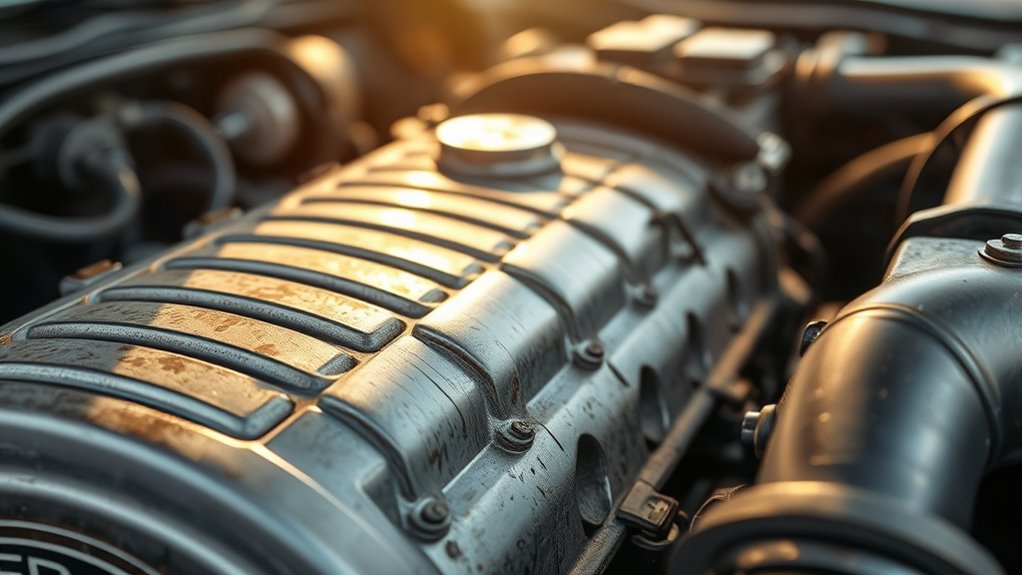
If your engine shakes and you lose power, it could be caused by misfires, worn spark plugs, faulty ignition coils, clogged fuel filters, or engine mounts that need tightening.
You might notice rough idling, vibrations, or dashboard warning lights.
Simple checks like inspecting spark plugs, fuel filters, and engine mounts can help identify the issue.
Keep an eye out for these signs—more tips on troubleshooting and fixing these problems are just ahead.
Key Takeaways
- Engine misfires from faulty spark plugs or ignition coils can cause shaking and lead to power loss.
- Clogged fuel filters or faulty injectors disrupt fuel delivery, which makes the engine run roughly.
- Worn engine mounts can cause vibrations and make driving feel unstable.
- Low coolant levels or overheating impair the engine’s performance and can reduce power.
- If you notice dashboard warning lights or your engine idles roughly, it’s time to get a professional diagnosis.
Why Does My Car Shake and Lose Power? Common Causes Explained
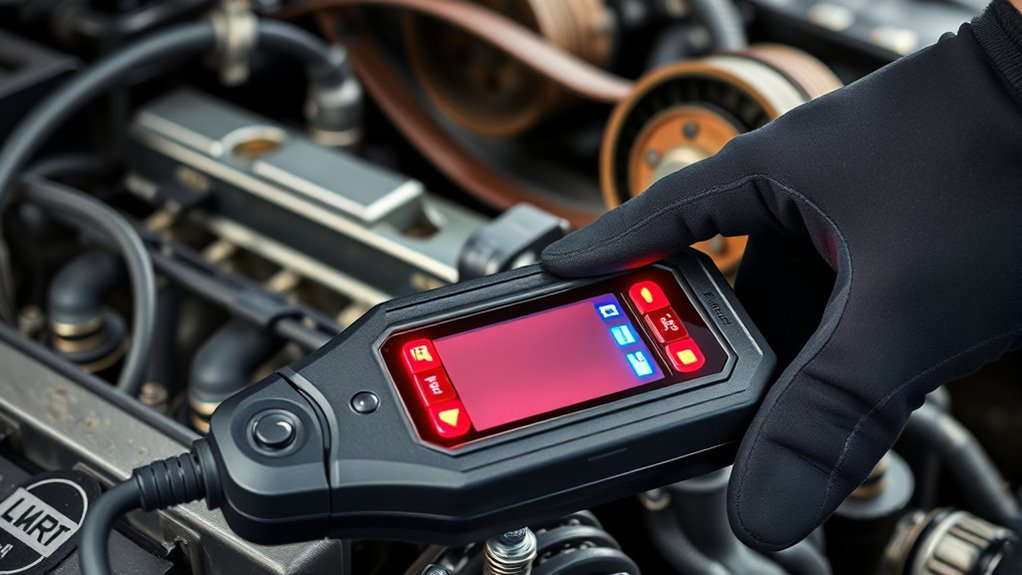
If your car is shaking and losing power, there’s likely an underlying issue that needs fixing. One common cause is an engine misfire, which happens when one or more cylinders fail to ignite properly.
This misfiring disrupts smooth engine operation, causing vibrations and reducing performance. You might also notice your fuel efficiency drops because the engine struggles to run efficiently.
An engine misfire can result from worn spark plugs, faulty ignition coils, or fuel delivery issues. Over time, these problems cause inconsistent engine firing, making your car shake and lose power during acceleration or at idle.
Ignoring these signs can lead to more severe engine damage and higher fuel consumption. Fixing an engine misfire early helps restore smooth driving and improves fuel economy.
Regular maintenance and timely diagnostics are essential to keep your engine running reliably and efficiently.
How Can I Tell If My Engine Is Shaking Because of a Problem?
You can often tell if your engine is shaking because of a problem by watching for specific signs and patterns. If your engine vibrates a lot or randomly during idling or driving, that might point to an issue.
Spark plug problems are a common cause; rough or misfiring spark plugs can cause uneven combustion, which can make the engine shake. Likewise, issues with the fuel system, like clogged filters or faulty injectors, can disrupt fuel delivery and lead to vibrations.
Spark plug issues and fuel system problems can cause engine shaking and uneven performance.
Listen for unusual engine noises or a noticeable roughness when you accelerate or cruise. If the shaking gets worse over time or is accompanied by symptoms like stalling, it’s a sign something’s wrong.
Also, keep an eye on your dashboard for engine warning lights. Ignoring these signs could lead to bigger problems, so it’s important to identify if spark plug issues or fuel system concerns are causing the shaking early.
Diagnosing Power Loss: Easy Checks You Can Do
Power loss can often be diagnosed through a few simple checks before seeking professional help. Start by inspecting your engine coolant levels. Low coolant can cause overheating and reduce performance, leading to power loss. Make sure the coolant reservoir is filled to the recommended level and look for any leaks.
Next, check your spark plugs. Worn or dirty spark plugs can cause misfires, engine hesitation, and a loss of power. Remove and examine the spark plugs for signs of wear, carbon buildup, or damage. If they seem worn out, replacing them might help restore smooth engine operation.
Also, listen for irregular engine sounds or rough idling. These could indicate ignition problems. Performing these easy checks can help you identify common causes of power loss and save you time and money.
If these checks don’t fix the issue, it’s best to consult a professional. This way, you can avoid causing further damage to your engine.
DIY Fixes for Engine Vibrations and Weak Performance
Engine vibrations and weak performance often come from simple, DIY-friendly fixes you can try yourself before going to a mechanic. One common cause is worn or loose engine mounts. If your engine feels shaky or moves too much, check the mounts and tighten or replace them if needed. This quick fix can really cut down on vibrations and make your ride smoother.
Also, take a look at your fuel system for clogged fuel filters or dirty injectors. Cleaning or replacing these parts can boost fuel efficiency and bring back your engine’s power. Make sure your spark plugs are clean and properly gapped, since worn plugs can cause misfires and rough running.
Keeping your air filter clean is key to proper airflow, which helps maximize fuel efficiency. Regularly checking and maintaining these basic parts can make a noticeable difference in engine vibrations and overall performance. It’s a simple way to avoid unnecessary trips to the mechanic and keep your vehicle running smoothly.
When Should I See a Mechanic for Engine Troubles?
Recognizing when to see a mechanic for engine troubles is important because some issues can get worse if you ignore them. If your engine keeps shaking or suddenly loses power, it’s time to get it checked out. Keep an eye on warning signs like dark or dirty engine oil, which can point to oil problems affecting engine performance.
Unusual muffler noises, especially if they get louder or irregular, could signal exhaust or engine issues that need professional attention. Also, if you notice rough idling, stalling, or dashboard warning lights, don’t wait to have it looked at.
You should visit a mechanic if you see ongoing engine shaking or vibrations that get worse over time. Changes in the color or level of your engine oil might suggest leaks or other problems. Frequent or loud muffler noises that don’t improve even after simple fixes are also signs you should get it checked.
Getting your engine inspected on time helps keep it reliable and can save you from costly repairs later on.
Frequently Asked Questions
Can Engine Shaking Be Caused by Transmission Issues?
Yes, engine shaking can be caused by transmission issues like transmission wear or a faulty torque converter. When transmission components wear out, they can create rough shifts and vibrations that affect engine stability.
A failing torque converter may cause engine shaking during acceleration or at idle. It’s a good idea to have a mechanic check your transmission to spot these problems early.
Fixing them quickly can prevent more damage and help your vehicle run smoother.
Does Engine Shaking Affect Fuel Efficiency?
Engine shaking definitely impacts your fuel efficiency. When your engine isn’t running smoothly, it can cause poor performance, leading to more fuel usage.
You might notice you’re refilling your tank more often, or your car feels less responsive. Addressing the cause of the shaking helps restore proper engine performance, which improves fuel economy.
Don’t ignore engine shaking. It’s a sign you need to get your vehicle checked and maintained. Fixing the issue can save you money and keep your car running smoothly.
Can a Dirty Air Filter Cause Power Loss and Vibrations?
A dirty air filter can cause serious power loss and vibrations, almost like your engine is fighting a losing battle against a clogged dam.
When the air filter gets clogged, it sharply restricts airflow, making it harder for your engine to breathe. This airflow restriction causes the engine to work overtime, resulting in rough idling, vibrations, and a drop in power.
Replacing a dirty air filter restores proper airflow, helping your engine run smoothly and efficiently again.
Are Engine Mounts Responsible for Shaking and Performance Problems?
Engine mounts keep your engine securely in place and help reduce vibrations. If they start to wear out or break, you’ll likely notice shaking and performance problems.
Faulty engine mount sensors can cause the engine to move improperly, which can lead to more vibrations and even power loss. If your mounts are worn, replacing them is necessary to keep things running smoothly.
Regularly checking your engine mounts can help you spot issues early. Catching problems before they get worse can prevent serious damage and stop persistent shaking in its tracks.
How Does Cooling System Failure Impact Engine Vibrations?
Cooling system failure can cause engine vibrations because a coolant leak or thermostat malfunction leads to engine overheating. When the engine gets too hot, metal parts expand unevenly, which can create vibrations.
A coolant leak lowers coolant levels, making it harder for the engine to dissipate heat. Meanwhile, a faulty thermostat blocks proper coolant flow. Both problems put extra strain on engine parts and can cause shaking.
This shaking can also lead to performance issues if not addressed. Fixing coolant leaks and thermostat problems helps keep the engine running smoothly without unnecessary vibrations.
Conclusion
If your engine’s shaking and losing power, don’t ignore the signs—think of your car as a heartbeat, a vital rhythm that needs attention.
By understanding the causes and doing simple checks, you can keep the engine running smoothly.
When things get more serious, a mechanic isn’t just a quick fix—they’re the conductor restoring harmony.
Stay alert, and your car will keep performing its symphony miles down the road, preventing Engine Shaking and Loss of Power.