Why Does My Car Make a Grinding Noise When Turning Right But Not Left? Expert Tips & Solutions
Having your car make a grinding noise when turning right can be both frustrating and confusing. Many drivers struggle with this issue, wondering what’s causing the noise and how to fix it. If you’re experiencing this problem, you’re not alone—it’s a common concern that can often be resolved with some quick inspections and simple repairs.
If your car grinds when turning right but not left, it’s likely due to worn or damaged steering or suspension parts like tie rods, wheel bearings, or CV joints. Low or contaminated power steering fluid can also cause noise during right turns.
Uneven tire wear or misalignment may contribute, too. Regular inspections and quick fixes can often resolve these issues.
Continue exploring to uncover detailed tips and solutions to stop the grinding sound for good.
Key Takeaways
- Worn or damaged steering parts like tie rods or the rack and pinion often cause grinding when you turn right.
- Low or dirty power steering fluid can increase friction, which may lead to noise mainly when turning right.
- Worn or damaged wheel bearings might produce grinding sounds that get worse during right turns.
- Misaligned suspension or uneven tire wear can also create grinding noises when steering right.
- Problems with CV joints or suspension parts tend to cause grinding sounds specifically during right turns, not left.
Why Does My Car Grind When Turning Right?
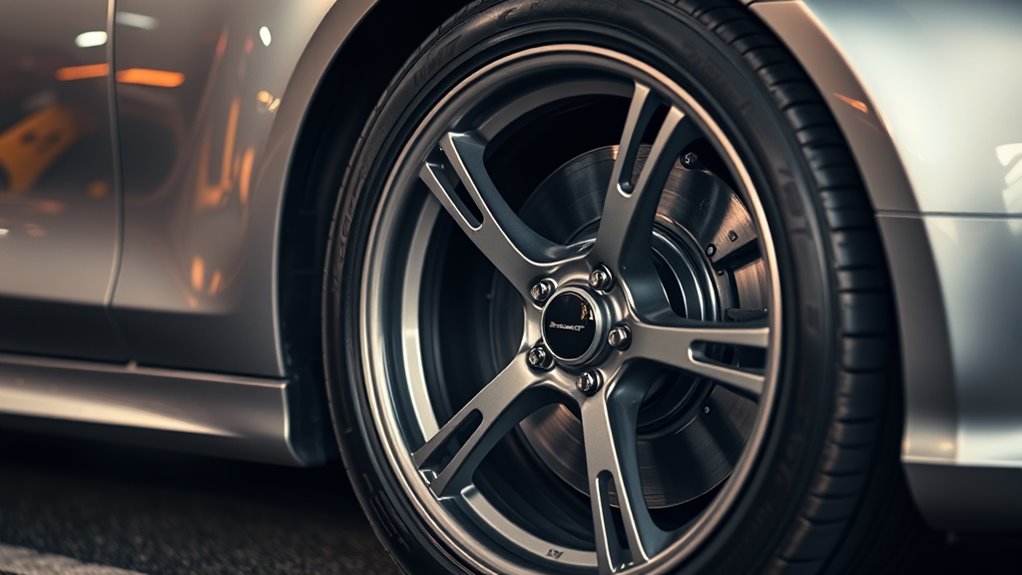
If your car grinds only when turning right, it’s probably a steering or suspension issue. One common reason is uneven tire tread wear, which can cause more resistance when you turn and create that grinding noise.
Check your tires for uneven tread patterns; bald spots or irregular wear can make steering less smooth. Also, a worn or damaged steering rack or suspension parts like ball joints or tie rods might be to blame.
Inspect your tires for uneven wear, bald spots, or damage to steering components like ball joints and tie rods.
If you hear engine rattle along with the grinding, there could be a bigger mechanical problem affecting your drivetrain or power steering. It’s best to start by inspecting your tires and suspension since these are the easiest parts to check.
Ignoring these issues can cause more damage and make driving unsafe. Regular maintenance and quick repairs will keep your steering responsive and your ride smooth.
Common Causes of Grinding Noise When Turning Right
When your car starts making a grinding noise when you turn right, it can be pretty concerning. Usually, it’s something with the steering or suspension, but there are a few common culprits to consider. Worn steering components are a big one—over time, parts like the tie rods or rack and pinion can wear out and cause that grinding sound as you turn.
Another thing to check is the power steering fluid. If it’s low, your steering system might not be lubricated properly, leading to that grinding noise when you turn right. Sometimes, it’s as simple as a fluid top-off to fix the issue.
And don’t forget about the CV joints. Damaged or worn CV joints can create a grinding or clicking noise when you turn, especially to the right. If you notice the noise gets worse with sharper turns, it’s worth getting those checked out. Overall, paying attention to these areas can help you figure out what’s causing that unsettling sound.
Worn Steering Components
Poor steering fluid levels or contaminated fluid can also put extra stress on these components, leading to grinding noises during turns. Additionally, misaligned wheels often put uneven strain on the steering system, which can make the grinding sound worse when turning right.
If your wheel alignment is off, parts may rub or stress abnormally. To troubleshoot, check your steering fluid level and quality, and get a wheel alignment if needed. Addressing worn components early can prevent more damage and restore smooth, quiet steering.
Low Power Steering Fluid
This not only impacts your steering response but can also affect fuel efficiency, as your engine works harder to help you turn. Low fluid levels can also lead to uneven tire pressure, making steering issues worse.
Checking and topping off your power steering fluid regularly helps ensure smoother turns and decreases noise. Keep an eye on fluid levels, especially if you notice increased resistance or unusual sounds when turning right.
Maintaining proper fluid levels helps your steering system run efficiently, saves fuel, and prevents unnecessary tire wear.
Damaged CV Joints
| Symptom | Cause | Action |
|---|---|---|
| Grinding when turning | Worn CV joint | Replace the CV joint or the entire axle assembly. |
| Noise when using the parking brake | Parking brake dragging on the wheel | Adjust or repair the parking brake. |
| Vibrations from the exhaust | Contact or leak in the exhaust system | Inspect and repair the exhaust system. |
| Clunking sounds during turns | Damaged CV joint or axle | Have a mechanic inspect the axle. |
| Squealing noise | Worn CV joint or boots | Replace or repair the CV joint and boots. |
Which Steering Parts Can Cause Grinding When Turning Right?
When turning right, a grinding noise often points to issues with specific steering components that struggle to move smoothly. One common culprit is misaligned steering wheel alignment, which puts extra stress on parts like the steering rack or tie rods, causing grinding sounds.
Brake system issues can also contribute; if your brake pads are worn unevenly or calipers are sticking, they might grind against the rotors during sharp turns. Furthermore, steering rack damage or worn-out power steering components can create friction and noise when turning right.
If the steering column is misaligned or the steering linkage is loose, you’ll also notice grinding. These problems hinder smooth movement of your steering parts, generating that unpleasant noise.
To fix this, check for signs of uneven brake pad wear, damage to the steering rack, or loose connections. Proper diagnosis and timely repairs can restore a quiet, smooth turn.
Could Suspension Problems Be Causing Your Turning Noises?
Suspension issues can sometimes cause turning noises because they affect how your vehicle absorbs shocks and maintains stability during maneuvers. If your suspension is misaligned, it can create uneven wear on components, leading to grinding sounds when turning right.
Poor alignment changes how suspension parts interact, increasing noise as they struggle to move smoothly. Also, wheel bearing issues can be a culprit. Worn or damaged wheel bearings produce grinding noises that become more noticeable when turning because the load shifts to the affected bearing.
When the suspension isn’t working correctly or is misaligned, it can amplify these sounds or cause new ones to emerge. Regularly inspecting your suspension for signs of misalignment and listening for grinding noises can help you identify problems early.
Addressing suspension misalignment and replacing worn wheel bearings can restore smooth handling and eliminate turning noises, making your ride quieter and safer.
Is Power Steering System Trouble Leading to That Grinding Sound?
A grinding noise when turning right could point to a problem with your power steering system, especially if the sound gets worse when you turn.
One common cause is a leak in the power steering system, which lowers fluid levels and puts more strain on the system. When the fluid’s low, the power steering pump has to work harder, making that grinding or squealing noise.
It’s important to check for leaks around the pump or hoses. If you see a fluid puddle or notice your steering fluid is low, you might need to replace the steering fluid to get things back to normal.
Ignoring these issues can cause more serious damage, making steering harder and noisier. Regular inspections and timely fluid replacements can help prevent grinding sounds and keep steering smooth and responsive.
If the noise continues even after these steps, it’s a good idea to have a professional check it out. There could be a more serious problem with your power steering system.
Signs That Your Tie Rods or Ball Joints Are Worn Out
Worn-out tie rods or ball joints often show signs that your steering components are failing. One common indicator is uneven tire wear, which you might notice during regular tire rotations. If your tires look scalloped or feathered, chances are your suspension parts are worn.
You might also feel your steering is loose or that the car tends to wander, especially when turning right. Squeaking or clunking noises during turns are another red flag, signaling loose or damaged joints. Brake squealing could also be related, as worn components can cause misalignment that affects braking.
Additionally, if you notice vibrations in the steering wheel or a loose steering feel, it’s time to get your tie rods or ball joints checked. Ignoring these signs can lead to more suspension damage and can compromise your safety. That’s why it’s always best to address worn components promptly.
How to Diagnose Why Your Car Is Grinding When Turning Right
When your car makes a grinding noise only when turning right, it’s a clear sign that something in your steering or suspension isn’t working properly. Start by checking for tire imbalance, which can cause uneven wear and noise during turns.
Grinding noises when turning right may indicate steering or suspension issues needing inspection.
Run your hand around each tire to feel for unevenness or vibrations. If everything feels normal, look at your exhaust system—loose or damaged components can rattle and create noise when you turn.
Lift your hood and listen for any metallic clangs or rattles near the exhaust pipes. Also, inspect for loose brackets or mounting points. Finally, consider road surface conditions; sometimes debris lodged in the wheel area or undercarriage can cause grinding sounds only when turning right.
If you notice any abnormalities, it’s best to see a mechanic for a thorough inspection to find out the exact cause.
Step-by-Step: Inspecting Your Steering and Suspension Components
To properly inspect your steering and suspension components, start by securely lifting your vehicle using a jack and making sure it’s stable on jack stands. Once it’s raised, examine each part closely for any visible damage or looseness.
Check the tie rods, ball joints, and control arms for wear or play. While you’re at it, listen for any unusual wind noise—that can be a sign of a damaged seal or part.
Also, take a moment to check your tire pressure. Make sure all tires are inflated to the manufacturer’s specs since uneven pressure can cause steering problems and noise.
| Component | Inspection Tip | Warning Signs |
|---|---|---|
| Tie Rods | Wiggle side to side, feel for looseness | Excessive play, torn boots |
| Ball Joints | Lift vehicle slightly and test movement | Clunking sounds, looseness |
| Control Arms | Visually inspect for cracks or damage | Cracks, bending |
| Shock Absorbers | Push down on each corner and watch for bounce | Excessive bouncing, leaks |
Easy Fixes for Grinding Noises When Turning Right
A common cause of grinding noises when turning right is a problem with your steering or suspension components, like worn tie rods or ball joints. To fix this quickly, try these easy steps:
- Check tire pressure – Make sure all tires are at the right pressure. Uneven or low pressure can cause irregular wear and make noise.
- Inspect steering linkage – Look for loose or damaged tie rods and ball joints. Tightening or replacing them can often stop the grinding sounds.
- Examine wheel bearings – Worn wheel bearings are a common culprit during turns. If they sound worn, replacing them should fix the noise.
- Monitor engine temperature – Overheating can impact steering fluid and parts. Keep your engine cool to avoid making the problem worse.
These simple checks can help you identify and fix common causes of grinding noises when turning right. Remember to double-check your tire pressure and keep an eye on your engine temperature for the best results.
When Should You See a Mechanic About This Noise?
Ever notice the grinding noise when turning right that keeps happening, even after quick checks? If so, it’s time to see a mechanic. Ignoring this sound can put your safety at risk, especially if it gets worse or happens often.
Persistent grinding usually points to issues with your suspension, steering parts, or wheel bearings. These problems could lead to a serious failure if you don’t get them checked out. Sometimes, uneven or damaged tires could also be behind the noise, but a mechanic can figure out if that’s the case.
Don’t wait too long — early inspection ensures you stay safe on the road and helps you avoid costly repairs down the line. If the noise comes with vibrations, makes steering hard, or feels stiff, see a mechanic right away. Addressing it early keeps you safe and your vehicle in good shape.
Frequently Asked Questions
Can Tire Alignment Cause Grinding Noises When Turning Right?
Tire alignment can cause grinding noises when turning right if your tires aren’t properly aligned, affecting how they contact the road.
Incorrect tire pressure or rough road conditions can make this noise worse, especially when turning.
When your alignment is off, the tires wear unevenly, which can lead to grinding sounds during right turns.
Regularly check your tire pressure, and consider an alignment if you notice strange noises while turning.
How Does Wheel Bearing Wear Affect Turning Noises?
Think of your wheel bearing as the heart of your turning experience. When it wears out, it squeals like a ghost in the machine.
Worn wheel bearings cause grinding noises during turns, especially to the right, as suspension wear and CV joint noise mix in.
This looseness makes your steering feel rough or loose, warning you that your bearings need replacing.
Ignoring these signs could lead to more damage, so it’s best to take action before things get worse.
Are Brake Issues Responsible for Grinding Sounds Only When Turning Right?
Brake issues can cause grinding sounds when turning right if your suspension components or steering rack have worn or damaged parts. When you turn right, these parts put extra stress on the brakes, making the grinding noise more noticeable.
It’s a good idea to inspect your suspension and steering rack for any signs of damage or wear. Also, have your brakes checked to prevent further damage and ensure safe, smooth turns.
Can Aftermarket Parts Influence Steering Noise Problems?
Think of your car as a delicate dance partner—every part has to work together smoothly. Aftermarket modifications, especially suspension upgrades and steering parts, can sometimes introduce mismatched components.
If these parts don’t fit perfectly or clash with the factory systems, they might cause grinding or squealing when you turn. So, always make sure aftermarket parts are high quality and compatible.
Otherwise, you risk messing up your car’s smooth, symphonic motion and introducing unwanted steering noise.
What Role Does Steering Fluid Quality Play in Grinding Noises?
Poor quality or low steering fluid can cause grinding noises in your power steering system, especially when turning right.
When the fluid deteriorates or gets contaminated, it doesn’t lubricate the steering components properly. This can lead to metal-on-metal grinding sounds.
Always check your steering fluid level and condition regularly. Top up or replace it with the recommended type to keep steering smooth and avoid noise issues.
Conclusion
Remember, ignoring strange noises can lead to bigger, costly problems later on. If your car’s grinding noise happens when turning right, it’s best to get it checked sooner rather than later.
Think of it like fixing a leaky faucet—catching issues early saves you both time and money. Staying proactive helps keep your vehicle running smoothly.
Because when it comes to a grinding noise during right turns, addressing the problem early can prevent more serious damage down the line. A stitch in time really does save nine!