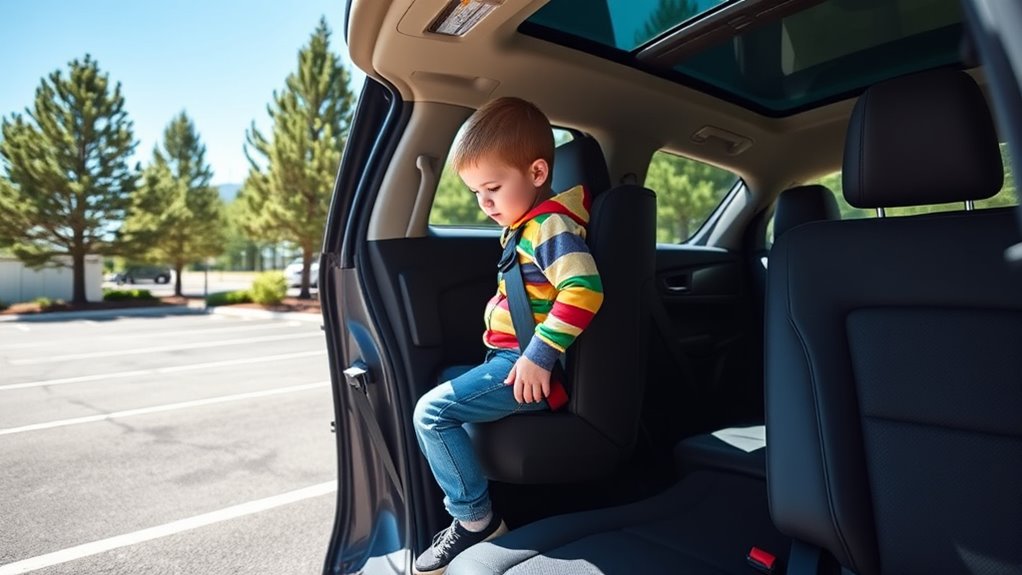
When Can You Stop Using a Car Seat? Key Safety Guidelines
Finding the right moment to stop using a car seat can be tricky for many parents. You’re not alone in wondering when your child is ready to switch to just a seat belt. It’s a big milestone, but aging out isn’t just about numbers — it’s about safety and comfort too.
You can stop using a car seat once your child exceeds your state’s legal age, weight, and height limits, and is developmentally ready for seat belts. Look for signs like proper seat belt fit and sitting upright without slouching.
Make certain the seat is installed correctly and your child is comfortable. Understanding manufacturer guidelines and safety tips helps guarantee a safe shift.
Keep going to get detailed tips for a safe and smooth switch.
Key Takeaways
- Stop using a car seat once your child exceeds the legal age, weight, or height limits set by local laws and the manufacturer’s guidelines.
- When your child can sit upright with a proper belt fit and has grown past booster seat size and weight limits, it’s time to switch to a seat belt.
- Make sure their shoulders are above the top strap and their ears are not over the seat when they outgrow the booster seat.
- Confirm your child can sit properly with a snug, correctly positioned seat belt across their chest and hips without slouching.
- Always follow the manufacturer’s instructions and safety recommendations before moving to seat belt use, not just legal requirements.
When Is It Legally Safe for My Child to Stop Using a Car Seat?
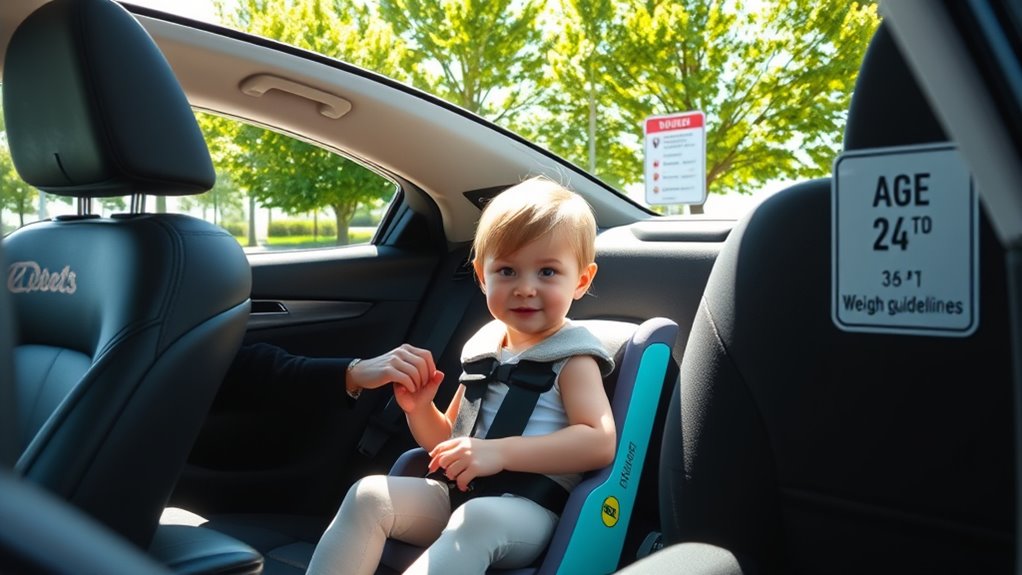
You can stop using a car seat once your child reaches the legal age and size requirements in your state.
It’s important to keep the car seat clean by regularly checking for debris or signs of wear, making sure it stays safe and comfortable for your child.
Many parents use accessories like booster cushions or padding to help their growing child stay comfortable.
Many parents add booster cushions or padding for their child’s comfort during car rides.
However, these should never compromise the safety or integrity of the seat.
When your child exceeds the height and weight limits set by the manufacturer, it is usually safe to move on from the car seat, but always check your local laws to be sure.
Keep in mind that each state has different rules, so staying informed helps you stay compliant.
Protecting your child during every trip means letting safety features adapt naturally as they grow, rather than rushing the process.
Proper hygiene and the right accessories are key parts of a safe and smooth transition.
What Are the Weight and Height Limits for Car Seats?
Understanding the weight and height limits for car seats is super important to keep your kiddo safe. These limits can be different depending on the seat model and brand, so it’s a good idea to always double-check the labels and instructions that come with your seat.
Sticking to these limits is key — it makes sure your child is protected and ready to move to the next stage of seating at the right time, keeping everything safe and snug during car rides.
Weight Limits Explanation
Ever wondered how to tell if your child is ready to move from their car seat? Checking weight limits is key. Car seat design and safety rules set specific weight thresholds, which vary by model.
Typically, harnessed car seats are suitable for children up to around 40 to 65 pounds. Once your child exceeds these limits, it’s time to switch to a booster seat or a seat belt.
Remember, each seat’s label clearly states the maximum weight your child should reach before changing. Ignoring these limits can compromise safety, as the seat won’t protect your child properly.
Always follow the manufacturer’s guidelines and safety regulations to ensure your child’s safety during every trip. Staying within weight limits helps keep your child protected as they grow.
Height Restrictions Details
While weight limits help you decide when to switch to a different car seat, height restrictions are equally important for your child’s safety. Most car seats list maximum height guidelines, usually between 49 to 57 inches, depending on the model.
When your child reaches this height, it’s time to move to a booster seat or another suitable restraint. During the car seat’s use, make sure your child is harnessed properly. The harness should be positioned at or just below their shoulders for rear-facing seats, and at their collarbone level for forward-facing seats.
Following height restrictions ensures the harness fits correctly, providing vital protection. Never go beyond the height limits, as an improper fit can compromise safety.
How Can I Tell If My Child Has Outgrown Their Booster Seat?
You’ll know your child has outgrown their booster seat when they no longer fit the seat’s height or weight limits. Check the manufacturer’s guidelines for specific measurements, and always verify the seat’s label confirms it’s still appropriate.
Here are the key signs:
- Your child’s shoulders are above the highest set of straps.
- Their ears are above the top of the booster seat.
- They can sit comfortably without slouching or leaning forward.
- They meet or exceed the weight and height limits outlined by the car seat certification standards.
What Developmental Milestones Show It’s Okay to Transition?
Certain developmental milestones can indicate that your child is ready to move out of a booster seat. When they can sit upright without support, maintain good posture, and keep their back against the seat, those are good signs they might be ready.
If they can comfortably use the vehicle’s seat belt properly, lying flat across the chest and low over the hips, they’re probably prepared for a seat belt alone. These cues help you decide when it’s safe to make the switch.
Think about safety and comfort as well. For example, choosing car seats made of breathable materials and colors that appeal to your child can encourage correct use.
Here’s a quick checklist to keep in mind:
| Milestone | Indicator | Recommendation |
|---|---|---|
| Sit without support | Child sits upright unaided | Ready to evaluate transition options |
| Proper seat belt fit | Seat belt lies flat across chest | Transition to seat belt required |
| Comfort with materials | Child feels comfortable and supported | Consider car seats with suitable features |
These cues, along with your child’s physical development, signal when they can safely transition out of a booster seat.
At What Age Is It Usually Time to Switch to Seat Belts?
Most kids are ready to switch to just using seat belts when they’re between 8 and 12 years old. But remember, every child grows at a different pace, so it’s really about their development. Keep an eye out for some signs that they’re ready, like sitting up straight without slouching, keeping their knees bent comfortably at the edge of the seat, and understanding why seat belts are important.
When you start noticing these signs, it’s usually a good time to let them ride with just the seat belt on. Just make sure they’re comfortable and know how to wear it properly—that’s the key to keeping them safe.
Suitable Age Range
Knowing when to switch from a car seat to just a seat belt mainly depends on your child’s age, size, and maturity.
Usually, kids are ready when they can sit up straight and the seat belt fits correctly.
To know if it’s the right time, check these signs:
- Your child has outgrown the weight and height limits of their car seat.
- The seat belt fits snugly across their lap and shoulder, not their neck or stomach.
- They can sit still and upright for the whole trip.
- The vehicle’s seat and seat belt system fit your child’s size.
Always double-check these signs before making the switch, and ensure the seat belt is positioned correctly for safety.
Growth and Development Signs
As your child grows and develops, their size and behavior are good signs they’re ready to move out of a car seat and start using the seat belt alone. Keep an eye on their shoulders reaching the top of the harness slots or outgrowing the height and weight limits.
When they can sit up straight with their back against the seat and their knees bend comfortably over the edge, it’s probably time to make the switch. Kids love showing off their favorite car seat patterns, but as those fade, proper seat belt fit is still really important.
Make sure the seat belt fits snugly across their chest and hips without riding up or causing discomfort. This ensures they stay safe and comfortable as they grow.
How Do I Safely Transition My Child to Seat Belts?
Switching your child from a car seat to a seat belt is an important step that needs careful attention to safety rules. First, check that your child’s height and weight meet the requirements set by your local child restraint laws.
Once you’re ready, follow these simple steps:
- Check the seat belt fit: The lap belt should sit snugly across your child’s upper thighs, not their stomach. The shoulder belt should run across the shoulder and chest, not the neck or face.
- Adjust the seat: Make sure the seat belt isn’t twisted and that the seat’s position allows for a proper fit.
- Confirm seat belt installation: Buckle the seat belt tightly, leaving no slack.
- Teach your child: Explain how to buckle up properly and remind them to sit upright at all times during the trip.
Following these steps keeps your child safe and ensures you’re following child restraint laws.
What Common Mistakes Should I Avoid When Moving Up?
One mistake a lot of people make is not making sure the car seat is positioned just right. If it’s not installed correctly, your child’s safety could be at risk. Also, don’t forget to pay attention to the weight limits. Moving your child to a bigger seat too soon might not be safe.
It can be tempting to rush the process, but it’s really important to wait until your child fully meets all the requirements. Taking your time and doing it right can make all the difference for their safety.
Incorrect Seat Positioning
Have you ever noticed that improper seat positioning can compromise your child’s safety when shifting to a bigger car seat? Incorrect seat positioning is a common mistake that can reduce protection. To avoid this, focus on these steps:
- Make sure your child’s hips are against the seat back, with the harness snug and at arm level.
- Adjust the seat so that the harness lies flat without twists, ensuring a secure harness installation.
- Keep the child’s head and neck aligned properly, avoiding slouching or leaning forward.
- Confirm the seat is at the correct angle, especially for infants, to prevent slumping and maintain airways.
Proper seat positioning is essential for safety, so double-check that the harness fits well and the seat is installed correctly before every trip.
Ignoring Weight Limits
Moving your child to a bigger car seat is an exciting milestone, but it’s important to respect the weight limits set by the manufacturer. Ignoring these limits can compromise both the installation and your child’s safety.
When a seat exceeds its weight capacity, it might not protect your child properly during a crash. The seat might also not fit correctly, affecting their comfort.
Always check the label or manual for the maximum weight. Don’t rush to move to the next seat just because your child looks ready.
Moving up too early can cause a poor fit and increase the risk of injury. Keep safety as your top priority and use each seat within its specified weight range before progressing.
Rushing Car Seat Transition
Progressions happen when your child is ready, but rushing the process can lead to safety risks. Car seat design caters to specific age and size guidelines, so moving too early bypasses these safety features.
To avoid common mistakes:
- Ignore height and weight limits—trust the manufacturer’s recommendations.
- Choose a seat with the right fit based on your child’s growth, not just age.
- Switch seats prematurely because of impatience or convenience, neglecting safety.
- Overlook the importance of proper installation and adjustment, which can compromise protection.
Parenting habits like rushing changeovers can jeopardize your child’s safety. Always prioritize data from car seat design and wait until your child is fully prepared physically and developmentally for the next stage. Patience now assures safety later.
What Do Car Seat Manufacturers Recommend About Transitioning?
Car seat manufacturers provide specific guidelines to guarantee your child’s safety during changes. They base their recommendations on current car seat technology, research, and safety standards.
Most manufacturers suggest that your child remains in a forward-facing harness seat until they surpass the height or weight limits specified by the manufacturer. Once those limits are reached, shifting to a booster seat is usually appropriate—again, following the specific guidelines on height and weight.
Children should stay in forward-facing seats until they exceed height or weight limits, then transition to a booster seat safely.
Manufacturers also emphasize that parental preferences should align with safety recommendations, not just convenience or comfort. You should carefully read the product labels and instructions, as each car seat has unique parameters.
Ultimately, the manufacturer’s guidance helps ensure your child’s safety, durability, and proper restraint in your vehicle. This reduces injury risks. Trust their advice over age alone, and prioritize meeting or exceeding their specified limits before moving your child to the next stage.
How Do Legal Requirements and Safety Tips Compare?
While legal requirements set the minimum standards for child passenger safety, safety tips from experts often go beyond that to keep your child safe in different situations. Laws focus on age, weight, and height, but safety tips encourage extra caution.
You should:
- Follow your state’s laws to stay within legal boundaries, but also keep up with expert advice.
- Make sure your child’s car seat is installed properly, just like regular vehicle maintenance to avoid safety issues.
- Recognize that parenting humor can keep safety routines light, but it’s serious stuff—safety never takes a holiday.
- Remember, safety tips recommend using seat belts correctly and avoiding risky behaviors that laws might not cover.
In the end, balancing legal rules with expert safety tips helps you do everything you can to protect your child because some choices are just too important to leave to chance.
Tips to Ensure My Child’s Safety During the Transition
Changes can be tricky times for your child’s safety, especially when moving from one car seat stage to another. To make this transition smoother, focus on your child’s comfort and understanding.
Make the process fun by involving your child in choosing their new car seat or adding a favorite toy for familiarity, which can help ease any anxiety.
Always double-check your car maintenance—verify that the seat is properly installed and the harnesses are snug.
Take the time to educate your child on safety rules so they feel confident and are more likely to cooperate.
If possible, introduce new seat features gradually, step by step, to help your child adjust comfortably.
Regularly inspect the car seat for wear or damage and replace it if needed.
Consistent safety checks and positive reinforcement will help your child see the new seat as a secure and normal part of travel.
Staying proactive and attentive minimizes stress during this change, making sure your child’s safety stays the top priority.
Frequently Asked Questions
How Do I Know if My Child’s Car Seat Is Properly Installed?
You’ll know your child’s car seat is properly installed when it doesn’t move more than an inch side to side or front to back at the belt path.
Check the car seat’s age because older models might need updates or replacements. Always follow your local laws about when and how your child should switch to a different seat.
Use the vehicle’s LATCH system or seat belts, and double-check everything according to the manufacturer’s instructions.
Are There Specific Signs That Indicate My Child Is Ready to Stop Using a Car Seat?
Around age 8 to 12, most children outgrow their car seats because kids make up about 50% of passenger vehicle injuries in crashes.
You’ll know your child is ready when they reach certain age milestones and show behavioral signs like sitting still, keeping their back against the seat, and using the seat belt properly without help.
If they meet these signs, you can think about switching to a different safety method, but always make sure to follow all safety guidelines.
Can I Use the Same Booster Seat for Multiple Children?
You shouldn’t use the same booster seat for multiple children because they’re designed for specific weight and height ranges.
Sharing seats isn’t recommended because it can compromise the child’s safety and hygiene. It’s best to make sure each child has a booster seat that’s the right fit for their age.
Always check the manufacturer’s guidelines for compatibility, and prioritize safety when switching booster seats between children.
How Often Should I Check the Fit of My Child’s Safety Harness?
You should check your child’s harness adjustment before every trip. Keep in mind, the fit can change as your child grows or if clothing shifts.
Fit verification is essential; make sure the harness is snug and lies flat against your child’s chest. Don’t wait too long—reassess regularly to guarantee maximum safety.
A quick check now may prevent a dangerous misfit later, protecting your child every ride.
What Are the Risks of Transitioning to Seat Belts Too Early?
Moving to seat belts too early increases the risk of injury, especially if your child’s size doesn’t yet allow for a proper lap and shoulder belt fit.
Switching too soon can mean they aren’t properly restrained, which can lead to more severe injuries in a crash.
Kids should stay in car seats or booster seats until they meet height and weight requirements.
Rushing the move puts them at unnecessary risk.
It’s best to wait until they’re big enough for the seat belt to fit correctly and safely.
Conclusion
When your child outgrows their car seat, it’s a big milestone—kind of like reaching the top of a safety mountain.
Always follow legal guidelines and manufacturer recommendations. Keep an eye on their size and developmental steps.
Rushing to switch seats can turn every drive into a risky adventure.
Stay alert, put safety first, and remember: the most important journey is keeping your child protected.
Your careful choices protect their future and make every ride safe and calm.
Knowing when to stop using a car seat is key to ensuring your child’s safety on the road.