Why Do Brakes Squeak Only When Reversing? Maintenance Tips & Solutions
Everyone who drives has probably experienced that annoying squeak when reversing—you’re not alone. Many people struggle with brakes that squeak only when reversing, which can be frustrating and confusing.
The good news is, this common issue often has simple causes and solutions.
Your brakes squeaking only when reversing often signals worn brake pads, rust buildup, or misaligned components. When you reverse, the uneven surface or debris between the pads and rotors can cause vibrations and noise.
Regular inspections, keeping parts clean, and ensuring proper alignment help prevent this issue.
If squeaking persists, it may be time to consult a professional.
Keep examining to uncover effective solutions and long-term tips for quieter brakes.
Key Takeaways
Worn brake pads or metal-to-metal contact often cause squeaking when reversing. Replacing the pads usually fixes this issue.
Rust buildup on rotors from moisture or salt can create uneven surfaces. These rough spots make noise when you reverse.
Dirt, debris, or a lack of lubrication between brake components increase friction. This can lead to squeals only noticeable when reversing.
Misaligned calipers or uneven pad wear cause vibrations and noise, which are more apparent when backing up.
Regular maintenance like cleaning, inspecting, and choosing quieter brake pad materials such as ceramic can help reduce reversing squeaks.
How to Tell If Your Brakes Are Squeaking Only When Reversing
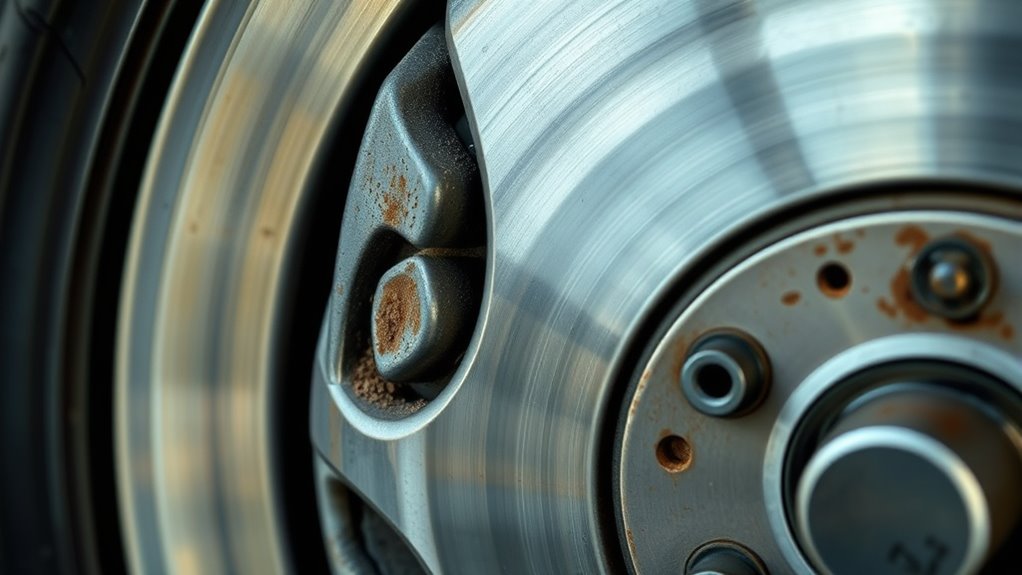
If your brakes squeak only when reversing, it’s important to pay attention to the sound and when it occurs. Usually, squeaking during reversing can be linked to issues with brake calipers or low brake fluid levels.
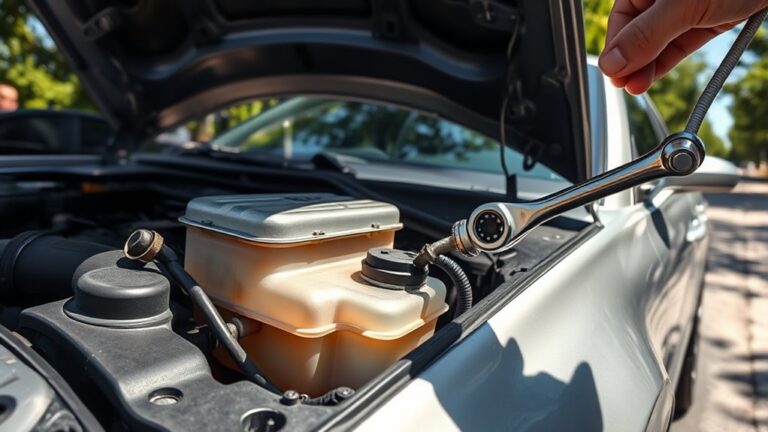
First, listen carefully to confirm that the sound happens only when you back up and not during forward driving. If it’s persistent, check the brake fluid level under the hood. Low fluid can cause calipers to stick or not engage properly, leading to squeaking.
Listen for squeaking only during reversing; check brake fluid to prevent caliper sticking and ensure smooth braking.
Next, inspect the brake calipers for signs of corrosion or uneven wear. These issues can cause noise when braking in reverse. Sometimes, dirt or debris lodged between the brake pads and rotor can also generate sound specifically when reversing.
Recognizing when the squeal happens—only during reverse—helps you identify a potential problem with brake components that need maintenance. This could include adjusting the brake calipers or topping up the brake fluid.
What Causes Brake Squeaking During Reversing?
When you hear that squeaking noise while reversing your car, it could be due to a few common reasons. One possibility is worn brake pads—they get thinner over time and can start making noise when you brake in reverse.
Another cause might be rust buildup on the rotors, especially if your car has been sitting unused for a while. That rust can cause squeaking as the brake pads scrape against it.
Sometimes, it’s just a matter of insufficient lubrication of the moving parts within your braking system. Without proper lubrication, those parts can create friction and noise when you brake backwards.
Figuring out which of these issues is causing the squeak can help you choose the right fix to keep your brakes quiet and functioning well.
Brake Pad Wear
Have you noticed your brakes squeal when reversing? This can often mean your brake pads are worn out. Over time, pads become thinner, which can cause metal-to-metal contact and create squeaking sounds.
If you skip checking your brake fluid or neglect inspecting the rotors, uneven wear might happen faster, making the noise worse. Worn pads can also make your brakes less effective.
To understand the causes better, check out the table below:
| Issue | Effect | Solution |
|---|---|---|
| Thin brake pads | Squealing during reversal | Replace brake pads |
| Uneven pad wear | Irregular noise | Regular rotor inspections |
| Contaminated brake surface | Metal grinding sounds | Clean or replace pads |
Keeping up with proper maintenance will keep your reversing smooth and your brakes lasting longer.
Rust Accumulation
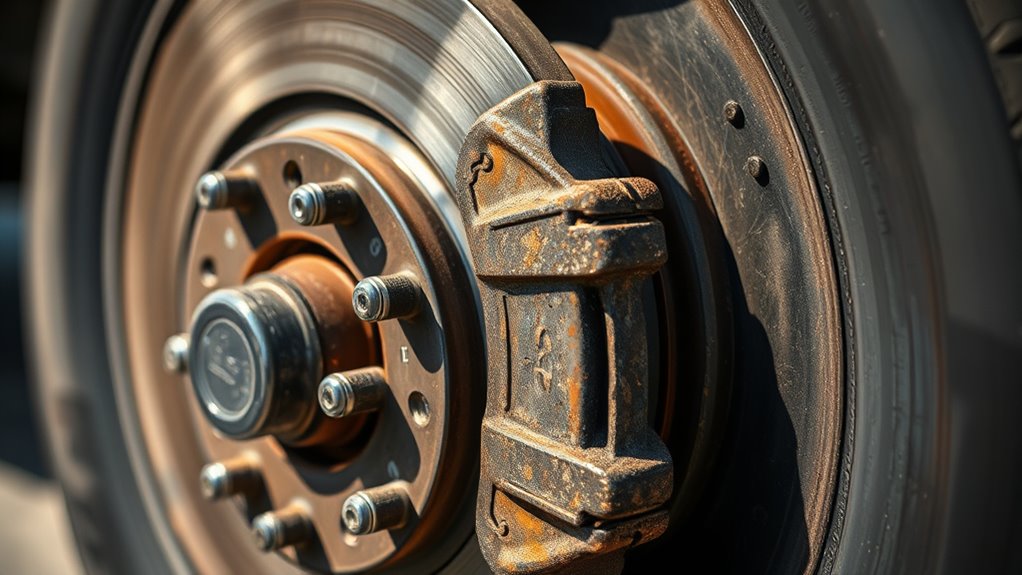
Rust buildup on brake components can also cause squeaking when reversing. Over time, moisture and road salt can lead to rust forming on brake rotors, calipers, or other parts.
This rust creates an uneven surface that increases brake noise, especially during reverse motion. The rust particles can act like tiny grains, causing friction and vibration, which you hear as squeaking.
When you brake in reverse, the brake pads scrape against these rusted surfaces, leading to the classic brake noise. This problem is common if you don’t drive your vehicle often or live in areas with high humidity or salty roads.
Regular inspection and cleaning of the brake components can help reduce rust buildup and prevent squeaking caused by this issue.
Insufficient Lubrication
Insufficient lubrication of brake components can cause squeaking when reversing because the moving parts don’t glide smoothly against each other. When brake calipers aren’t properly lubricated with brake fluid or body lubricants, metal-on-metal contact creates noise.
Without enough lubrication, the brake pads might stick slightly, leading to squeaks during reversing. Regularly check your brake calipers and make sure they’re well-lubricated to prevent this issue.
Keep an eye on your brake fluid level and use the right lubricants recommended by your vehicle’s manufacturer. Proper lubrication reduces friction and helps brake parts move freely.
If your brakes squeak when reversing, inspect the calipers and reapply lubrication if needed. Maintaining adequate lubrication not only minimizes noise but also helps your braking system last longer.
How Does Worn Brake Pads Contribute to Reverse Squeals?
Worn brake pads are a common cause of squealing when reversing because the metal backing plate can become exposed as the friction material wears down. This metal contact creates vibrations that produce high-pitched squeals.
When brake pads wear unevenly, they can affect wheel alignment, making brakes less effective and more prone to noise. If you haven’t checked your brake fluid recently, low or dirty fluid can make braking issues worse, though it’s not a direct cause of squealing.
However, maintaining proper brake fluid levels guarantees smooth operation. As the pads wear, the increased metal-to-metal contact can cause hot spots, which can amplify squeals, especially when reversing.
Regularly inspecting pad thickness and replacing worn pads helps prevent these sounds. Proper wheel alignment also reduces uneven pad wear, lowering the chances of reverse squeals caused by worn pads.
Good maintenance keeps your brake system quieter and more reliable overall.
Can Dirt and Debris Make Your Brakes Squeak When Reversing?
Dirt and debris can definitely cause your brakes to squeak when reversing, especially if they build up around the brake parts. Tiny particles like dirt or grit from the road can get stuck between your brake pads and rotors, creating friction and noise.
If you don’t keep your brake fluid maintained, moisture or dirt can contaminate it, which can make braking less effective and increase the chances of squealing. Also, poor wheel alignment can cause uneven tire wear, making debris easier to settle around the brake area.
When debris gets trapped there, it can stop your brake pads from seating correctly against the rotor, leading to squeaking when reversing. Regular cleaning of your brakes and checking for debris buildup can help prevent those noise issues.
Making sure your wheels are properly aligned helps reduce unnecessary debris accumulation. These simple steps keep your brakes quiet and smooth when reversing, saving you time and money on repairs.
Are Your Brake Components Misaligned? How It Causes Reverse Noise?
Misaligned brake components often cause squeaking when reversing because they prevent the brake pads and rotors from making proper contact.
When brake calipers aren’t aligned right, they push unevenly on the rotor, leading to vibrations and noise during reverse movement.
Properly adjusting the brake calipers ensures even pressure and smooth contact with the rotor, which can reduce reverse squeal.
Regularly inspecting caliper positioning and replacing worn parts can fix misalignment issues.
Remember, keeping brake fluid at the right level and within quality standards helps maintain caliper function and prevents unnecessary noise.
Well-aligned brake components work together to ensure quiet, effective braking both forward and in reverse, saving you from annoying squeaks and costly repairs later.
Do Certain Brake Pad Materials Squeak More in Reversing?
Certain brake pad materials are more prone to squeaking in reverse than others, mainly because of what they’re made of and how they create friction.
For example, organic brake pads, which are softer, often squeak more because they tend to stick or vibrate when you brake backward. Metallic pads with more friction material can also squeal more due to increased contact.
On the other hand, ceramic brake pads are usually quieter since they vibrate less and produce fewer reverse squeal factors. The kind of brake pads you have affects how they interact with the rotor when reversing and influences noise levels.
If your brake pads contain certain additives or are more abrasive, you’ll probably hear more squeaking when braking backward. Knowing your brake pad material helps you choose replacements that cut down on noise and make reversing smoother and quieter.
How Regular Brake Inspections Can Prevent Squeaks When Reversing
Regular brake inspections are a great way to catch worn-out parts before they start squeaking when you reverse. Think of it like giving your car a little check-up — it helps spot tiny issues early on. When you stay on top of these inspections, you’re actually preventing small problems from turning into bigger, more expensive ones later on.
Routine Inspection Benefits
Scheduling routine brake inspections is one of the best ways to catch issues before they cause squeaks when reversing. Regular checks help ensure your brake fluid stays at the right level and stays free of contamination, which can prevent uneven braking noises.
Inspections also let you verify that brake calipers are working properly, avoiding uneven wear that can lead to squeaking.
To see why this matters, take a look at the following:
| Inspection Aspect | Potential Issue | Result if Ignored |
|---|---|---|
| Brake fluid | Low or dirty | Reduced braking efficiency and squeaks |
| Brake calipers | Sticking or uneven wear | More noise when reversing |
| General wear | Brake pad deterioration | Squealing and squeaking |
Regular inspections catch these problems early and help reduce reversing squeaks.
Identifying Worn Components
Worn brake components are a common cause of squeaking when reversing, but catching these issues early is simple with routine inspections.
During these checks, look for signs like uneven brake fluid levels or contaminated brake fluid, which can impair braking and cause noise. Also, examine the rotor surface for discoloration—blue or purple hues indicate excessive heat from wear or brake dragging.
These signs suggest worn pads, damaged rotors, or caliper issues that should be addressed promptly. If you notice any of these indicators, don’t delay having a professional evaluate your braking system.
Regular inspections help you spot deterioration before it gets worse, reducing squeaking when reversing and keeping your vehicle safe and performing well.
Early Problem Prevention
By doing regular brake inspections, you can catch issues early before they cause squeaking when reversing. During these checks, look at your brake fluid level and quality since low or contaminated fluid can cause uneven pad contact and noise.
Inspect the rotors for signs of wear or warping, which might mean you need rotor resurfacing for smoother operation.
Regular brake checks help you spot worn parts before they lead to noise problems, saving you money on repairs later. Addressing small issues like uneven rotors or fluid leaks early on can stop squeaks from getting worse.
Staying on top of maintenance keeps your brakes in good shape, reducing the chance of squeak-related problems when reversing.
Prevention through regular vigilance is essential for long-lasting, quiet braking performance.
Simple Do-It-Yourself Fixes for Brake Squeaking in Reverse
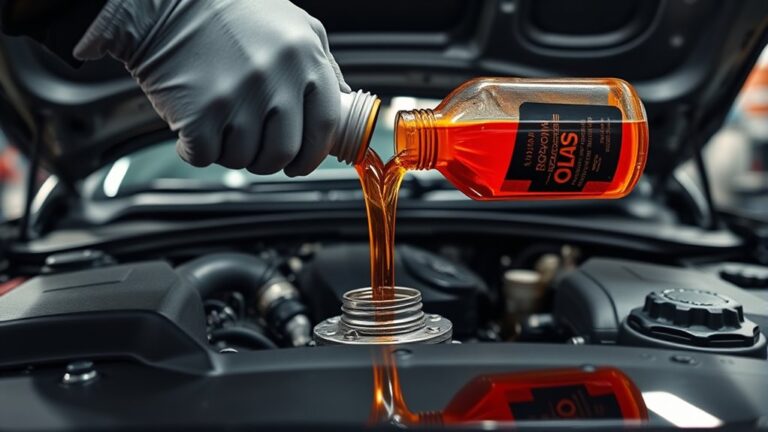
If your brakes squeak when reversing, a quick and simple DIY fix might be all you need to silence the noise. Start by checking your brake fluid level—low fluid can cause uneven braking and squeaks. If it’s low, top it off with the recommended brake fluid.
Next, inspect the rotor alignment; misaligned rotors can lead to squeaking when reversing. Use a wrench to gently realign them or seek professional help if needed.
Furthermore, applying a brake anti-squeal lubricant to the back of your brake pads can provide immediate relief. It helps reduce vibrations that cause noise.
Here are some simple fixes to try:
- Top off brake fluid to ensure smooth operation and prevent squeaks.
- Check and realign rotors to eliminate uneven contact.
- Apply anti-squeal lubricant to brake pads for quieter braking.
These quick steps can restore quiet braking during reversing, saving you time and money before considering professional repairs.
When Is It Time to See a Professional for Brake Reversing Noises?
While minor brake squeaking during reversing can often be fixed with simple DIY solutions, a point may come when the noise indicates a more serious issue needing a professional.
If the squeak persists even after cleaning or adjusting brake parts, it’s time to see a mechanic. Worn brake pads or uneven rotor surfaces could be causing the noise, and these often need rotor resurfacing to fix.
Low brake fluid levels might also impair braking, leading to squeaking when reversing. Ignoring these signals can cause more damage, increasing repair costs and risking safety.
If your brakes feel less responsive or the squeak gets worse over time, it’s best to have a professional diagnose the problem. A mechanic can check if your rotors need resurfacing and make sure your brake system works smoothly and safely during reversing and normal driving.
Tips to Keep Your Brakes Quiet When Reversing Long-Term
Keeping your brakes quiet during reversing over the long term requires regular maintenance and mindful driving habits. First, check your brake fluid level regularly because low fluid can cause uneven brake caliper function, leading to squeaks. Ensuring your brake calipers are clean and properly lubricated prevents sticking and reduces noise.
Inspect brake pads and rotors for wear to help prevent uneven contact that causes squeaking when reversing. To keep your brakes quiet, consider these tips: schedule routine brake inspections to catch issues early and keep components in top shape.
Use high-quality brake fluid to prevent corrosion and ensure smooth caliper movement. Practice gentle, steady reversing techniques to minimize stress on your brakes and avoid unnecessary squeaking.
Frequently Asked Questions
Can Driving Habits Influence Brake Squeaking When Reversing?
Yes, your driving habits can influence brake squeaking when reversing.
Frequent abrupt starts and stops or aggressive reversing put more wear and tear on your brake pads, which can cause squeaking.
Gentle reversing and smooth driving reduce stress on your brakes and help prevent noise.
Regular maintenance, like checking brake pads and discs, is also important.
Do Aftermarket Brake Parts Affect Reversing Squeal Differently?
You might notice more reversing squeal with aftermarket brake parts because of coincidence or compatibility issues. If your brake pad fit isn’t perfect or if rotor material differences aren’t considered, squeaks can happen.
Aftermarket parts often differ in quality, which can cause inconsistent contact and more noise. Making sure your brake components match and suit your rotor material can help reduce reversing squeal and boost overall brake performance.
How Does Cold Weather Impact Brake Squeaking in Reverse?
Cold weather can make your brakes squeak in reverse because it’s tough for brake pad wear to stay even in low temperatures. When it’s cold, moisture and ice can build up on the rotor surface, affecting the rotor’s condition.
These factors cause increased friction between the brake pad and rotor, leading to squeaking. To reduce noise, keep an eye on brake pad wear and maintain rotors properly, especially during winter months.
Are There Specific Brake Lubricants That Reduce Reversing Noise?
Yes, using high-quality brake lubricants designed for your brake pad materials can help reduce reversing noise. These lubricants decrease metal-on-metal contact and can protect against rotor corrosion, which often causes squeaking when reversing.
When applying the lubricant, make sure to coat the contact points lightly. Choosing the right lubricant for your brake components can significantly dampen squeaks and extend the life of your brakes.
This will make reversing smoother and quieter overall.
Does Parking on Inclined Surfaces Affect Reverse Brake Squeaks?
Ever wonder if parking on an inclined surface is secretly sabotaging your brakes? It could be, especially if your parking spot isn’t stable, causing slight shifts that make your reverse squeaks louder.
The brake pad material might also have trouble with uneven pressure, which can amplify the noise. So, next time you park, choose a flat, stable surface—your brakes will thank you, and your ears won’t have to suffer the squeal.
Conclusion
If your brakes squeak only when reversing, don’t ignore it—listen to your car. Regular inspections, quick DIY fixes, and professional help when needed can keep your brakes quiet and safe.
Remember, an ounce of prevention is worth a pound of cure. Stay attentive to odd noises, and you’ll save yourself time and money down the road.
After all, a squeaky wheel might get the grease, but squeaky brakes shouldn’t get ignored!