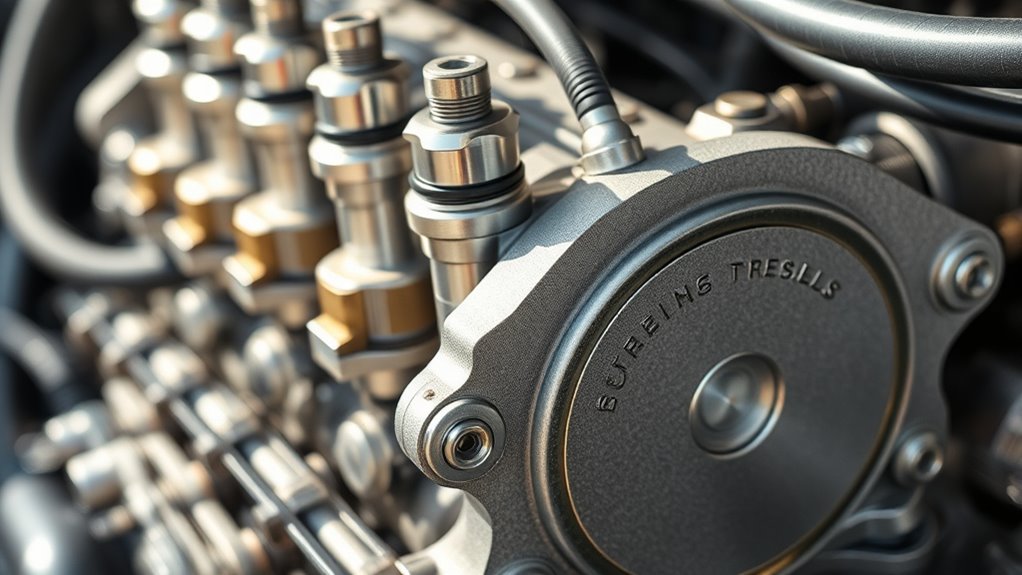
Exploring Different Types of Fuel Pumps in Diesel Engines: A Comprehensive Guide
Are you struggling to figure out which fuel pump is best for your diesel engine? You’re not alone—many people find the variety of options confusing and worry about choosing the right one for their needs. Finding a dependable, efficient pump can feel overwhelming, especially with so many types available.
In diesel engines, you’ll find various fuel pump types, including mechanical, electrical, common rail, inline, rotary, and plunger pumps. Mechanical pumps use camshafts to draw and pressurize fuel, while electrical pumps offer precise control and consistency.
Common rail systems deliver high-pressure fuel directly to injectors, improving efficiency. Inline and rotary pumps are known for their reliability and performance, especially in demanding applications.
To understand which pump suits your needs and how they operate, examine the details below.
Key Takeaways
- Diesel fuel pumps come in different types like mechanical, electrical, and more advanced options such as common rail and gear pumps. Each one is designed to meet specific engine needs.
- Mechanical pumps have camshaft-driven plungers, making them durable. But they do need regular maintenance. Electrical pumps, on the other hand, allow for precise flow control.
- Common rail and gear pumps can deliver high pressure and ensure reliable fuel delivery. This helps improve engine efficiency and cuts down on emissions.
- When choosing a pump, consider your engine’s specifications, the needed flow rate, pressure, and environmental rules you need to follow.
- Regular maintenance, proper installation, and calibration are key. They help extend the pump’s lifespan and keep your engine running smoothly.
What Are Diesel Fuel Pumps and How Do They Work?
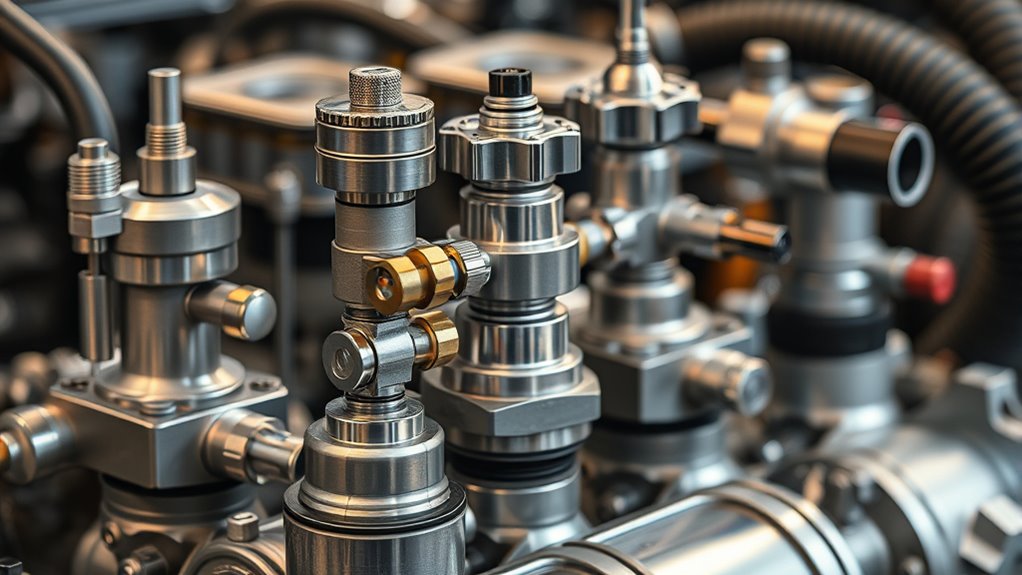
Diesel fuel pumps are key parts that send fuel from the tank to the engine at the right pressure for burning. They make sure the engine gets a steady flow of fuel, which is really important for smooth running.
Diesel fuel pumps ensure a steady, properly pressurized fuel flow for smooth engine performance.
Getting the fuel pump calibrated just right is vital because it ensures the correct fuel pressure and flow. If it’s not calibrated properly, your engine might perform poorly, produce more emissions, or even stall.
Over time, wear and tear can mean you need a new fuel pump to keep things running efficiently. When replacing a faulty pump, it’s important to install and calibrate it correctly to avoid leaks or low pressure.
Regular maintenance and quick replacements help keep your diesel engine reliable. Knowing how your fuel pump works helps you spot early signs of trouble, so your vehicle stays efficient and runs its best.
Comparing Types of Diesel Fuel Pumps: Mechanical, Electrical, and More
You’ll notice that mechanical fuel pumps work using a camshaft, which makes them pretty straightforward in design. But because of that simplicity, they can sometimes be less efficient than other types. On the other hand, electrical pumps are a bit more modern—they’re easier to install and provide better control, especially in newer engines.
That said, they come with their own set of challenges. Maintenance can be tricky sometimes because electrical components can fail or wear out over time. So, each type has its pros and cons depending on what you need from your fuel pump.
Mechanical Pump Operation
How exactly does a mechanical fuel pump work in a diesel engine? It uses a cam-driven plunger that moves in and out, creating suction to draw fuel from the tank.
Then, the pump pushes fuel through delivery valves directly to the engine’s injectors. Proper fuel pump calibration ensures consistent fuel flow regulation, which is essential for peak engine performance.
This system is simple, durable, and reliable, but it needs precise maintenance to work at its best. Below is a table highlighting the key aspects:
Electrical Pump Advantages
What makes electrical fuel pumps advantageous in diesel engines? Their ability to provide consistent fuel delivery makes them a preferred choice in modern fuel systems. Unlike mechanical pumps, electrical pumps are electronically controlled, allowing precise regulation of fuel flow. This improves engine performance and efficiency.
During fuel pump manufacturing, engineers design these pumps to be compact, reliable, and durable, which reduces downtime. The flexibility of electrical fuel pumps helps incorporate advanced fuel delivery systems that enhance overall engine control.
They also make fuel pressure regulation easier and enable quick startup, especially in cold conditions. Overall, electrical pumps streamline fuel delivery, boost responsiveness, and easily adapt to different engine demands. That makes them a crucial component in many diesel engine setups.
Pump Maintenance Challenges
While electrical fuel pumps offer precise control and reliability, maintaining them brings unique challenges compared to mechanical pumps. They are more sensitive to wiring faults, corrosion, and electrical failures, which can decrease their efficiency over time.
Proper installation is really important. Incorrect wiring or improper mounting can lead to overheating or early failure of the pump. Mechanical pumps are easier to service but often need more frequent adjustments and parts replaced because of wear.
Regular inspections are essential for all types of pumps to keep performance steady and prevent costly repairs. For electrical pumps, keeping wiring clean and connections secure helps boost their durability.
Understanding these maintenance challenges is key to keeping your diesel engine running smoothly and maintaining your fuel pump’s efficiency.
How Do Mechanical Diesel Fuel Pumps Operate?
Mechanical diesel fuel pumps work through a series of precise mechanical parts that draw fuel from the tank and push it to the engine under high pressure. They have a long history, dating back to early diesel engine designs, and have improved alongside fuel system innovations.
Inside, a camshaft turns a plunger or cam that moves back and forth, creating a vacuum that pulls fuel into the pumping chamber. As the plunger moves down, it pressesurizes the fuel, pushing it through delivery valves toward the engine.
The timing and amount of fuel delivered are controlled by mechanical linkages connected to the engine’s flywheel or cam gear. This simple operation makes them reliable, especially in older engines.
While newer fuel systems tend to use electronic pumps, mechanical diesel fuel pumps are still admired as a testament to early mechanical engineering and fuel system design.
Electrical Fuel Pumps in Diesel Engines: Benefits and Functionality
Electrical fuel pumps are now the standard in modern diesel engines, providing a reliable and efficient way to deliver fuel. They give consistent fuel pressure, which boosts engine performance and start-up reliability.
These pumps are compact, quieter, and easier to maintain than mechanical ones. Plus, they meet fuel pump regulations aimed at reducing environmental impacts, making your engine more eco-friendly.
Here’s a quick emotional snapshot of their benefits:
| Reliability | Eco-Friendliness | Efficiency |
|---|---|---|
| Your engine starts smoothly | Less pollution, cleaner air | Saves fuel, stretches your money |
| Less breakdown risk | Supports green initiatives | Boosts overall performance |
In essence, electrical fuel pumps help you meet environmental standards while enjoying smoother operation and reduced maintenance. This makes them essential for modern diesel engines focused on longevity and sustainability.
What Are Common Rail Fuel Pumps and How Do They Improve Performance?
Common rail fuel pumps are a key component in modern diesel engines, delivering precise amounts of fuel at high pressure directly to the engine’s injectors. This high-pressure system allows for better atomization of fuel, which improves combustion efficiency.
As a result, your engine runs more smoothly and consumes fuel more efficiently, enhancing overall fuel economy. Plus, common rail systems enable precise control over injection timing and quantity, helping meet strict emission standards.
By optimizing combustion, these pumps greatly reduce harmful exhaust gases and particulate matter. Unlike traditional pumps, common rail fuel pumps operate independently of engine speed, providing consistent pressure regardless of load.
This consistency not only boosts performance but also ensures cleaner emissions. If you’re after a vehicle that’s both powerful and environmentally friendly, a common rail fuel pump plays a crucial role in making that happen.
Gear-Type Diesel Fuel Pumps: When and Why to Use Them
If your engine needs high-pressure fuel delivery, gear-type diesel fuel pumps might be just what you need. These pumps are designed for heavy-duty applications and can handle tough operating conditions without breaking a sweat.
Knowing when and why to go for a gear-type pump can really make a difference in how your engine performs and lasts over time. They’re built to be reliable under demanding circumstances, making them a solid choice when everything rides on consistent, powerful fuel delivery.
Suitable for High-Pressure Needs
Have you ever wondered why gear-type diesel fuel pumps are preferred for high-pressure applications? These pumps efficiently deliver the precise pressure needed for fuel injection, making them ideal when your engine demands consistent performance.
When working with alternative fuel sources, maintaining proper pressure guarantees ideal combustion and helps adapt to various fuel types. High-pressure injection also improves fuel atomization, leading to more complete burning and reduced emissions.
Gear-type pumps excel in these scenarios because they generate reliable, steady flow under demanding conditions. This stability keeps engine operation smooth and efficient, even when switching between different fuels or working with advanced engine systems.
If you need a pump that handles high-pressure needs reliably, gear-type diesel fuel pumps are often the best choice.
Reliable in Heavy-Duty Use
Ever wondered why gear-type diesel fuel pumps are the go-to choice for heavy-duty applications? Their reliability under demanding conditions makes them indispensable in such environments.
Gear pumps are built to handle high volumes and pressures consistently, ensuring steady fuel flow even in rugged conditions. Their robust design makes them less prone to failure, providing peace of mind during long hauls or heavy equipment operation.
As fuel pump innovations advance, gear-type pumps continue to adapt with new materials and precision engineering. These future technologies improve durability and efficiency, making them a trusted choice for heavy-duty use.
When durability and consistent performance are critical, gear-type diesel fuel pumps remain unmatched. They reaffirm their crucial role in demanding industrial and transportation settings.
Inline Diesel Fuel Pumps: Applications and Advantages
Inline diesel fuel pumps are popular because of their high efficiency and reliable performance in many engine applications. They deliver fuel consistently, which helps improve engine performance and fuel economy.
This precise control allows for maximum power output while using less fuel, making engines run more efficiently. Plus, inline pumps have a simple design that’s easy to maintain and durable enough for long-term use.
They help achieve cleaner combustion, which reduces emissions and is better for the environment. Their straightforward operation makes them perfect for trucks, industrial machines, and agricultural equipment where reliability is key.
Rotary vs. Plunger Fuel Pumps: What’s the Difference?
You’ll see that rotary and plunger fuel pumps work in different ways on a mechanical level, and this impacts how they deliver fuel. These differences matter because they affect things like performance, efficiency, and whether a pump is a good fit for your engine’s specific needs. Knowing the key distinctions between them can really help you pick the right pump for your diesel engine.
Mechanical Operation Differences
Understanding how fuel pumps work is key to know how diesel engines deliver fuel. Rotary and plunger pumps operate differently to control fuel flow and efficiency.
With a rotary pump, imagine a camshaft spinning, making a rotor turn. This creates a steady flow through small chambers, giving smooth and continuous fuel movement.
On the other hand, a plunger pump uses reciprocating plungers that go up and down. They squeeze fuel through tight tolerances for precise delivery.
Picture a spinning rotor generating consistent fuel flow. Or strong plungers pressing fuel through narrow gaps. Mechanical parts work together for better efficiency.
Variations in fuel pressurization also shape how each pump performs. Each mechanism responds differently to the engine’s demands, affecting overall performance.
Performance and Efficiency
How do rotary and plunger fuel pumps compare in performance and efficiency?
Rotary pumps tend to run more smoothly, which can help improve fuel economy by providing steady fuel delivery. They’re also lighter and usually easier to maintain, but they might struggle to meet strict emission standards in high-demand situations.
Plunger pumps, on the other hand, deliver precise amounts of fuel at high pressure. This makes them more efficient for demanding engines because their accuracy helps optimize combustion. That can reduce emissions and keep you in line with regulations.
While plunger pumps are more complex and may need more maintenance, their ability to boost fuel economy and meet emissions targets often outweighs those downsides. Your choice affects engine performance, fuel savings, and environmental compliance.
Choosing the Right Fuel Pump for Your Diesel Engine
Selecting the right fuel pump is key to keeping your diesel engine running smoothly and efficiently. The right pump affects fuel flow, cuts down on noise, and ensures your engine gets a steady power supply.
When choosing a pump, think about flow rate, pressure, and how well it matches your engine’s needs. A good fit means consistent fuel delivery, fewer fluctuations, and less noise that might bother you or seem like something’s wrong.
Visualize the pump as the heartbeat of your fuel system:
- *A quiet hum as fuel circulates smoothly*
- *Vibrant pulses delivering fuel reliably*
- *A tough design to handle high pressure*
- *Compact enough to fit easily in your engine bay*
- *Made from durable materials that resist wear over time*
Troubleshooting and Maintenance Tips for Fuel Pump Longevity
Regularly inspecting and maintaining your fuel pump is key to keeping it running smoothly and making it last longer. A well-kept fuel system can help prevent pump failure, which often causes engine issues.
Start by checking for debris or contamination in the fuel, since dirt can clog the pump and decrease efficiency. Keep the fuel filter clean and replace it as your manufacturer recommends.
Listen for strange noises like whining or buzzing from the pump—these could mean wear or an impending problem. Also, check that fuel lines are intact and not leaking to keep proper pressure in the system.
Make sure electrical connections are secure and free of corrosion. These simple checks can reduce the risk of pump failure and help your diesel engine run smoothly.
Frequently Asked Questions
What Are the Signs of a Failing Diesel Fuel Pump?
If your diesel engine’s fuel pump is failing, you might notice some unusual fuel pump noises, like whining or sputtering sounds. You may also experience fluctuations in fuel pressure, which can cause your engine to misfire or run roughly at idle.
Another sign is having trouble starting your engine or noticing a sudden drop in power. You might also see your fuel efficiency decrease because the pump isn’t delivering fuel properly.
These signs suggest you should get the issue checked out quickly. Ignoring them could lead to more serious engine problems down the line.
How Often Should Diesel Fuel Pumps Be Replaced?
You should replace your diesel fuel pump based on its lifespan and performance. Regular maintenance can help extend its life, but most pumps last about 150,000 to 200,000 miles.
Pay attention to signs like engine hesitation or difficulty starting, as these indicate potential issues. To avoid breakdowns, schedule routine check-ups and follow the manufacturer’s recommended pump lifespan.
This approach ensures your diesel engine stays reliable and efficient over time.
Can Fuel Pump Type Affect Engine Fuel Efficiency?
Yes, the type of fuel pump can impact your engine’s fuel efficiency. Different pumps have varying levels of durability and noise, which can influence how well your engine performs over time.
For example, a durable pump with low noise levels provides consistent fuel delivery, helping to reduce wastage and improve efficiency.
On the other hand, a less durable pump or one with higher noise might cause inconsistent fuel flow, which can negatively affect your engine’s fuel economy.
Are Aftermarket Fuel Pumps Suitable for Diesel Engines?
Aftermarket fuel pumps can be suitable for diesel engines, but you need to check if they are compatible with your specific vehicle. They’re often used for performance upgrades, offering better fuel flow and efficiency.
That said, make sure the pump you choose meets your engine’s requirements. Using the wrong pump can cause issues like fuel pressure problems or even damage your engine.
Always go for pumps from reputable brands and double-check compatibility before installing. Doing so will help ensure safe and reliable performance after the upgrade.
What Safety Precautions Are Necessary When Servicing Fuel Pumps?
When servicing fuel pumps, you should wear safety gear like gloves and goggles to protect against fuel spills and fumes.
Make sure proper ventilation measures are in place to prevent inhaling dangerous fumes. Work in a well-ventilated area and avoid open flames or sparks.
Disconnect the battery, relieve fuel system pressure, and handle all components carefully to minimize risks of leaks, fires, or exposure to harmful fumes.
Conclusion
Understanding the different types of fuel pumps helps you make smarter choices for your diesel engine. Think of it as unlocking the secret to peak performance, where each pump type plays its own key role—like a well-orchestrated symphony of engineering.
By knowing how they operate and the benefits they offer, you can keep your engine running smoothly and ensure it lasts longer. Whether mechanical or electrical, making the right choice is essential for long-term reliability.
So, remember, a well-maintained fuel pump is the heartbeat of a dependable diesel engine. Choosing the right type of fuel pump can make all the difference in keeping your engine humming efficiently.