Signs Your Vehicle May Have a Low Stall Torque Converter
Are you tired of your vehicle feeling sluggish or struggling to accelerate smoothly? You’re not alone—many drivers face this frustration, especially when their car doesn’t run quite right. Recognizing the signs early can save you time and money, so it’s worth knowing what to look for.
If your vehicle accelerates slowly, shifts feel rough or delayed, and you notice engine vibrations or unusual noises during acceleration, your stall torque converter might be low or malfunctioning.
You could also experience poor fuel efficiency and sluggish responsiveness. Sometimes, the engine hesitates when you press the gas pedal.
If these signs sound familiar, there’s more to contemplate that can help you diagnose the problem accurately—continue exploring to find out what’s really going on.
Key Takeaways
- Experience sluggish acceleration and delayed RPM increase when you press the gas pedal.
- Notice increased engine vibrations or a rough idle during normal driving.
- Observe poor or delayed gear shifts, which can point to transmission issues.
- Detect unusual engine noises, like increased whining or humming when you accelerate.
- Feel your vehicle respond sluggishly and notice decreased fuel efficiency, indicating a possible low stall torque converter.
How Does a Stall Torque Converter Affect Your Car’s Performance?
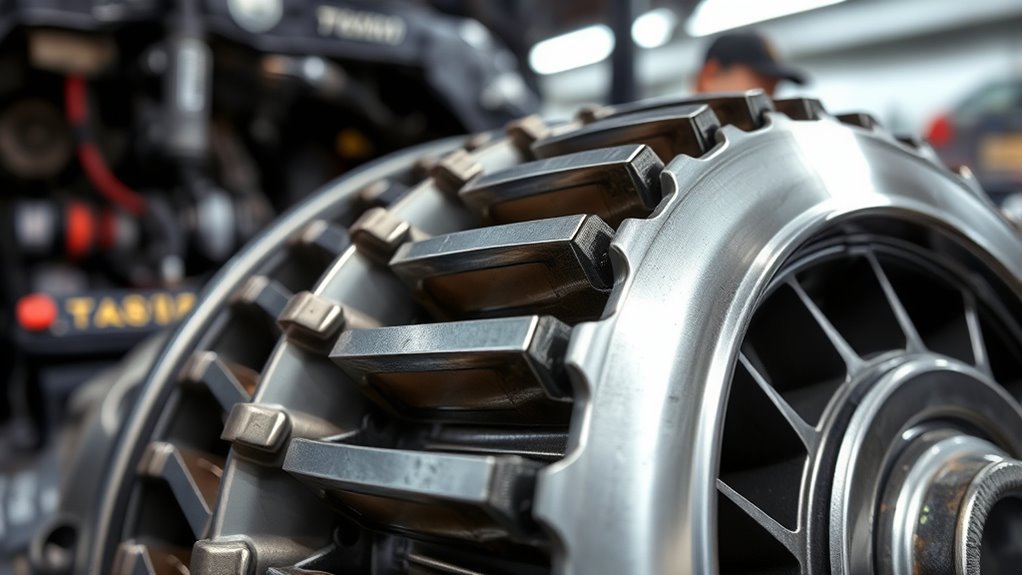
A stall torque converter plays an essential role in your vehicle’s performance by controlling how power is transferred from the engine to the transmission. When it works properly, it helps smooth acceleration and keeps your engine running at its best.
But if you have a low stall torque converter, it can negatively affect fuel efficiency because the engine has to work harder than it should, burning more gas in the process.
You might also notice more engine noise, especially during acceleration, as the converter struggles to manage power transfer efficiently. This extra noise is often a sign that something’s off with the converter.
If your car responds sluggishly or shifts feel irregular, it could be a sign that the converter isn’t functioning properly. A well-working torque converter keeps your engine smooth, saves fuel, and minimizes noise.
When performance problems pop up, your converter might be the root cause that needs some attention.
Signs You Might Have a Low Stall Torque Converter
One of the clearest signs of a low stall torque converter is sluggish acceleration, especially when you step on the gas. You might notice your engine struggling to reach higher RPMs or a delay before the vehicle responds.
Additionally, engine vibrations can become more pronounced. You might feel rough or uneven idling or notice these vibrations during acceleration.
Brake issues may also pop up, like the vehicle pulling to one side or difficulty stopping smoothly. This happens because the converter’s inefficiency affects overall drivability.
Watch for these signs:
- Rough engine vibrations during acceleration or at idle
- Delayed or hesitant throttle response
- Sudden or uneven brake performance
All these could mean the converter isn’t holding torque properly, leading to poor transmission performance.
If you notice any of these symptoms, it’s a good idea to get your vehicle checked by a professional. Doing so can prevent further damage and help keep everything running smoothly.
Is Your Car Accelerating Slowly or Hesitating?
If your car feels like it’s hesitating or struggling to accelerate smoothly, you’re likely dealing with an issue that needs attention.
Slow acceleration or hesitation can point to a low stall torque converter, which impacts how power moves from the engine to the wheels.
This problem can also affect overall engine performance and might limit your vehicle’s potential for upgrades or improvements.
You might notice a sluggish response when pressing the accelerator or a delay before the car starts to gain speed.
Over time, this poor acceleration can decrease fuel efficiency, costing you more at the pump.
Addressing these symptoms early helps keep your vehicle running smoothly and improves fuel economy.
Upgrading components or fixing things like a faulty torque converter can restore proper power and efficiency.
Ignoring hesitation won’t just hurt performance; it could lead to more transmission problems down the line.
How Can You Tell If Your Torque Converter Is Overheating?
If your car’s transmission is acting a bit strange or shifting roughly, it might be a sign that your torque converter is overheating. You might also notice a burning smell coming from under the hood or see that the transmission fluid temperature gauge is reading higher than normal.
Catching these signs early is really important. It can help you avoid more serious damage down the line and keep you safe while driving. If you notice any of these symptoms, it’s a good idea to get your vehicle checked out by a mechanic soon.
Unusual Transmission Behavior
Unusual transmission behaviors often signal that your torque converter may be overheating. You might notice your vehicle slipping or a delayed response when shifting gears. Other signs include rough shifting, unusual noises, or the engine feeling like it’s working harder than usual.
Sometimes, poor engine calibration or misaligned tires can make these issues worse, hiding underlying torque converter problems. To catch overheating early, watch for a sudden loss of power during acceleration, excessively high engine temperatures, or erratic shifting or stalling.
These symptoms could also be caused by other factors, but if they persist, your torque converter might be the culprit. Regular maintenance and fixing minor issues like engine calibration or tire alignment can help prevent overheating and extend your transmission’s lifespan.
Overheating Symptoms Manifest
Recognizing when your torque converter is overheating is important because it shows through specific signs. Overheating can cause engine misfires, brake squealing, and other problems.
You might notice a burning smell, higher transmission temperatures, or slipping gears. These signs point to a malfunctioning torque converter. Keep an eye on this table for quick clues:
| Symptom | Possible Cause |
|---|---|
| Engine misfires | Overheating torque converter |
| Brake squealing | Excess heat transfer to brake components |
| Burning smell | Fluid or internal component overheating |
If you see any of these, address the issue quickly to avoid more damage. Ignoring it could lead to serious transmission problems.
Why Does Your Car Shift Delayed or Clunk?
Hey, if your car is shifting late or you’re hearing a clunk, it could be because of a few common issues. One possibility is problems with the transmission fluid. When the fluid is low or gets dirty, it can mess with how smoothly your car shifts, leading to those delays or strange noises.
Another thing to consider is the torque converter. If it’s worn out or damaged, it can cause your shifts to feel rough or delayed. Basically, the converter helps transfer power from the engine to the transmission, so if it’s not working right, things can get pretty choppy.
The good news is, catching these issues early and taking care of them can help keep your car running smoothly again. Regular maintenance of the transmission fluid and any necessary repairs can make a big difference in restoring your vehicle’s performance.
Transmission Fluid Problems
When your car shifts gears slowly or makes a clunking sound, it often points to issues with the transmission fluid. Low or dirty fluid can cause delayed shifts, knocking, and decreased fuel efficiency. It can also strain your brake system by making stopping less smooth.
To prevent further damage, check fluid levels regularly and top off if needed. Change transmission fluid at recommended intervals and use the correct fluid type for your vehicle.
Neglecting these issues can lead to poor shifting performance and costly repairs. Regular maintenance helps keep your transmission running smoothly, improves fuel efficiency, and ensures your brake system responds quickly.
Addressing transmission fluid problems early can save you money and keep your vehicle reliable.
Worn or Damaged Torque Converter
A worn or damaged torque converter can cause your car to shift slowly or with a noticeable clunking sound. It relies on proper transmission coupling to transfer power smoothly from the engine to the transmission.
When the converter wears out, internal parts like the turbine or stator may fail, leading to delayed shifts or rough engagement. Damage can also cause slipping, making acceleration unsteady and creating strange noises.
If your torque converter isn’t working right, those annoying shifting issues can actually harm your transmission’s lifespan. Spotting signs of wear early can save you from costly repairs.
In the end, a faulty torque converter disrupts seamless power transfer. That’s what causes the clunky or delayed shifting you experience.
Transmission Slipping? Here’s How to Check
Transmission slipping can be a sign that your vehicle’s torque converter isn’t working properly, causing you to notice a drop in power and acceleration. To check if your transmission is slipping, start by paying attention to how your car responds when you accelerate. You might hear the engine rev higher, but your vehicle doesn’t seem to pick up speed as it should.
Here are some things to look out for:
- Fluctuating gear ratios during shifts, which can mean inconsistent clutch engagement
- Unusual fluid temperature rising quickly or staying abnormally hot
- Delayed or rough shifts that feel less smooth than usual
You can also try a simple test: accelerate slowly in a safe area and see if the engine revs increase without the car gaining speed. Low stall torque converters can affect your transmission’s ability to hold the right gear, especially under load. Keep these signs in mind, and if they keep happening, it’s a good idea to get a professional to take a look at your transmission.
Unusual Smells or Fluid Leaks: What They Mean
If you catch a strange smell or notice fluid dripping under your car, that’s definitely a sign you should pay attention to. These clues often point to a problem that needs fixing before it gets worse.
For example, if it’s transmission fluid leaking, you might start to feel your car slipping or overheating. Left unchecked, it could even cause your torque converter to fail. The good news is that catching these issues early can save you a lot of money and keep your ride running smoothly.
Warning Signs From Fluids
Unusual smells or fluid leaks around your vehicle can signal underlying transmission issues that need attention. A burnt smell may mean overheating caused by poor engine calibration or low-quality transmission fluid.
Fluids pooling beneath your car could point to leaks that affect the torque converter’s performance. Keep an eye out for:
- A sweet or syrupy smell, which might mean coolant or old transmission fluid
- Bright red fluid leaks, indicating low transmission fluid levels
- Oil spots near the wheels, signaling tire wear or fluid leaks affecting system pressure
These signs can also suggest broader problems like engine calibration issues that impact fluid flow. Catching these warning signs early can help prevent further damage and keep your transmission running smoothly.
Causes of Leaking Fluid
When you notice strange smells or fluid leaks beneath your vehicle, they often point to specific issues that need attention. These leaks can signal problems with your transmission or torque converter, which can affect how well your vehicle performs and your safety on the road.
You might see a burnt smell or reddish fluid underneath your car, indicating a transmission fluid leak. This could mean seals have failed or some components are worn out. Addressing these leaks quickly is essential to prevent further damage.
Leaking transmission fluid can threaten your vehicle’s performance and your safety. Fixing leaks promptly helps keep your vehicle running smoothly and maintains its value. Here’s a quick overview of common causes to look out for:
| Cause | What to Watch For |
|---|---|
| Seal or gasket failure | Puddles of fluid underneath the vehicle |
| Cracked transmission pan | Reddish fluid pooling on the ground |
| Worn torque converter | Unusual smells or fluid mixing inside the transmission |
| Damaged hoses | Fluid spray or dripping along engine parts |
| Overfilled transmission | Excess fluid leaking around seals |
Taking care of leaks early on ensures your safety and keeps your vehicle performing at its best.
How to Confirm a Faulty Torque Converter Before Repair
Here’s what to focus on:
- Excessive slippage during acceleration
- Overheating of transmission components
- Difficulty in shifting gears smoothly
These signs point toward a faulty torque converter. While doing some basic checks can help you spot potential issues, for a thorough diagnosis, it’s best to get a professional inspection.
When to Seek Professional Diagnosis and Fixes
Recognizing the signs of a faulty torque converter is just the first step; knowing when to seek professional help guarantees your vehicle gets the accurate diagnosis and proper repair it needs.
If you notice persistent slipping, overheating, or difficulty shifting, it’s time to consult a mechanic.
Changes in vehicle weight during acceleration or deceleration, or delays in shifting transmission gears, often indicate a low stall torque converter.
These issues can stress your transmission and lead to further damage if left unchecked.
Professional diagnosis is critical when symptoms worsen or persist after basic troubleshooting.
A qualified technician can properly assess the vehicle’s condition, using specialized tools to evaluate torque converter performance and transmission health.
Don’t ignore ongoing warning signs or try costly repairs yourself—trust experts to find the root cause and keep your vehicle running smoothly and safely.
Top Tips to Prevent Torque Converter Problems
Regular maintenance is key to preventing torque converter problems before they arise. Keeping your vehicle in top shape helps ensure smooth operation and avoids costly repairs. Focus on consistent engine maintenance to prevent issues that may affect the torque converter’s performance.
Moreover, maintaining your vehicle’s looks isn’t just about appearance—it’s also a good indicator of how well other systems, including the transmission, are taken care of.
Here are some top tips to prevent torque converter problems:
- Regularly change your transmission fluid to keep it clean and effective.
- Watch out for signs of overheating or slipping and get them checked out quickly.
- Pay attention to how your engine feels—stalling or unusual vibrations can be signs of trouble.
Frequently Asked Questions
Can a Low Stall Torque Converter Affect Fuel Economy?
Yes, a low stall torque converter can affect your vehicle’s fuel economy because it hampers engine performance. When the torque converter isn’t working properly, your engine has to work harder, which uses more fuel.
This inefficiency can lead to decreased fuel efficiency overall. You might notice slower acceleration or increased fuel costs, which are clear signs that your vehicle’s torque converter could be causing performance and efficiency issues.
How Does a Faulty Torque Converter Impact Engine Braking?
A faulty torque converter reduces braking efficiency because it doesn’t transfer power smoothly, making engine braking less effective.
You might notice the engine revving higher than usual when you let off the accelerator, or your vehicle slowing down less predictably.
This issue also impacts transmission smoothness, causing jerks or hesitation during deceleration.
Ultimately, a malfunctioning torque converter hinders your ability to control your vehicle effectively using engine braking.
Is There a Way to Test My Torque Converter at Home?
Did you know only a professional mechanic can accurately diagnose a torque converter problem?
While a full test isn’t usually DIY, you can do a simple check at home.
Look for unusual vibrations or slipping during acceleration. These signs can point to a potential issue.
For a more detailed inspection, think about having a mechanic perform a stall test or remove the transmission for analysis.
These quick checks can help catch problems early and avoid costly repairs later on.
Can a Low Stall Torque Converter Cause Transmission Overheating?
Yes, a low stall torque converter can cause transmission overheating. When the converter clutch doesn’t engage properly, it puts extra strain on the transmission, which leads to excess heat.
This heat impacts the transmission fluid, breaking down its lubricating properties and making it less effective at cooling. Over time, this can cause damage to key transmission parts.
How Long Do Torque Converters Typically Last?
Your torque converter usually lasts between 150,000 to 200,000 miles. But things like how you drive, how well you maintain your vehicle, and the quality of the parts can all affect its lifespan.
To help it last longer, make sure to do regular fluid changes, avoid aggressive driving, and fix transmission issues as soon as possible. Being attentive to signs of wear can prevent expensive repairs and keep your torque converter running smoothly for years to come.
Conclusion
Just like a heart that struggles to pump blood, a low stall torque converter can slow down your car’s performance and cause headaches. When you notice hesitation or strange smells, it’s your vehicle’s way of signaling trouble.
Don’t ignore these signs; timely diagnosis can prevent costly repairs. Think of it as tending a garden—address issues early to keep everything thriving.
Stay proactive, and your car will run smoothly, just like a well-tended landscape in full bloom. Remember, low stall torque converter problems can really impact how your vehicle performs, so stay alert.