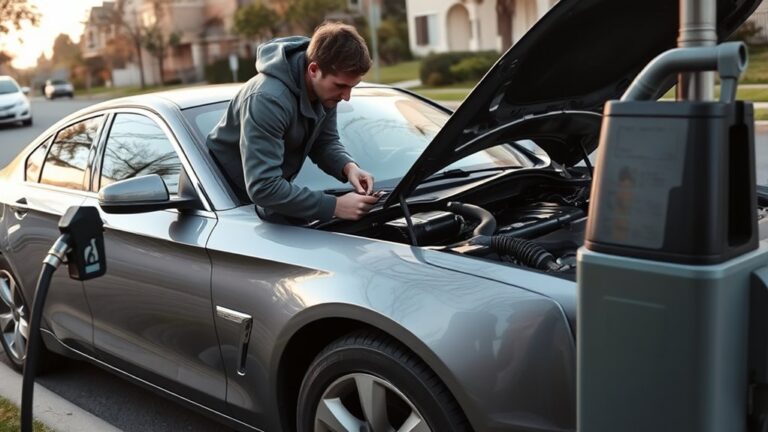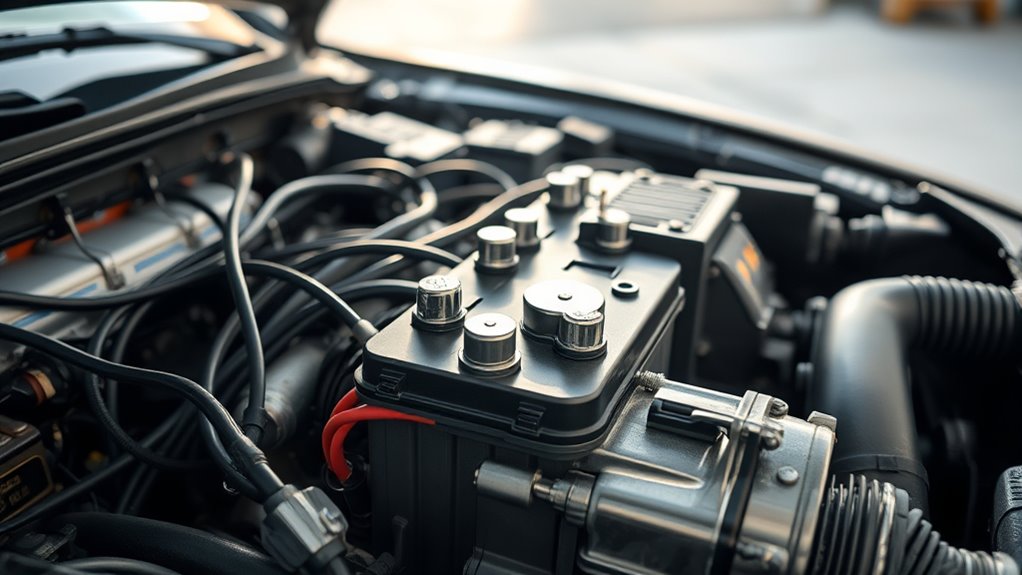
Why Your Car Keeps Dying Despite Good Battery & Alternator: Solutions & Tips
Are you tired of your car dying unexpectedly, even when you have a good battery and alternator? You’re not alone—many people struggle with this frustrating issue. It’s sneaky because everything seems fine, yet your vehicle refuses to cooperate.
Even with a good battery and alternator, your car can keep dying due to hidden issues like parasitic drains, faulty ground connections, or wiring problems.
Check for unnecessary electronic devices left on, inspect grounding points for corrosion or loose connections, and test fuses and relays for faults.
Regular maintenance helps prevent these issues, but if trouble persists, exploring further can uncover the root cause and keep your car running smoothly.
Key Takeaways
Check for parasitic drain caused by interior electronics or faulty wiring, which can deplete the battery even if the alternator is working properly. Sometimes, small draws can add up over time and cause your battery to die unexpectedly.
Inspect and clean the battery terminals and ground connections. Making sure they are free of corrosion and tightly connected helps ensure reliable electrical flow and prevents weird issues.
Verify that fuses and relays are functioning right. Faulty or blown fuses can cause electrical failures that might shut down your vehicle unexpectedly.
Test circuit components and sensors for faults. Problems here can cause the engine to stall or die without warning, even if other parts seem fine.
Finally, double-check that your ignition system, fuel delivery, and timing are all working properly. These are key to keeping your engine running smoothly and preventing stalls.
Why Does My Car Keep Dying Despite a Good Battery and Alternator?
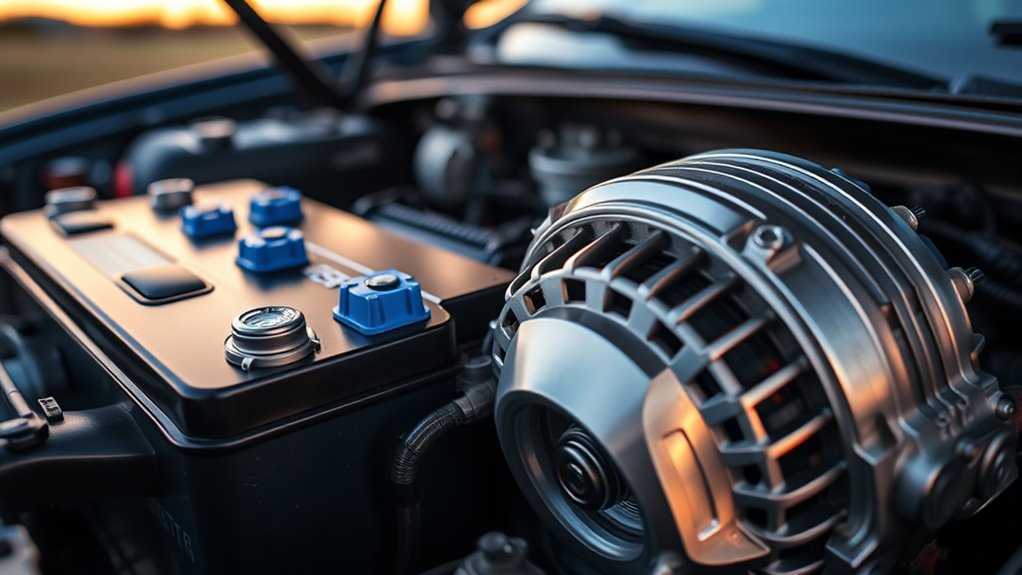
Even if your battery and alternator seem to be working fine, there might be other hidden issues making your car die unexpectedly. One common cause is poor fuel efficiency, which can be affected by under-inflated tires or misfiring engine parts.
Even with a functioning battery and alternator, hidden issues like under-inflated tires can cause your car to stall unexpectedly.
If your tire pressure is too low, your engine has to work harder, which uses more fuel and can put extra stress on your vehicle’s systems. This added strain might cause your car to stall or shut off, even if the battery and alternator are good.
Uneven tire pressure also affects how smoothly your car runs. It can lead to unnecessary fuel consumption and more wear on engine parts. Sometimes these small issues aren’t obvious but can significantly impact your car’s performance.
Checking your tire pressure regularly and keeping it at the ideal levels can boost fuel efficiency and lower the chances of your car dying unexpectedly. Keeping up with these simple maintenance tasks helps your vehicle stay reliable.
How to Check for Parasitic Drains That Kill Your Battery
Want to check if there’s a parasitic drain that’s draining your battery? First off, take a quick look around and see if you’ve left any devices or accessories on that don’t need to be. Sometimes it’s the little things, like interior or exterior lights that forget to turn off, which can really drain your battery over time.
To be more sure, you’ll want to use a multimeter to test your system. It’s actually pretty straightforward—just set it to measure amperage and see if there’s any unexpected power draw when everything should be off. This can help you zero in on the culprit and figure out if something’s keeping your battery from holding a charge like it should.
Identify Unnecessary Power Draws
When your car’s battery keeps dying even though the alternator is good, a common cause is parasitic drain—unnecessary power loads that drain the battery when the car is off.
To find these draws, start by disconnecting the negative terminal and using a multimeter to check for current flow. If the reading exceeds 50 milliamps, you’ve likely got a parasitic drain.
Next, systematically remove fuses and watch for changes in the current. Focus on circuits related to the charging system or parts that use power when your car is parked.
Keep an eye out for non-essential electronic devices or aftermarket accessories, faulty relays or switches, or wiring issues. Pinpointing these drains helps protect your battery life and keeps your charging system working properly.
Check Interior and Exterior Lights
Have you checked if your interior and exterior lights are staying on when they shouldn’t? Sometimes, interior lighting or exterior illumination can drain your battery if they stay on because of faulty switches or controls.
First, turn off all interior lights, including cargo and glove box lights. Then, walk around your car and verify that external lights—headlights, taillights, and turn signals—are off.
If any lights remain on, it’s a sign of a switch issue or wiring fault causing a parasitic drain. Interior lighting that stays on also indicates a problem.
Fixing these issues promptly prevents unnecessary power loss. Regularly inspect your lighting systems, especially if your battery dies unexpectedly, despite having a good battery and functioning alternator.
Use Multimeter for Testing
Using a multimeter to test for parasitic drains involves setting up the device correctly and carefully measuring the current flowing from the battery. First, turn off your car and disconnect the negative terminal.
Set your multimeter to measure current (amps), making sure it’s properly calibrated for accurate results. Connect the multimeter in series between the negative battery terminal and the cable.
Watch the readings carefully. Any significant draw indicates parasitic drain. Keep these tips in mind: always guarantee proper multimeter calibration for precise measurements.
Prioritize battery maintenance to prevent false readings caused by a weak or faulty battery. Be cautious with high readings because they may indicate a problematic component.
This process helps identify hidden drains that could kill your battery, saving you time and money.
Can Bad Ground Connections Cause Stalling? Here’s What to Look For
Bad ground connections are a common but often overlooked cause of engine stalling. A poor ground can interrupt electrical flow, affecting key systems like fuel injectors, ignition, and sensors.
Poor ground connections can cause engine stalling by disrupting essential electrical systems like fuel injectors and ignition.
If the ground wire isn’t connected tightly or has corrosion, your engine might stall unexpectedly. Start by checking the main ground cable attached to the chassis or engine block.
Look for loose, frayed, or corroded connections. Make sure the ground strap is secure and free of rust or dirt. Use a multimeter to check for proper voltage between the battery negative terminal and the engine ground.
If you find a voltage or continuity problem, it’s a sign of a faulty ground connection that needs fixing. Remember, even if your battery and alternator seem fine, bad grounds can still cause stalling.
Fixing a weak or broken ground restores electrical continuity, helping your engine run smoothly again.
Wiring Problems and Corrosion That Can Make Your Car Stall
Wiring issues and corrosion can cut off essential electrical signals, causing your engine to stall unexpectedly. Over time, corrosion—especially on battery terminals—can weaken the connection and lead to inconsistent power flow.
This might make your vehicle shut off suddenly or have trouble starting. Corrosion usually shows up as a white, flaky buildup or a greenish tint around the terminals, which weakens the connection.
Be sure to check the battery terminals for corrosion or looseness. Also, look for worn or damaged wiring insulation.
Inspect connectors in your circuit pathways for looseness or faults. Cleaning battery terminals with a wire brush and applying a protective coating can prevent corrosion.
Make sure to tighten any loose connections and replace damaged wiring quickly. These simple steps help electrical signals flow smoothly and prevent unexpected stalls caused by wiring or corrosion issues.
Sensors and Modules That Might Be Causing Power Loss
If sensor or module failures occur, they can send incorrect signals to the engine control unit (ECU), leading to power loss or stalling. Modern cars rely on various sensors, like the mass airflow sensor, oxygen sensors, and throttle position sensor, to run smoothly.
When these sensors malfunction or aren’t properly calibrated, the ECU may misinterpret data, which can cause poor combustion or engine hesitation. Faulty modules, such as the engine control module (ECM), can also disrupt overall engine function.
To diagnose these issues, ECM troubleshooting can help identify faulty sensors or modules and determine if calibration is needed. Sometimes, simply recalibrating sensors or replacing a damaged module restores proper signals and improves engine performance.
Ignoring sensor or module problems can lead to ongoing power loss. It’s important to address these issues quickly to fix engine stalls—especially if your battery and alternator are in good shape.
How to Inspect and Fix Alternator Belt and Drive Issues
First off, it’s a good idea to regularly take a look at your alternator belt. Check for any cracks, fraying, or if it looks glazed—that stuff can definitely cause problems down the road. While you’re at it, make sure the tension is just right—no need for it to be too tight or too loose. If it’s off, go ahead and adjust it so it’s snug but not too tight. Also, don’t forget to check the pulleys and make sure they’re aligned properly. Misaligned pulleys can lead to extra wear and drive issues, so it’s worth keeping an eye on them to keep everything running smoothly.
Check Belt Condition Regularly
How can you guarantee your alternator belt isn’t causing drivability issues? Start by regularly inspecting its condition. Look for fraying, cracks, or glazing—these signs show it’s worn out.
A slipping belt can cause inconsistent charging, which might lead to your car stalling even if the battery and alternator are fine. Along with the belt, check your tire pressure and windshield wipers to make sure everything is safe for driving. These can also impact drivability or make problems worse.
Remember to replace worn belts promptly to avoid failure. Keep the tension right—loose belts slip, and tight belts wear out faster. Also, look for debris or oil on the belt surface that could cause issues.
Regularly maintaining your belt will help your vehicle run smoothly and prevent surprises on the road.
Adjust Belt Tension Correctly
Regularly inspecting your alternator belt isn’t enough—you also need to make sure the tension is just right. Proper belt tension makes sure the belt transmits power efficiently without slipping or causing unnecessary wear.
To check the tension, press down on the belt midway between pulleys. It should flex slightly but not feel loose. If it feels slack, it’s time to adjust the belt.
Loosen the tensioner pulley or adjustment bolt, then shift the belt to the correct tightness. Check again to make sure it’s properly tensioned. Avoid over-tightening, as this can strain bearings and pulleys.
Correct belt tension helps maintain ideal alternator performance and prevent unexpected failures. Regularly adjusting the belt can also extend its lifespan and keep your car running smoothly.
Always follow your vehicle’s specifications for the proper tension levels.
Inspect Pulley Alignment
Misaligned pulleys can cause the belt to slip, wear prematurely, or even come off entirely. To inspect pulley alignment, start by visually checking if the pulleys are in a straight line.
Look for wobbling or uneven spacing between the pulleys and belt. If you notice misalignment, you’ll need to adjust the tension and reposition the pulleys accordingly.
Make sure the pulleys are parallel and securely mounted. Remember, proper pulley alignment reduces belt wear and slipping.
Tension adjustment is essential for a snug fit. Misalignment can lead to belt failure and drive issues.
Use your hands or a straightedge to verify alignment, and fix any misaligned pulleys promptly for smooth operation and to prevent further damage.
Why Regular Maintenance Prevents Electrical Problems
Since electrical problems often come from issues that get overlooked, regular vehicle maintenance can catch potential faults early before they cause serious damage. These checks help prevent battery corrosion, which can block power flow, and ensure fuses are in good condition through fuse testing.
These small but vital tasks keep your electrical systems running smoothly and help you avoid frustrating breakdowns.
| Maintenance Task | Benefits |
|---|---|
| Cleaning battery terminals | Prevents corrosion buildup and keeps connections reliable |
| Fuse testing and replacements | Stops power interruptions and prevents component failures |
| Checking wiring and connectors | Detects wear or damage early, reducing short circuits |
| Regular system inspections | Maintains overall electrical health and prolongs component life |
Troubleshooting Blown Fuses and Faulty Relays Quickly
When electrical issues cause your vehicle to stall or components to stop working, blown fuses and faulty relays are often to blame. To troubleshoot quickly, start with a fuse inspection: locate your fuse box, find suspect fuses, and check if the metal strip inside is broken or burnt.
Replacing blown fuses should be easy, but make sure you use the correct amperage to avoid future problems. Faulty relays can also mess with the electrical flow. To swap out a relay, first identify the faulty one—listen for clicking when turning systems on or off, or swap it with a good relay of the same type.
Remember:
- Always use the right fuse ratings when replacing
- Test relays with a multimeter before swapping
- Keep spare fuses and relays in your vehicle
Quick fuse checks and relay swaps can save you time and costly repairs, helping get your vehicle’s electrical system back on track.
When Should You Call a Mechanic for Hidden Electrical Problems?
If your car’s electrical system is acting up but you can’t quite figure out why, it’s probably time to call in a mechanic. Sometimes, these issues aren’t obvious right away—you might not see a broken wire or a blown fuse, but that doesn’t mean they aren’t there.
You should especially consider getting help if you notice strange wiring issues, faulty fuses or relays that keep blowing, or if the alternator might be hiding problems. Ignoring these signs can lead to unexpected breakdowns or expensive repairs down the road. So, it’s better to be safe and have a professional take a look sooner rather than later.
Unrecognized Wiring Issues
Hidden wiring issues can be tricky to spot because they often don’t trigger obvious warning signs. Unrecognized wiring, especially faulty connectors, can cause intermittent power loss and strange electrical behavior that’s hard to diagnose.
If your car unexpectedly shuts down or your accessories act up without a clear reason, it might be time to check for wiring problems. Call a mechanic if you notice:
- Intermittent electrical failures without an obvious cause
- Corrosion or damage around wiring harnesses
- Inconsistent performance of electrical components
These problems often come from hidden wiring faults or loose and cracked connectors behind panels. Fixing unrecognized wiring needs a trained eye to trace wires and test connections.
Don’t ignore subtle signs. Trusted professionals can find hidden electrical issues before they lead to bigger trouble or damage.
Faulty Fuses or Relays
A blown fuse or a stuck relay can interrupt power flow, making it seem like the battery or alternator is failing. You can look at your fuse box for any visible damage or use a multimeter to test the relays.
If you’re unsure or the fuse and relay tests don’t fix the problem, it’s best to call a mechanic. They can do thorough electrical diagnostics and spot hidden issues before they cause more damage.
Hidden Alternator Problems
Simply put, when your car struggles to start or dies unexpectedly despite a healthy battery and new alternator, it’s time to think about hidden alternator problems. These issues often aren’t obvious but can cause electrical failures.
Check for signs like battery corrosion, which can disrupt electrical flow, or a worn alternator belt that slips or breaks. You might also experience dull dashboard lights or inconsistent charging.
You should call a mechanic if you notice:
- Corroded battery terminals or wiring
- A loose or slipping alternator belt
- Intermittent electrical problems despite a new alternator
These hidden issues can lead to your car’s failure, even when it seems everything is fine on the surface. Addressing them early can save you from a roadside breakdown.
Tips to Keep Your Car Running Smoothly and Avoid Power Loss
To keep your car running smoothly and prevent unexpected power loss, regular maintenance is key. Start by checking your tire pressure weekly. Underinflated tires increase rolling resistance, which can reduce fuel efficiency and put extra strain on your engine and electrical system.
Properly inflated tires help your engine run efficiently, supporting consistent power delivery. Keep your fuel system clean by using quality fuel and occasional fuel system additives. This improves combustion, boosts fuel efficiency, and keeps your engine running smoothly.
Regular oil changes, air filter replacements, and spark plug inspections are also important. They prevent strain on your electrical components and lower the risk of power problems. Additionally, check your electrical connections for corrosion or looseness, as these can cause power loss.
Staying proactive with these simple tips keeps your car in good shape. It minimizes stress on the electrical system and helps you avoid unexpected breakdowns and power issues. This way, you can enjoy reliable performance mile after mile.
Frequently Asked Questions
Can Faulty Fuel Injectors Cause a Car to Stall Unexpectedly?
Yes, faulty fuel injectors can cause your car to stall unexpectedly. When injectors clog or fail, they disrupt fuel delivery, which leads to poor fuel pressure and inconsistent engine performance.
Regular fuel injector cleaning helps maintain proper fuel pressure and keeps everything running smoothly. If your car stalls suddenly, it’s worth checking and cleaning your fuel injectors.
Ignoring this issue can cause rough idling, misfires, and unexpected stalls, even if your battery and alternator are in good shape.
How Does Engine Idle Speed Affect Vehicle Stalling Issues?
Your engine idle speed directly impacts vehicle stalling issues through engine synchronization and idle control.
If the idle speed’s too low or high, the engine struggles to stay running, causing stalls. Proper engine synchronization ensures adjustments keep the idle at ideal levels.
Are Defective Ignition Switches Responsible for Sudden Power Loss?
Yes, a defective ignition switch can cause sudden power loss. When it fails, it interrupts the electrical system and cuts power to essential components. This can make your car stall unexpectedly.
This issue disrupts the flow of electricity, leading to engine shutdowns even if the battery and alternator are in good shape. It’s something you’ll want to get checked out.
You should have the ignition switch inspected and replaced if it’s faulty. Doing so can help prevent those sudden power losses and keep your car running smoothly.
Can Worn-Out Spark Plugs Lead to Frequent Stalling?
Worn-out spark plugs can definitely cause frequent stalling. When you neglect spark plug maintenance, it can lead to engine misfires, which might make your car stall unexpectedly.
Imagine driving and suddenly losing power. That’s often because worn spark plugs aren’t igniting the fuel efficiently.
Regularly checking and replacing your spark plugs keeps your engine running smoothly, prevents misfires, and helps ensure your car doesn’t stall when you least expect it.
What Role Do Vacuum Leaks Play in Engine Stalling Problems?
Vacuum leaks can cause your engine to stall because they lead to airflow obstruction, disrupting the air-fuel mixture. When there’s a vacuum leak, your engine might get more air than it needs, causing it to run lean and stumble or stall.
You should check hoses and connections for cracks or disconnections. Fixing vacuum leaks restores proper airflow, helping your engine run smoothly and preventing unexpected stalling.
Conclusion
Even if your battery and alternator are in good shape, electrical issues can still cause your car to die. Regular checks for parasitic drains, grounding problems, wiring corrosion, and faulty sensors can save you time and money.
While DIY troubleshooting helps, don’t hesitate to call a mechanic for hidden issues. Addressing these problems early guarantees your car runs smoothly. So, don’t ignore small signs—staying proactive keeps you safe and on the road longer.
When dealing with persistent car stalling, remember that electrical issues beyond the battery and alternator may be the cause. Keeping an eye on these potential problems can help you avoid breakdowns and costly repairs.