Understanding Exhaust Backfire on Deceleration: Causes, Impacts, and Maintenance Tips
Are you tired of that loud, startling exhaust backfire when you decelerate? If so, you’re not alone—many drivers struggle with this annoying issue. It’s more than just a noise; backfires can damage your engine, increase emissions, and lower your fuel efficiency. Understanding what causes an exhaust backfire during deceleration is key to fixing it.
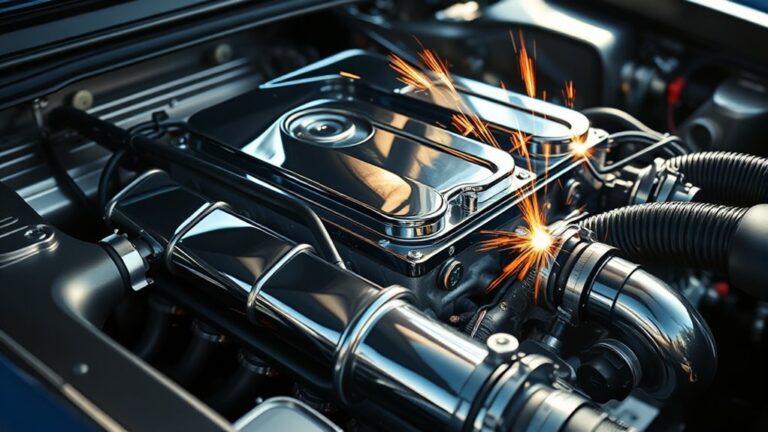
An exhaust backfire during deceleration happens when unburned fuel ignites in your exhaust system. This can be caused by issues like incorrect air-fuel mixtures, faulty ignition timing, or leaks.
This situation can damage engine parts, increase emissions, and reduce fuel efficiency.
To prevent it, regular maintenance such as checking for leaks, maintaining proper timing, and replacing filters helps.
If you want to understand more about causes, impacts, and how to fix it, there’s plenty more to analyze.
Key Takeaways
- Exhaust backfire during deceleration happens when unburned fuel ignites in the exhaust system because of issues with combustion or ignition timing.
- You might notice loud pops, bangs, or even visible flames or smoke coming out of the tailpipe.
- Ignoring this backfire can lead to damage to exhaust parts, lower fuel efficiency, and more harmful emissions.
- Regularly maintaining spark plugs, filters, and the exhaust system can help prevent backfires during deceleration.
- If the backfire keeps happening or you notice performance problems or strange exhaust odors, it’s a good idea to get professional diagnostics.
What Is an Exhaust Backfire and Why Does It Happen?
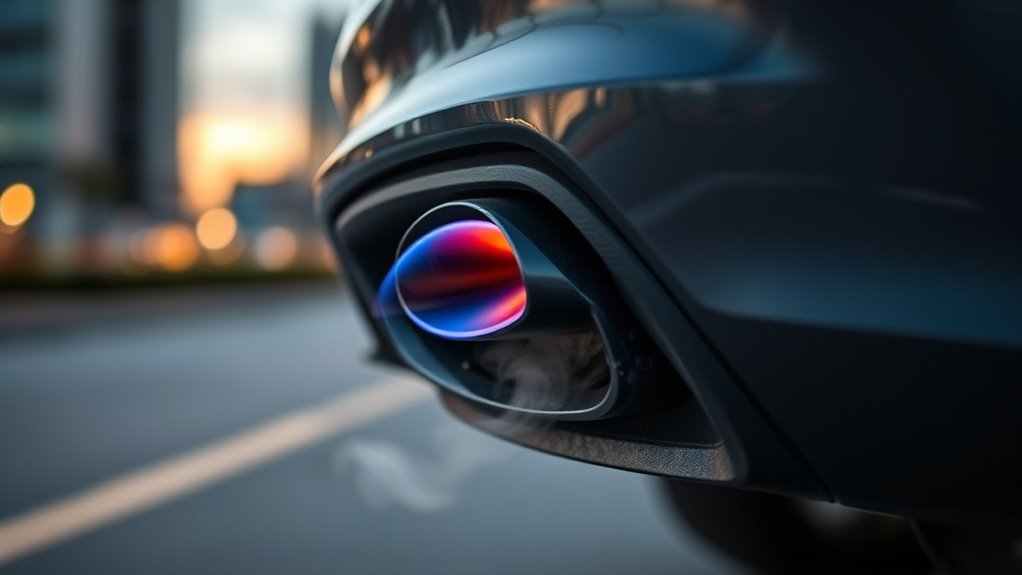
Have you ever heard a sharp bang or crack when you let off the gas while driving? That’s often an exhaust backfire. It happens when unburned fuel ignites in the exhaust system, creating a loud noise.
Exhaust backfire occurs when unburned fuel ignites in the exhaust, causing loud bangs or cracks.
A common cause is incomplete combustion, which can result from issues with your catalytic converter or turbocharger efficiency. If your catalytic converter is clogged or failing, it can disrupt the proper flow of exhaust gases, increasing the chances of backfires.
Similarly, a malfunctioning turbocharger might not compress air properly, leading to richer fuel mixtures that ignite unexpectedly. These backfires aren’t just noisy; they’re signs that something is off with your engine’s combustion process.
Understanding what causes this phenomenon helps you stay alert to potential problems. Addressing these issues promptly ensures your engine runs smoothly and reduces the risk of further damage down the line.
Signs and Sounds of an Exhaust Backfire to Watch For
When your engine backfires while you’re letting off the gas, you’ll usually hear some loud popping or even a small explosion coming from the exhaust. It can be pretty startling, but it’s a common sign that something’s happening under the hood.
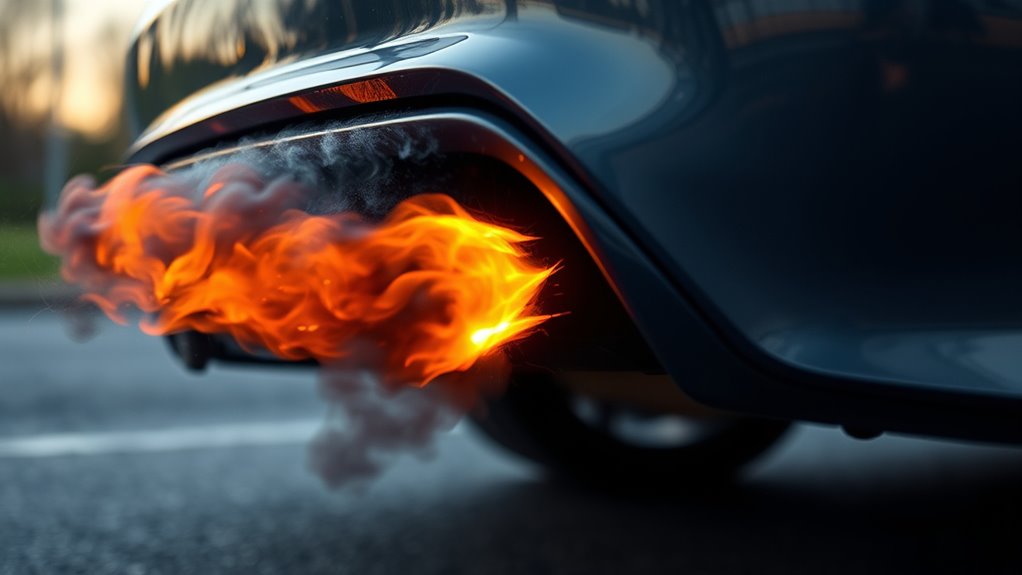
You might also notice some smoke or even small flames flickering out of the tailpipe—that can look a bit dramatic, but again, it’s usually a sign that unburned fuel is igniting in the exhaust system. Recognizing these signs early on can help you catch any potential problems before they turn into bigger, more expensive issues.
Audible Explosive Sounds
Ever notice a loud, sharp crack or bang coming from your exhaust while decelerating? That’s often an audible explosive sound indicating an exhaust backfire.
These noises happen because unburned fuel ignites in the exhaust system. It’s usually due to incomplete or improper fuel combustion.
When fuel vapors ignite suddenly, it creates a pop or bang you can hear clearly during deceleration. This sound isn’t normal and can signal issues like a lean fuel mixture or faulty timing.
The explosive noise can be startling and may damage components over time. If you hear these sharp sounds regularly, it’s a sign to check your vehicle’s fuel combustion process and exhaust system to prevent further damage.
Visible Smoke and Flames
Noticing flames or smoke emerging from your exhaust is a clear sign that something’s amiss with your vehicle’s combustion process.
Visible smoke, often dark or bluish, can indicate unburned fuel or oil burning in the exhaust system. Flames ignition, which appears as sporadic or continuous sparks and flames at the tailpipe, confirms an exhaust backfire.
This happens when unburned fuel ignites outside the engine, in the exhaust system. If you see flames or thick smoke, it’s a sign that your engine is misfiring or running rich. This causes excessive fuel to reach the exhaust.
Ignoring these signs risks damaging your catalytic converter, exhaust components, and worsening engine performance. Prompt inspection and maintenance can help prevent further damage and ensure your vehicle runs safely.
How Exhaust Backfires Can Affect Your Engine and Exhaust System
Exhaust backfires can really impact your engine and exhaust system by causing unnecessary stress and potential damage. When a backfire happens, it disrupts how your engine runs by forcing extra heat and pressure into parts that aren’t built for it.
This can speed up wear on things like the exhaust valves, muffler, and catalytic converter. Plus, backfires can mess with your emissions control systems, making your vehicle less eco-friendly and possibly causing it to fail emissions tests.
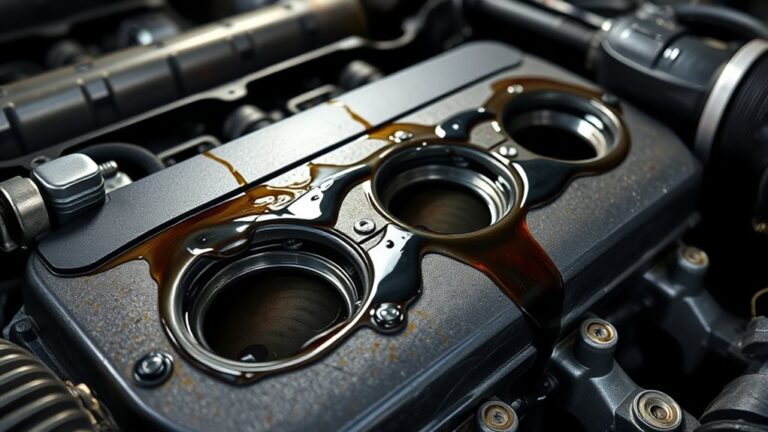
The sudden explosions also increase the risk of damaging the exhaust pipes, muffler, and other sensitive parts, which can lead to expensive repairs. Over time, repeated backfires might cause leaks, corrosion, or cracks that weaken your exhaust system.
Keeping your engine tuned and your fuel mixture balanced is key to preventing these issues. It helps your vehicle run smoothly, keeps the engine performing at its best, and stays compliant with emissions standards.
Common Causes of Exhaust Backfires During Deceleration
During deceleration, several common issues can cause your vehicle to backfire through the exhaust. One major cause is an incorrect air-fuel ratio. When the mixture is too rich or too lean, unburned fuel ignites in the exhaust system, creating a backfire.
During deceleration, incorrect air-fuel ratios can cause unburned fuel to ignite and backfire through the exhaust system.
A faulty or clogged catalytic converter can also contribute. If it’s not functioning properly, it can trap exhaust gases, leading to pressure buildup and ignition of unburned fuel, resulting in a backfire.
Furthermore, timing issues in the ignition system may cause sparks to occur at the wrong moment, igniting fuel in the exhaust pipe during deceleration. Leaking or damaged valves and faulty sensors can disrupt the engine’s air and fuel mixture, increasing the likelihood of backfires.
Addressing these issues promptly can reduce backfire occurrences, improve engine performance, and protect your exhaust system from damage.
How Fuel Mixtures Can Cause Exhaust Backfires
Have you ever wondered how the fuel mixture impacts your vehicle’s tendency to backfire? It all comes down to fuel calibration and ignition timing.
If your fuel mixture is too lean (not enough fuel), your engine may run hotter, increasing the risk of unburned fuel reaching the exhaust. This excess fuel ignites suddenly in the exhaust system, causing a backfire.
Conversely, a rich mixture (too much fuel) can lead to incomplete combustion and leftover fuel in the cylinders, which can ignite during deceleration and create pops or backfires.
Ignition timing also plays a role; if it’s advanced too far, sparks occur earlier, igniting unburned fuel in the exhaust pipe.
Proper fuel calibration ensures the right air-fuel ratio, reducing the chance of backfires, while correct ignition timing prevents premature sparks.
Adjustments to these elements help maintain smooth engine performance and minimize exhaust backfire occurrences.
Preventing Exhaust Backfires With Proper Maintenance
Regular maintenance is essential to prevent exhaust backfires, as neglecting key components can lead to improper engine operation and unburned fuel buildup.
Consistently checking and replacing spark plugs, ignition wires, and fuel filters guarantees your engine runs smoothly and helps improve fuel efficiency.
Properly maintained emission control systems reduce unburned fuel escaping into the exhaust, lowering the risk of backfires.
| Maintenance Task | Benefit |
|---|---|
| Regular spark plug inspection | Ensures proper ignition timing |
| Fuel system cleaning | Prevents fuel buildup and misfire |
| Emission control system check | Keeps emissions within limits |
| Proper air-fuel mixture tuning | Reduces unburned fuel from escaping |
How to Reduce or Stop Exhaust Backfire Noise
Exhaust backfire noise can be loud and disruptive, but you can reduce or stop it by fixing key engine and exhaust issues. Simple adjustments and soundproofing can really help minimize the noise.
First, make sure your exhaust system is secure with no leaks or cracks, since leaks can make backfire noise worse. Next, consider installing a resonator or upgrading your muffler—these help dampen sharp sounds during deceleration.
You can also apply soundproofing materials around the exhaust area, like heat-resistant mats or acoustic barriers, to absorb vibrations and cut down on the noise that reaches the cabin.
Regular maintenance is important, too. Cleaning or replacing clogged filters and ensuring your engine timing is correct can prevent backfires from happening in the first place.
When to Seek Professional Help for Backfire Problems
Wondering when backfire problems are beyond simple fixes? If your exhaust backfire persists despite adjusting your car audio settings or checking the tire pressure, it’s time to see a professional.
While some causes, like minor fuel system issues, can be handled at home, ongoing or severe backfires might signal deeper problems that need expert attention. Persistent backfire sounds can point to exhaust leaks, misfiring cylinders, or ignition timing issues, which could damage your engine if left unchecked.
If tweaking basic things doesn’t fix the noise, don’t delay in getting professional help. A mechanic can perform diagnostic tests to find the root cause and make sure your vehicle runs smoothly and safely.
Ignoring persistent backfire symptoms could lead to costly repairs later on. It’s best to have a mechanic evaluate your exhaust system, ignition components, and overall engine health rather than trying to fix it yourself or ignoring the problem altogether.
Does Your Backfire Issue Require a Mechanic’s Attention?
Is your backfire problem lingering despite your attempts to fix it? If you’re hearing loud bangs from your engine exhaust or having trouble with deceleration, it’s time to see a mechanic. A persistent backfire might mean serious issues with your engine’s performance or emissions system.
Consider visiting a professional if:
- The backfire happens often during deceleration and impacts how your car drives.
- You notice strange smells from the exhaust or see smoke.
- Your car’s performance or fuel efficiency gets worse over time.
Ignoring backfires during deceleration can damage your engine or emissions system. A mechanic can diagnose problems like faulty valves, damaged spark plugs, or issues with the exhaust.
Fixing these issues early can save you from bigger repairs down the road. If basic troubleshooting doesn’t stop the backfire, don’t wait. Getting professional help is the best way to ensure your car runs safely and efficiently.
Understanding the Long-Term Effects of Ignoring Exhaust Backfires
Ignoring exhaust backfires can cause serious and costly problems for your vehicle. Over time, persistent backfires can damage your exhaust system, like cracked manifolds or damaged catalytic converters, which affects fuel efficiency and emissions.
This environmental impact becomes pretty significant as unburned fuel and harmful gases escape, making air quality worse. Plus, ignoring these issues can make your engine perform poorly, so your vehicle becomes less reliable and costs more to maintain.
Here’s how ignoring backfires can affect you emotionally:
| Emotional Impact | Long-term Effect |
|---|---|
| Frustration | Expensive repairs from exhaust damage |
| Anxiety | Increased emissions harming the environment |
| Disappointment | Reduced fuel efficiency leading to more trips to the pump |
| Stress | Ongoing engine problems causing worry |
| Loss of confidence | Your vehicle becomes less dependable |
Stay proactive and fix exhaust backfires early to protect both your vehicle and the environment.
Frequently Asked Questions
Can Exhaust Backfire Affect Fuel Efficiency?
Yes, exhaust backfire can affect your fuel efficiency. It usually means there’s an issue with the fuel mixture or ignition timing, causing your engine to burn fuel less efficiently.
When your engine isn’t burning fuel properly, it ends up using more fuel to produce the same amount of power. This leads to lower overall fuel economy.
To boost efficiency, make sure your fuel mixture is balanced and your ignition timing is properly set. Fixing these issues can prevent backfire and help your engine run better.
Are Aftermarket Exhaust Systems More Prone to Backfires?
Yes, aftermarket exhaust systems can be more prone to backfires because they often change airflow and sound levels, which can upset the engine’s fuel mixture.
These modifications sometimes bypass or remove emission systems, increasing the risk of unburned fuel igniting in the exhaust.
To reduce the chances of backfires, make sure your aftermarket system is properly installed and compatible with your vehicle.
Also, keep your emission systems well-maintained to ensure exhaust gases flow efficiently.
How Does Altitude Influence Exhaust Backfire Occurrences?
Altitude effects influence exhaust backfire occurrences because lower air density at higher elevations causes fuel combustion to be less efficient. You might notice more backfires on deceleration since there’s less oxygen for proper combustion, leading to unburned fuel igniting in the exhaust system.
To minimize this, adjust your vehicle’s fuel mixture or consult a mechanic to optimize performance for varying altitudes and reduce backfire chances.
Is Exhaust Backfire More Common in Certain Vehicle Makes or Models?
Exhaust backfire is more common in certain vehicle makes or models, especially older cars or those with looser emission standards.
If your vehicle has outdated engine tuning, it might backfire during deceleration. Modern cars that meet current emission standards have advanced engine management systems that reduce backfire chances.
Keeping your vehicle well-maintained and properly tuned can significantly decrease the likelihood of exhaust backfire.
What’s the Difference Between a Pop and a Backfire Sound?
A pop sounds like a quick, light burst from your exhaust, often caused by engine timing being slightly off or a rich fuel mixture.
Backfire, on the other hand, is a louder, more explosive noise caused by unburned fuel igniting in the exhaust system.
You might hear a backfire during deceleration if your engine timing is off or if the fuel mixture is too rich, making these sounds different in both intensity and timing.
Conclusion
Ignoring an exhaust backfire is like dismissing a warning siren. You might think it’s harmless, but it signals underlying issues that can harm your engine over time.
By recognizing the signs early and maintaining your exhaust system, you guarantee your vehicle runs smoothly and safely. Don’t let small sparks turn into costly fires.
Stay attentive, address issues promptly, and keep your ride humming like a well-tuned symphony. Every backfire is a lesson waiting to be learned, especially when it comes to exhaust backfire causes, impacts, and maintenance tips.