Car Struggles to Start After Putting Gas In: 7 Causes and Fix
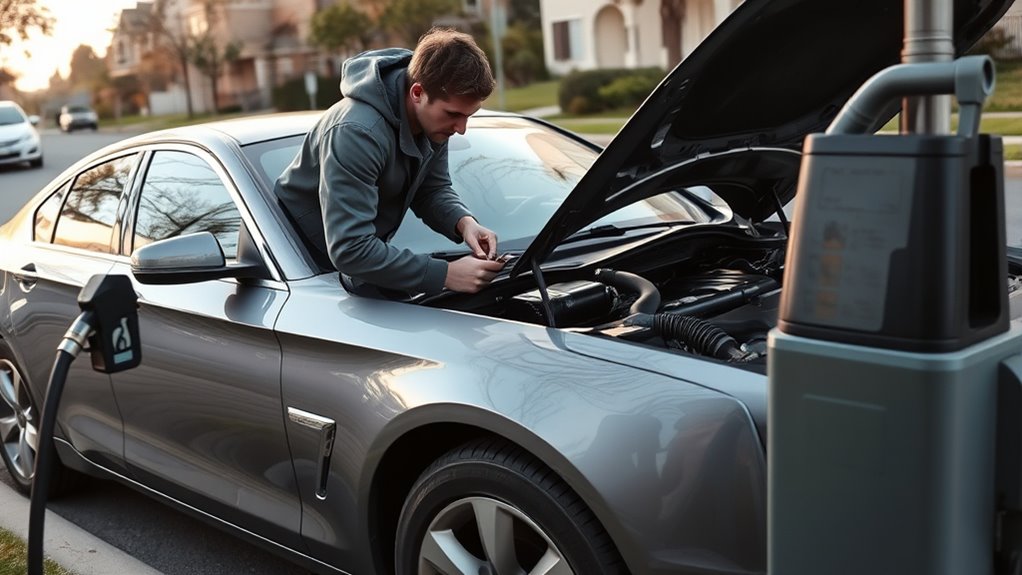
Struggling to start your car right after filling up? You’re not alone—many drivers face this frustrating issue. It can be caused by a variety of problems, from simple misunderstandings to more complex mechanical issues.
If your car struggles to start after fueling, it could be caused by fuel contamination, like water or debris in the tank, or using the wrong fuel type.
Electrical issues such as a weak battery or faulty ignition parts can also play a role.
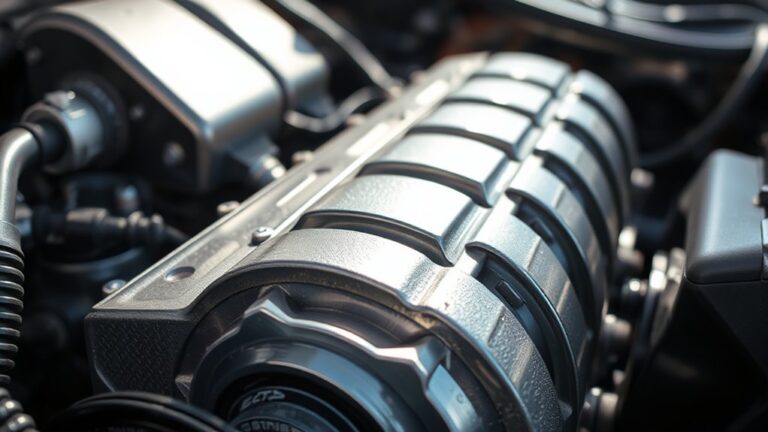
Problems with the fuel pump, clogged filters, vapor lock, or fuel system pressure may be preventing the engine from firing properly.
Keep going to find out how to identify and fix these common causes.
Key Takeaways
Water contamination in fuel can cause misfires and prevent the engine from starting properly.
It’s a common issue that can happen if water gets into your tank or fuel lines.
Incorrect or poor-quality fuel may lead to ignition issues and engine struggles during startup.
Using the right fuel is important to keep your engine running smoothly.
Clogged fuel filters or failing fuel pumps reduce fuel flow, impairing engine ignition after refueling.
If these parts aren’t working properly, your car might have trouble starting after refilling.
Residual vapor lock or hot fuel vaporization can block fuel delivery, causing starting difficulties.
Heat build-up in the fuel system may create vapor that stops fuel from flowing as it should.
External factors like electrical interference or sensor errors may disrupt engine start-up after refueling.
Problems with sensors or electrical components can cause your car to have trouble starting once you’ve filled up.
Why Won’t My Car Start After Fueling? Common Causes Explained
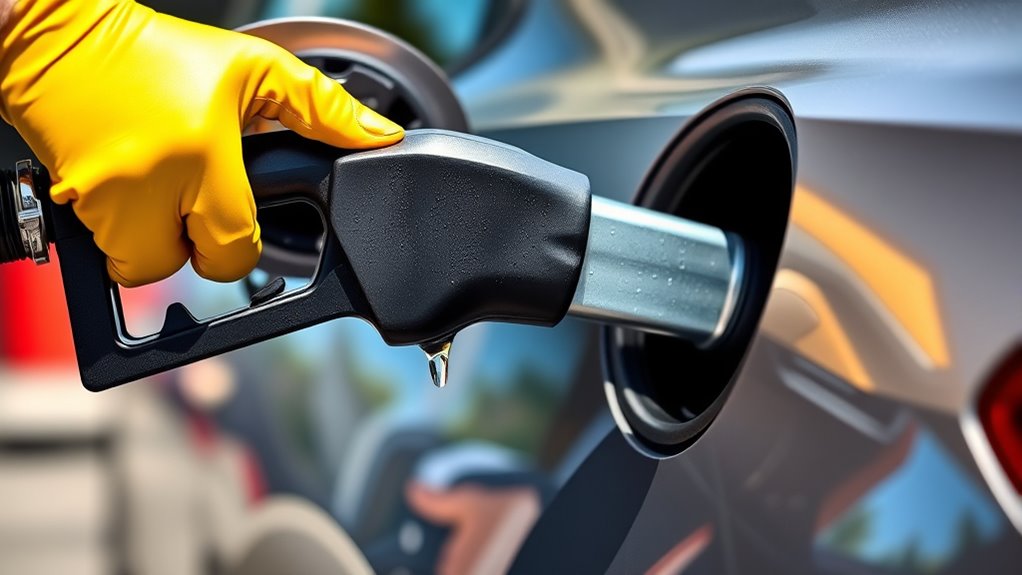
If your car refuses to start after fueling, it can be frustrating and confusing. One common cause isn’t directly related to the gas itself but to the timing of other issues.
Radio interference can sometimes disrupt your car’s electronic ignition system, especially if your radio or other electronic devices are malfunctioning or improperly shielded. This interference might prevent your engine from firing up correctly.
Another factor to check is your tire pressure. While it may seem unrelated, uneven or low tire pressure can affect your vehicle’s overall weight distribution and sensor readings. This can trigger safety features that prevent starting.
Ensuring your tires are properly inflated helps your car’s sensors work accurately, avoiding unnecessary conflicts that could hinder engine startup.
Understanding these subtle causes can help you diagnose problems before considering more complicated solutions.
Could Gas Contamination Be Tripping Up Your Engine?
Contaminated gas can secretly cause startup problems by introducing impurities or water into your fuel system. When water gets mixed with fuel, it can lead to misfires or even prevent your engine from starting.
Contaminated gas can cause startup issues by introducing water and impurities into your fuel system.
If you think your fuel might be contaminated, having a mechanic check your fuel system is a good idea. They’ll look for water, debris, or other pollutants that could clog your injectors or filters.
Using gasoline additives can help prevent some issues by cleaning your fuel system or boosting fuel stability. But keep in mind, they won’t eliminate water or large debris from your tank.
If contaminated fuel stays in your tank, your engine could have trouble running or refuse to start. You might need to drain and clean the fuel tank to fix the problem.
Keeping your fuel clean and water-free helps your engine run smoothly and avoids expensive repairs later on.
Is Wrong Fuel Butting Your Car’s Performance?
Using the wrong type of fuel can seriously impact your car’s performance. It might run roughly, stall, or have trouble starting.
When you fill up with the wrong fuel—like gasoline instead of diesel or the other way around—it can lower your fuel efficiency a lot. Each engine is designed to burn a specific fuel, and mismatched fuels can mess with combustion.
Over time, this can cause poor acceleration and higher emissions. To check if wrong fuel is causing the problem, engine diagnostics are essential.
These checks can spot irregularities like misfires or strange noises from incompatible fuel. If you think wrong fuel is the issue, getting professional diagnostics is a good idea.
It helps identify the problem and guides necessary repairs. Acting quickly will keep your engine running smoothly, save fuel, and prevent long-term damage.
How Do You Know If Your Fuel Pump or Filter Are the Issue?
It can be tricky to tell whether your fuel pump or filter is causing issues, especially since symptoms often overlap with other engine problems. If your car struggles to start, look for common signs like sputtering or losing power while driving.
Poor fuel efficiency can also be a clue. It might mean a clogged fuel filter or a failing pump because your engine isn’t getting a steady fuel supply. During diagnostics, listen for a whining noise from the fuel tank, which could point to a failing fuel pump.
If your vehicle stalls or has trouble maintaining acceleration, those are often signs of a clogged filter restricting fuel flow. Keep in mind, these symptoms can also be caused by other issues, so a thorough inspection is key.
What Is Vapor Lock, and How Does It Stop Your Car From Starting?
Vapor lock is what happens when the fuel in your car’s lines turns into vapor, forming bubbles that block the flow of gasoline to the engine. Imagine trying to suck thick syrup through a straw — it just doesn’t get through easily. That’s kind of what’s happening inside your fuel lines when vapor lock occurs.
This can cause some real headaches because your car might not start at all, or it might stall soon after you get it going. Usually, you’ll notice these issues on hot days or after the engine has been running for a while. Once you understand vapor lock, it’s easier to figure out why your engine is having trouble getting the fuel it needs, especially in those hot conditions.
Vapor Lock Definition
When your car has trouble starting after refueling, vapor lock might be the issue. Vapor lock happens when fuel vaporizes too early in the fuel system, blocking fuel lines and stopping proper fuel flow.
This process, called fuel vaporization, can occur if the fuel gets too hot or if the engine isn’t cooled enough. Basically, the fuel turns into vapor before reaching the engine, causing starting problems.
The table below highlights key aspects of vapor lock:
| Aspect | Explanation |
|---|---|
| Cause | Excess heat causes fuel to vaporize |
| Location | Usually in fuel lines or near the fuel pump |
| Effect | Interferes with fuel flow, making the engine hard to start |
| Prevention | Proper engine cooling helps prevent vapor lock |
Impact on Engine Starting
Vapor lock directly interferes with the engine’s ability to start because it blocks the flow of fuel needed for combustion. When vapor lock happens, the fuel in the lines turns into gas bubbles, stopping proper delivery to the engine.
This can make it really hard to start your car, especially after refueling. Vapor lock can also hurt fuel efficiency because the engine struggles to get a steady fuel supply.
You might hear increased engine noise when trying to start or run, which signals uneven combustion. It’s most common in hot weather or when the engine is very hot, making it harder for your engine to get the right mixture.
Fixing vapor lock helps your engine start reliably again and improves fuel efficiency. It prevents unnecessary strain on the engine and keeps everything running smoothly.
Could Fuel System Pressure or Electrical Problems Be to Blame?
Fuel system pressure and electrical problems are common issues when your car won’t start after filling up. Low fuel pressure can stop fuel from reaching the engine, often caused by a faulty fuel injector or a clogged filter.
Electrical problems, like corroded battery terminals or a weak battery, can also prevent the ignition from engaging properly. Corrosion on the battery terminals makes it harder for electricity to flow, which hampers starting.
Here’s a quick overview:
| Issue | Possible Cause | Solution |
|---|---|---|
| Fuel pressure problems | Faulty fuel injector or clogged filter | Replace the fuel injector or clean the filter |
| Battery corrosion | Acid build-up on terminals | Clean the terminals and check the charge |
| Electrical system issues | Faulty wiring or relay | Inspect and repair wiring |
Fixing these issues can often get your car started again.
When Should You Call a Mechanic for Persistent Starting Problems?
If your car keeps giving you trouble starting, even after you’ve just refueled, it’s probably a good idea to call a mechanic. When it happens once in a while, it might just be a little hiccup, but if it’s happening often or takes more than a few tries to get going, you shouldn’t ignore it.
Ignoring these signs could lead to bigger, more costly problems later on. So, if you’re noticing a pattern or it’s been going on for a while, it’s better to get it checked out sooner rather than later.
Signs of Severe Issue
Persistent starting problems often mean there’s a serious issue that needs quick attention. If your car isn’t turning over after several tries, you should be concerned.
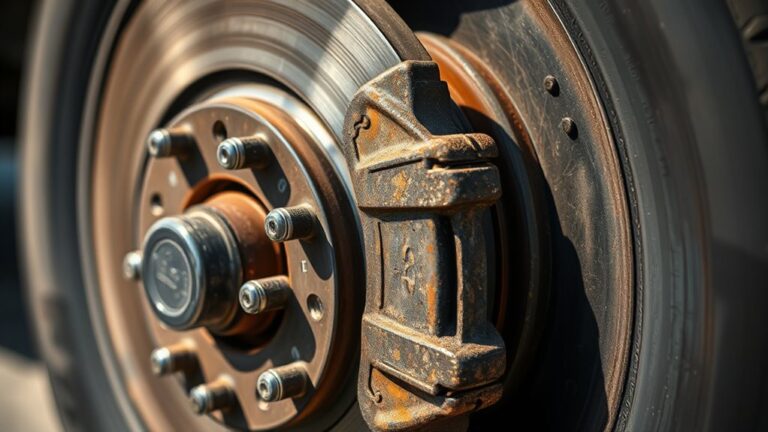
Keep an eye out for warning signs like unusual tire wear or persistent brake squeal—they can indicate deeper mechanical problems. If your engine makes grinding noises, stalls when starting, or takes too long to catch, these are clear red flags.
Rough idling or unresponsive brakes might also point to underlying issues affecting your vehicle’s ability to start and run smoothly. Ignoring these signs could lead to more damage and higher repair costs.
When you notice these symptoms along with starting difficulties, it’s time to call a mechanic. Getting your car checked early can prevent the problem from getting worse.
Frequency and Duration
Most starting issues that last beyond a few attempts to start your car should prompt a call to a mechanic. If your vehicle keeps having trouble starting over days or weeks, it’s time to get professional help.
Persistent problems can hurt your fuel efficiency and might be caused by issues like fuel system troubles or worn-out parts. Consider calling a mechanic if:
- Your car takes longer than usual to start
- You notice it stalls or misfires often
- You mostly take short trips
- Your fuel economy drops noticeably
- The issue continues even after adding fuel or simple maintenance
Ignoring ongoing starting problems can lead to bigger and more expensive repairs later on. Fixing these issues early keeps your vehicle dependable and saves you money.
Frequently Asked Questions
Can Using Expired Fuel Cause Starting Issues?
Yes, using expired fuel can cause starting issues because gas quality gets worse over time, leading to contamination.
When fuel sits too long, it can form deposits or undergo phase separation, making it harder for your engine to start smoothly.
If you’ve used old fuel, it’s a good idea to drain the tank and refill with fresh fuel to improve combustion and avoid more starting problems.
Regularly check the fuel’s freshness to keep your car running reliably.
Does a Faulty Ignition Switch Affect Starting After Fueling?
Yes, a faulty ignition switch can cause starting issues after fueling, acting like a misfiring heartbeat in your car’s electrical system.
When the ignition switch malfunctions, it interrupts power flow, preventing your engine from turning over properly.
This issue compromises the electrical system, and you may find your car stuck in a standstill.
Have it checked promptly to restore your vehicle’s rhythm and guarantee a smooth start every time.
Can Flooded Engine Prevent the Car From Starting?
Yes, a flooded engine can prevent your car from starting. When you add fuel, excess fuel vapor or engine flooding happens, which causes too much liquid in the cylinders.
This prevents proper combustion and stalls the engine. To fix this, you can wait for the fuel to evaporate, press the accelerator pedal while cranking, or use a starting fluid.
Proper maintenance helps reduce the chance of engine flooding.
What Role Does the Battery Play in Starting Problems Post-Gas?
Your battery health greatly affects starting problems after filling up, since a weak or failing battery can’t provide the power needed to start your car.
If the electrical system is compromised, it struggles to turn the engine over. Regularly check your battery’s condition and keep the terminals clean.
If issues continue, think about replacing the battery or inspecting the electrical system, as they’re key for a smooth startup.
Might Recent Weather Changes Cause Issues With Starting After Fueling?
Yes, recent weather changes can cause starting issues after fueling. Cold weather might introduce water into the fuel, which can freeze or clog your fuel system, making it harder for your engine to start.
On the other hand, hot weather can cause vapor lock, which disrupts the fuel flow. Weather conditions definitely play a role in how smoothly your car starts after refueling, especially if your vehicle isn’t built to handle these temperature changes.
Conclusion
If your car refuses to start after fueling, don’t jump to conclusions or panic like someone needing to call a cobbler. Instead, check for common issues like contamination, wrong fuel, or pump problems. Sometimes, a simple fix is all it takes.
Before it turns into a full-blown mystery, like digging for an ancient treasure, consider these straightforward checks. When in doubt, calling a mechanic is the smart move so you’re not left stranded in the rain without a trusty ride.
Focusing on these usual suspects can save you time and money. A little patience and inspection go a long way when your car refuses to start after putting gas in.