Why Your Transmission Shifts Hard From 2nd to 3rd: Causes, Effects, and Solutions
Many drivers experience those frustrating moments when their transmission shifts hard from 2nd to 3rd gear. You’re not alone—this is a common issue that can really disrupt your smooth ride.
If your transmission shifts hard from 2nd to 3rd, it’s likely due to issues like low or degraded transmission fluid, worn clutch components, or faulty shift solenoids. These problems can cause jerking, delays, or harsh engagement when shifting gears.
Regularly checking your fluid condition and levels can help prevent this. Persistent problems may require professional repairs. Keep going to find more tips on how to fix and prevent these issues for smoother shifting.
Key Takeaways
- Low or degraded transmission fluid can cause hydraulic pressure loss, which leads to hard shifts between 2nd and 3rd gear. Check your fluid levels regularly to keep things running smoothly.
- Malfunctioning shift solenoids can disrupt how gears engage, causing rough or delayed shifts. If you notice your transmission acting up, it might be time to have these checked.
- Worn clutch components or damaged gears make smooth transmission transitions difficult. Replacing worn parts can restore seamless shifting.
- Mechanical issues like bent or chipped gears increase resistance inside the transmission, resulting in hard shifting. Keeping the gears in good shape helps prevent this.
- Regularly checking and maintaining your transmission fluid and components is key. It can prevent hard shifts and keep your gear changes smooth.
How Do Transmission Shifts From 2nd to 3rd Gear Work?
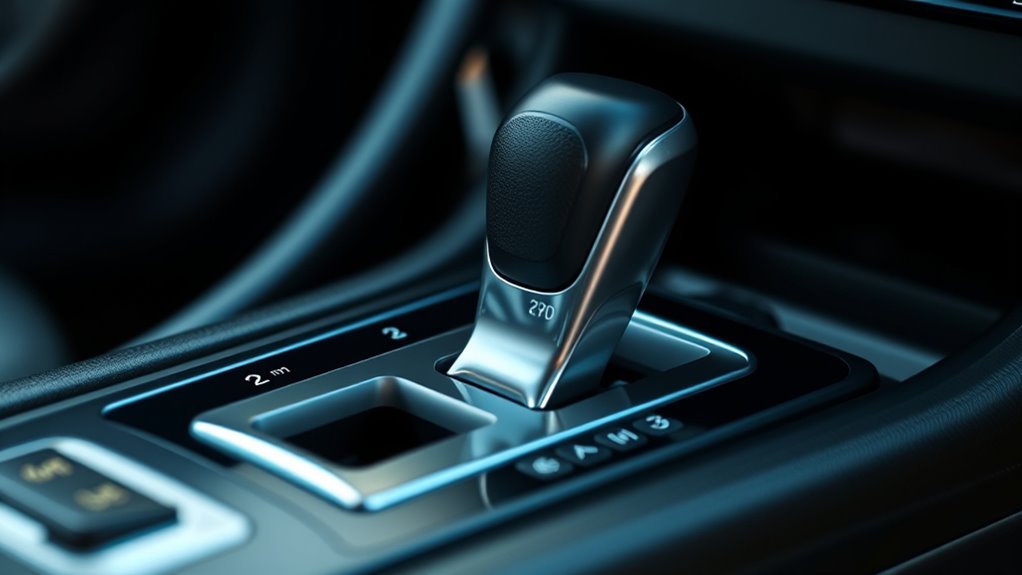
When your vehicle shifts from 2nd to 3rd gear, the transmission engages different gear sets to boost speed and efficiency. The gear mechanism, which includes interlocking gears, adjusts to meet your driving needs.
Shifting from 2nd to 3rd gear enhances speed and efficiency through precise engagement of gear sets.
As you accelerate, sensors or your gear shift signal the transmission to shift gears. In manual transmissions, the clutch engages; in automatics, the torque converter takes over to disconnect power briefly. This allows the gears to change smoothly.
Shift timing is really important. It makes sure the gear change happens at the right moment, avoiding jerks or slipping. The transmission’s control system manages this timing precisely, coordinating gear engagement and disengagement.
This process helps transfer power effectively from the engine to the wheels. When everything works properly, it results in a seamless shift, making your drive smoother and your vehicle perform better.
Why Is My Car Jerking When Shifting Gears? Signs Your Transmission Might Be Failing
If your car jerks when shifting gears, it’s definitely a sign that something isn’t quite right. It could be caused by a few common issues, like low transmission fluid, worn-out clutch components, or transmission misalignment.
Paying attention to these signs early on can really help you avoid more serious damage and expensive repairs down the line. So, if your car starts to jerk or shift rough, it’s worth getting it checked out sooner rather than later.
Common Jerking Causes
A car that jerks or shudders during gear shifts often signals underlying transmission issues. One common cause is improper transmission fluid viscosity, which can lead to insufficient lubrication and inconsistent hydraulic pressure, making shifts rough.
If the fluid is too thick or too thin, your transmission struggles to engage gears smoothly. Another culprit is malfunctioning shift solenoids, responsible for controlling hydraulic flow. When these solenoids fail or stick, they disrupt proper gear selection, causing jerks.
Regularly checking your transmission fluid and ensuring it’s at the right level and viscosity is vital. Furthermore, diagnosing and replacing faulty shift solenoids can restore smooth shifting. Addressing these issues promptly prevents more severe damage and keeps your transmission performing properly.
Warning Transmission Symptoms
Noticing your car jerking or shuddering during gear shifts is a clear warning sign that something’s wrong with your transmission. One common indicator is if your transmission fluid has changed color, turning from clear or pink to dark, burnt-looking hues. This suggests the fluid is degrading and may no longer lubricate properly.
Moreover, rough gear engagement, especially from 2nd to 3rd gear, can lead to jerking or hesitation. If your vehicle stalls or shifts abruptly, it points to possible transmission problems.
You might also feel a delay in response or hear strange noises during shifts. These symptoms signal that your transmission could be failing and need prompt attention to prevent further damage and costly repairs.
Common Causes of Hard Shifts From 2nd to 3rd Gear
Hard shifts from 2nd to 3rd gear often come from issues inside the transmission or related parts. You might notice it if the gears hesitate or feel rough during the shift. Three common causes include:
- Gear lubrication problems Insufficient or degraded lubricant can cause gears to stick or delay shifting, making the shift feel harsh.
- Shift synchronization issues If the sync system isn’t working right, the gears won’t line up properly, causing a hard shift.
- Worn or damaged clutches Worn out or damaged clutches can block smooth gear engagement, especially between 2nd and 3rd gear.
To fix these problems, check the gear lubrication levels, inspect the synchronization system, and replace worn clutch parts. Catching these issues early can help prevent further damage and keep shifting smooth.
Transmission Fluid Problems That Cause Jerky Shifts
Typically, jerky shifts happen when transmission fluid problems make it hard for the gears to transfer power smoothly. If the fluid is low, contaminated, or broken down, it can’t do its job of lubricating and helping gears sync up.
When the transmission fluid is old or dirty, it doesn’t flow right. This causes inconsistent pressure and delays gear engagement, which makes your vehicle jerk or feel rough during shifts.
Incorrect fluid levels can also strain the transmission, making it struggle to shift smoothly. Regularly checking and replacing the fluid keeps everything lubricated and maintains proper pressure.
If you keep experiencing jerky shifts, it’s a good idea to check the transmission fluid first. A simple flush or refill might be all that’s needed.
Keeping the transmission fluid clean and at the right level is key to smooth gear changes and avoiding rough shifts.
Mechanical Failures That Lead to Hard Gear Changes
Mechanical failures within the transmission can cause hard gear changes by disrupting the precise operation of internal components. When parts like the clutch or synchronizers fail, smooth shifting becomes difficult. You might notice rough passages, especially from 2nd to 3rd gear.
Here are some common causes:
- Worn Clutch Engagement: If the clutch doesn’t fully engage, it hampers gear progression, leading to harsh shifts and delayed gear synchronization.
- Broken Synchronizers: These parts help match gear speeds during shifts. When they fail, gears clash or grind, causing abrupt shifts.
- Damaged Gear Components: Bent or chipped gears create misalignment and resistance, making gear changes feel tough or jerky.
To fix these mechanical issues, professional inspection is usually necessary. They involve internal parts that need precise repair or replacement for smooth gear shifting.
How Can You Diagnose Transmission Issues at Home?
Diagnosing transmission issues at home starts with paying close attention to how your vehicle shifts. Notice if the shifts feel rough or if there’s hesitation, especially between 2nd and 3rd gear.
Check your transmission fluid level and color. Dark, dirty, or burnt-smelling fluid often indicates problems that could lead to rough shifting. Inspecting the fluid helps spot degradation or contamination early.
Next, listen for strange noises or vibrations during gear changes. These can point to gear synchronization issues inside the transmission. You should also watch for slipping out of gear or delays in shifting, which can mean internal wear or mechanical failure.
Use a flashlight to look at the transmission fluid sight glass if you have one. Check for clarity and proper color. Regularly monitoring these signs can give you clues early on, letting you catch issues before they turn into costly repairs.
Quick Fixes Before Visiting a Mechanic
Before you head to the mechanic, it’s a good idea to check your transmission fluid level. If it’s low, that could be causing some shifting problems. While you’re at it, take a quick look at the transmission filter—see if it’s dirty or has debris blocking the flow. Fixing these simple things might just solve the issue or at least give your mechanic a better idea of what’s going on.
Check Transmission Fluid Level
Checking your transmission fluid level is a simple step you can take to quickly address shifting issues. Low or dirty fluid can mess with gear synchronization, causing hard shifts from 2nd to 3rd gear.
To check the level, park your vehicle on a level surface and start the engine. Find the transmission dipstick, usually near the back of the engine bay.
Pull out the dipstick, wipe it clean, reinsert it, and then check the fluid level. Make sure it’s between the marked limits.
If the fluid is low, add the correct transmission fluid for your vehicle. Keeping the fluid at the right level helps ensure smoother gear shifts and prevents more transmission problems.
Inspect Transmission Filter
Inspecting your transmission filter is a simple step you can take to catch shifting problems early. A clogged or dirty filter can block fluid flow, leading to hard shifts from 2nd to 3rd gear.
Regular checks help you spot debris, sludge, or dirt buildup that could be affecting your transmission’s performance. Keep in mind that extreme weather can speed up filter contamination or cause fluid breakdown, making shifting issues worse.
If your vehicle’s due for a transmission upgrade, having a clean filter is even more important for smooth operation. Replacing or cleaning the filter is an affordable, quick fix before you visit a mechanic.
Maintaining a clear filter improves shift smoothness, helps prevent further damage, and extends your transmission’s lifespan. Regular inspections ensure better performance no matter the climate.
When Should You Seek Professional Transmission Repair?
Recognizing the right time to seek professional transmission repair can prevent more extensive damage and costly repairs down the line. If you notice persistent shifting problems, it’s time to act. Here are key signs:
Knowing when to get professional transmission repair can save you money and prevent further damage.
- Delayed or rough shifts: If your vehicle hesitates or jerks when changing gears, it indicates issues with transmission fluid quality or gear synchronization.
- Unusual noises: Whining, clunking, or slipping sounds during shifts suggest internal damage that needs expert diagnosis.
- Fluid leaks or low fluid levels: Loss of transmission fluid can cause hard shifting. If topping off doesn’t help, professional repair is necessary.
Don’t neglect these signs—they can worsen over time. Prompt professional inspection ensures proper diagnosis and fixes before more serious damage occurs, saving you money and keeping your vehicle running smoothly.
How to Prevent Hard Shifts in the Future
Taking proactive steps can help you avoid the frustrating experience of hard shifting altogether. First, regularly check your transmission fluid color—clean fluid is typically bright red. If it appears dark or burnt-looking, it’s a sign it needs replacement.
Maintaining proper transmission fluid levels ensures smooth gear changes. Second, consider a gear ratio adjustment if shifting feels rough or delayed. This service fine-tunes the transmission for the best performance.
Keeping up with these checks can prevent shifting issues before they start. Also, follow your vehicle manufacturer’s recommended service intervals to avoid dirt and debris buildup that can interfere with shifting.
If you notice the transmission fluid is discolored or shifts become harsher, don’t delay in addressing these problems. Regular maintenance and timely repairs help keep your transmission running smoothly, reducing hard shifts and extending its lifespan.
Key Maintenance Tips for Smooth Gear Shifting
Want your transmission to shift smoothly? It’s pretty simple—just make sure to regularly check the transmission fluid level and see that the fluid is in good shape. Low or dirty fluid can cause all sorts of shifting issues, so keeping an eye on it really helps.
Also, don’t forget about your clutch. proper adjustment of the clutch can make a big difference in preventing stiff or jerky shifts. Taking these small steps can really keep your gear performance at its best and make driving a lot more comfortable.
Regular Transmission Fluid Checks
- Inspect the fluid’s color and smell. If it’s dark or has a burnt smell, it’s time to change it.
- Check the fluid levels according to your vehicle’s manual, and add fluid if needed.
- Change your transmission fluid at the recommended intervals. This helps keep gears aligned properly and prevents shifting problems.
Keeping your transmission fluid in good shape makes shifts smoother, especially between 2nd and 3rd gear. Regular checks help catch issues early and save you money on repairs later.
Proper Clutch Adjustment
Make sure the clutch pedal fully engages and disengages so you have precise control. Check the free play in the clutch pedal, and adjust the clutch cable or linkage if needed.
Getting the adjustment right helps keep the clutch disc and pressure plate aligned, making gear engagement smooth. This also reduces wear on transmission parts and helps prevent hard shifts.
Regularly inspect and maintain your clutch adjustment to ensure smoother gear changes and a more comfortable driving experience. Remember, a properly adjusted clutch is essential for overall transmission performance.
Frequently Asked Questions
Can Hard Shifts From 2nd to 3rd Cause Long-Term Engine Damage?
Hard shifts from 2nd to 3rd can cause long-term engine damage if you ignore them. When your transmission fluid is low or contaminated, or if shift solenoids malfunction, it puts extra stress on the transmission.
Over time, this strain can lead to worn components or even transmission failure. To avoid that, check your fluid levels regularly and replace faulty shift solenoids. Doing so helps prevent long-term damage and keeps your vehicle running smoothly.
Do Transmission Tune-Ups Improve Shifting Performance?
A transmission tune-up is like giving your car a check-up; yes, it can improve shifting performance. It addresses fluid degradation, making sure the fluid flows smoothly, and sensor calibration, which helps align shift points.
When these components are optimized, your transmission shifts more seamlessly and reduces hard shifts. Regular tune-ups can keep your transmission running smoothly and help extend its lifespan.
How Much Does It Typically Cost to Repair Transmission Shifting Issues?
Repairing transmission shifting issues usually costs between $300 and $1,200, depending on what’s causing the problem.
If your issue is due to low transmission fluid or contamination, simply topping it off or flushing it might do the trick.
For manual transmissions, a clutch adjustment could be needed, which will add to the cost.
It’s always a good idea to have a professional diagnose the problem to find the best fix.
This way, you’ll enjoy smoother shifts and better overall vehicle performance.
Are Hard Gear Shifts More Common in Automatic or Manual Transmissions?
Hard gear shifts are more common in automatic transmissions, with about 70% of complaints falling into this category. You might notice this if your transmission fluid is low or degraded.
The gear mechanism relies heavily on proper fluid flow, so if the fluid isn’t circulating correctly, shifts can feel rough. Regular maintenance and checking your transmission fluid can often prevent or fix these issues.
Keeping the fluid clean and at the right level usually helps improve shift smoothness.
Can Driving Habits Influence Transmission Shifting Smoothness?
Your driving style can definitely influence how smoothly your transmission shifts. Hard shifts often happen if you accelerate too quickly or jerk the gear lever, especially in automatic vehicles.
Regular transmission maintenance, like fluid changes and inspections, helps keep shifts smooth. Avoid aggressive driving habits and try to accelerate and decelerate gently.
Conclusion
To keep your shifts smooth and your drives steady, stay attentive to your transmission’s needs, check fluid levels regularly, and address issues early.
Think of your transmission as the heartbeat of your car, pulsing with power and demanding care. It thrives on maintenance and regular checkups.
By staying proactive, you’ll prevent jerks, avoid breakdowns, and keep your journey seamless from second gear to third and beyond.
Your car’s performance depends on how well you nurture its rhythm and respond to its signals—especially when shifting from 2nd to 3rd gear.