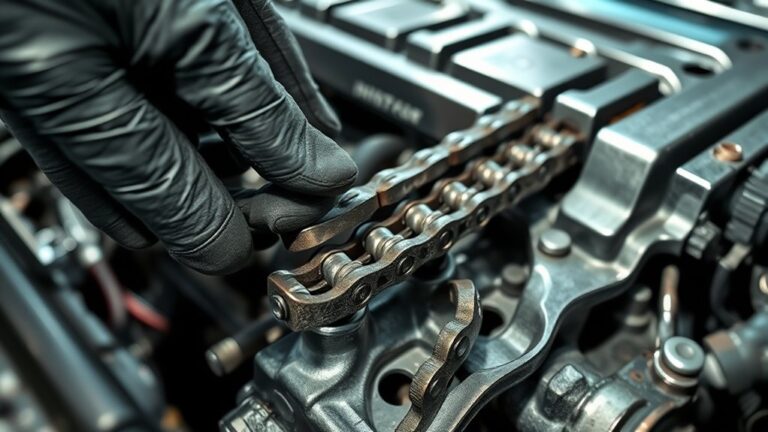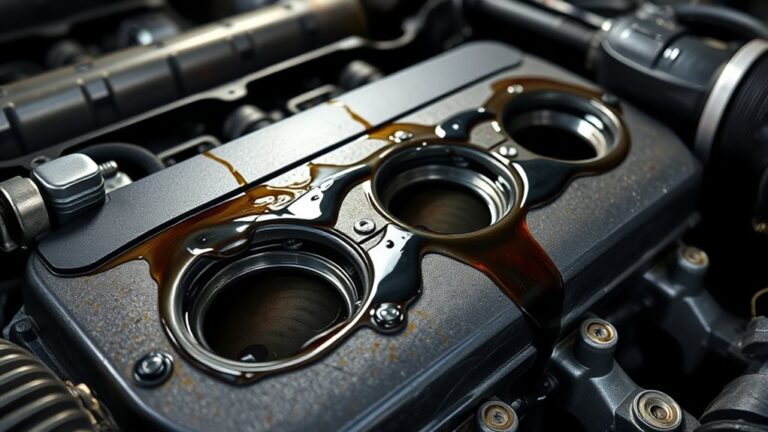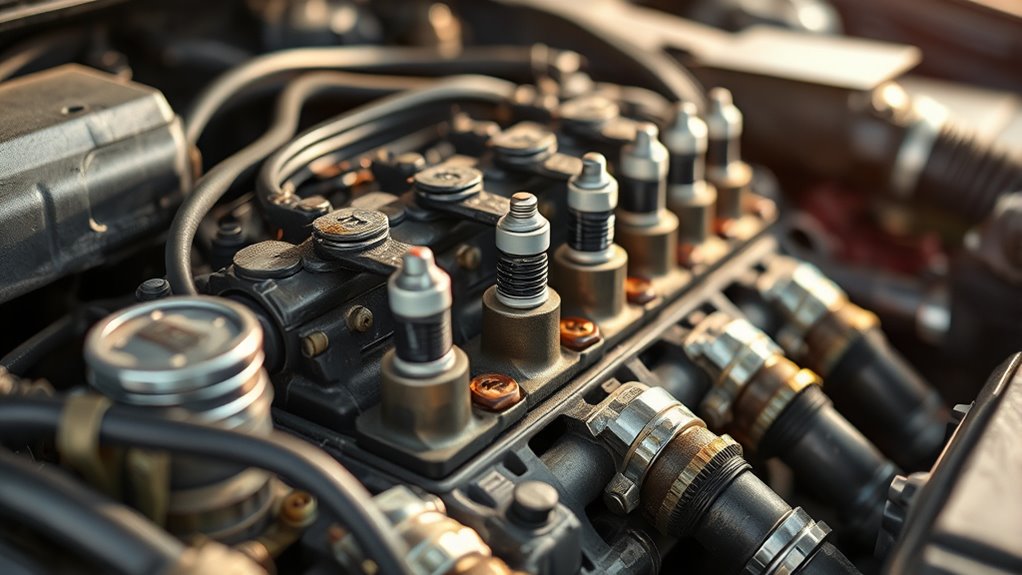
Troubleshooting Engine Popping Noise and Power Loss | Causes & Solutions
Dealing with engine popping noises and sudden power loss can be incredibly frustrating. Many drivers feel stuck trying to figure out what’s wrong with their vehicle, and you’re not alone in this struggle.
Troubleshooting engine popping noise and power loss involves checking for common issues like faulty spark plugs, damaged wires, or fuel delivery problems.
Use an OBD-II scanner to identify any engine codes that can point to specific parts needing repair.
Inspect the ignition system, exhaust, and air intake for leaks or blockages, and verify sensor operation.
Continuing your investigation can help you find the root cause and get your vehicle running smoothly again.
Key Takeaways
- Use an OBD-II scanner to check for engine codes related to misfires, sensors, or fuel system problems.
- Take a look at your spark plugs, wires, and ignition coils for any wear or damage that could cause misfiring and noises.
- Make sure your fuel filters, pumps, and the quality of your fuel are all good to avoid delivery issues that lead to power loss.
- Check your vacuum hoses, intake seals, and sensors for leaks or malfunctions that might be messing with engine performance.
- Keep an eye on your engine temperature and oil levels regularly to catch overheating or lubrication issues that could impact power.
How to Recognize Engine Popping Noises and Power Loss
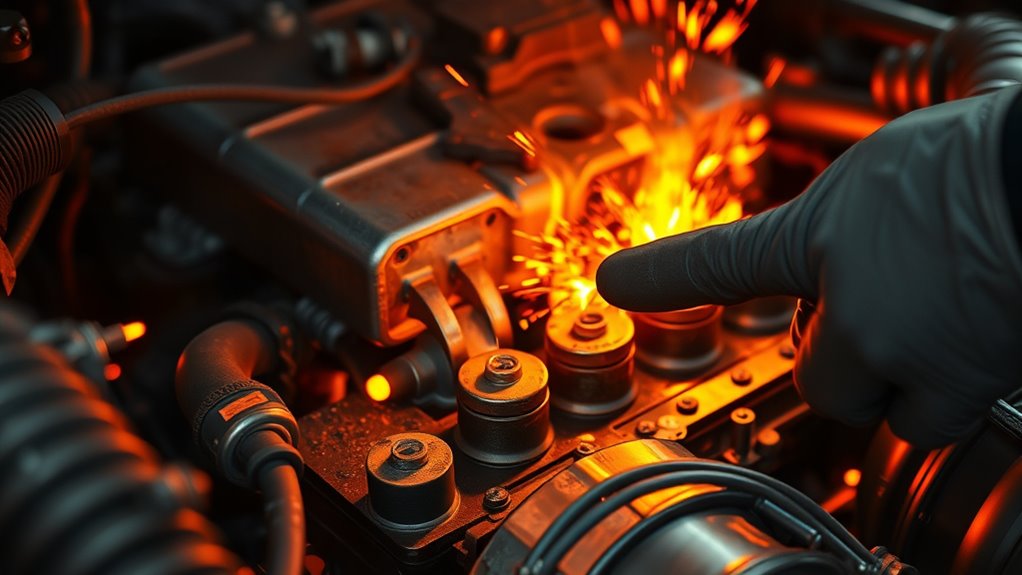
Recognizing engine popping noises and power loss is crucial for spotting car trouble early. When your engine makes sharp popping sounds, it usually means there’s a misfire or unburned fuel igniting in the exhaust.
You might also notice a sudden change in engine noise, especially if it’s irregular or loud. Power fluctuations, like sudden drops in performance, are another key warning sign.
If your vehicle feels sluggish or stutters during acceleration, it could be a fuel delivery or ignition issue. Listening carefully to the engine helps you spot these symptoms.
Pay attention to the pattern—the irregular noise, sudden dips in power, or inconsistent performance. Recognizing these signs early can help you know when to get professional help.
Doing so can prevent further damage and keep your vehicle running smoothly.
Diagnosing Your Car’s Symptoms: When Do They Occur?
Understanding when engine popping noises and power loss happen can help you diagnose issues more easily. For example, if you notice these symptoms during acceleration, it could mean problems with ignition timing or fuel delivery.
Recognizing when engine noises and power loss occur aids in easier diagnosis and timely repairs.
Popping sounds when accelerating often mean unburned fuel is igniting in the exhaust. This might be caused by issues with the ignition system or fuel delivery.
Power loss during steady driving might point to low engine oil, which affects lubrication and overall engine performance. Insufficient tire pressure can also increase rolling resistance and reduce efficiency.
Notice if symptoms get worse when the engine is hot. Overheating can cause power drops and knocking sounds, so keeping an eye on engine temperature is important.
Monitoring these occurrences and checking things like oil levels and tire pressure can help you identify when issues arise. Keeping these parameters in check helps you understand your car’s behavior and guides you toward necessary repairs.
Checking Engine Codes to Find the Root Cause
When symptoms like engine popping noises and power loss happen, using an OBD-II scanner to check engine codes can quickly find the root cause. These tools read the engine code stored in your vehicle’s computer, giving you clues about what’s wrong.
By connecting the scanner to your car’s diagnostic port, you can get specific codes that point to issues like misfires or sensor failures. This helps you narrow down the troubleshooting process, saving you time and effort.
Once you have the engine code, look it up to understand what it means. It guides your next steps—whether that’s fixing a sensor, replacing spark plugs, or resolving fuel system problems.
Regularly checking engine codes with diagnostic tools helps catch issues early. This can prevent further damage and get your vehicle back to performing well.
Troubleshooting Ignition System Problems
Ignition system problems can cause engine popping noises and power loss, so finding the actual issue takes a systematic approach. First, check for worn or damaged spark plugs and wires, since faulty parts often lead to misfires and strange engine sounds.
While you’re inspecting, make sure your engine oil is at the right level and clean. Low or dirty oil can mess with ignition timing and hurt overall engine performance. Also, verify that your transmission fluid levels are adequate because slipping transmission can mimic ignition problems and cause power loss.
Ensure your engine oil is clean and at the correct level, and check transmission fluid to prevent power loss.
If the ignition coil is faulty, it can lead to weak sparks or misfires, which in turn cause engine noise and hesitation. Remember, unstable ignition affects how fuel burns, often leading to popping sounds. Keeping up with regular oil and transmission fluid changes helps ensure your ignition system runs smoothly.
Addressing ignition issues promptly can prevent further damage and help restore your engine’s power.
How to Inspect and Replace Spark Plugs and Wires
First, take a good look at your spark plugs and wires to spot any signs of wear or damage. Things like cracks or corrosion should be clear indicators that they need attention. While you’re at it, check to see if your spark plugs are gapped properly—that’s important for getting the right spark. If they’re worn out or not gapped correctly, it’s best to replace them.
When you’re putting in new spark wires, make sure you connect them tightly so they stay put. It’s also a good idea to double-check that each wire is going to the right cylinder, just to keep everything running smoothly.
Checking for Wear and Damage
Regularly inspecting spark plugs and wires is essential to keep your engine running smoothly and prevent issues like popping noises and power loss.
Look for signs of wear such as carbon buildup, cracks, or corrosion on the wires, and check for worn or fouled spark plugs with burnt electrodes or deposits.
Worn plugs can cause misfiring, which can affect engine oil and coolant system performance.
Make sure the wires are tightly connected and free of damage. If you notice excessive wear or damage, replace them promptly.
Always use quality parts to maintain peak ignition and keep everything running smoothly.
Neglecting spark plug and wire health can lead to worse engine problems like poor combustion.
Regular checks help catch problems early, saving you time and money in the long run.
Proper Spark Plug Gapping
| Risk of Incorrect Gapping | Benefit of Correct Gapping |
|---|---|
| Misfires and engine hesitation can happen when the gap is not right. | When gapped correctly, your engine runs smoothly with consistent power. |
| Incorrect gapping increases emissions. | Proper gapping helps reduce engine knocking and makes emissions cleaner. |
| If the spark plug is not gapped properly, it can cause engine damage over time. | Correct gapping leads to a longer lifespan for your spark plugs. |
| Rough idling often results from improper gapping. | Properly gapped plugs ensure your engine idles smoothly. |
| Poor acceleration can be linked to incorrect gap settings. | With the right gap, your car starts reliably and responds better. |
Replacing Spark Wires Properly
After making sure your spark plugs are properly gapped, it’s just as important to check and replace your spark plug wires if needed. Worn or damaged wires can lead to misfires, engine popping, and power loss.
To replace them, start by disconnecting the negative battery terminal for safety. Gently pull back the wire boots, avoiding pulling on the wires directly. It’s a good idea to note the order or label the wires so you can match them with the new ones.
Inspect the wires for cracks or signs of wear. If you find any faulty wiring, replace them with high-quality wires. Keep in mind that regular engine oil changes and tire rotations are also important for maintaining good engine health. Neglecting these tasks could make wiring inspections more complicated.
Proper wiring maintenance helps keep your engine running smoothly and efficiently.
Spotting Fuel System Issues and Blockages
To keep your engine running smoothly, it’s important to keep an eye out for any fuel system issues, like clogged fuel filters or malfunctioning fuel pumps. These little problems can cause your car to hesitate or stall, especially during acceleration.
If you notice things like poor acceleration or engine misfires, it might be worth checking these parts first. Catching and fixing these problems early on can save you from bigger, more expensive repairs down the line and help keep your vehicle running well.
Fuel Filter Blockages
Have you noticed your engine struggling to accelerate or running rough? A clogged fuel filter might be the cause. Over time, dirt, debris, and degraded fuel can block the filter, making it harder for fuel to pass through.
This reduces fuel flow to your engine and can lead to popping sounds, power loss, or hesitation. If your engine’s performance suddenly drops, check your fuel filter.
Signs include poor acceleration, engine stalling, and rough idling. To avoid problems, replace your fuel filter regularly according to your vehicle’s maintenance schedule. Keeping fuel quality high and the filter clean helps ensure proper fuel delivery, improves efficiency, and reduces engine noise.
- Reduced engine performance
- Rough idling or stalling
- Difficulty accelerating
- Excessive engine hesitation
Fuel Pump Malfunctions
Wondering why your engine is popping or losing power? Fuel pump malfunctions often cause these issues. When the fuel pump isn’t working right, it can’t deliver a steady fuel supply, which can lead to engine hesitation and stalling.
Performing fuel pump diagnostics can help figure out if the pump is the problem. Look for signs like noise from the tank, difficulty starting, or sputtering when under load.
If you find out the pump is faulty, replacing it involves carefully removing the old one and installing a new unit. Here’s a quick guide:
| Issue | Symptom | Solution |
|---|---|---|
| No fuel flow | Engine stalls or sputters | Check fuel pump power supply |
| Poor acceleration | Loss of power | Replace the fuel pump |
| Unusual noise | Whining from the tank | Inspect and replace if faulty |
| Slow to start | Long cranking time | Perform pump replacement |
Fixing these issues helps keep your engine running smoothly.
Understanding Exhaust System and Catalytic Converter Problems
- Symptoms of exhaust system issues include strange noises, strong fuel smells, and decreased fuel efficiency.
- A failing catalytic converter might produce rattling sounds or fail emissions tests.
- Leaks in the exhaust pipe can be detected by a hissing or ticking noise.
- Regular inspection and replacement help keep your exhaust system working efficiently and prevent larger engine problems.
Finding and Fixing Vacuum Leaks and Air Intake Troubles
Vacuum leaks can really cause your engine to run poorly, so it’s a good idea to catch them early on. Take a look at the hoses and connections—see if there are any cracks or if anything feels loose. Sometimes, you might even hear a hissing sound, which is a pretty clear sign there’s a leak somewhere.
Fixing the air intake system is also super important. When it’s all working properly, it helps restore the right airflow and keeps your engine running smoothly. So, checking and fixing these issues can make a big difference in how your vehicle performs.
Detecting Vacuum Leaks Early
Early detection of vacuum leaks can save you from costly repairs and ongoing engine issues. These leaks can cause rough idling, reduced power, and poor fuel economy.
To catch leaks early, listen for hissing sounds around hoses and intake parts. Check your tire pressure too—over- or under-inflated tires can mimic vacuum leak symptoms.
Inspect vacuum hoses for cracks or disconnects. Use carb cleaner spray around intake areas and listen for RPM changes. Examine the intake manifold gasket for any leaks.
Also, keep an eye on your oil quality and pressure. Unusual contamination or pressure drops can indicate oil leaks or unburned fuel entering the crankcase.
Repairing Air Intake System
When fixing issues in the air intake system, the main goal is to find and seal vacuum leaks that can cause performance problems. Start by checking hoses and connections for cracks or loose clamps.
Fixing these leaks helps improve engine response and efficiency. You might also think about upgrading the intake system, like adding a high-performance air filter or intake manifold to get better airflow.
These upgrades help reduce restrictions and can boost engine power. Use this chart to identify common problems and how to fix them:
| Problem | Solution |
|---|---|
| Cracked vacuum hoses | Replace damaged hoses |
| Loose clamps | Tighten or replace clamps |
| Dirty filters | Clean or replace air filters |
| Intake leaks | Seal leaks with the right gasket or sealant |
Keeping up with air intake maintenance can prevent popping sounds and power loss.
The Role of Sensors and Electronics in Engine Performance
Have you ever wondered how modern engines stay at their best and respond quickly to changes? It’s all thanks to a network of sensors and electronic control units (ECUs). These sensors gather real-time data on things like temperature, air pressure, and oxygen levels. This info helps your vehicle’s electronic system make quick adjustments, keeping everything running smoothly and providing *ideal* power.
Modern engines use sensors and ECUs to maintain optimal performance and quick response to changes.
Key functions include:
- Precise sensor calibration to avoid false readings that could cause misfires or power loss
- Continuous monitoring of engine conditions for real-time adjustments
- Adjusting fuel injection and ignition timing based on sensor data
- Diagnosing issues before they become serious problems
Without properly calibrated sensors and an efficient electronic control system, your engine’s responsiveness drops. This can lead to symptoms like popping noises or power dips. Making sure these parts work right is crucial for superior engine performance and longer engine life.
When to Consult a Mechanic for Engine Troubleshooting
Understanding the signs that indicate it’s time to see a mechanic can save you from costly repairs and prevent further damage to your engine.
If you notice persistent engine popping noises or a noticeable power loss, don’t delay in consulting a professional. These issues could be linked to more complex problems, especially if they happen alongside irregular engine styling or recent car customizations that change how your engine performs.
When troubleshooting engine issues, a mechanic has the tools and expertise to diagnose accurately. If troubleshooting on your own doesn’t fix the problem or if symptoms get worse, it’s time to seek professional help.
Ignoring warning signs can lead to bigger repairs down the road, like total engine failure. A mechanic can assess whether adjustments to your car’s customization or sensors might be causing the problem.
Getting expert advice sooner rather than later means you’ll likely avoid expensive repairs later on.
Frequently Asked Questions
Can Poor Fuel Quality Cause Engine Popping and Power Loss?
Poor fuel quality can definitely cause engine popping and power loss. Fuel contamination introduces impurities that disrupt combustion, leading to engine misfire.
When your fuel isn’t clean, the engine struggles to run smoothly, which can result in popping noises and reduced power.
If you suspect bad fuel, getting your fuel system cleaned and using higher-quality fuel can help restore proper engine performance and eliminate these issues.
How Does Altitude Affect Engine Performance and Noise?
Did you know that engines can lose up to 30% of their power at high altitudes?
Altitude effects significantly influence engine performance and noise levels. As you climb higher, the air pressure drops, which means less oxygen gets into the engine.
This leads to incomplete combustion and less power output. It can also change how the engine sounds, making it louder or irregular.
To keep things running smoothly, consider adjustments like changing fuel mixtures or installing altitude compensators.
What Additional Signs Indicate Exhaust System Failure?
If your exhaust system is failing, you’ll notice signs like increased noise, strong exhaust fumes, or a decrease in fuel efficiency.
Look out for exhaust corrosion or muffler damage, which can cause leaks or loud rattling sounds.
You might also detect a rotten egg smell or unusual vibrations.
These issues indicate exhaust system failure and should be tackled promptly to prevent further damage and guarantee your vehicle runs smoothly.
Can ошибка in the Timing Belt Trigger These Issues?
A misalignment in the timing belt can subtly affect your engine’s harmony, possibly causing noise concerns and impacting performance.
When the timing belt slips or wears out, it might trigger spark timing issues, leading to popping sounds and a loss of power.
If you notice irregular noises, it’s a good idea to check the timing belt promptly. A misdiagnosed timing belt problem could be mistaken for other engine issues, so timely maintenance is important.
How Do Temperature Changes Impact Engine Noise and Power?
Temperature changes, especially during a cold start, affect engine noise and power because of thermal expansion. When the engine is cold, its parts contract, making the engine run louder and less smoothly.
As it warms up, those parts expand and fit together better, which boosts power and lowers noise levels. Sudden temperature shifts can cause vibrations or knocking sounds, so it’s best to let your engine warm up gradually.
Doing that helps keep noise at a normal level and ensures your engine performs well.
Conclusion
If you’re still unsure about fixing that popping noise or power loss, don’t worry—you’ve got the tools to get started.
Sometimes, tackling simple checks like spark plugs or vacuum leaks does the trick. If the problem continues, it’s a good idea to consult a mechanic.
Addressing these issues early helps prevent more costly repairs down the line. Taking action now will keep your engine running smoothly for miles to come.