
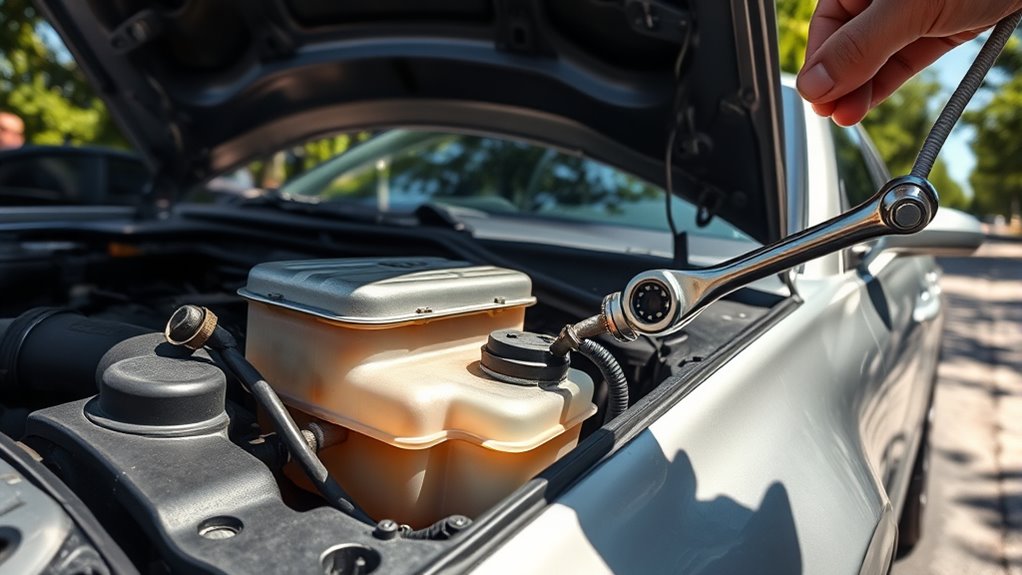
Why Did My Power Steering Went Out Then Came Back? Learn Causes & Solutions
Are you frustrated when your power steering suddenly cuts out, leaving you struggling to steer? You’re not alone—many drivers experience these unexpected issues, and it can be nerve-wracking.
Your power steering may cut out temporarily due to issues like low or contaminated fluid, a slipping belt, or electrical glitches such as faulty wiring or sensors. These problems can cause brief loss of assist but may resolve once the system resets or fluid recovers.
If you want to understand the common causes and simple solutions for these sudden changes, keep looking into the details to help keep your steering smooth and reliable.
Key Takeaways
- Temporary belt slippage or tension issues can cause your power steering to shut down and then restart once the belts realign.
- Low or fluctuating fluid levels from leaks can lead to intermittent power steering failure, which may restore when the fluid temporarily recovers.
- Air trapped in the hydraulic system can cause occasional loss of assistance, usually resolving itself when the system self-bleeds or the fluid shifts.
- Electrical problems like loose wiring or failing sensors might disrupt the system temporarily and fix themselves when connections get jostled.
- Contaminated or insufficient fluid can cause brief failure, with the system’s performance improving after you top up or clean the fluid.
Understanding Intermittent Power Steering Failures
Intermittent power steering failures can be tricky because they don’t happen all the time, making it hard to find the cause. You might suddenly feel your steering wheel is heavy or unresponsive, then it goes back to normal without warning.
Intermittent power steering issues can be hard to diagnose due to their unpredictable nature.
A common sign to watch for is fluid leaks under your car. These leaks can lower fluid levels and cause temporary steering issues. Usually, leaks come from worn hoses, loose clamps, or damaged seals that reduce hydraulic pressure.
When fluid leaks happen, the steering system doesn’t get the lubrication it needs, leading to occasional hard steering. Since these problems come and go, it’s easy to miss them, but paying attention to leaks and steering feel can help you figure out the issue.
Spotting fluid leaks early can prevent more damage. Keeping an eye on your fluid levels and the condition of your hoses makes fixing these problems easier before they become permanent.
What Causes Power Steering to Fail Temporarily?
You might notice that your power steering acts up sometimes because of changes in the fluid level or problems with the steering belt. For example, if your fluid is low, steering can feel really stiff or you might suddenly lose that easy, assisted feeling. It’s pretty common, and usually an easy fix.
On the other hand, if the steering belt is worn out or loose, it can mess with the system’s movement too. Luckily, fixing these simple issues often gets your steering back to normal without needing any major repairs.
Fluid Level Fluctuations
Contamination can also be a problem. Dirt or debris can mess with the fluid’s consistency, making the system less efficient. Regular reservoir maintenance is key—check the fluid, refill when needed, and make sure the lid is secure.
If you notice the fluid level changing often, it could mean there’s a leak or an internal issue. Addressing these problems quickly helps keep your power steering working smoothly and prevents sudden failures.
Power Steering Belt Issues
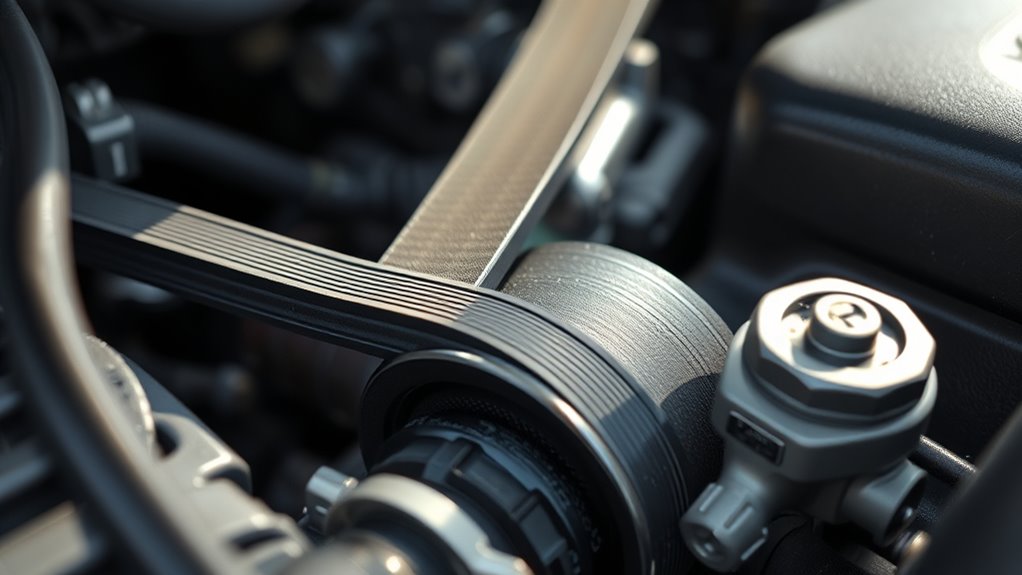
When the power steering belt becomes loose, worn, or damaged, it can cause the system to fail temporarily. This belt drives the power steering pump, so if it slips or breaks, steering can become difficult.
You’ll notice signs like increased vibrations in the steering wheel and a decrease in power steering fluid circulation. If the belt slips, you might also hear squealing sounds and feel that steering is heavy.
Regular inspections can help catch these issues early, preventing more serious problems down the line.
| Cause | Effect |
|---|---|
| Loose belt | Reduced power steering performance |
| Worn or cracked belt | Slipping and vibrations |
| Damaged tensioner | Belt misalignment and failure |
| Low power steering fluid | Pump can seize or fail |
| Belt slipping or breaking | Temporary loss of power steering |
How Does Low Power Steering Fluid Lead to Steering Problems
Low power steering fluid levels can make your steering feel stiff or unresponsive. When the fluid is low, the system has trouble providing smooth help, leading to various issues.
Low power steering fluid causes stiffness and unresponsiveness, making steering difficult and less smooth.
Here’s what happens:
- Increased Power Steering Noise: You might hear whining or squealing sounds, especially when turning, because the pump has a hard time working without enough fluid.
- Steering Wheel Vibration: Low fluid causes uneven pressure in the system, which can make your steering vibrate noticeably.
- Difficulty Turning the Wheel: When the fluid is insufficient, steering can become hard to maneuver, making turns sluggish or resistant.
These problems happen because the fluid lubricates and cushions the moving parts. When levels drop, the pump and other parts have to work harder, causing noise and vibrations.
Keeping your fluid levels in check helps prevent these steering issues and keeps everything running smoothly.
Signs Your Power Steering Pump Might Be Failing
A failing power steering pump often shows signs you shouldn’t ignore. One common clue is stiff steering, especially when driving at low speeds, making turns harder than usual.
If you hear a whining or groaning noise when turning the wheel, it could mean your power steering fluid is low or the pump is struggling. Keep an eye out for leaks around the steering components, too—fluid leaks can point to pump failure.
Additionally, if your steering feels overly responsive or jerky, it might be a sign the pump isn’t providing steady pressure. Sudden resistance or changes in steering effort are also warning signs.
If your power steering fluid levels are normal but you still experience these issues, it’s probably the pump that’s failing. Addressing these signs early helps prevent further damage and keeps your steering responsive and safe.
Could a Slipping Power Steering Belt Be the Culprit?
Could a slipping power steering belt be the root cause of steering issues? Absolutely. If your belt isn’t tightening properly, it can’t turn the power steering pump effectively, leading to intermittent or sudden loss of power steering. Here’s what to check:
- Belt Tension: If the belt feels loose or is slipping, it won’t generate enough power to operate the pump correctly.
- Belt Condition: Cracks or fraying indicate wear, which reduces grip and causes slipping.
- Power Steering Fluid: Low fluid levels or contamination can make the belt slip as the system struggles to maintain pressure.
Addressing belt tension can often restore proper function. Remember, a loose or worn belt affects not just power steering fluid flow but also the overall performance of your steering system. Make sure to inspect your belt regularly to prevent sudden steering issues.
How Air Gets Trapped in the Power Steering System and Why It Matters
Air can sneak into your power steering system through things like leaking seals, not doing fluid changes the right way, or even during repairs. When air gets in there, it messes with how well the fluid does its job of helping you steer.
Basically, it makes steering feel stiff or noisy, and that can really throw off your control of the car. So, keeping an eye out for air in the system is pretty important to keep things running smoothly.
Causes of Air Entrapment
Understanding how air gets trapped in the power steering system is important because it can lead to poor steering and damage to parts. Air mainly enters the system through a few common causes.
Leaks in hoses or seals can pull air in, creating bubbles that disrupt the flow. Low fluid levels can also cause air to mix with the fluid, leading to cavitation problems.
Poor bleeding procedures are another cause—if the system isn’t properly purged after maintenance or topping up fluid, air stays trapped inside.
These air bubbles can cause cavitation, which might damage the pump and make steering feel jerky or unresponsive. Recognizing these causes helps you avoid steering issues and keep the system healthy.
Impact on Steering Performance
When air gets trapped in the power steering system, it messes with the smooth flow of hydraulic fluid and causes steering problems. You might notice it takes more effort to turn the wheel or feels sticky, making steering less responsive.
This trapped air can also lead to inconsistent feedback from the steering wheel, which can be pretty confusing during turns or quick maneuvers. Overall, it makes driving feel unpredictable or heavy, and you’ll probably have to fight the wheel more than usual.
Over time, the air might cause vibrations or noise, which can further hurt steering performance. Fixing the air issue quickly helps restore the hydraulic system’s efficiency, giving you smooth and predictable steering.
This makes driving safer and much more comfortable.
Electrical Problems That Affect Power Steering
Electrical problems can seriously disrupt your power steering system, making steering feel heavy or unresponsive. Common issues include faulty electrical connections, failing sensors, or problems with the power steering control module.
To troubleshoot effectively, start with these steps:
- Electrical diagnostics: Use a tester to check for loose or corroded wiring connections connecting your power steering system to the vehicle’s electrical system.
- Battery health: Ensure your battery is in good condition. A weak or failing battery can lead to insufficient power supply, causing the power steering to malfunction temporarily.
- Fuses and relays: Inspect fuses and relays related to the power steering system; blown fuses can cut off electrical flow, making steering stiff or unresponsive.
Addressing these electrical issues promptly helps prevent further damage and assures your power steering system functions smoothly. For an accurate diagnosis, consider consulting a professional mechanic.
When Is It Time to Inspect Your Power Steering System?
If you notice your power steering feeling heavier than usual or making strange noises, it’s probably time to get it inspected. Changes in how your steering responds can happen because of things like road conditions and environment.
For example, rough roads or uneven terrain put extra pressure on the system, which could mean leaks or worn parts need checking. If your steering feels inconsistent on different surfaces, catching it early can stop bigger problems.
Regular inspections help make sure everything works smoothly and catch issues caused by the environment before they get worse.
| When to Inspect | Why It Matters |
|---|---|
| Unusual noises or steering heaviness | Might point to fluid or part problems |
| Changes with road surface conditions | Shows stress from terrain |
| Difficulty turning or responsiveness | Could mean mechanical wear |
| Visual signs of leaks or damage | Needs quick attention to avoid failures |
Troubleshooting Tips for Intermittent Power Steering Problems
When you’re dealing with intermittent power steering problems, the first thing you’d want to do is check the power steering fluid. Make sure it’s at the right level and that the fluid looks clean—no contamination or discoloration. Sometimes, dirty or low fluid can cause those erratic steering issues you’re experiencing.
Next, take a look at the power steering pump itself. Listen for any unusual noises or signs of damage. If it’s making whining sounds or seems worn out, that could be the culprit. These simple checks can really help you narrow down what’s going on before you decide to dive into more complicated repairs.
Check Power Steering Fluid
The first step in troubleshooting intermittent power steering problems is to check the fluid level in the power steering reservoir. Low fluid can make the steering wheel feel stiff or unresponsive, reducing the power assist.
To ensure proper flow, follow these steps: Park your car on a level surface and turn off the engine. Open the hood and locate the power steering fluid reservoir.
Check the fluid level against the marked indicators, and add the recommended fluid if needed. If the fluid is low, refilling might restore smooth steering.
However, if the fluid looks dark or foamy, you should consider flushing the system. Keeping the fluid level proper is vital for consistent power assist and avoiding erratic steering behavior.
Inspect Power Steering Pump
Why does your power steering sometimes feel jerky or unresponsive? It could be due to issues with your power steering pump. Start by inspecting the pump for leaks, noise, or signs of wear.
A failing pump may cause fluctuations in pressure within the hydraulic system, leading to intermittent steering. Check the power steering sensors—they help monitor fluid pressure and relay info to the pump.
If these sensors malfunction, the pump might not operate smoothly. Listen for whining sounds or difficulty turning the wheel, which are signs of a failing pump.
Make sure the pump’s pulley turns freely and that fluid flow isn’t impeded. Troubleshooting the pump’s condition can help identify if it’s the root of your intermittent steering problems.
When Should You Seek Professional Help for Power Steering Issues?
Detecting problems with your power steering early can save you from more costly repairs later. If you notice persistent issues like difficulty turning the wheel, strange noises, or uneven steering wheel alignment, it’s time to seek professional help. Don’t delay if you experience any of these:
- Continuous difficulty steering despite checking fluid levels
- Unusual noises when turning or making steering adjustments
- Persistent vibrations or misalignment in the steering wheel
A mechanic can perform power steering tuning and proper steering wheel alignment to correct these problems effectively. They’ll also check for underlying issues like a failing pump or damaged hoses. Ignoring these signs can make the problem worse, leading to more extensive repairs.
Trust a qualified professional when steering becomes unresponsive or unpredictable—early intervention keeps your vehicle safe and running smoothly.
Frequently Asked Questions
Can Temperature Changes Cause My Power Steering to Temporarily Fail?
Temperature fluctuations can definitely cause your power steering to temporarily fail. When it gets really cold, the steering fluid’s viscosity increases, making it thicker and harder to pump.
Conversely, hot temperatures can thin the fluid too much, reducing its effectiveness. These changes can lead to steering difficulty or failure temporarily.
As the engine warms up or conditions stabilize, the fluid adjusts, and your steering usually returns to normal.
How Does a Clogged Filter Affect Power Steering Functionality?
Imagine your power steering system as a smooth operator, but a clogged filter becomes a thorn in its side. A clogged filter causes fluid contamination and can block the pump, limiting hydraulic flow.
This restriction makes steering response slow or stiff, especially when you need to turn quickly. Regularly replacing or cleaning the filter helps prevent debris from building up.
When the filter is clear, fluid flows freely, and your steering stays crisp and reliable. That way, you’re less likely to get caught off guard when making a sudden turn.
Can a Faulty Engine Control Module Impact Power Steering Performance?
Yes, a faulty engine control module (ECM) can impact your power steering performance. When the ECM malfunctions, it can send incorrect signals or cause sensor failures that interfere with the electrical assist in the power steering system.
This disruption can lead to intermittent power steering issues, making your steering less responsive and harder to control. If you experience these problems, it’s a good idea to have your ECM checked and repaired.
Fixing the ECM can help restore normal operation and prevent future power steering issues caused by sensor or ECM failures.
Is a Wiring Harness Issue a Common Cause of Power Steering Failure?
Surprisingly, a wiring harness issue is a common cause of power steering failures. It’s ironic—electronic sensors rely on good wiring to function properly, yet a damaged or loose harness can cause intermittent power steering problems.
Sometimes, hydraulic leaks also play a role, but wiring issues tend to disrupt sensor signals. This makes your steering feel unpredictable at times. Be sure to check those connections first—they’re often an easy fix that can restore your steering’s smoothness.
Can Recent Repairs or Modifications Cause Intermittent Steering Problems?
Yes, recent repairs or modifications can cause intermittent steering problems. If you didn’t properly reconnect the steering fluid lines or disturbed the power pump, it might lead to inconsistent flow and pressure. This can cause your steering to act up unexpectedly.
Check for leaks or air bubbles in the system, and verify that the power pump is working correctly. Sometimes, improperly installed parts or not enough steering fluid can also trigger these temporary issues.
Conclusion
Experiencing your power steering going out and then coming back can be unsettling, but understanding the common causes helps you act quickly. Did you know that nearly 10% of vehicle breakdowns are caused by steering system issues?
By staying alert for signs like fluid leaks or unusual noises, you can prevent a complete malfunction. Regular maintenance and timely inspections are your best defense, ensuring safe, smooth steering and peace of mind on the road.
If your power steering went out then came back, addressing these issues promptly will keep you safer and avoid costly repairs.