Why Do Diesel Engines Emit Black Smoke? Causes & Solutions Explained
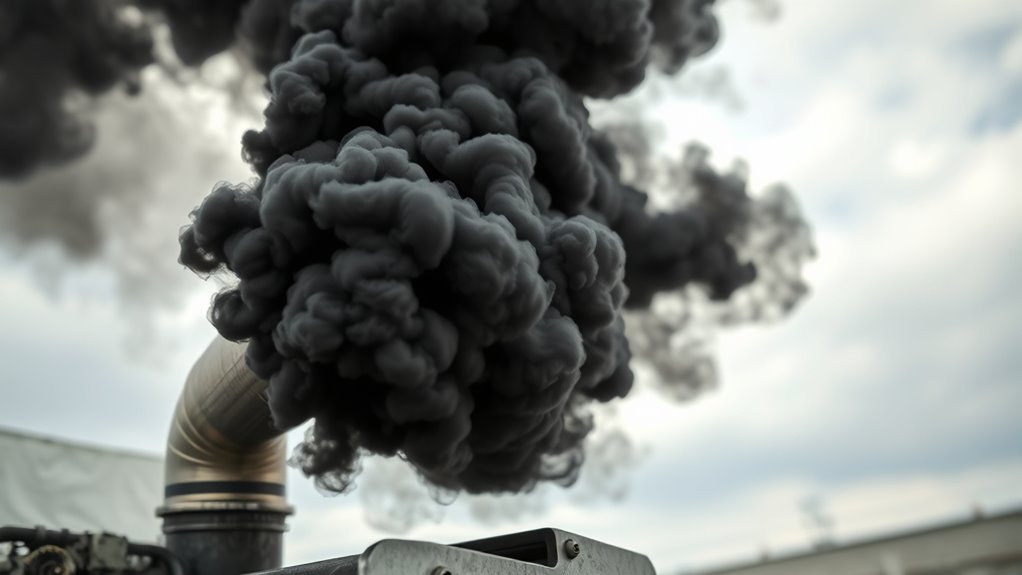
Are you tired of your diesel engine spewing black smoke every time you hit the gas? You’re not alone—many people struggle with this frustrating issue. Black smoke not only looks bad but can also signal underlying problems that might affect your engine’s performance and longevity.
If your diesel engine emits black smoke, it’s usually due to incomplete combustion caused by issues like poor fuel quality, clogged injectors, or restricted airflow.
Factors such as incorrect tuning or exhaust blockages also play a role.
Fixing these problems involves using quality fuel, maintaining filters, and ensuring proper engine tune-ups. To get your engine running clean and efficient, understanding these causes and solutions can make a big difference—keep going to find out more.
Key Takeaways
- Black smoke happens when the combustion isn’t complete. This can be due to poor fuel quality, issues with engine tuning, or restricted airflow.
- When fuel injectors and filters get clogged, they cause too much or poorly atomized fuel, which leads to more soot emissions.
- Overloading the engine, faulty turbochargers, or exhaust blockages can cut down oxygen intake and airflow, making black smoke appear.
- Regular maintenance like changing filters and running engine diagnostics can prevent these combustion issues and reduce soot buildup.
- If you notice thick exhaust smoke or the engine hesitates, it’s a good idea to get it checked by a professional and ensure proper emission control.
What Causes Black Smoke in Diesel Engines?
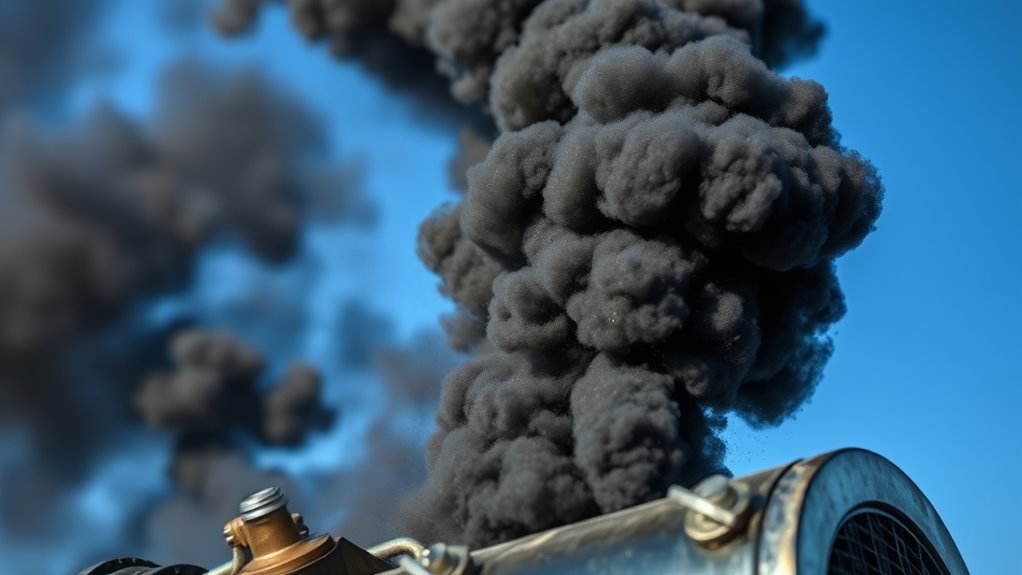
Have you ever wondered why diesel engines sometimes emit thick black smoke? One common reason is poor fuel quality. When the fuel contains contaminants or isn’t refined properly, it doesn’t combust efficiently, leading to black smoke emissions. Using low-quality fuel can clog your engine’s injectors and reduce combustion effectiveness.
Another factor is engine tuning. If your engine isn’t tuned correctly, it may deliver too much fuel or not enough air, causing incomplete combustion. Overfueling makes excess diesel linger in the combustion chamber, resulting in smoke. Conversely, incorrect tuning can also disrupt airflow, leading to smoke production.
Regular maintenance checks and ensuring you use high-quality fuel help in reducing black smoke. Proper engine tuning optimizes combustion, allowing your engine to burn fuel more completely and cleanly. In short, both fuel quality and proper tuning are essential for preventing black smoke and maintaining engine health.
Understanding How Incomplete Combustion Causes Black Smoke
Incomplete combustion happens when diesel fuel doesn’t burn fully inside the engine’s cylinders, which causes black smoke to come out.
Incomplete combustion produces black smoke from unburned diesel particles escaping the engine.
Poor fuel quality can make this worse because lower-grade fuel contains impurities that make proper burning harder. When combustion is incomplete, unburned diesel particles escape through the exhaust, creating thick black smoke.
Emission control systems are meant to cut down pollutants, but if the combustion isn’t efficient, these systems can get overwhelmed, letting more smoke escape. Factors like wrong fuel injection timing or not enough air intake mess up the burning process.
This leads to excess fuel burning only partially, resulting in soot and carbon deposits coming out of your exhaust pipe. To prevent black smoke from incomplete combustion, it’s important to use high-quality fuel and keep engine settings correct.
Good emission control measures help manage pollutants but work best when combustion is complete and efficient.
Common Fuel System Problems Leading to Black Smoke
Many common fuel system issues can cause black smoke from your diesel engine, often signaling efficiency problems. If your fuel injection system is faulty, it can deliver too much fuel, leading to incomplete combustion and black smoke.
Using poor-quality fuel or neglecting fuel additives can make deposits worse, clog injectors, and disrupt fuel flow. A misaligned or poorly tuned engine also contributes, as improper tuning causes inefficient fuel burning.
Blocked fuel filters with dirt or debris restrict flow, forcing the engine to compensate and producing black smoke. Regularly maintaining the fuel system and ensuring proper engine tuning can help prevent these issues.
| Fuel System Problem | Symptoms | Solution |
|---|---|---|
| Dirty fuel injectors | Excess black smoke | Use fuel additives, clean injectors |
| Clogged fuel filters | Reduced power, smoke | Replace filters |
| Poor engine tuning | Excessive black smoke | Revisit engine calibration |
| Substandard fuel quality | Deposits, clogging | Switch to high-quality fuel, add fuel additives |
Air Intake and Exhaust Blockages: Their Role in Black Smoke Production
When your air filter gets clogged, it snuffs out the airflow, which messes up the combustion process and ends up with black smoke coming out of your vehicle. It’s like trying to breathe through a straw — not enough air gets in, and the engine can’t run smoothly.
On top of that, if there’s a blockage in the exhaust system, it can trap the emissions inside. That buildup makes the smoke thicker and blacker because the exhaust gases can’t escape properly. Both of these issues make the engine work harder than it should, which leads to more soot and pollution coming out of your tailpipe.
Clogged Air Filters Restrict Airflow
Have you ever wondered how a simple clogged air filter can lead to black smoke from your diesel engine?
Clogged filters block the airflow needed for proper combustion.
When airflow is restricted, the engine struggles to get enough oxygen, causing incomplete fuel burning.
This excess unburned fuel results in thick, black smoke emissions.
Regularly checking and replacing your air filters prevents this problem.
If filters become dirty or obstructed, your engine will compensate by injecting more fuel, which makes black smoke worse.
Keeping your air filters clean ensures smooth airflow and helps complete the combustion process.
Neglecting this simple maintenance step can seriously hurt emissions and engine efficiency.
Addressing clogged filters is a cost-effective way to reduce black smoke and keep your diesel engine running cleanly.
Exhaust System Blockages Elevate Emissions
Blockages in your vehicle’s exhaust system can significantly increase black smoke emissions by messing up the way the engine vents exhaust gases. When catalysts or mufflers get clogged, exhaust gases back up, leading to incomplete combustion and more black smoke.
A blocked catalytic converter also makes it harder to reduce harmful pollutants, which raises emissions. Faulty oxygen sensors can send incorrect signals too; if they do, the engine’s fuel mixture gets too rich, causing more black smoke.
Regular inspections and cleaning or replacing these components help keep exhaust flow clear. Making sure your catalytic converter isn’t clogged and that your oxygen sensors work properly is key for better combustion and less black smoke.
Keeping up with exhaust system maintenance is essential for cleaner operation and improved engine efficiency.
Incomplete Combustion From Restricted Intake
Restricted air intake or exhaust blockages reduce airflow to your engine, disrupting the combustion process. When airflow is limited, your engine struggles to burn fuel efficiently, leading to incomplete combustion and black smoke. Poor fuel quality or incorrect engine tuning can make this worse, as they hinder proper fuel-air mixing.
Check for clogged air filters, broken exhaust valves, or debris blocking intakes. To prevent black smoke, make sure your air intake and exhaust systems are clear. Consider the following factors:
| Factor | Effect | Solution |
|---|---|---|
| Fuel quality | Poor quality fuels cause incomplete combustion | Use high-grade fuel |
| Intake blockage | Limits airflow needed for proper combustion | Clean or replace filters |
| Engine tuning | Incorrect settings cause inefficiency | Optimize engine tuning |
The Impact of Dirty Fuel Injectors on Black Smoke Output
Dirty fuel injectors can significantly increase black smoke emissions from diesel engines by messing up the precise spray needed for efficient combustion. When injectors clog, fuel quality drops, causing uneven spray patterns and incomplete burning of fuel. This mixture leads to excess soot being expelled through the exhaust, creating black smoke.
Here’s why it happens:
- Clogged injectors reduce fuel flow, which causes rich fuel mixtures and incomplete combustion.
- Poor fuel quality makes injector clogging worse, hurting spray atomization.
- Uneven spray patterns make some cylinders burn fuel inefficiently, increasing smoke output.
- Delayed fuel delivery results in more soot in the exhaust because combustion isn’t happening properly.
Regular maintenance and using quality fuel help prevent injector clogging. Keeping your fuel injectors clean ensures ideal spray patterns, reduces smoke, and boosts engine performance.
How Overloading and Turbocharger Issues Cause Black Smoke
Overloading your diesel engine puts too much stress on its parts, which leads to incomplete fuel combustion and black smoke. When you overload the engine, it faces extra strain that can cause internal parts like the turbocharger to break down.
Overloading causes engine stress, leading to incomplete combustion and visible black smoke.
A turbocharger helps boost engine power, but if it fails—whether from overloading or other issues—it can’t provide enough compressed air for proper fuel mixing. This causes rich fuel mixtures that don’t burn completely, resulting in black smoke.
Turbocharger failure can also lead to incorrect air-to-fuel ratios, which increases soot emissions. Overloading can raise exhaust temperatures too, damaging the turbo and exhaust system.
All this mechanical stress combined with a faulty turbo reduces combustion efficiency, making black smoke more visible. To avoid this, don’t go over your vehicle’s weight limits and keep your turbocharger well-maintained and working properly.
Signs Your Diesel Engine Is Producing Excess Black Smoke
If you see dark smoke coming out of your diesel engine, it’s usually a sign that something’s not quite right. Don’t ignore it! Sometimes, if your engine is hesitating or you notice more black smoke than usual, it could indicate there’s a problem that needs attention.
Pay attention to these signs — catching them early can help prevent any serious damage down the line. Keep an eye on how your engine runs, and if you notice persistent black smoke or rough acceleration, it’s a good idea to have it checked out.
Dark Smoke Visible During Operation
When you see thick, black smoke coming from your diesel engine’s exhaust during operation, it’s a sign that the engine is producing too much soot. This dark smoke usually means there’s incomplete combustion or a problem in the engine system.
To troubleshoot, start by checking these key areas:
- Engine oil: Old or contaminated oil can impact engine performance and cause smoke.
- Ignition timing: If the timing is off, it can lead to improper combustion and black smoke.
- Fuel injection system: Clogged or faulty injectors may flood the engine with unburned fuel.
- Air supply: Restricted airflow reduces combustion efficiency.
Fixing these issues helps your engine burn fuel properly, reduces black smoke, and keeps your engine running at peak performance.
Excessive Black Exhaust Emissions
Excess black exhaust smoke is a clear warning sign that your diesel engine isn’t running efficiently and is emitting too much soot. If you notice persistent black smoke, it could mean incomplete combustion or issues with fuel delivery.
To stay compliant with emission regulations, consider using fuel additives designed to improve combustion and reduce soot production. Neglecting these signs over time can lead to increased emissions and potential fines.
Keep an eye on your exhaust and address black smoke promptly to prevent further damage. Proper maintenance, like checking injectors and air filters, helps reduce black exhaust emissions.
Using the right fuel additives can also boost fuel efficiency and lower soot output. This way, your engine runs cleaner and stays in line with emission standards.
Noticeable Power Loss or Hesitation
Noticing a drop in power or hesitation during acceleration often means your diesel engine is producing excess black smoke. Power reduction and hesitation usually mean the engine isn’t firing properly. Here are four common causes:
- Clogged fuel filters that limit fuel flow
- Faulty injectors causing uneven fuel delivery
- Air leaks disrupting combustion
- Turbocharger issues reducing boost pressure
These problems prevent complete combustion, which leads to black smoke and a loss of power. If you notice hesitation along with reduced power, it’s important to address these issues right away. Ignoring them can cause further damage to your engine. Regular maintenance, like checking the fuel system and turbocharger, can help prevent power loss and hesitation. Quick diagnosis keeps your diesel engine running smoothly and efficiently.
Practical Tips to Reduce Black Smoke and Improve Performance
To effectively reduce black smoke from your diesel engine and improve its performance, start with regular maintenance. Make sure you use the right engine lubricants, as high-quality oils reduce friction and prevent incomplete combustion that causes dark exhaust.
Regular oil changes are important to keep internal components clean and functioning at their best. Schedule vehicle diagnostics periodically to spot issues early, like clogged injectors or faulty sensors.
Properly functioning injectors promote complete fuel combustion, which minimizes black smoke. Keep your air filters clean to ensure maximum airflow and reduce the chance of rich fuel mixtures.
Use fuel additives as recommended; some can help clean injectors and combustion chambers. Always monitor exhaust emissions and note any performance changes.
Consistent maintenance prevents buildup and helps your engine run more efficiently, reducing smoke emissions and boosting overall performance.
When to Seek Professional Help for Black Smoke Problems
While regular maintenance can significantly cut down black smoke, there are signs that you should see a professional. If the smoke keeps coming back or gets worse, it’s time to get help.
- Unusual Smell or Excessive Smoke: If your exhaust is constantly producing thick black smoke, there could be a serious engine problem that needs emission testing.
- Poor Performance: Feeling a loss of power, hesitation, or trouble accelerating means something’s not right and needs an expert to diagnose it.
- Engine Warning Lights: When warning lights appear, don’t wait—getting your vehicle checked early can avoid bigger issues later.
- Frequent Emergency Repairs: If your vehicle keeps breaking down or needing urgent repairs, it’s a clear sign you should see a mechanic.
Dealing with these signs early on can save you money and help keep your diesel engine emissions compliant.
Preventative Maintenance to Keep Your Diesel Running Clean
Regular preventative maintenance is your best tool for keeping your diesel engine running clean and minimizing black smoke. Using recommended fuel additives regularly helps improve combustion, reduce soot buildup, and keep injectors clean.
Regular maintenance and fuel additives keep your diesel engine clean and black smoke-free.
These additives can help break down deposits and boost fuel efficiency, leading to cleaner exhaust. Engine tuning is also essential; making sure your engine is properly calibrated optimizes the fuel-air mixture, which reduces unburned fuel emissions.
Inspect and replace filters regularly because clogged air and fuel filters hinder combustion and contribute to black smoke. Check injection systems for proper operation and clear any blockages.
Keeping the turbocharger clean and functioning well supports better airflow and combustion efficiency. Following these maintenance steps consistently prevents soot and carbon deposits from building up and minimizes black smoke.
Staying proactive with fuel additives, engine tuning, and routine inspections ultimately helps preserve your engine’s performance and reduce harmful emissions.
Frequently Asked Questions
Can Using Biodiesel Fuel Cause Increased Black Smoke Emissions?
Yes, using biodiesel fuel can cause increased black smoke emissions, especially initially. Biodiesel effects vary depending on engine type and fuel quality, but fluctuations in emissions are common.
While biodiesel often reduces pollutants and meets emission standards, improper use or low-quality biodiesel might increase soot. To minimize black smoke, make sure your fuel meets emission standards and matches your engine’s specifications.
Consider gradually switching to biodiesel for a smoother transition and to help your engine adapt better.
Does Engine Age Influence Black Smoke Production in Diesel Engines?
Yes, engine age influences black smoke production in diesel engines. As your engine gets older, wear on parts like fuel injectors and piston rings can cause incomplete combustion, which leads to more black smoke.
Deteriorating components often result in poor fuel combustion, making emissions worse. Regular maintenance helps cut down black smoke by addressing engine wear and keeping the combustion process running smoothly, no matter the age of your engine.
Are There Specific Driving Habits That Reduce Black Smoke Emissions?
You can significantly cut black smoke emissions by adopting smarter driving habits. For example, keeping a steady speed can reduce emissions by up to 20%.
Using fuel additives recommended for your engine can improve combustion, which helps reduce smoke. Also, sticking to regular maintenance like replacing air filters and checking injectors makes a big difference.
These simple habits not only lower black smoke but also help your engine last longer. So, driving cleaner and more efficiently is easier than you might think.
How Does Altitude Affect Black Smoke Emission in Diesel Engines?
Altitude effects can increase black smoke emissions in your diesel engine because the thinner air at higher elevations reduces combustion efficiency.
This change impacts how your engine burns fuel, leading to less complete combustion and more soot buildup. You might notice more black smoke coming from the exhaust.
To fix this, you may need to adjust the fuel mixture or get professional tuning. This helps optimize performance and cut down on black smoke at different altitudes.
Can Aftermarket Modifications Impact Black Smoke Output?
Yes, aftermarket modifications can affect black smoke output. If you upgrade your engine tuning incorrectly, it can cause incomplete combustion, which leads to more black smoke.
Neglecting exhaust filtration improvements or removing emission control devices can also make emissions worse. To keep black smoke under control, make sure your modifications are compatible with your vehicle.
Focus on proper engine tuning and improving your exhaust filtration. This will help maintain cleaner emissions and keep your engine running at its best.
Conclusion
If you ignore black smoke from your diesel engine, you’re risking more than just a smelly exhaust—you’re inviting costly repairs and endless engine problems. Think of it as a warning sign shouting, “I’m drowning in issues!”
By tackling the causes head-on, like dirty injectors or blocked air filters, you’ll keep your engine running smoothly. This way, you can avoid catastrophic breakdowns and expensive repairs.
Don’t wait for disaster—the key to a healthy diesel engine is catching problems early. Addressing black smoke issues now will save you money and keep your engine in peak condition.