Troubleshooting Steering Wheel Sticking When Turning: Causes & Solutions
Are you tired of that stubborn, sticky feeling whenever you turn your steering wheel? You’re not alone. Many drivers struggle with steering wheel sticking when turning, which can be frustrating and even dangerous.
If your steering wheel feels stiff or sticky when turning, it could be due to low power steering fluid, worn or damaged pump, issues with belts, or mechanical problems in the steering column.
Leaks, contamination, or misalignment can also cause resistance.
Regular checks of fluid levels, inspecting for leaks, and ensuring proper component wear are key. To fix these issues effectively, you’ll learn more about common causes and solutions as you investigate further.
Key Takeaways
- Check the power steering fluid levels and look for leaks or contamination that could be affecting system pressure.
- Inspect belts, hoses, and pumps for wear, damage, or improper tension that might hinder steering assistance.
- Examine steering components like tie rods, boots, and the rack for any damage, signs of wear, or debris causing interference.
- Make sure your wheel alignment is correct to avoid steering stiffness caused by mechanical misalignment.
- If the issue continues after these checks, it’s best to seek professional diagnosis since internal mechanical failures may need repair.
What Causes Your Steering Wheel to Feel Stiff or Sticky?

A stiff or sticky steering wheel usually indicates a problem with the power steering system or related parts. If turning feels resistant, it might be due to worn-out components or lack of proper maintenance.
Sometimes, aftermarket mods like upgraded steering wheel accessories can affect how smoothly the wheel turns if they’re not installed correctly. These changes might shift the balance or add weight, making steering heavier or sticky.
Incorrectly installed aftermarket steering mods can cause stiffness and handling issues.
Dirt or debris in the steering column can create friction, leading to that sticky feeling. Faulty or worn power steering parts, like a worn belt or pump, can also cause stiffness.
Regularly checking these components can help catch issues early. Keep in mind, while aftermarket upgrades can boost style or comfort, they can cause problems if they don’t fit well or are installed improperly.
Staying aware of how your steering feels can help you spot issues before they get worse.
How Can Low Power Steering Fluid Make Your Steering Difficult?
When your power steering fluid level gets too low, it can cause the pressure in the system to drop. This drop in pressure makes it a lot harder to turn the steering wheel because there’s less assistance from the power steering system.
Basically, with less fluid, the system can’t work as effectively, which means you’ll have to put in more effort to steer your car. So, you’ll probably notice that steering becomes tougher and less smooth, making it harder to control your vehicle comfortably.
Reduced Fluid Pressure
Ever wondered why steering feels tougher at low speeds or during maneuvers? Reduced fluid pressure in your power steering system could be the main cause. When the fluid isn’t properly pressurized, the assistance weakens, and the steering wheel feels heavier and less responsive.
This makes it harder to turn and can really affect how comfortable and easy driving feels. Low fluid pressure can also cause vibrations or grinding sensations in the steering wheel, which can be unsettling.
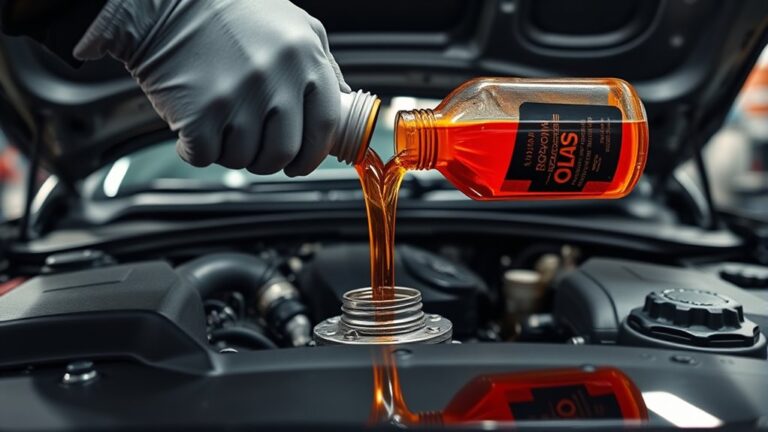
To keep everything working smoothly, make sure your power steering fluid is at the right level and free of air or contaminants. Proper maintenance helps maintain the correct fluid pressure, so your steering stays smooth, responsive, and comfortable.
Increased Steering Effort
Low power steering fluid levels can cause increased effort when turning the wheel, making steering feel stiff and tiring. When fluid is low, the system struggles to deliver easy maneuverability, forcing you to put in more effort.
This can make steering uncomfortable and lead to fatigue during drives. Frequent sharp turns or aggressive moves can worsen fluid loss and make the problem worse.
Checking and maintaining proper fluid levels regularly helps ensure smoother steering and less strain. If you notice it’s harder to turn the wheel, it’s important to fix the issue quickly.
Proper maintenance keeps your steering responsive, making driving safer and more comfortable. It also helps preserve your vehicle’s steering components over time.
How Do You Check for Power Steering Leaks and Contamination?
To check for power steering leaks and contamination, start by inspecting the power steering fluid reservoir and surrounding components for visible signs of leaks like fluid puddles or stains. Look for any dark, greasy residue that might indicate a leak.
Next, check the fluid level—if it’s low, that could be a sign of a leak or contamination. Also, examine the fluid’s color and consistency; if it’s dark or gritty, it’s likely contaminated. Contaminated fluid can affect steering performance and even lower fuel efficiency.
While inspecting, make sure the reservoir cap is secure and look for leaks around hoses or connections. Keep an eye on your tire pressure too, since uneven pressure can strain your steering system.
Are Worn Power Steering Pump or Belt Responsible for Stiff Steering?
If your steering feels stiff, it could be because of a worn power steering pump. When the pump isn’t working properly, it doesn’t generate enough hydraulic pressure, making your steering feel heavy.
But don’t forget about the belt! If the belt that drives the pump is loose or worn out, it can slip or not turn the pump effectively. That also leads to harder steering.
To figure out what’s really going on, it’s a good idea to check both the condition of the pump and the tension of the belt. This way, you can pinpoint the problem and get it sorted.
Power Steering Pump Wear
Worn or failing power steering pumps are common culprits behind stiff steering. They struggle to deliver the needed hydraulic pressure to help you turn the wheels smoothly.
When the pump wears out, you might notice increased effort when steering, especially at low speeds. This can make turning feel heavier and less responsive.
If you’re having trouble steering or hear whining noises, the pump could be the problem. Worn pumps can’t generate enough pressure, causing stiff steering even if everything else is in good shape.
Regular inspections can catch pump wear early, so you’ll keep your steering smooth and maintain comfort during every drive.
Belt Tension Issues
When the belt driving your power steering pump gets loose or worn out, it can make steering feel stiff. A slack belt lowers the pump’s efficiency, making it tougher to turn the wheel, especially if your vehicle has a custom steering setup or added accessories.
To check this, look at the belt’s tension and watch for cracks or glazing. If it’s loose, tightening or replacing it can fix the problem and restore proper steering function.
Here’s a quick overview of common issues:
| Condition | Cause | Solution |
|---|---|---|
| Worn belt | Cracks, glazing, slack | Replace belt |
| Proper tension not maintained | Poor installation or age | Adjust tension or replace belt |
| Pump malfunction | Worn pump parts | Replace the power steering pump |
| Overall system issue | Multiple worn parts | Get a professional inspection |
Keeping the belt properly tensioned helps your steering wheel stay smooth and responsive.
How Can You Identify Problems With Steering Rack and Tie Rods?
Problems with the steering rack and tie rods can often be spotted through noticeable changes in how your vehicle responds while driving. If your steering wheel vibrates, especially when turning or at higher speeds, it might be a sign that these parts are having trouble.
If you hear unusual power steering noises—like whining or squealing when turning—it could mean the steering rack is failing or the tie rods are worn out. You might also feel loose or excessive play in the steering wheel, making it less responsive or wobbly.
A quick visual check can help you spot cracked or damaged boots on the tie rods or even fluid leaks from the steering rack. Additionally, uneven tire wear can be linked to issues with these components.
Pay attention to these signs. Catching problems early can prevent more serious damage and keep your steering system safe and reliable.
Could Suspension Issues Be Causing Your Steering to Fail?
Issues with your suspension system can directly impact steering performance, making it feel loose, uneven, or unresponsive. When suspension parts wear out or break, your steering can become less effective, and turning your wheel smoothly can get tricky.
This not only affects your safety but also makes your vehicle less comfortable and looks less appealing. Worn suspension can cause a bumpy ride and rattling noises, and you might notice your steering feeling heavy or like it’s stuck during turns.
Suspension problems can also mess with your wheel alignment, which makes steering even less responsive. Catching these issues early ensures better handling and keeps your car’s interior feeling smooth and stable.
If you think your suspension might be causing trouble, it’s best to have a professional check it out and fix any issues. Doing so will restore proper steering and keep your ride comfortable and safe.
When Should You Consider Wheel Alignment for Better Steering?
If your steering doesn’t feel quite right or your car tends to drift to one side, it might be time to get a wheel alignment. You know, when your wheels are out of sync, it can really mess with how your car handles and even compromise safety. Not exactly what you want when you’re on your daily drive, right?
Being able to spot these signs early on is key. It helps you stay in control and can save you from more serious, costly problems down the road. So, if things feel a bit off, don’t ignore it—consider checking your wheel alignment sooner rather than later.
Signs of Misaligned Wheels
When your vehicle’s wheels are misaligned, you might feel that the steering isn’t quite right, even when you’re trying to keep the wheel steady. You could also notice uneven tire wear, which shows up over time.
Pay close attention to how your car accelerates. If it pulls or drifts to one side while speeding up, that’s a sign the wheels might be out of alignment. Brake response could change subtly, making stops less smooth than usual.
Sometimes, the steering wheel may wobble or vibrate at certain speeds, indicating misaligned wheels. If you notice any of these signs, it’s a good idea to get your wheels checked and realigned to improve your driving and prevent further issues.
Impact on Handling and Safety
Misaligned wheels can really影响 your vehicle’s handling, making steering feel unresponsive or unpredictable. If your wheels are out of alignment, you might notice the steering wheel pulling to one side or having trouble keeping a straight path.
This can put extra strain on the power steering system, especially if the steering fluid is low or the power steering pump isn’t working well. Poor alignment also speeds up tire wear, which affects grip and safety during turns.
If your steering wheel feels stiff or sticks, it’s a good idea to get a wheel alignment. Proper alignment ensures smooth steering and reduces stress on the power steering pump.
It also helps the steering fluid to flow properly. Addressing these issues early boosts your handling and makes your drive safer overall.
What Mechanical Failures in the Steering Column Might Be the Issue?
Mechanical failures within the steering column are common culprits behind a sticking steering wheel. One common issue is lack of proper steering wheel lubrication, which can cause parts to seize or create resistance. Over time, the lubricants used in the steering column can degrade, leading to increased friction.
If you’ve had aftermarket steering upgrades, such as new steering wheels or quick releases, improper installation or incompatible parts may also cause stiffness or binding. Worn-out shaft bearings or damaged U-joints inside the column can hinder smooth movement and make turning difficult.
Furthermore, a misaligned or bent steering column resulting from an accident or impact can create mechanical interference. Regular inspection of the steering components and ensuring proper lubrication can help prevent these failures.
If you suspect mechanical issues, addressing them promptly by replacing worn parts or consulting a mechanic will restore smooth steering and safety.
How Can You Maintain Your Steering System for Smooth Handling?
Regular maintenance is key to keeping your steering system running smoothly and for safe handling. By staying proactive, you Ensure top performance and Enhance the overall comfort and ergonomics of your vehicle. Here are three simple ways to care for your steering system:
- Check and top off fluid levels regularly. Keeping the fluid at proper levels reduces friction and prevents sticking, making turns smoother and easier.
- Inspect power steering belt and hoses. Look for signs of wear or leaks that could block fluid flow and make steering harder.
- Keep the steering components clean and lubricated. Regular cleaning and lubrication help prevent rust and ensure effortless handling.
When Is It Time to Seek Professional Help for Sticking Steering?
You should consider seeking professional help for your steering if you notice persistent stiffness or difficulty turning the wheel, especially if basic maintenance hasn’t fixed the problem.
If your steering wheel decor or leather wrapping feels unusually tight or sticky, it could indicate underlying issues needing expert attention.
Tight or sticky steering wheel decor may signal hidden issues needing professional diagnosis.
Sticky steering often signals problems with the power steering system, worn-out components, or misaligned parts.
Don’t ignore unusual resistance, as it may lead to more severe damage or safety risks.
A professional mechanic can properly diagnose issues related to the steering column, fluid leaks, or worn-out belts.
Moreover, if you’ve recently replaced or upgraded your leather wrapping or added new steering wheel decor and experience difficulty, it’s best to consult an expert.
Addressing these problems early helps maintain safe handling and preserves the aesthetic appeal of your steering wheel.
This ensures you can turn smoothly and confidently.
Frequently Asked Questions
Can Steering Wheel Sticking Be Caused by Electrical System Problems?
Yes, steering wheel sticking can be caused by electrical system problems. Electrical diagnostics can uncover issues like faulty sensors or wiring that might lead to power steering failure.
When electrical components aren’t working properly, they can impact the power assist system, making the steering wheel harder to turn. It’s important to get a thorough diagnosis to identify these faults.
How Does Temperature Affect Steering Wheel Stiffness?
Did you know that cold weather affects about 60% of vehicles’ steering systems? Temperature has a big impact on how stiff your steering wheel feels.
When it’s cold outside, the fluid inside your power steering system gets thicker, making the wheel feel stiffer and harder to turn.
Hot weather can do the opposite—causing the fluid to thin out, which might make steering feel looser or less responsive.
Are Steering Wheel Covers Related to Sticking Issues?
Steering wheel covers can contribute to sticking issues if they’re too thick or don’t fit well, as they might interfere with smooth rotation.
While they can make your steering wheel look nicer, they might also add extra grip that makes turning a bit harder.
Make sure your cover fits properly and is made from smooth, non-slippery material.
A good fit and quality material can help prevent sticking, so you get both style and good functionality when you’re driving.
Can Worn Steering Wheel Bushings Cause Stiffness?
Worn steering wheel bushings can definitely cause stiffness, making your steering feel rocky or resistant. Picture the smooth glide of a well-lubricated mechanism—worn bushings break that flow, increasing friction.
When you notice this, bushing wear might be the culprit. Replacing the bushings restores the smooth, responsive turn you want, easing stiffness and improving control.
Regular maintenance can help you avoid this issue before it gets worse. This keeps your steering effortless and steady.
Does Aggressive Driving Impact Steering Wheel Flexibility?
Yes, aggressive driving can impact your steering wheel flexibility. When you brake or accelerate suddenly, it puts extra stress on the steering control system.
This can lead to increased wear on components like the power steering pump or rack. Over time, this added strain can make the steering wheel feel stiff or sticky when turning.
To keep your steering smooth, try to drive more cautiously and avoid quick maneuvers. Regularly check your steering system for signs of wear or damage.
Conclusion
Maintaining your steering system is essential for safe driving. Did you know that over 40% of vehicle accidents are linked to steering issues?
Regular checks and timely repairs can help prevent costly damages and ensure smooth handling. If your steering feels sticky despite simple fixes, don’t hesitate to consult a professional.
Staying on top of maintenance not only improves your driving experience but also helps keep you and others safe on the road. Addressing steering wheel sticking promptly is key to a secure and comfortable drive.