Beeping Sound When Ignition Turned Off 9 Reasons With Fixes
If your car beeps after turning off the ignition, you’re not alone. Many people struggle with this annoying issue and wonder what’s causing it. It’s frustrating when your vehicle keeps alerting you, especially after you’ve parked and turned it off.
If your car beeps after turning off the ignition, it could be due to issues like the interior lights staying on, door or seatbelt switches malfunctioning, or safety features still active.
Software glitches, a weak battery, or security alarm triggers can also cause persistent alerts.
Sometimes, sensors or accessories remain active, triggering alarms or warning lights.
If you keep experiencing these sounds, further investigation may be needed to identify the root cause and fix it properly.
Key Takeaways
- Check for any unresolved safety or system alerts like door, seatbelt, or low tire pressure warnings, and take care of them.
- Use onboard menus or a diagnostic scanner to inspect and reset electronic systems, which can fix false alarms caused by glitches.
- Make sure the vehicle’s battery is in good shape and the charging system is working properly. Replace weak or dead batteries to stop false beeping.
- Look at sensors, switches, and security systems for dirt, damage, or malfunctions that might be causing continuous alerts.
- If the beeping keeps going after trying these steps, it’s best to consult a professional mechanic for a thorough diagnosis and repair.
What Causes Your Car to Beep After Turning Off the Ignition?
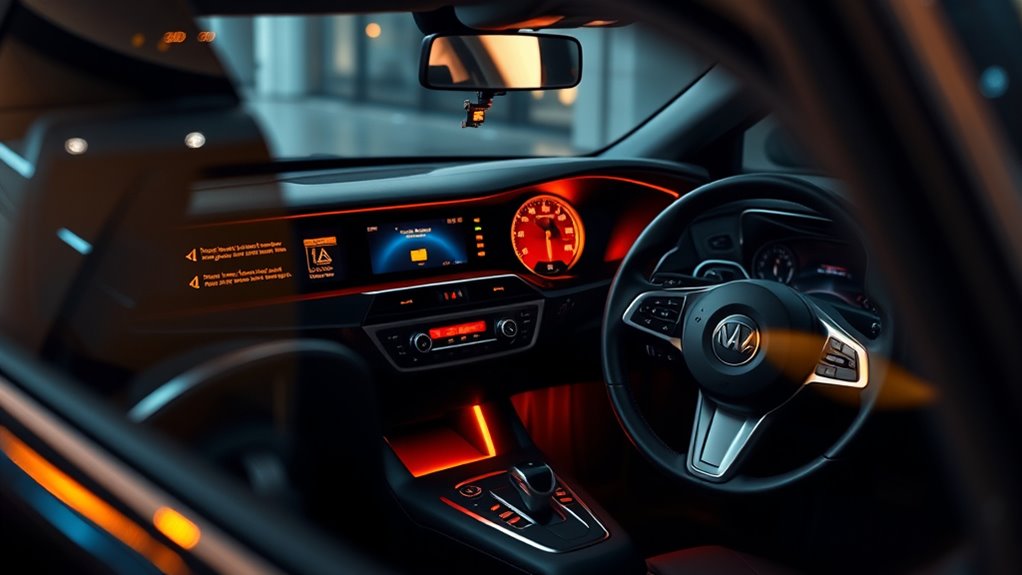
Often, a beeping sound after turning off your car’s ignition means some system or component is still active or needs your attention. Inside your car, this beeping usually acts as an alert, warning you about something that’s not quite right.
A beeping sound after turning off your car often indicates an alert or unresolved issue needing your attention.
For example, if your doors aren’t fully closed or you forget to take out the key, the car might beep to let you know. It can also be related to safety features like seatbelt reminders or headlights that are still on.
Sometimes, your vehicle’s computer detects a fault or an action that wasn’t completed, triggering a warning sound. These signals are designed to keep you safe and prevent potential issues.
Knowing what causes these beeps can help you figure out whether it’s just a small oversight or something more serious that needs attention before you drive again. Pay attention to your car interior and listen carefully—these beeps are your vehicle’s way of keeping you alert.
How Can I Check and Reset Vehicle Warning Lights or Alerts?
First off, it’s a good idea to get familiar with the warning light symbols on your dashboard. That way, you’ll have a better idea of what each alert means when it pops up. Once you recognize what the lights look like, you can take the right steps to check or address the issue.
Using an OBD-II scanner is super helpful here. It allows you to read the error codes, figure out what’s causing the warning, and even clear those alerts if needed. Just connect the scanner to your vehicle’s port, and you’ll get detailed info on what’s going on under the hood.
Finally, once you’ve addressed the issue, make sure to reset the warning lights properly. This is important because it ensures your car’s system is accurately showing the current status and isn’t keeping old alerts active. Resetting correctly helps prevent confusion and keeps your vehicle running smoothly.
Recognize Warning Light Symbols
Recognizing warning light symbols on your dashboard is essential for understanding your vehicle’s health and preventing potential problems. These symbols alert you to issues that may need attention, including horn notifications and other system alerts.
Familiarize yourself with common symbols so you can respond appropriately. For example, a battery icon indicates charging problems, while an oil can warns of low oil levels.
Horn notifications often appear as symbols or alerts related to safety systems. To check and reset these lights, refer to your vehicle’s manual for specific meanings.
Keep an eye on these signals to maintain vehicle safety and performance. Quick understanding of dashboard symbols helps you address issues early, preventing more significant repairs later.
Use OBD-II Scanner
Using an OBD-II scanner is a simple way to check and reset your vehicle’s warning lights or alerts. You just plug it into your car’s port, usually located under the dashboard, and turn on the ignition.
The scanner retrieves diagnostic trouble codes, or DTCs, which tell you about issues like engine overheating or low tire pressure. If a warning light is on, it shows specific codes indicating what needs attention.
For example, a code related to engine temperature could mean overheating, while a tire pressure warning code points to low or uneven pressure. Once you identify the problem, the scanner can clear the codes and reset the alert.
This quick step helps you see if the issue is resolved or if further repairs are needed.
Reset Alerts Properly
Resetting vehicle warning lights or alerts is pretty simple once you’ve handled the underlying issue. First, make sure you’ve completed all necessary maintenance and repairs.
Then, check your car’s manual or use the onboard system to clear the alerts. Many cars have a reset button or menu in the settings that lets you clear warning lights after troubleshooting.
If the warning stays on, you might need to disconnect the battery temporarily. Just be sure the problem is actually fixed before resetting.
Here are some quick tips:
- Use the vehicle’s onboard reset option
- Disconnect and reconnect the battery
- Drive the car to reset sensors naturally
Is a Weak or Dead Car Battery Making Your Car Beep When Off?
If your car starts beeping even when it’s turned off, a weak or dead battery might be the cause. It’s a good idea to check the battery’s voltage to see if it’s holding a proper charge. Also, keep an eye out for signs of parasitic power drain—that’s when something keeps drawing power from the battery even when the car is off.
Don’t forget to consider how old the battery is. An older or failing battery is more likely to cause these kinds of issues. If the battery seems past its prime, it might be time for a replacement to keep everything running smoothly.
Battery Voltage Level
Have you noticed a persistent beeping sound when you turn off your ignition? It could be related to your car’s battery voltage level. When the voltage drops too low, it signals the vehicle’s system that the battery isn’t holding a proper charge, which might trigger the beeping.
Regular battery maintenance and voltage monitoring are essential to prevent this issue. A weak battery can cause electrical components to behave erratically, including alarms or beeps. To avoid this, check your battery’s voltage regularly—ideally above 12.6 volts when the engine is off.
If the voltage is low, consider replacing the battery or having it charged. Keeping your battery in good shape is key to preventing unnecessary sounds and ensuring your car runs smoothly.
- Battery maintenance helps prevent voltage drops
- Voltage monitoring identifies problems early
- Proper charge avoids beeping when the car is off
Parasitic Power Drain
A weak or dead car battery can make your vehicle beep even after you turn off the ignition. This happens because parasitic power drain keeps pulling energy from the battery, stopping it from fully shutting down.
You might notice sounds like beeping or flickering interior lights, which indicate that the parasitic drain is still active. To find out what’s causing it, check the table below for common sources:
| Possible Cause | Description |
|---|---|
| Interior Accessories | Lights, alarms, or aftermarket devices |
| Electrical Faults | Short circuits or wiring issues |
| Parasitic Draw | Clocks, sensors, or other items draining power |
| Exterior Noise Interference | External signals triggering beeps |
Fixing parasitic power drain involves identifying these sources to stop your battery from dying unnecessarily or causing beeps when the car is off.
Battery Age and Health
A weak or dead car battery can cause your vehicle to beep even when the ignition is off. Over time, batteries age and lose their ability to hold a charge, which can trigger those warning sounds.
Poor battery maintenance speeds up this process, so it’s important to check your battery regularly. Alternator problems can also prevent your battery from charging properly and make the issue worse.
If your battery is old or damaged, it may send faulty signals and cause the beeping noise. Replacing an aging battery or fixing alternator issues can help stop these alerts.
Here are some key points:
- Battery degradation from age reduces its charge capacity
- Poor maintenance accelerates battery wear
- Alternator issues hinder proper charging
Why Are Parking Sensors or Backup Cameras Beeping When the Car Is Off?
If your parking sensors or backup cameras keep beeping when the car is off, it could mean there’s a problem or a setting that needs adjusting. Sometimes, the beeping continues because interior lights stay on, but the system remains active to alert you of an issue.
Check your vehicle’s interior lighting settings; if they’re set to stay on, this might cause sensors or cameras to keep signaling. Also, low tire pressure can trigger the system’s alerts, leading to ongoing beeping even when the car is off.
Some vehicles link the backup camera or parking sensors to tire pressure monitoring. So, if your tires are under-inflated, it might cause false alarms. It’s a good idea to check your tire pressure and inflate them to the recommended levels.
If these simple checks don’t fix the problem, it’s best to consult your vehicle’s manual or an automotive professional to dig deeper.
Can Faulty Seatbelt or Door Switches Cause Post-Shutdown Beeping?
Faulty seatbelt or door switches can cause your vehicle to beep even after you’ve turned off the engine. When the seatbelt malfunction occurs or the door sensor doesn’t detect an open or closed door properly, your car’s warning system may continue to alert you with beeping sounds.
Faulty seatbelt or door switches can cause your vehicle to beep even after shutting off the engine.
These sensors are meant to ensure safety, but if they malfunction, they send incorrect signals that trigger unwanted alarms. Common issues include a malfunctioning seatbelt sensor that fails to recognize whether the seatbelt is buckled or unbuckled.
Damaged or dirty door sensors that don’t register the door as closed can also cause the beeping. Electrical faults in the switch wiring can lead to false signals, making your car think a door is open even if it’s not.
Making sure the sensors are clean, properly connected, and working correctly can often stop the beeping. If that doesn’t work, replacing faulty switches or sensors might be necessary to stop the post-shutdown warning sounds.
Are Software Glitches Causing Unnecessary Beeps?
Software glitches can sometimes cause your vehicle to beep unnecessarily, even when there’s no real issue. These glitches interfere with the vehicle’s electronic systems, triggering false audio alerts that can be confusing or alarming.
Modern cars rely heavily on software to manage safety features, notifications, and alerts. So even minor bugs can cause unexpected beeps when you shut off the ignition. Restarting the vehicle or updating the software usually fixes these issues and stops the unnecessary sounds.
In some cases, a technician may need to diagnose whether a software glitch is the cause and then apply firmware updates or reprogram the system. It’s important not to ignore these false alarms because they could hide real problems or cause confusion.
Keeping your vehicle’s software current and fixing glitches early helps ensure it only beeps when it should. This way, your car’s alert system remains clear and reliable.
Should You Be Wary of Alarm or Security System Warnings?
While software glitches can cause unnecessary beeping, alarm and security system warnings often have more serious implications. These alerts are meant to notify you of potential issues, like a triggered sensor or system malfunction.
Ignoring security warnings could put your safety at risk or leave your property exposed. It’s really important to pay attention and understand what these alerts mean. Usually, a warning shows something that needs your immediate action or inspection.
Common alerts include sudden activation of sensors or zones, low or dead batteries in the system, or signs of tampering or malfunctions.
Taking these warnings seriously helps you address problems early, preventing false alarms or security breaches. Always verify where the warning is coming from before dismissing it. When unsure, check your alarm system manual or contact professional support.
Understanding the importance of these alerts keeps you safe and gives you peace of mind.
Could Interior Lights or Left-On Accessories Be Triggering Alerts?
Could interior lights or accessories left on actually trigger the beeping alerts you hear when turning off your vehicle? Yes, if your interior lighting stays on or if you accidentally activate an accessory, your car’s system might warn you. These alerts often indicate something inside the vehicle needs attention, helping prevent battery drain.
Imagine the situation visually:
| Feature | Activation Cause | System Response |
|---|---|---|
| Interior Lighting | Door ajar or manual switch | Beeping alert triggers |
| Left-On Accessories | Dashcam or phone charger | Warning sounds during off |
| Overlooked Controls | Unintended button press | Persistent or intermittent beeps |
In these cases, the system detects accessory activation or interior lighting being on, which results in the alert. Double-check if any lights stayed on or if an accessory wasn’t properly switched off before leaving your vehicle.
When Is It Time to Visit a Professional for Your Beeping Car?
Knowing when to seek professional help for your beeping car can save you time and prevent potential damage. If your vehicle’s beeping persists even after checking interior lights or accessories, it’s a good idea to visit a mechanic.
Listen for signs like irregular beeping patterns, which could mean issues with music synchronization or engine temperature. If the beeping continues after turning off the ignition and the warning sounds are unexpected, don’t ignore it. A professional diagnosis is necessary.
Ignoring these cues can lead to bigger problems, such as electrical faults or overheating. You should see a professional if the beeping is consistent and doesn’t stop, especially after adjusting music settings.
Also, if the engine temperature warning activates along with the beeping, it suggests cooling system issues. And if diagnostic checks reveal irregularities that simple troubleshooting can’t fix, it’s time to get expert help.
These signs point to underlying problems that need a mechanic’s attention to keep your vehicle safe and running properly.
Frequently Asked Questions
Can Aftermarket Accessories Cause Your Car to Beep After Turning Off?
Yes, aftermarket accessories like parking sensors or alarms can cause your car to beep after turning off. These devices sometimes malfunction or have wiring issues, which can trigger constant or intermittent beeping sounds.
If you’ve recently installed new parking sensors or an alarm system, check their connections and settings. Ensuring proper installation or disabling certain features can help stop the beeping.
This way, your vehicle can operate quietly once you’ve turned off the ignition.
Do Aftermarket Stereo Systems Influence Post-Shutdown Beeping?
Your aftermarket stereo system definitely can influence post-shutdown beeping, acting like an unwelcome echo in your car’s symphony. These systems sometimes interfere with other electronics, triggering warnings like dash alerts or causing battery drain.
When the stereo stays active or is poorly wired, it can lead to persistent beeping after you turn off the car. This is often a warning sign of potential issues that need fixing.
Always make sure your aftermarket accessories are correctly installed. Doing so helps keep your car silent and warning-free, making for a smoother ride.
Are Faulty Sensors in Your Vehicle Responsible for Continuous Beeping?
Faulty sensors can definitely cause continuous beeping in your vehicle. When sensor malfunctions or wiring issues happen, your car’s system might think something’s wrong, leading to persistent alerts even after you turn off the ignition.
You should check the sensors and wiring for any damage or loose connections. These faults can mess with the vehicle’s warning system and make it beep unnecessarily.
Fixing a sensor malfunction or repairing wiring issues usually stops the beeping. Once that’s done, your car will function properly and the alerts should go away.
Can Environmental Factors Cause Your Car to Beep Unexpectedly?
Environmental factors can indeed cause your car to beep unexpectedly.
Interior noise, like loud music or electronic devices, may trigger sensors, resulting in beeping.
External interference, such as radio signals or nearby construction, can disrupt your car’s electronics, causing unintentional alarms.
To fix this, make sure your vehicle is stored in a quiet, interference-free space and check if any electronic devices are affecting your car’s systems.
How Long Does a Typical Car Alarm System Beep Last After Shutdown?
Like a watchful guardian, your car’s alarm system often beeps briefly after shutdown, usually lasting about 10 to 20 seconds. This alert reminds you of potential battery drain or warning indicators that might need your attention.
If it keeps beeping longer than that, it could signal a malfunction. Keep an eye on your dashboard and check both your battery and alarm system to prevent drain or false warnings.
This way, you can help ensure your vehicle stays reliable and secure.
Conclusion
So, if your car’s beeping nonstop after you turn off the ignition, don’t ignore it. You’re basically inviting chaos!
These sounds could be warning signs of bigger issues, from sneaky battery problems to software glitches.
With just a little investigation, you might save yourself from a breakdown or pricey repairs.
Keep a keen ear and a sharp eye — your car’s beeping is trying to tell you something urgent.
Listen closely before it’s too late. Addressing these beeping sounds promptly can prevent more serious car trouble down the line.
Remember, your car’s beeping when the ignition is off isn’t normal — it’s a sign you should check the main causes immediately.