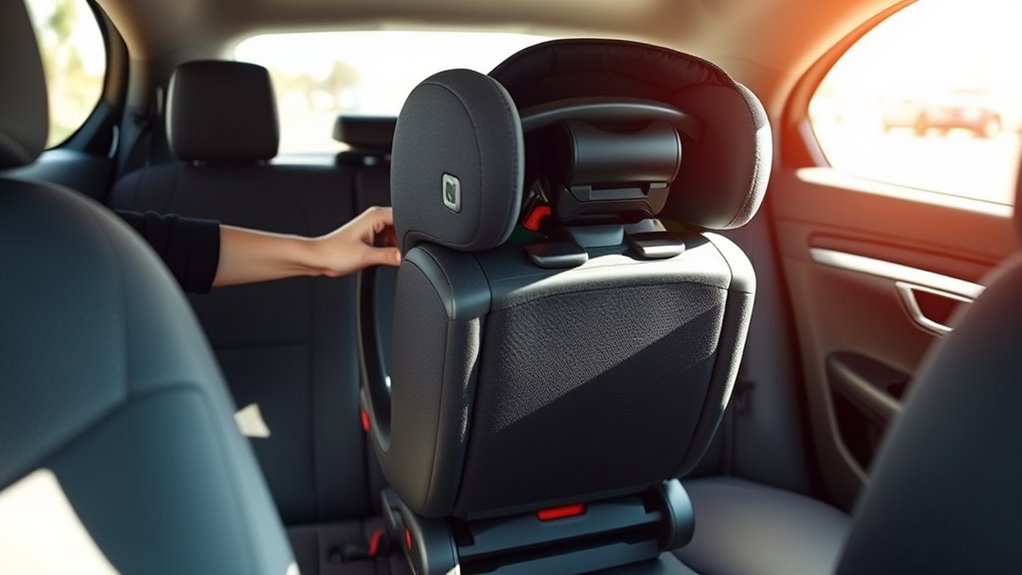
When Can You Turn the Car Seat Forward? Safety Guidelines Explained
Feeling unsure about when it’s safe to turn your child’s car seat forward? You’re not alone—many parents grapple with knowing the right timing for this important step. Ensuring your child’s safety while making this transition can feel overwhelming, but understanding the guidelines makes it easier.
You can switch your child’s car seat to the forward-facing position only after they reach the manufacturer’s height and weight limits, usually around ages 2 to 4.
Additionally, make sure they show they’re developmentally able to sit securely. Look for signs like sitting upright without support and shoulders at or above the seat’s indicators. Moving too soon increases the risk of injury.
To guarantee safety, follow proper installation tips—if you want to learn more about how to do this right, keep exploring the guidelines.
Key Takeaways
- Only switch to forward-facing once your child exceeds the manufacturer’s height and weight limits for rear-facing seats.
- Children are usually ready between ages 2 and 4, depending on their growth and the seat’s specifications.
- Make sure your child can sit upright without support, with shoulders at or above the seat’s height indicator, before moving to forward-facing.
- Keep children rear-facing as long as possible for better crash protection and proper spinal support.
- Proper installation is key—ensure the harness is secure, tethered correctly, and follow the manufacturer’s guidelines before changing the seat’s orientation.
When Is It Safe to Switch Your Child to a Forward-Facing Car Seat?

You should consider switching your child to a forward-facing car seat only when they have reached the height and weight limits specified by the manufacturer.
Before making the switch, check the car seat materials—make sure they are durable and meet safety standards. Also, verify vehicle compatibility, as some car seats fit better in certain vehicles.
Check that car seat materials are durable, safe, and compatible with your vehicle before switching.
Not all seats work well with every car, so consult your vehicle’s manual and the car seat’s instructions. Once your child exceeds the rear-facing limits, it’s safest to shift them to a forward-facing seat with a harness.
Keep in mind that the switch isn’t just about size; the construction and materials of the seat play a role in safety. Ensuring the seat fits securely in your vehicle and supports your child’s growth is vital.
Don’t rush the process—wait until your child surpasses the manufacturer’s guidelines for height and weight before changing to forward-facing.
What Are the Age, Weight, and Height Limits for Forward-Facing Seats?
Understanding the age, weight, and height limits for forward-facing seats is key to keeping your child safe. Child seat laws and car safety features offer specific guidelines to help you know when your child is ready to face forward.
Generally, children should stay rear-facing until they hit the maximum weight or height limit of their seat, which is often around 40 pounds and 40 inches tall. Once they exceed these limits, it’s time to switch to a forward-facing seat with a harness.
Most kids are ready for forward-facing seats between ages 2 and 4. Always check your car seat’s manufacturer guidelines for weight and height limits to be sure.
Car safety features like adjustable harnesses help keep your child secure in their seat. Following child seat laws ensures you’re compliant and your child remains safe on the road.
Knowing these limits helps you make the safest choice while adhering to laws and safety features that protect your child.
How Can You Check Your Car Seat’s Manufacturer Recommendations?
Checking your car seat’s manufacturer recommendations is a simple step that helps keep your child safe within the right limits. Start by finding the label or manual that came with the seat, which clearly states the manufacturer’s guidelines.
These guidelines give you important info on age, weight, and height limits, as well as instructions for adjusting the seat. Always double-check that your child’s weight and height haven’t gone beyond these limits before making any adjustments.
Most car seats have indicators or built-in level markers. Use these to make sure the seat is installed correctly. Remember, different brands and models may have different recommendations, so never assume one set of instructions applies to another.
Regularly reviewing the manufacturer guidelines helps you follow the safest practices as your child grows and develops. Following these recommendations is a smart way to ensure your child’s safety and security at all times.
How Do You Know When Your Child Is Ready for Forward-Facing?
You’ll know your child is ready for forward-facing when they hit the height and weight limits suggested by the seat’s manufacturer. Those numbers are a good starting point, but it’s also about how your child is doing developmentally.
For example, if they can sit steadily without needing support and seem curious about their surroundings, that’s a good sign they’re ready. And of course, make sure the seat is set up properly and that your child fits comfortably and snugly in it. When all these things line up, it’s usually time to switch to forward-facing.
Height and Weight Benchmarks
Most children are ready to switch to forward-facing car seats once they reach specific height and weight benchmarks set by safety guidelines. Usually, your child should be at least 2 years old and have outgrown their rear-facing seat’s limits.
Check the car seat labels, which list the maximum height and weight. Remember, quality car seat materials offer better protection, so choose one that fits your child’s size.
When installing the seat, make sure you have the right tools for a secure fit. Keep an eye on these benchmarks:
- Reached the maximum weight limit listed on the label
- Height exceeds the seat’s height limit
- Shoulders are at or above the seat’s height indicator
- Legs are comfortably bent when seated in the forward position
These markers help you know when your child is ready and ensure they progress safely.
Developmental Signs of Readiness
Once your child has met the height and weight limits for their rear-facing car seat, you can start looking for signs they’re ready to face forward. Developmentally, they should be able to sit upright without slouching or needing extra support.
They should also be able to keep their head in a neutral position, not flopping forward or tilting excessively. Check if they can stay seated for at least an hour without fussing or needing to move too much—this shows they have enough trunk strength.
Always check that the car seat materials are durable and meet safety certification standards. Proper development and reliable materials help ensure your child’s switch to forward-facing is safe and comfortable.
Proper Seat Positioning
Knowing when your child is ready to face forward involves checking how well they fit and sit in the car seat. Proper seat positioning keeps them safe and comfortable.
Your child’s shoulders should line up with the top slot of the harness, and they should sit back against the seat without slouching. The seat belt needs to lie flat across their chest and hips, not their stomach.
Once they outgrow the rear-facing seat, moving to a forward-facing seat with a harness is the next step. Keep these signs in mind to know if they’re ready:
- Fits comfortably in the harness with room to grow
- Can sit upright with minimal slouch
- Seat belt fits correctly across the chest and hips
- Ready for a booster seat when appropriate
What Are the Risks of Moving to a Forward-Facing Seat Too Early?
Moving your child to a forward-facing seat too early can actually be pretty risky. If there’s an accident, it increases the chance of head injuries because their neck muscles and spine aren’t fully developed yet to handle the forces involved. That means their little bodies could be more vulnerable to injuries that might be preventable if they stayed in a rear-facing seat longer. So, it’s really best to wait until they’re properly ready before making the switch—this helps keep them safer in the car.
Increased Head Injury Risk
Switching your child to a forward-facing car seat too early can significantly increase the risk of head injuries during a collision. When the seat faces forward, their head isn’t as well protected. Sudden impacts can then cause more serious harm.
Their head has more movement, making it easier for it to hit the interior of the car. This increases the chance of head strikes and skull injuries if there’s an accident.
Early transition also limits their ability to see clearly. This can affect their vision development and cause unnecessary strain, making it harder for them to anticipate hazards on the road.
Neck Injury Concerns
Switching your child to a forward-facing car seat too soon can increase the risk of neck injuries. When the seat isn’t properly suited or if the material lacks enough support, your child’s neck can become vulnerable during a collision or sudden stop.
Some seat brands emphasize reinforced structures designed to reduce this risk. But many generic or unsuitable seats may do little to protect the neck.
It’s essential to choose a seat with solid, impact-resistant materials and proven safety ratings. Plus, make sure the seat is padded enough to absorb shocks without sacrificing comfort.
Moving your child too early without these safety features can lead to serious neck injuries. That’s why patience and careful seat selection are so important for your child’s safety.
Why Keep Your Child Rear-Facing Longer?
Because of how a child’s body develops, keeping your child rear-facing longer offers better protection in a crash. Rear-facing seats cradle your child’s head, neck, and spine, helping reduce injury risk from sudden impacts.
Keeping your child rear-facing longer provides better crash protection by supporting the head, neck, and spine.
Modern car seat materials are designed to absorb crash forces, providing an extra layer of safety. Many child safety laws now suggest or require rear-facing seats for as long as possible, often up to age 2 or beyond.
Holding off on turning the seat forward allows your child’s bones and muscles to develop properly, which can lower the severity of injuries.
Consider these benefits:
- Better head and neck support during a crash
- Less chance of spinal injuries
- Staying in line with evolving safety laws
- Improved protection from crash forces thanks to better materials
Remaining rear-facing longer is a simple way to put your child’s safety first and give yourself peace of mind on every trip.
How to Properly Install a Forward-Facing Car Seat Safely
Once your child is ready to face forward safely, the next step is making sure the car seat is installed correctly. Start by checking that all accessories, like harness adjusters or tether straps, work with your vehicle.
Review both your car’s manual and the car seat manual to confirm compatibility and proper setup. Secure the seat tightly using either the LATCH system or seat belt, ensuring there’s less than an inch of movement side to side or front to back.
Adjust the harness so it fits your child snugly, with the straps at or just above shoulder level. Use the top tether strap to anchor the seat to your vehicle’s tether anchor point and prevent forward movement during a crash.
Make sure to double-check all connections and fit each time before you drive. Proper installation is key to keeping your child safe, so take your time and follow these steps carefully.
Common Mistakes to Avoid When Transitioning to a Forward-Facing Seat
Switching your child to a forward-facing seat may seem simple, but many parents make mistakes that could compromise safety. One common mistake is rushing the transition before your child is truly ready, ignoring the benefits of rear-facing seats that offer better protection.
Another mistake is not securing the seatbelt properly, which can affect how well the seat fits your child. It’s also important to adjust the harness correctly so it sits snugly on their chest without slack.
Lastly, make sure the seat is installed tightly with little movement. An unsecured seat increases the risk of injury in a crash.
To keep your child safe, only transition when they’re at least 2 years old and meet height and weight requirements. Double-check that the seatbelt fits snugly across their chest and hips. Properly adjust the harness so it sits flush and secure. And always verify the seat is tightly installed.
Prioritizing safety guidelines helps make the transition smooth and secure.
FAQs: Troubleshooting Car Seat Transition Questions
Have you ever wondered why your child’s car seat isn’t fitting properly even after switching to a forward-facing position? Sometimes, issues come up from seasonal safety concerns or not maintaining the seat well enough.
Extreme temperatures can weaken the straps and padding, which affects the fit and safety. Make sure to check that the harness is snug and the seat is installed properly, especially during seasonal changes when you might use different blankets or covers.
Extreme temperatures can weaken straps and padding, so always ensure your child’s seat is properly secured and in good condition.
Proper maintenance involves cleaning the straps, buckles, and shell to prevent damage. If your child’s head isn’t well supported or the seat feels loose, double-check the installation and harness tightness.
Also, verify that all parts are in good condition and haven’t been damaged over time. Addressing these common issues helps keep your child safe and comfortable on every ride.
When Should You Consult a Child Passenger Safety Expert?
You might want to think about talking to a child passenger safety expert if you notice your kid isn’t hitting certain developmental signs or reaching safety milestones. They can help you figure out if your child is ready to sit forward-facing and make sure you’re following the right safety guidelines. Getting expert advice can really give you peace of mind and ensure your child’s seat is being used correctly and safely.
Recognize Child’s Developmental Signs
Children develop physically and cognitively at different rates, so keep an eye out for signs that it might be time to consult a child passenger safety expert.
Their growth milestones can affect when they’re ready to switch to a forward-facing seat. Look for:
- Head control becoming strong and steady
- Sitting unsupported for longer periods
- Ability to follow simple safety instructions
- Having a growth spurt that needs new car seat accessories
Understanding these signs helps ensure your child’s comfort and safety. While focusing on car seat safety, don’t forget breastfeeding tips that support development and choosing car seat accessories that fit your child’s growth.
If you notice any of these signs, talking with an expert can help make sure you’re making the right safety choices as your child grows.
Identify Proper Safety Milestones
Recognizing the right time to consult a child passenger safety expert depends on noticing key safety milestones in your child’s development. One important milestone is when your child reaches the maximum height or weight limit for their current car seat. That’s usually a sign it might be time to switch to a different seat.
At this point, you should check that the seat still meets current safety standards and guidelines. Also, if your child’s growth makes the seat uncomfortable or it no longer fits properly, it’s a good idea to get professional advice.
Safety experts can help you determine if your seat is still suitable or if it’s time for an upgrade. Consulting an expert ensures your child’s safety milestones are met correctly, giving you peace of mind and keeping your child safe.
Understand Professional Recommendations
Knowing when to seek professional advice is key to keeping your child safe in a car seat. A child passenger safety expert can evaluate your child’s specific needs, like car seat materials and how well it fits.
You should get professional help if your child grows out of the height or weight limits of the seat, or if you’re not sure it’s installed correctly. It’s also a good idea when your child needs extra entertainment or comfort options.
If you’re switching to a different type of car seat or changing the seat’s direction, consulting an expert is highly recommended. They can advise you on the right timing for changes and make sure everything is properly adjusted.
Their advice helps you make confident decisions to keep your child protected during travel. When in doubt, always prioritize professional guidance to ensure safety.
Frequently Asked Questions
Can My Car’s Model Affect the Timing for Switching to Forward-Facing Seats?
Your car’s model can affect when you switch your child to forward-facing seats because of child height and vehicle compatibility. Some vehicles have specific features or space requirements that influence the timing.
Check your car’s manual and your child’s height guidelines to ensure a proper fit and safe riding position. Always follow the manufacturer’s instructions and safety standards.
Vehicle compatibility varies, and it impacts the right age and size for turning the car seat forward. Keep safety as your top priority when making this decision.
Are There Specific Safety Certifications I Should Look for in a Forward-Facing Car Seat?
Don’t cut corners when choosing a forward-facing car seat. Look for safety certifications like FAA, Juvenile Products Manufacturers Association (JPMA), or National Highway Traffic Safety Administration (NHTSA) labels.
These certifications guarantee the seat meets strict safety standards. Also, check for rear-facing options and booster seat compatibility to ensure your kid’s comfort and safety as they grow.
Prioritizing certified seats helps you avoid any surprises on the road.
How Often Should I Check the Fit of My Child’s Forward-Facing Car Seat?
You should check your child’s forward-facing car seat regularly, ideally every few months, to ensure a proper fit.
Use key child growth milestones, like reaching specific height or weight limits, as reminders to do this.
During installation, make sure the seat is snug and secure.
Recheck the fit after long trips or if your child has experienced a growth spurt.
Keeping up with these checks helps keep your child safe and comfortable.
Is It Safe to Use an Expired Car Seat for My Child’s Forward-Facing Transition?
Using an expired car seat is unsafe because of potential safety concerns due to car seat expiration. Over time, materials can degrade, which can reduce protection during accidents.
It’s essential to check the expiration date on your child’s forward-facing car seat and replace it if it’s expired.
Relying on a used or expired seat puts your child’s safety at risk, so always prioritize new, certified car seats to guarantee maximum protection.
What Are the Best Practices for Securing the Harness in a Forward-Facing Seat?
You should guarantee the harness is snug and properly adjusted, with no slack when securing your child in a forward-facing seat.
Adjust the harness straps so they lie flat and are at or above your child’s shoulders for maximum safety.
Proper seat positioning is also vital; keep the car seat at the correct angle, and ensure your child is comfortable but secure.
Always double-check harness tension and seat stability before driving.
Conclusion
Remember, safety comes first. Experts recommend keeping your child rear-facing for as long as possible until they hit the maximum height or weight limit. This usually happens around age 2.
Did you know that children in rear-facing seats are five times safer than those forward-facing? It’s a huge difference in protecting your little one.
By following manufacturer instructions and installing the seat correctly, you ensure your child’s safety and give yourself peace of mind.
When and if it’s time to turn the car seat forward, trust your instincts and seek expert advice if you’re unsure. Always prioritize safety guidelines for your child’s best protection.