Car Makes Whirring Noise When Slowing Down! 6 Causes and Their Fixes
If your car makes a whirring noise when slowing down, you’re not alone. Many drivers find this sound frustrating and concerning, unsure of what’s happening underneath the hood. Addressing the issue early can save you time, money, and stress.
If your car makes a whirring noise when slowing down, it could be caused by worn brake pads, warped rotors, or debris caught in the system.
Drivetrain issues, such as low transmission fluid or misaligned drive shafts, can also create the sound. Power steering problems or worn wheel bearings might be at fault too.
To pinpoint the exact cause and keep your vehicle safe, investigate the common problems and solutions that follow.
Key Takeaways
- Worn brake pads or warped rotors can cause whirring noises when slowing down. This is often fixed by inspecting the brake system and replacing worn parts.
- Low or dirty transmission or power steering fluid may produce whirring sounds during deceleration. Usually, this requires topping off the fluid or doing a complete flush.
- Faulty wheel bearings or suspension components can create persistent whirring noises. These usually need a professional diagnosis and part replacements.
- Overheating engine or drivetrain issues can lead to unusual sounds while slowing down. Regular maintenance helps prevent these problems and keeps things running smoothly.
- Unequal tire wear or imbalance often causes whirring noises. Fixing this typically involves balancing your tires and checking your wheel alignment.
Why Is My Car Making a Whirring Noise When I Slow Down?
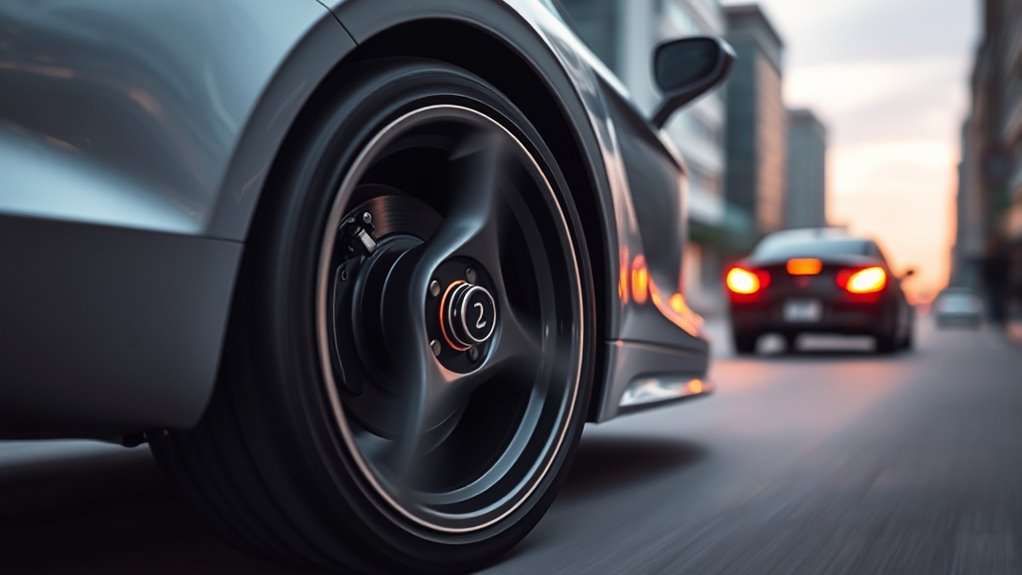
When your car starts making a whirring noise as you slow down, it’s usually a sign that something’s off with its braking or wheel system. One common cause could be worn-out brake components or debris caught in the brakes.
Another possibility is that your engine is overheating. When the engine gets too hot, it can create unusual noises and make everything run less smoothly. Overheating can also lead to increased friction, causing strange sounds as parts struggle to stay cool.
A whirring noise might also indicate your engine is working harder than it should, which can waste fuel and reduce efficiency. When your engine struggles, it makes more noise and seems more strained during deceleration.
Keeping an eye on your engine’s temperature and fuel consumption can help catch issues early. If the whirring keeps happening, it’s a good idea to have a mechanic check your cooling system and engine performance.
Addressing these problems early can prevent more serious damage and help keep your vehicle running smoothly.
Signs That Your Brake System Might Be Causing the Noise
If your whirring noise gets louder when you brake or slow down, it’s a clear sign that your brake system might be the issue. You might notice the sound getting worse after multiple braking attempts, which could mean worn brake pads or a sticking caliper.
A loud whirring noise when braking signals potential brake issues like worn pads or sticking calipers.
If your engine overheats or the exhaust makes strange sounds when braking, these could also be linked to brake problems. Excess heat transfer might be affecting nearby parts, causing the noise.
A pulsating brake pedal or a grinding feeling can also suggest warped rotors, which often contribute to noise. Pay attention to whether the noise happens when the vehicle is cold or after driving for a while, as that can help diagnose if brakes are overheating.
If you notice any of these signs, it’s important to get your brake system checked out soon. Ignoring them can lead to more damage and, more importantly, could compromise your safety.
Could Your Transmission or Drivetrain Be the Culprit?
Could it be your transmission or drivetrain causing that noise? Sometimes, the whirring sound might actually come from low or dirty transmission fluid. It’s a good idea to check those fluid levels—you’d be surprised how much of a difference they make!
And don’t forget about the drivetrain. If it’s out of alignment, you might notice some unusual sounds, especially when you start slowing down. Taking a quick look at these parts can really help figure out what’s going on.
Transmission Fluid Levels
Could low transmission fluid levels be causing that odd whirring noise when you slow down? If the fluid is too low, your transmission struggles to operate smoothly, leading to unusual sounds.
This can also impact your car’s fuel efficiency because the transmission has to work harder to shift gears properly. Additionally, insufficient fluid may cause your engine to overheat, risking serious damage over time.
When fluid levels are low, your transmission isn’t lubricated properly, which can speed up wear and tear. Regularly checking and maintaining your transmission fluid levels can prevent these problems and keep your car running quietly and efficiently.
If the fluid looks dirty or low, it’s a good idea to flush and replace it to keep your vehicle performing at its best.
Drivetrain Alignment Issues
Misaligned or damaged drivetrain components can often cause a strange whirring noise when you slow down. If your drive shaft isn’t aligned properly, it can create unusual vibrations and differential noise, especially during deceleration.
You might notice the noise changing intensity as you shift gears or slow to a stop. Damaged or bent drive shafts can also produce similar sounds, as they struggle to rotate smoothly.
Misalignment between the drive shaft and differential can result in uneven wear and additional noise. Addressing drivetrain alignment issues requires inspecting and realigning the drive shaft and differential.
If left unchecked, these problems can worsen, leading to more costly repairs or further damage to your transmission. Regular maintenance can help prevent these issues from developing into serious drivetrain concerns.
Is Power Steering Making That Whirring Sound?
A whirring sound when slowing down might come from your power steering system, especially if you hear it only at certain speeds or when turning. If that’s the case, your power steering fluid could be low, or the pump might be failing.
This noise can also affect engine cooling because the power steering pump shares a pulley with the engine belt. That means issues here can impact your overall engine performance too.
Here’s a quick comparison to help you figure out what’s going on:
| Cause | Symptoms | Fix |
|---|---|---|
| Low power steering fluid | Whirring when turning or braking | Check and refill fluid |
| Power steering pump failure | Constant whirring at various speeds | Replace the pump |
| Belt tension or alignment | Noise varies with speed | Adjust or replace belt |
Fixing these issues keeps your power steering smooth and helps maintain proper engine cooling, preventing overheating.
Are Wheel Bearings or Suspension to Blame?
If your car starts making a whirring noise when you’re slowing down, it could be because of bad wheel bearings or some problem with the suspension. Sometimes, it’s tough to tell what’s causing the issue just by listening, but there are a few signs to look out for. Things like uneven tire wear or strange vibrations while driving might give you a clue about what’s going on.
To get to the bottom of it, a quick diagnostic check can help. For example, inspecting for any play in the wheel or listening carefully for noise can point you in the right direction—whether it’s the wheel bearings or the suspension parts causing the trouble.
Signs Of Faulty Wheel Bearings
Heeding the warning signs of faulty wheel bearings can save you from costly repairs and dangerous driving conditions. If you notice a persistent whirring or grinding noise when slowing down, it’s a red flag.
You may also experience uneven tire wear or a feeling of looseness in the steering. Faulty wheel bearings often cause vibrations that worsen with speed, making your ride unstable.
Pay attention to tire alignment issues, as misaligned wheels can mimic bearing problems. Engine tuning problems usually won’t cause these symptoms, so focus on wheel components first.
Furthermore, if you hear irregular noises when turning, it’s a strong indicator of wheel bearing trouble. Regular maintenance checks help identify these issues early, preventing further damage and keeping your drive safe.
Suspension Components And Noise
When your car makes a whirring or clunking noise while slowing down, it’s important to figure out if the problem is with the wheel bearings or suspension parts.
Worn suspension components like control arms or shocks can cause noise because they struggle to absorb engine torque impacts, especially during deceleration.
Sometimes, a misaligned exhaust system can amplify vibrations and sounds, making it seem like the suspension is at fault.
Wheel bearings usually produce a consistent whine, while suspension issues often cause more variable noises, often louder during turns.
Carefully inspecting these parts helps you determine if worn bushings or shaky struts are causing the problem.
Fixing suspension issues early ensures a smoother ride and helps prevent further damage to other critical parts.
Diagnostic Methods For Issues
To figure out if wheel bearings or suspension parts are behind the whirring noise when decelerating, start with a visual check and a test drive. Listen carefully for any changes in the noise’s loudness or pitch when turning or braking, as these clues point to a specific problem.
Look for uneven tire wear or wheels that wobble or feel loose—these often indicate bad wheel bearings. If your car feels unstable or has excessive body roll, it could be a suspension issue.
Listen for consistent whirring sounds while you accelerate or brake. Also, inspect suspension bushings and control arms for looseness, wear, or damage. Spin the wheels by hand to check for roughness or grinding noises.
Keep an eye on your engine performance and fuel economy, since wheel bearing issues can sometimes affect how your car runs overall.
How to Troubleshoot Persistent Noises and When to See a Mechanic
Persistent noises when slowing down can be a sign that something isn’t quite right with your vehicle, so it’s wise to troubleshoot them quickly. Start by listening carefully to see if the noise sounds like a whirring or grinding.
Check for signs of engine overheating, as that can cause increased noise during deceleration. Also, look at your tires for imbalance, since uneven or poorly balanced tires often create a persistent whirring sound when slowing down.
If the noise keeps happening despite these simple checks, don’t ignore it. It could point to a bigger problem. Pay attention to whether the noise gets worse with engine temperature or speed, or if it happens only under certain driving conditions.
When in doubt, it’s best to see a mechanic. Professionals can identify hidden issues like brake system problems or suspension wear, helping you avoid breakdowns or costly repairs later on.
Frequently Asked Questions
Can Low Oil Levels Cause Whirring Noises When Slowing Down?
Low oil levels can cause engine vibration, which might lead to a whirring noise when slowing down. But often, this noise is more about tire imbalance or worn brakes.
While low oil can damage your engine, it’s less likely to directly cause that whirring sound. To find out what’s really going on, check your oil level first.
Then, take a look at your tires and brakes for signs of wear or imbalance. That’s usually the cause of noises when slowing down.
Do Worn Serpentine Belts Produce Whirring Sounds During Deceleration?
Like a wind through leaves, worn serpentine belts can make whirring sounds during deceleration.
These belts drive accessories, and if they’re frayed or loose, they might squeal as the engine struggles.
This noise could also lead to engine overheating or transmission slipping.
If you hear it, it’s a good idea to have the belts checked and replaced if necessary.
Doing this can prevent further damage and keep your car running smoothly.
Could a Clogged Air Filter Contribute to the Noise?
A clogged air filter can actually contribute to that whirring noise you hear when you’re slowing down. When the filter is blocked, it restricts airflow to the engine, forcing it to work harder.
This extra strain can cause unusual sounds, like a whirring or humming noise, especially during deceleration.
To fix this, just replace or clean your air filter regularly. This helps ensure proper airflow and keeps those noises at bay.
Is Wheel Alignment Related to Whirring Sounds When Braking?
Yes, improper wheel alignment can cause a whirring sound when braking, especially if combined with uneven wheel balance. Misaligned wheels put extra stress on your brake pads and suspension, which can lead to noise.
When you notice this, it’s a good idea to check both your wheel balance and alignment. Realigning the wheels and balancing them properly often fixes the issue.
This can help reduce the whirring sound and make your braking and handling smoother overall.
Are Aftermarket Modifications Affecting My Car’s Noise While Slowing Down?
Your car’s noise while slowing down can be impacted by aftermarket modifications, causing extra noise. These parts might introduce sounds that weren’t there before.
Aftermarket brakes or tires, if poorly fitted or of lower quality, can create a whirring noise. Sometimes, these modifications change how your car normally runs, leading to strange sounds.
To fix this, check your aftermarket parts and replace those that are incompatible or low quality. Make sure everything is installed correctly for a smoother, quieter drive without unwanted noise.
Conclusion
So, if that whirring worsens as you wind through curves or come to a stop, don’t put off diagnosing it. catching the problem early can save you from bigger, more expensive repairs down the line.
Quickly inspecting squeals, diagnostics, and suspension parts helps you stay ahead of trouble. It’s all about keeping your sedan running smoothly and avoiding those surprise breakdowns.
Remember, staying proactive with car care prevents costly issues. Keeping your car quiet and reliable means cruising confidently and stress-free on the road.