Can Spark Plugs Cause Misfire? Signs, Causes & Fixes Explained
Are you tired of your engine misfiring unexpectedly or running rough? You’re not alone—many car owners struggle with ignition issues that disrupt smooth driving. One common culprit behind these problems is worn or faulty spark plugs. Understanding how spark plugs cause misfires can help you keep your engine running perfectly.
Yes, spark plugs can cause a misfire if they become worn, damaged, or fouled, which prevents proper ignition of the fuel-air mixture. Signs include rough idling, hesitation, decreased fuel efficiency, and engine stalls.
Causes range from electrode wear to issues with ignition coils or fuel system problems. Proper maintenance and timely replacement can prevent these issues.
Keep going to learn how to identify, fix, and prevent spark plug-related misfires for better engine performance.
Key Takeaways
Faulty or worn spark plugs can cause misfires by failing to produce a strong, steady spark for ignition.
Signs include engine hesitation, rough idling, increased fuel consumption, and misfire codes.
Causes can be electrode wear, corrosion, fouling, or faulty ignition components that disrupt spark delivery.
Regular inspection, proper gap setting, and timely replacement of spark plugs can help prevent misfires.
Fixing spark plug issues quickly restores proper combustion and prevents further damage to your engine.
How Spark Plugs Ignite the Engine and Cause Misfires
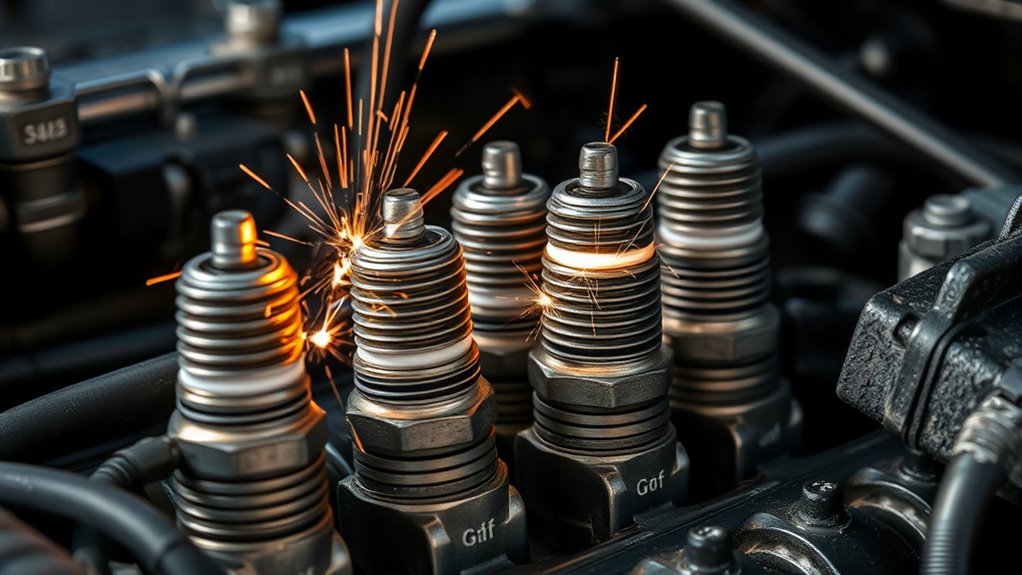
Spark plugs are essential for igniting the fuel-air mixture inside your engine’s cylinders. The process begins with how they are made, with engineers designing them to produce a strong, consistent spark.
Spark plugs initiate engine combustion by producing a strong, reliable spark inside the cylinders.
This ignition system is timed carefully to ensure sparks happen at the right moment for optimal combustion. When your engine runs smoothly, the spark plug fires during the compression stroke, igniting the mixture evenly.
But if there’s a fault in the ignition system—like worn electrodes or a weak spark—it can cause inconsistent ignition. This can lead to incomplete combustion, which often results in engine misfires.
Sometimes, dirt, carbon buildup, or other contaminants on the spark plug gap can prevent a proper spark. Whether caused by manufacturing flaws or wear over time, these issues disrupt the ignition process and impact engine performance.
Understanding how spark plugs ignite your engine helps you see how problems can develop and possibly lead to misfires.
Recognizing the Signs of Faulty Spark Plugs and Engine Misfires
When your engine starts to run rough or sputters unexpectedly, these can be signs that something’s wrong with your spark plugs or ignition system. Faulty spark plugs can mess up ignition timing and cause misfires. Pay attention to:
- Engine Misfire or Hesitation: If your engine stumbles, stalls, or hesitates during acceleration, your spark plug might not be firing correctly or igniting at the right moment.
- Poor Fuel Efficiency: A sudden drop in miles per gallon can point to inconsistent sparks or ignition timing issues, often caused by worn or misfiring spark plugs.
- Rough Idling or Difficulty Starting: If your engine idles roughly or struggles to start, it might mean your spark plugs aren’t properly igniting fuel, possibly because of damage or incorrect gap.
Recognizing these signs early can help you identify faulty spark plugs, which are often linked to issues with their design or ignition timing that affect your engine’s performance.
How Worn or Damaged Spark Plugs Lead to Misfires
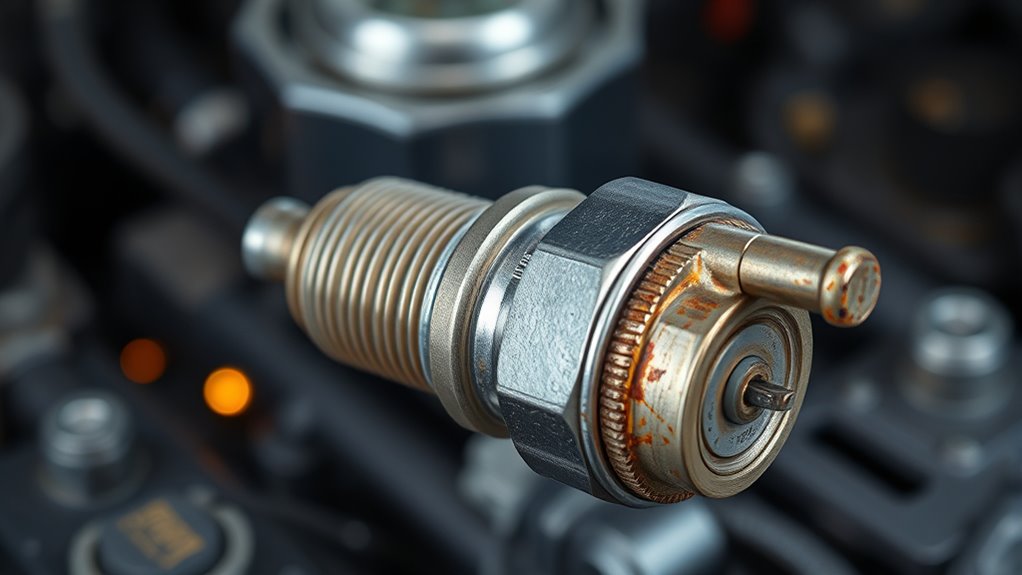
Worn or damaged spark plugs disrupt the engine’s ability to ignite fuel consistently, leading to misfires. Over time, the electrode wears down or corrosion sets in, which reduces spark efficiency.
When the spark doesn’t produce a strong, reliable spark, the combustion process becomes uneven, causing misfires. Damaged plugs can also throw off ignition timing—if they don’t fire at the right moment, the engine struggles to run smoothly.
Misfires happen because the spark isn’t strong enough to fully ignite the air-fuel mixture, or because the spark is delayed, disrupting the engine’s rhythm. Spark plug deterioration impacts power, fuel economy, and emissions.
Regularly inspecting and replacing worn or damaged plugs helps keep the ignition timing in check. This ensures a consistent spark and smooth engine performance. Proper spark plug maintenance is key to avoiding these issues.
Common Causes of Spark Plug Wear and Engine Misfires
Several factors can speed up spark plug wear and cause engine misfires, often stemming from issues inside the engine or how the vehicle is driven. Voltage fluctuations can send irregular sparks, leading to electrode wear and increasing the chances of misfires.
Poorly maintained emission controls also play a role, as they can cause excess carbon buildup on the plugs, hampering performance. Other common causes include using low-quality fuel or the wrong type of fuel, which can cause fouling and quicken wear.
Running an overly rich or lean air-fuel mixture can stress the plugs and damage the electrodes. Ignition system problems like faulty coils or wires can produce inconsistent sparks, contributing to misfires and faster wear.
These issues not only speed up plug deterioration but also hurt engine timing and efficiency. Keeping voltage stable and maintaining emission systems is key to preventing early spark plug damage. Regular tune-ups and addressing underlying problems help your engine run smoothly and lower the risk of misfires caused by worn plugs.
When and How to Check or Replace Spark Plugs
If your engine starts misfiring or running rough, it might be time to take a look at your spark plugs. You’ll want to check for things like soot buildup or electrodes that look worn down—these can be signs that your plugs need some attention. If you notice any damage or heavy fouling, it’s probably best to replace them.
And hey, if you’re not entirely sure what you’re doing, or if replacing the plugs doesn’t seem to fix the issue, don’t hesitate to swing by a professional mechanic. They can help figure out what’s really going on and get your engine running smoothly again.
Symptoms Indicating Replacement
Knowing when your spark plugs need replacing is key to keeping your engine running smoothly. If your car idles roughly, struggles to start, or uses more fuel than usual, it’s time to check your spark plugs.
You might also notice misfires, stalling, or higher emissions. These can be signs that your plugs are worn out or covered in deposits. Sometimes, a faulty ignition coil can cause similar symptoms, so it’s good to inspect both.
Replace your spark plugs if you experience hesitation during acceleration, a noticeable drop in fuel economy, or see visible wear or deposits on the electrodes. Keeping an eye on your fuel system and ignition coil can help prevent these issues.
Addressing these signs early helps avoid costly repairs and ensures your engine keeps running smoothly. Regular checks make all the difference.
Proper Inspection Procedures
Regularly inspecting your spark plugs ensures they’re working properly and helps catch wear or deposits before they cause engine problems.
To check them, carefully remove the spark plugs using a spark plug socket, then look at their tips for signs of wear or buildup. Deposits or discoloration might mean misfiring issues.
It’s a good idea to inspect the spark plugs during an engine cleaning or oil change since they’re easy to reach. If they’re fouled or damaged, replace them right away.
Keep a record of your inspection intervals so you don’t forget. Making sure they’re properly gapped and clean helps extend their life.
Regular checks can prevent misfires, boost performance, and keep your engine running smoothly.
When to Seek Professional Help
Sometimes, despite your best efforts inspecting your spark plugs, you might notice persistent misfires or engine hesitation. If you experience rare symptoms like rough idling, strange noises, or unexplained power loss, it’s time to *contemplate* professional help.
Spark plug problems can sometimes be caused by unrelated issues, such as ignition coil problems or fuel system faults, making diagnosis tricky. You should seek expert assistance when:
- Symptoms stick around even after replacing the spark plugs
- You’re unsure about what’s causing the problem or suspect other underlying issues
- There are no obvious signs of wear or damage, but problems continue
A mechanic can perform a thorough check and determine whether the spark plugs just need replacing or if other components are involved. Don’t wait if your vehicle isn’t running smoothly—getting professional help helps save time and prevents further damage.
How to Fix Spark Plug Misfires in Simple Steps
Sure! Here’s a more conversational version of the text:
If your engine’s misfiring, a good first step is to check out the spark plug. Just take a look to see if it’s worn out, damaged, or covered in too much carbon—it might be the culprit. If you spot any issues, go ahead and replace the spark plug. It’s a simple fix that can often clear up the misfire and get your engine running smoothly again.
Inspect Spark Plug Condition
Before you try fixing spark plug misfires, it’s important to carefully inspect the spark plug’s condition. Start by removing it and examining the electrode and ceramic insulator.
Look for signs of wear, fouling, or cracks. Check for carbon buildup or oil fouling on the electrode, and see if the ceramic insulator is damaged or corroded. Also, verify that the spark plug matches your vehicle’s specifications and is compatible with your ignition coil.
High-quality plugs made from iridium or platinum tend to last longer and perform better. Guaranteeing the right match can prevent misfire issues.
Proper inspection helps you determine if your spark plug is causing the misfires or if you need to look for other fixes.
Replace Faulty Components
When you’ve identified a faulty spark plug or other worn components, replacing them is a straightforward way to fix misfires. Start by choosing a spark plug with the correct design for your vehicle, making sure the gap is set right.
Faulty spark plugs often have damaged electrodes or wear that stops the spark from happening properly. Also, check the ignition coil. A weak or faulty coil can cause misfires even if the spark plug looks fine.
Remove the old component carefully and install the new spark plug, ensuring it’s tight but not over-torqued. If replacing the spark plug doesn’t fix the problem, you might need to replace the ignition coil or other related parts.
Getting the right replacements restores proper spark delivery and helps your engine run smoothly.
Other Vehicle Parts That Can Cause Engine Misfires
Engine misfires aren’t always caused by spark plugs; there are several other parts of your vehicle that can be to blame. Your ignition system, fuel injection, and nearby components all play a role in keeping your engine running smoothly.
Engine misfires can stem from ignition, fuel, or vacuum issues, not just spark plugs.
For example, a faulty ignition coil or distributor can interrupt spark delivery, which can cause misfires. Similarly, problems with the fuel injection system—like clogged fuel injectors or low fuel pressure—can prevent your engine from firing properly.
Here are some common parts that might cause misfires:
- Ignition system components like coils, distributor, and wires
- Fuel injectors or fuel pump issues
- Vacuum leaks that disturb the air-fuel mixture
By checking these parts, you can better identify the root of the misfire issues beyond just replacing the spark plugs. Addressing these causes helps your engine run smoothly and efficiently.
If you keep experiencing misfires, make sure to inspect these components before jumping to spark plug replacement.
Maintenance Tips to Prevent Spark Plug Misfires
Regular maintenance is essential to prevent spark plug misfires and keep your engine running smoothly. One key step is regularly inspecting and replacing your spark plugs according to your vehicle’s recommended schedule. Using high-quality spark plug materials, like platinum or iridium, can improve durability and performance, reducing the chance of misfiring.
Maintaining proper ignition timing is also vital. If it’s off, your spark plugs won’t fire at the right moment, leading to misfires. Check your vehicle’s timing and make sure it’s synchronized correctly.
Avoid using worn-out or incompatible spark plugs, as they can cause poor combustion and engine hesitation. Always clean or replace spark plug wires and ignition coils when needed, since faulty parts can disrupt spark delivery.
Performing these routine checks and adjusting the ignition timing as needed will help prevent misfires, extend your spark plug’s lifespan, and keep your engine running efficiently.
When to Seek Professional Help for Engine Misfires
While minor engine misfires can sometimes be fixed with simple maintenance, persistent or severe ones mean it’s time to see a professional. Ignoring these issues can put your safety at risk and may even impact your vehicle insurance claims.
Persistent engine misfires require professional attention to ensure safety and prevent costly damage.
If misfires happen often or get worse, it’s important to get a proper diagnosis and repair from an expert. You should seek help if you notice the engine running rough or stalling.
A big drop in power or acceleration is also a sign you shouldn’t delay. Additionally, if the check engine light is blinking or stays on, it’s a clear indicator you need professional help.
Waiting too long can lead to more serious damage, higher repair costs, and possible legal troubles if a misfire causes an accident. Acting quickly keeps you safe and ensures your vehicle remains insurance-compliant.
If you’re unsure, it’s always better to have a mechanic take a look rather than risking further damage or safety issues.
How Proper Spark Plug Care Boosts Performance and Fuel Economy
Taking good care of your spark plugs is key to making your engine run smoothly and efficiently. When your spark plugs are clean and well-maintained, your vehicle burns fuel more effectively, which can actually save you money at the pump. It’s like giving your engine a little tune-up to keep things running just right.
And don’t forget, taking care of your spark plugs regularly means they’ll last longer. That means fewer replacements and less hassle down the road. All in all, proper spark plug maintenance helps keep your car performing at its best and can even improve your fuel economy.
Enhances Engine Efficiency
Properly maintained spark plugs play a crucial role in enhancing your engine’s efficiency, guaranteeing smoother combustion and consistent performance. When you keep up with regular spark plug replacement, you prevent issues like corrosion that can hinder ignition.
Clean, well-maintained plugs help your engine run more smoothly, using less fuel and producing fewer emissions. Neglecting spark plug care can lead to misfires or rough idling, which reduce fuel economy and overall power.
To keep your engine performing at its best, check for signs of corrosion, replace worn-out plugs promptly, and ensure proper gap settings. Regular maintenance keeps your engine firing at its peak, saving you money and extending your vehicle’s lifespan.
Your efforts directly contribute to better performance and efficiency on every drive.
Improves Fuel Combustion
When your spark plugs are in good condition, they ignite the air-fuel mixture more efficiently, leading to better combustion inside your engine. Properly functioning spark plugs make sure the ignition coil delivers a strong spark, while the fuel injector sprays fuel evenly. This teamwork results in complete combustion, maximizing power output and fuel economy.
When combustion is optimized, your engine runs smoother, and emissions decrease. Keep spark plugs clean and properly gapped to prevent misfires. Regularly inspecting the ignition system and fuel injector helps improve overall performance by maintaining consistent spark delivery and fuel atomization.
Extends Spark Plug Longevity
Regularly maintaining your spark plugs not only helps prevent misfires but also significantly extends their lifespan. Proper care keeps the coatings effective, helping them resist wear and corrosion longer.
Using quality ignition coils works hand in hand with good spark plug maintenance. They promote consistent sparks and reduce stress on the plugs, improving overall performance.
To boost longevity, consider checking and cleaning spark plug contacts regularly. Also, use spark plugs with durable coatings for better heat resistance.
If you notice weak sparks or misfires, replacing the ignition coils can make a big difference. These actions help your spark plugs resist oxidation and fouling, keeping your engine running smoothly.
Well-maintained spark plugs and reliable ignition coils work together to maximize fuel efficiency. They also help keep your engine smooth and responsive.
Frequently Asked Questions
Can Bad Ignition Coils Cause Spark Plug Misfires?
Yes, bad ignition coils can cause spark plug misfires. The ignition system relies on coils to generate the high voltage needed for sparks.
When coils fail, the spark may weaken or not occur at all. This can lead to misfires, even if the fuel system is working fine. Faulty coils interrupt the spark and cause poor engine performance.
To fix this, replace the faulty coils. Doing so ensures your ignition system works properly and helps prevent misfires.
Do Fuel Injectors Contribute to Spark Plug-Related Misfires?
Fuel injectors can contribute to spark plug misfires, especially if fuel quality is poor or they’re clogged. When injectors deliver uneven fuel, the air-fuel mixture misfires, leading to ignition timing issues that cause misfires.
While spark plugs play a big role, malfunctioning fuel injectors disrupt proper combustion, making them a key factor. Ensuring good fuel quality and maintaining injectors helps keep your spark plugs firing smoothly.
How Does Engine Compression Affect Spark Plug Performance?
Engine compression plays a vital role in spark plug performance. If you experience compression issues, it can cause poor combustion efficiency, leading to misfires and rough idling.
Low compression means the air-fuel mixture doesn’t ignite properly, which strains the spark plugs and shortens their lifespan. To keep your spark plugs working well, ensure your engine has the right compression levels.
Proper compression directly affects combustion efficiency and overall engine smoothness. Keeping an eye on this helps your engine run smoothly and your spark plugs last longer.
Can Aftermarket Spark Plugs Cause Engine Misfires?
Yes, aftermarket spark plugs can cause engine misfires by disrupting spark plug deterioration and ignition timing.
Shoddy substitutes may not fit properly or fire consistently, leading to poor performance. When you swap in inferior parts, your engine’s rhythm can falter, causing misfires and rough runs.
To prevent this, choose quality plugs designed for your vehicle, ensuring proper ignition timing and preventing pesky misfires that compromise power and efficiency.
Are Certain Vehicle Models More Prone to Spark Plug Misfires?
Certain vehicle models are more prone to spark plug misfires because of how compatible they are with certain spark plugs and how the spark plug design interacts with the engine.
Some models, especially those with high-performance engines, tend to experience faster wear on spark plugs, which can lead to misfires.
Regular maintenance and choosing the right spark plugs for your vehicle can help prevent these issues, keeping your engine running smoothly and extending spark plug life.
Always check your owner’s manual for the recommended spark plug specifications to ensure the best performance.
Conclusion
Think of your spark plugs as the heartbeat of your engine. When they falter, the rhythm of your ride can stumble too. Regular checks and timely replacements help keep this essential pulse steady.
Maintaining healthy spark plugs ensures smooth acceleration and better fuel efficiency. Don’t let worn-out sparks dim your journey. Instead, think of them as precious embers that ignite your adventure.
Keep your spark plugs in good shape, and your vehicle will perform reliably. Remember, spark plugs can cause misfire if neglected, so taking care of them is key to a smooth ride.