Power Steering Fluid Cap Goes Missing? Here’s Your Troubleshooting Guide
Dealing with a missing power steering fluid cap can be more than just an annoyance—it’s a common issue many car owners face that can lead to bigger problems. If you’re worried about dirt, leaks, or steering troubles, you’re not alone.
This simple part plays a crucial role in keeping your vehicle running smoothly and safely.
If your power steering fluid cap goes missing, it can lead to dirt contamination, leaks, and steering problems. You should inspect the area for damage, dirt, or leaks, and secure a replacement or suitable adapter if an exact fit isn’t available.
Driving without the cap increases risks like debris entering the system and difficult steering. To keep your vehicle safe and smooth, it’s important to follow proper inspection and replacement steps.
Keep going to learn more tips and detailed guidance.
Key Takeaways
- Regularly check the power steering fluid cap and reservoir for any damage, looseness, or missing parts. This helps prevent dirt from getting in and keeps the system clean.
- Driving without the cap can let dirt in, cause fluid to evaporate, and increase the chances of leaks or damage to the system.
- When replacing the cap, use compatible replacements or universal adaptors that fit well to keep everything sealed properly.
- Make a habit of checking the power steering fluid levels and quality often. Catching leaks or contamination early saves you time and money.
- Schedule routine maintenance and inspections to ensure the cap stays secure and the system works smoothly.
Why Is My Power Steering Fluid Cap Missing: And Why It Matters
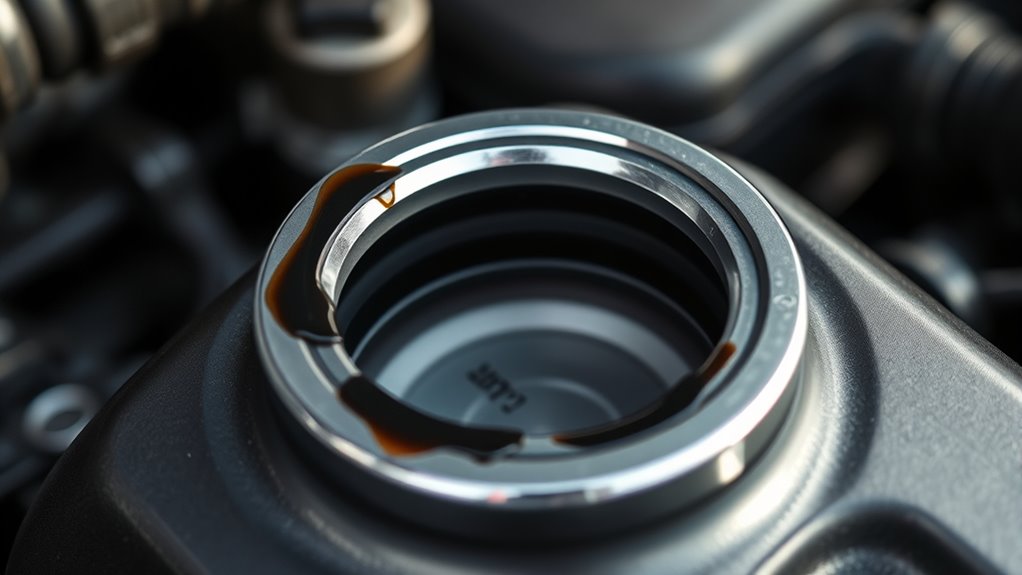
If you notice that your power steering fluid cap is missing, it can be a cause for concern. Missing caps can let dirt and debris enter the system, which affects how smoothly your steering works.
Missing power steering caps can allow dirt in, causing steering issues and potential damage. Inspect regularly to prevent costly repairs.
Poor engine tuning can put extra stress on your steering components, making it even more important to keep fluid levels and seals in check. Low tire pressure can also indirectly impact steering performance, so it’s a good idea to check all parts of your vehicle.
Missing caps might also mean you’ve been neglecting routine maintenance like checking fluid levels regularly. Without the cap, dirt and debris can get into the reservoir, potentially causing damage or reducing efficiency.
While it may seem minor, this small issue could lead to costly repairs later on. Keep an eye on your vehicle’s overall health by inspecting your engine tuning and tire pressure regularly to prevent bigger problems, including missing or misplaced power steering fluid caps.
What Causes the Power Steering Cap to Go Missing? Common Reasons Explored
One of the main reasons your power steering cap might go missing is simply that it wasn’t secured properly after the last time someone worked on it. If it wasn’t snapped back into place firmly, it can easily come off while you’re driving.
Another thing to look out for is damage or wear on the cap or its cover. Over time, cracks or weakened spots can make the cap more likely to fall off unexpectedly.
Knowing these common causes can really help you prevent future issues. Plus, it keeps your fluid system sealed tight and working properly.
Improper Cap Securing
Have you ever noticed your power steering fluid cap missing and wondered what caused it to disappear? Sometimes, the cap wasn’t secured properly from the start.
When you don’t tighten it enough, engine vibrations can loosen the cap over time, causing it to fall off. Brake issues that cause sudden stops or jerky movements can also jostle the cap loose, especially if it wasn’t secured before driving.
Make sure to regularly check that the cap is tight and seated correctly after maintenance or refilling. Ignoring this can lead to leaks or contamination.
Properly securing the cap helps prevent it from coming loose due to engine vibrations or sudden stops. Always double-check that it’s secure before hitting the road to avoid losing it unexpectedly.
Cover Damage or Wear
Damage or wear to the power steering cap is a common reason it goes missing. Over time, exposure to heat, dirt, and chemicals can break down the material, making it weaker.
If the cap’s paint or coating starts to chip or fade, it’s usually a sign of aging. This deterioration makes the cap more likely to fall off.
Low-quality or brittle materials may crack or break easily, especially if you handle them roughly. Check the cap regularly for cracks, warping, or surface damage.
A worn or damaged cap won’t fit securely, increasing the chance of it going missing. Replacing it with a durable, high-quality cap designed for your vehicle will give you better longevity and a snug fit.
How to Inspect Your Power Steering Fluid Cap for Damage, Leaks, or Contamination
How can you make certain your power steering fluid cap is in good shape? First, look at it closely for cracks, warping, or any kind of damage.
Next, check around the edges for leaks—fluid seeping out means the seal might not be sealing properly. Also, inspect the cap and nearby area for dirt, dust, or debris that could contaminate the system.
Remember, a damaged or loose cap can cause the fluid to become aerated or dirty. This can lead to engine noise and might even affect your brake performance by causing uneven pressure.
Make sure the cap is tightly screwed on after filling or maintenance. Loose caps can lead to fluid evaporation or contamination.
Regularly inspecting your cap helps keep your power steering working smoothly. It also prevents issues that could impact your vehicle’s safety and overall operation.
What Are the Risks of Driving Without the Power Steering Cap?
Driving without the power steering cap might seem like a small oversight, but it can lead to serious issues for your vehicle. Without the cap, dirt and debris can easily get into the reservoir, increasing the risk of contamination and making it more difficult to keep the interior clean.
Plus, exposed fluid can evaporate or spill, which leads to low fluid levels. That can make steering feel harder and less responsive, especially at low speeds. It’s a minor detail with a big impact.
Neglecting to replace the cap can also cause messes that complicate engine diagnostics. It becomes harder to spot leaks or other problems early when dirt and fluid leaks are present.
Driving with an open reservoir risks air getting into the system. This can make steering feel stiff or jittery, reducing your control while driving.
Here are some key risks:
- Dirt entering the power steering fluid, damaging components
- Fluid contamination, which shortens system lifespan
- Increased effort when steering due to low fluid
- Difficulties during engine diagnostics because of leaks or dirt buildup
How to Replace a Missing Power Steering Fluid Cap Quickly and Safely
Losing the power steering fluid cap isn’t an emergency, but it’s important to replace it quickly to prevent dirt and debris from contaminating the system. To do this swiftly and safely, start by finding a suitable replacement cap—check online or visit an auto parts store. Make sure it fits your vehicle well to avoid leaks.
Before installing the new cap, look around the area for dirt or debris that could get into the reservoir; clean the opening if needed. When you put the cap back on, twist it securely to create a tight seal. While you’re at it, check your tire pressure since proper inflation can help with steering response.
If you’re working outside in a landscaped area, be mindful to keep tools and debris away from your work zone. Taking these steps helps keep your vehicle’s steering system clean, working properly, and safe.
What To Do If You Can’t Find an Exact Replacement Cap
If you can’t find an exact replacement cap, don’t worry too much. Sometimes, other caps might be compatible with your reservoir, so it’s worth trying those out. You can also look into universal cap adaptors—they’re designed to fit a variety of sizes and can be a really handy temporary fix. These options can help keep your power steering system sealed up until you find the right replacement.
Check Alternative Part Compatibility
When an exact replacement power steering fluid cap isn’t available, it’s important to evaluate alternative parts carefully. You might find similar caps that fit your vehicle’s specs, but quality matters to avoid issues like engine noise or uneven tire wear.
Make sure the replacement part has compatible threading and sealing standards. Double-check the diameter to prevent leaks or misfits. Sometimes, a slightly different cap can work temporarily, but keep an eye out for any leakage or performance issues.
Remember, a poor fit could lead to engine noise caused by fluid leaks or increased strain. Always verify the compatibility, and avoid makeshift solutions that might jeopardize your vehicle’s safety or cause long-term damage.
Compare specs carefully before purchasing new caps. Consult with a mechanic or part specialist for advice. Test fit the cap in a safe area, and observe for leaks or unusual noises afterward.
Use Universal Cap Adaptors
Sometimes, finding an exact replacement power steering fluid cap can be tough, especially for older or less common vehicles.
In these cases, universal adaptors are a useful solution. They’re designed to fit a range of sizes and thread types, making them great for steering maintenance when you can’t find a specific cap.
To use a universal cap adaptor, measure your current opening carefully and pick an adaptor that matches its size. Secure it tightly to avoid leaks or contamination.
Keep in mind that these adaptors are temporary fixes and might not seal as perfectly as the original cap. However, they’re practical for keeping your fluid clean and your steering system working until you find a permanent solution.
How to Check for Power Steering Fluid Leaks and Keep the System Clean
Regularly inspecting your power steering system for leaks is key to keeping your steering smooth. Check the fluid levels frequently—low fluid can cause steering problems.
Regularly check your power steering fluid to prevent issues and ensure smooth driving.
Look for puddles or drips under your vehicle, especially near the power steering pump and hoses. When checking, focus on the fluid’s color: healthy fluid is usually clear or slightly amber, while dark or dirty fluid suggests contamination or leaks.
To keep the system clean and leak-free, look for signs of fluid leaks around hoses, seals, and the pump. Check the fluid level in the reservoir with the cap off; top it up if it’s low, using the correct fluid type.
Wipe away any excess fluid or dirt buildup to prevent contamination. Using a flashlight can help you spot leaks that might be hidden behind components. Staying vigilant helps catch issues early and keeps your power steering system working smoothly.
When Should You Seek Professional Help for Power Steering Cap Problems?
If your power steering cap keeps falling off or keeps going missing, it’s probably a good idea to see a professional. It could be a sign that something’s not quite right, and a mechanic can help figure out what’s going on.
Also, if you’re having trouble turning the steering wheel or it feels harder than usual, that might mean there’s a bigger issue under the hood. Don’t ignore these signs—you’ll want an expert to take a look.
And hey, if you notice fluid leaking around the cap or underneath your car, it’s definitely time to get it checked out. Leaking fluid can lead to bigger problems down the road, so having a mechanic diagnose and fix the issue early is always the smart move.
Persistent Cap Losses
Persistent loss of the power steering fluid cap is a clear sign that something isn’t right, and it’s time to consider professional help. If the cap keeps going missing even when fitted tightly, there might be leaks or damaged seals causing the issue.
Ignoring these problems can impact your power steering upgrades and lead to a steering wheel that feels imbalanced, making driving tougher. You should get help if you notice frequent fluid leaks beyond normal wear.
Also, watch out if the steering feels unresponsive or awkward, or if there are ongoing leaks or damage in the system. If you’ve experienced a steering wheel imbalance after recent repairs or upgrades, it’s a good idea to have it checked.
Getting a professional inspection ensures your system stays reliable and safe. It can prevent further damage and avoid costly repairs down the line.
Unusual Steering Difficulty
Have you noticed that steering has become harder or less responsive than usual? Unusual steering difficulty can be a sign your power steering system isn’t working properly.
While vehicle aerodynamics and engine tuning influence overall handling, problems with the power steering cap may cause fluid issues that affect responsiveness.
If you’re experiencing stiff or unpredictable steering, it could indicate air or debris in the system, or low fluid levels caused by a missing cap.
These problems can lead to increased wear on components or reduce your vehicle’s overall control.
When you see persistent difficulty steering, it’s best to get professional help quickly.
A qualified technician can check if the cap’s absence is affecting system pressure and make sure the right repairs are done before bigger issues happen.
Leaking Power Steering Fluid
Noticing puddles or drips beneath your vehicle’s front end is a clear sign that you should seek professional help for your power steering cap issues. A leak can lead to low fluid levels, which can impact engine efficiency and even affect brake performance if the fluid contaminates other systems.
If the fluid leak is significant, you might also notice difficulty steering or strange noises when turning. Don’t overlook these signs, as they can cause long-term damage to your vehicle’s steering components.
- Excess fluid buildup around the cap
- Persistent fluid spots on the driveway
- Decreased steering responsiveness
- Unusual noises during steering maneuvers
Addressing these issues promptly helps keep your vehicle safe and reliable.
Tips for Maintaining Your Power Steering System and Preventing Future Issues
Regularly checking your power steering fluid level and quality is key to keeping the system running smoothly. Proper fluid levels prevent strain on the pump and lower the chance of leaks or cap loss.
Use high-quality fluids that are compatible with your vehicle to ensure top performance. Staying on top of maintenance also means inspecting hoses and belts for signs of wear, which can cause problems over time.
If you’re thinking about modifying your vehicle, make sure your adjustments don’t compromise the power steering system’s integrity. Good maintenance extends the lifespan of your components and keeps driving safe by ensuring responsive steering.
Set a routine schedule for checking and replacing fluid, especially before long trips or tough driving conditions. A well-maintained power steering system gives you precise control and reduces the risk of accidents caused by steering failure.
Consistent care is your best defense against future problems. It helps keep your vehicle safe and ensures a smoother, more confident driving experience.
FAQs: Troubleshooting Missing Power Steering Caps and Common Concerns
Losing the power steering cap can bring up a lot of questions about your vehicle’s safety and maintenance. You might wonder if fluid will leak out or if dirt will get in, causing damage.
Temperature changes can also impact your power steering system, making it harder to spot issues without the cap. If you’ve added fluid, make sure you’re using the right type; wrong or contaminated fluid can cause noise and steering problems.
Common concerns include whether missing the cap will cause a dangerous leak or fluid loss. You might also worry about dirt or debris entering the reservoir and damaging the system.
Others wonder if temperature fluctuations are making the problem worse or if it’s safe to drive without the cap, especially after using fluid additives. Keep in mind, driving without the cap isn’t ideal but addressing these issues quickly helps prevent long-term damage and keeps your steering responsive.
Frequently Asked Questions
Can Driving Without the Power Steering Cap Damage the Pump?
Driving without the power steering fluid cap can let dirt or debris get into the system. This contamination can cause problems for the pump over time because it needs clean fluid to work properly.
If the cap isn’t on, fluid can splash out, and that means less lubrication for the pump. It’s a good idea to replace the cap quickly to avoid damaging the pump and keep your steering smooth.
How Long Can I Drive With an Absent Power Steering Cap?
You shouldn’t drive long without the power steering cap, as this opens the risk for fluid leakage and safety concerns. Without the cap, debris can get into the fluid and cause damage to the pump, making steering more difficult.
Even a short drive can cause problems, so it’s best to replace the cap quickly. Addressing this right away helps prevent costly repairs and keeps your driving safe.
Are There Specific Brands for Replacement Caps?
Yes, there are specific brands for replacement caps, and you should choose one that offers brand compatibility with your vehicle. Many aftermarket options provide reliable substitutes, but it’s crucial to confirm they fit properly and meet quality standards.
Check your vehicle’s manual or consult with a mechanic to find the right replacement cap. Choosing genuine or well-reviewed aftermarket brands helps maintain peak power steering performance.
Will a Missing Cap Cause Steering Difficulties Immediately?
Missing the cap might not make your steering seize right away, but it’s a sneaky shortcut to trouble. When you remove the steering fluid cap, it exposes the system to dirt and air, which can cause steering issues over time.
Is It Safe to Drive Without a Cap Temporarily?
It’s not safe to drive without a cap temporarily because it can lead to increased contamination and fluid evaporation. This can affect your vehicle’s fuel efficiency and might cause engine overheating over time.
Without the cap, dirt and debris can get into the power steering system, leading to wear and potential damage. To keep your car running smoothly, it’s best to replace the cap as soon as possible before driving further.
Conclusion
Just as a ship’s helmsman keeps the wheel steady amid turbulent seas, you need to keep your power steering cap secure to drive smoothly.
Regular inspections and quick fixes can prevent leaks and damage to the system, much like tending a garden helps it flourish. Staying on top of this small detail can save you from bigger troubles.
Neglecting the power steering fluid cap can lead to costly repairs and systems that don’t work right. So, stay vigilant and proactive to steer your vehicle with confidence on every journey.