Grinding Noise When Turning Engine Off! 4 Major Reasons?
Many drivers know the frustration of hearing a grinding noise when turning off their engine. It’s a common issue that can make you worry about potential damage or costly repairs. If you’re experiencing this, you’re not alone—many people struggle with figuring out what’s causing the sound.
When you hear a grinding noise when turning off your engine, it could be caused by several issues. These include components expanding or contracting due to heat, worn belts or pulleys, or residual movement in parts like the alternator.
Power steering problems, such as low fluid or a slipping belt, can also cause squeals after shutdown.
Worn brake pads or warped rotors may create sounds even when parked.
If you want to pinpoint the cause, keep exploring for more details.
Key Takeaways
- Engine components expand or contract because of heat, which can cause grinding sounds when you turn off the engine.
- Worn or loose belts and pulleys might also make grinding noises during shutdown.
- The residual heat and metal expansion from the cooling system can create grinding sounds after you turn off the engine.
- If your brake pads or rotors have wear or debris, they can cause grinding noises even when the engine is off.
- Issues with the power steering system, like low fluid or a faulty pump, can lead to persistent grinding or squealing after shutting down.
What Causes a Grinding Noise When Turning Off Your Engine?
Have you ever noticed a grinding noise when turning off your engine? It can be pretty unsettling, but understanding what causes it can help.
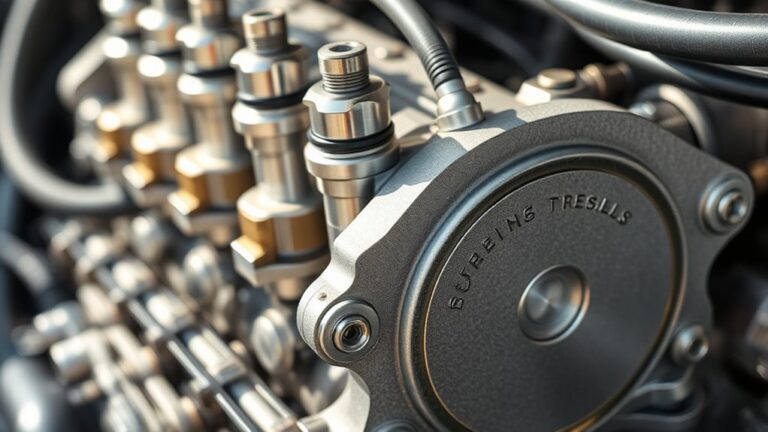
One possibility is that the engine’s temperature causes components to expand and then contract as they cool down, which can create grinding sounds.
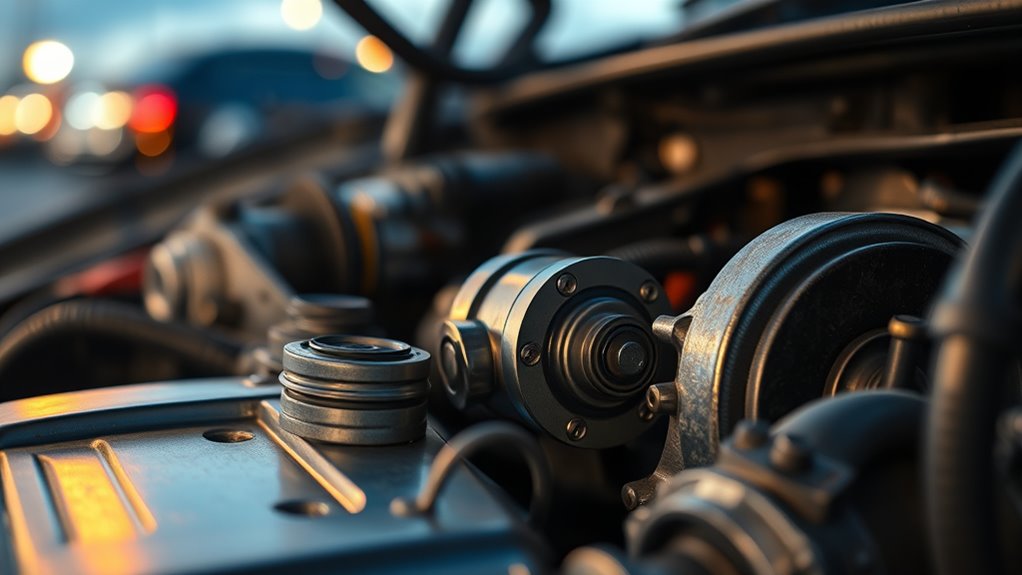
Another common cause is the alternator. When you shut off your engine, the alternator’s internal parts might still be spinning or making contact, causing grinding noises.
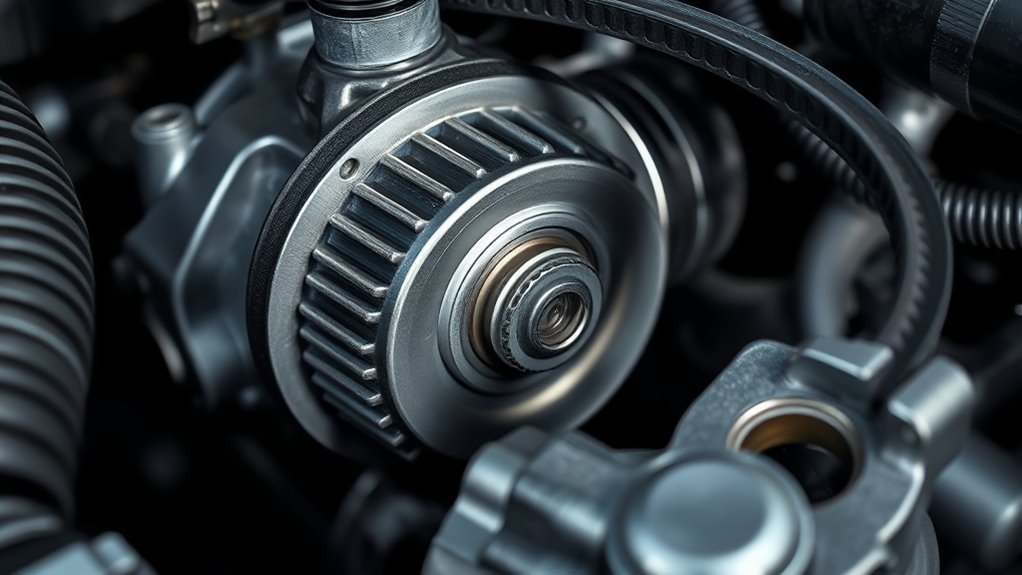
Worn-out belts or loose pulleys can also make this noise worse during shutdown.
If your cooling system isn’t working properly, residual heat can make metal parts expand unevenly, leading to grinding sounds.
These noises aren’t always serious but often mean some component is stressed or misaligned.
Pay attention to when and how often you hear the noise—that can help you figure out the cause.
This can help you make better maintenance decisions before bigger problems develop.
Can Power Steering Problems Make Your Car Squeal When It’s Off?
Power steering problems can sometimes cause your car to squeal even after you’ve turned it off. This happens because issues with the power steering system can create persistent squealing sounds that linger.
Power steering issues can cause your car to squeal even after turning it off.
Here’s what might be causing it:
- Low Power Steering Fluid: If the fluid is low, the power steering pump has to work harder, which can produce squealing sounds. These sounds might continue even after shutting off the engine.
- Worn Power Steering Belt: A loose or damaged belt can slip, making noise both before and after you turn off the car. Damaged belts tend to cause more noise as they wear out.
- Faulty Power Steering Pump: When the pump starts to fail, it can create grinding or squealing sounds that might persist once the engine is off.
- Air in the System: Air trapped in the fluid can mess with pressure, leading to squeals that don’t go away even after parking the vehicle.
These issues show how power steering problems can lead to unwanted squealing sounds, even when your engine isn’t running.
Are Brake Components Responsible for Grinding Sounds After Shutdown?
Even after you turn off your vehicle, brake components can sometimes be responsible for grinding sounds. Worn or damaged brake pads are a common cause of this issue. If the pad material has worn thin, metal-to-metal contact might happen, creating a grinding noise even after shutdown. Regular brake pad inspections help catch wear early and prevent further damage.
It’s also important to check the rotors. Warped or scored rotors can cause uneven contact with the pads, leading to grinding sounds. Sometimes, debris or rust gets trapped between the pad and rotor, making noise when the car is off. If you notice persistent grinding, it’s best to have a mechanic do a thorough brake inspection.
Addressing worn brake pads or rotor problems quickly can prevent bigger issues down the line. This not only saves you money but also helps ensure your brakes work properly when you need them. Ignoring these sounds can lead to more costly repairs and compromise your safety.
Could Transmission or Clutch Issues Be Behind Your Engine-Off Grinding Noise?
Sometimes, what seems like a brake issue after shutting off your engine actually comes from problems in your transmission or clutch. These issues can cause grinding noises even when you’re not driving.
Here are four common causes:
- Low or contaminated engine oil: Poor lubrication affects clutch parts and transmission gears, leading to grinding sounds.
- Worn clutch plates: Excessive wear can cause metal-on-metal contact, which makes noise after you turn off the engine.
- Transmission fluid deficiency or degradation: Insufficient or dirty fluid makes it harder for gears to engage smoothly, causing vibrations and grinding.
- Exhaust system issues affecting engine cooling: Overheating or damaged exhaust parts can influence how your engine behaves, indirectly leading to transmission noise.
To fix these problems, check your engine oil levels, replace worn clutch parts, get your transmission fluid checked, and make sure your exhaust system is in good shape. Ignoring these signs can lead to more serious damage and costly repairs.
Frequently Asked Questions
How Can I Prevent My Car From Making Grinding Noises When Turning Off?
To prevent grinding noises when turning off your car, regularly check and maintain your brake system to reduce wear. Make sure your brake pads aren’t too worn, as that can cause vibrations and grinding sounds.
Pay attention to engine vibrations too, since they might point to deeper issues. Keeping these components in good condition helps reduce noise and makes your stops smoother.
Scheduling regular service can catch problems early before they turn into noise you don’t want. That way, you’ll enjoy a quieter, more comfortable ride.
Is a Grinding Noise When Turning off Dangerous for My Vehicle?
A grinding noise when turning off your car can be concerning, but it’s not always dangerous. It might indicate brake pad wear or issues with the clutch, not engine overheating.
However, if you notice other symptoms like overheating or increased brake wear, you should have it checked promptly. Continuing to drive with these problems could lead to more serious damage or safety issues, so don’t ignore the noise.
Do Aftermarket Parts Affect the Likelihood of Grinding Noises After Shutting Down?
Yes, aftermarket parts can increase the chances of hearing grinding noises after shutting down. They might not fit perfectly or could interfere with other components, leading to noise.
Poor quality or incompatible parts can also loosen or shift over time, causing friction that makes grinding sounds. When installing aftermarket parts, it’s best to choose high-quality options designed for your vehicle.
It’s a good idea to have a mechanic check your setup to help reduce the chances of noise problems and ensure everything fits and functions properly.
How Often Should I Have My Power Steering System Checked to Prevent Noise Issues?
You should have your power steering system checked at least once every 12,000 miles or once a year, whichever comes first. Regular maintenance makes sure the power steering fluid stays fresh and effective, helping to prevent noise issues when turning.
If you notice strange sounds, that’s a sign to get the system inspected sooner. Being proactive about maintenance keeps your steering smooth and can help you avoid costly repairs later on.
Can Environmental Factors Cause Grinding Sounds When Parking or Turning Off?
Yes, environmental factors like urban pollution and climate effects can cause grinding sounds when parking or turning off your vehicle. Pollutants and debris from city air can settle into your engine and brake systems, increasing friction.
Climate effects, such as temperature changes and moisture, can make metal parts expand, contract, or rust. These changes can lead to grinding noises when you park or shut off your car.
Regular maintenance is key to addressing these environmental impacts and preventing noise issues. Keeping your vehicle clean and serviced helps reduce the chances of experiencing these sounds.
Conclusion
Think of your car as a finely-tuned orchestra, with each part playing its role perfectly. When you hear a grinding noise when turning off, it’s like a dissonant note disrupting the harmony.
Ignoring this sound can lead to damage and costly repairs. Whether it’s your power steering, brakes, or transmission, early detection is key to keeping everything running smoothly.
Stay attentive to these signals, address issues promptly, and your vehicle will continue to sing a beautiful, silent melody. A grinding noise when turning off your engine is a clear sign to catch—don’t let it go unnoticed.