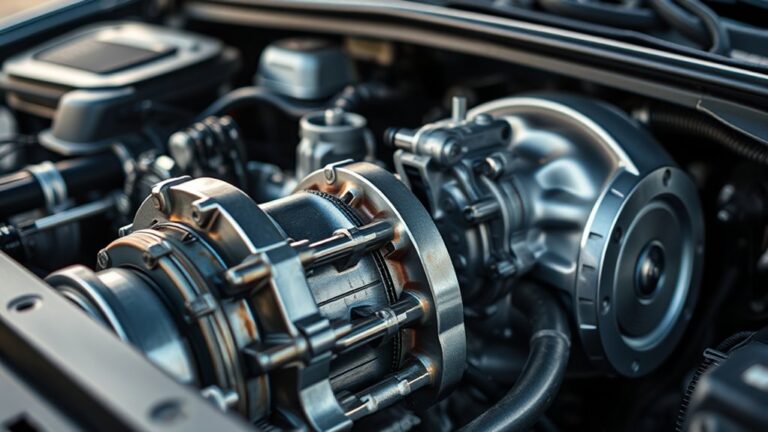
Why Isn’t My Automatic Car Shifting Gears Properly? Common Causes and Solutions Explained
Having trouble with your automatic car not shifting gears smoothly? You’re not alone—many drivers face this frustrating issue. It can feel like your car is fighting you, especially when you just want a seamless drive.
If your automatic car isn’t shifting properly, it could be due to low or dirty transmission fluid, worn parts, or faulty sensors and solenoids. These issues disrupt hydraulic pressure, cause slipping, or delayed shifts.
External factors like aggressive driving, rough roads, or extreme weather can also strain the transmission.
Regular maintenance helps prevent problems, but unresolved issues might require professional help. Keep exploring for expert tips to restore smooth shifting and prevent future damage.
Key Takeaways
- Low or contaminated transmission fluid can cause delays, slipping, or rough shifts in your automatic transmission.
- Worn or damaged sensors and solenoids can disrupt proper gear selection and shifting performance.
- Internal component wear or damage from neglect or contamination can lead to shifting problems.
- Aggressive driving habits, abrupt shifts, or harsh conditions put extra stress on your transmission and can cause shifting issues.
- Regular maintenance, checking fluid levels, and addressing warning signs early can help prevent costly transmission failures.
What Causes Automatic Transmission Shifting Problems?
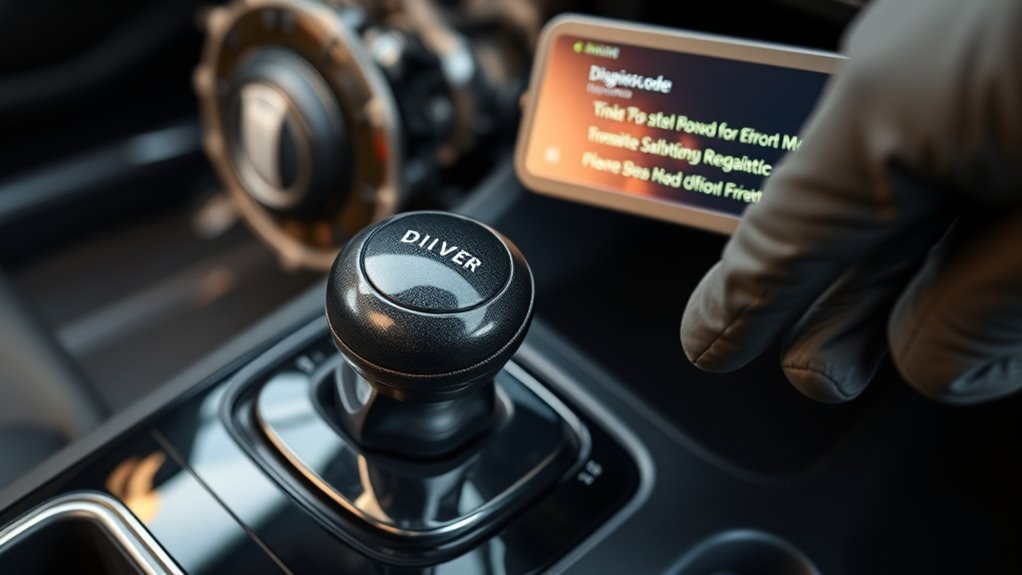
Automatic transmission shifting problems can stem from a variety of causes, and understanding these is key to diagnosing the issue. One common cause is low or degraded transmission fluid. Replacing the fluid can restore proper lubrication and pressure, which helps improve shift quality.
Old or contaminated fluid makes it harder for the transmission to engage gears smoothly. This often results in harsh or delayed shifts. Another cause is clutch engagement issues. Automatic transmissions rely on precise clutch control within their planetary gearsets, and if the clutch plates fail to engage fully or slip, shifting becomes inconsistent or sluggish.
Worn or damaged sensors and solenoids can interfere with proper gear selection too. Sometimes, contaminated or insufficient transmission fluid causes internal components to malfunction. That’s why regular fluid replacement is so important. Addressing these issues promptly helps maintain good clutch engagement and prevents further damage, ensuring your transmission shifts smoothly and reliably.
Signs Your Transmission Isn’t Shifting Smoothly
If your car starts jerking or lurching when it’s shifting gears, that’s usually a sign something’s not quite right. You might also feel the gears slipping or notice that your car responds pretty sluggishly when you step on the gas—that’s another clue that your transmission isn’t working as smoothly as it should be.
Paying attention to these signs early on can make a big difference. Catching the problem sooner rather than later can help you fix it before things get more complicated or costly.
Jerking During Shifts
You might notice engine vibration or a sudden jolt as the gears engage, making the ride uncomfortable.
This often points to issues with clutch engagement, even in automatic transmissions where internal parts may not engage properly.
When the transmission struggles to change gears smoothly, your vehicle can jerk or lurch unexpectedly.
These vibrations and abrupt movements suggest your transmission fluid might be low or degraded, or there could be worn-out solenoids or sensors affecting shift quality.
Addressing these problems quickly helps prevent further damage.
If you experience jerking during shifts, it’s important to have your transmission checked out.
Getting it inspected early can help identify and fix the underlying cause before things get worse.
Slipping Gears Often
Have you noticed your car slipping out of gear or struggling to stay in the right one?
This is often a sign of gear slipping, where your transmission shifts or revs unexpectedly without any input from you.
You might feel your car hesitating or jerking during acceleration, which indicates transmission hesitation.
These issues can be caused by low transmission fluid, worn clutch plates, or damaged sensors.
Gear slipping not only affects your driving comfort but can also signal more serious transmission problems.
If you frequently experience slipping gears, it’s important to get it checked quickly.
Ignoring these signs can lead to further damage and costly repairs later on.
Timely diagnosis and maintenance help keep your automatic transmission running smoothly.
Delayed Transmission Response
When the fluid isn’t at the correct level or is contaminated, it can cause gear slippage or hesitation. You might feel a delay before the transmission engages, or the engine revs without an immediate gear change.
This sluggish response can lead to further damage if ignored. Regularly checking and replacing the transmission fluid helps maintain smooth shifting.
If gear slippage persists despite fluid maintenance, it could indicate deeper issues within the transmission system that require professional diagnosis.
Does Low Transmission Fluid Lead to Shifting Issues?
Low transmission fluid levels can directly cause shifting problems in your automatic car. When the fluid is low, it can’t properly lubricate or generate the hydraulic pressure needed for smooth gear changes.
Low transmission fluid causes shifting issues and can damage your automatic transmission over time.
This often results in rough shifts, slipping gears, or your transmission not shifting at all. Regularly checking your transmission fluid and following your vehicle’s maintenance schedule is really important to avoid these issues.
If the fluid looks dark, burnt, or is low, it’s a sign you need a top-up or a fluid change. Keep in mind, low transmission fluid isn’t always obvious, so periodic inspections are a good idea.
Neglecting fluid levels over time can lead to serious transmission damage, which can be costly to repair. Making sure your transmission fluid is at the right level and in good condition helps your car shift smoothly and keeps everything working properly.
Doing regular maintenance now can save you from bigger problems and expenses later on.
Can Worn or Damaged Parts Cause Shifting Problems?
Worn or damaged parts within your automatic transmission can often cause shifting problems. When components like a worn clutch or damaged solenoids fail, your transmission has a hard time shifting smoothly. A worn clutch may not engage or disengage properly, leading to slipping or erratic shifts.
Damaged solenoids can also cause issues, such as delayed or harsh shifting. These parts control fluid flow, so if they fail, shifting becomes inaccurate. Recognizing these problems early can help prevent further damage.
| Part | Symptoms | Cause | Solution | Impact |
|---|---|---|---|---|
| Worn clutch | Slipping, delayed shifts | Friction material worn | Replacement or rebuilding | Restores smooth gear changes |
| Damaged solenoid | Hard shifts, no shifts at all | Electrical failure | Repair or replacement | Ensures proper fluid control and shifting |
| Links in Transmission | Difficulty in shifting | Mechanical wear | Inspection and repair | Prevents further transmission damage |
Addressing these worn or damaged parts helps keep your transmission shifting properly and extends its lifespan.
How Do Transmission Sensors Affect Shifting Performance?
Transmission sensors are key for smooth shifting because they constantly watch factors like speed, throttle position, and fluid temperature.
Transmission sensors monitor crucial factors to ensure seamless and efficient gear shifting.
They send real-time data to your vehicle’s computer, helping it decide the best time to shift gears.
If these sensors malfunction or give false readings, your shifting can suffer.
You might notice rough, delayed, or slipping shifts. Faulty sensors can cause the transmission to act inappropriately for your driving conditions, which can lead to more wear or damage over time.
Regularly checking and replacing faulty sensors can prevent shifting problems and keep your transmission running smoothly.
Since they directly affect how your automatic transmission responds, keeping these sensors in good shape is essential for shifting correctly and efficiently.
Do Driving Habits and Environment Impact Transmission Shifting?
Your driving habits really matter when it comes to your transmission. For example, if you tend to accelerate quickly or brake suddenly all the time, it can put unnecessary stress on your transmission and make shifting less smooth.
And then, of course, the road conditions you drive on also have an effect. If you’re often tackling steep hills or rough terrains, your transmission has to work a lot harder, which can impact how well it shifts gears.
Plus, weather plays a part too. Extremely hot or cold temperatures can influence your transmission fluids and how well everything runs overall. So, staying mindful of how you drive and the environment can help keep your transmission in better shape.
Driving Style and Shifting
The way you drive and the environment you navigate can significantly affect how smoothly your automatic transmission shifts.
Your driving style directly impacts the shifting mechanics — aggressive acceleration or sudden braking can put extra stress on the transmission, causing rough or delayed shifts.
Smooth, gradual acceleration helps the transmission operate optimally, leading to seamless shifts.
Frequent quick shifting or riding the brakes can also cause unnecessary wear on internal parts, which can reduce the lifespan of your transmission.
Your habits behind the wheel influence the transmission’s health over time.
Environmental factors like stop-and-go traffic, hilly terrain, or driving in the city demand different shifting patterns.
By adopting a gentle, smooth-driving approach, you lessen the strain on the transmission.
This not only improves performance but also helps your transmission last longer and work better over time.
Road Conditions Influence
Have you ever noticed that driving on different roads can affect how smoothly your car shifts gears? Poor road maintenance like potholes or uneven surfaces can jar your vehicle’s transmission, causing rough shifts or early wear.
Weather conditions also play a role. Wet, icy, or snowy roads can lead to sudden changes in traction, putting extra stress on your transmission components.
Frequent acceleration on poorly maintained or hazardous roads makes your transmission work harder, increasing the risk of shifting issues. Being aware of your environment helps you adapt your driving habits and reduce strain.
Regularly inspecting your vehicle and avoiding heavily damaged roads when possible can prevent unnecessary wear. This will help keep your car shifting smoothly for longer.
Climate and Transmission
Extreme weather conditions like heat, cold, rain, or snow can really impact how your transmission shifts. These climate effects, especially temperature swings, make parts expand or contract, which can make shifting less smooth.
Cold weather thickens the transmission fluid, slowing its flow and delaying gear changes. On the other hand, excessive heat can cause the transmission to overheat and damage internal parts. Rain and snow expose your vehicle to more moisture, which might cause corrosion or mess with sensors that control shifting.
To keep your transmission running smoothly, it helps to adapt your driving habits. Warming up your vehicle in cold weather or avoiding harsh acceleration during extreme heat can go a long way. These steps can help maintain ideal performance and extend your transmission’s lifespan.
How to Diagnose Automatic Transmission Shifting Issues
Diagnosing automatic transmission shifting issues starts by paying close attention to how your car responds during shifts. Notice if the transmission fluid looks dark or murky, which can mean you need a fluid change or that there’s internal wear.
Pay attention to your car’s shift response and fluid condition to diagnose transmission issues early.
Next, check how smooth or jerky the shifts feel. Hard or delayed shifts often point to issues with the fluid or internal transmission components. Listen for strange noises or vibrations during gear changes, as these can hint at underlying problems.
See if your transmission slips or stalls when shifting. That might mean slipping clutches or low fluid levels. Using an onboard diagnostic scanner can also help by showing error codes related to transmission control.
All these cues help you figure out what’s going wrong. Spotting problems early can save you time and money before they get worse. Proper diagnosis is the key to understanding why your transmission isn’t shifting right.
How to Fix Common Automatic Transmission Shifting Problems
Got some shifting issues with your automatic transmission? No worries, a good first step is to check the transmission fluid level and add some if it’s low. Sometimes, a simple top-up can make all the difference. Also, take a quick look around for any leaks — fluid leaks can cause those shifting problems you’re experiencing.
Another thing to keep in mind is your vehicle’s software. Making sure it’s up to date can actually help smooth out shifting and fix other related issues. Tackle these areas—you might find your transmission shifting smoothly again before you know it!
Check Transmission Fluid Level
If your automatic transmission is shifting harshly or slipping, one of the first things to check is the transmission fluid level. Low fluid can cause poor shifting because it affects the lubrication and hydraulic pressure needed for smooth gear changes.
Start by locating the transmission fluid dipstick, usually marked and accessible in the engine bay. Remove it, wipe it clean, reinsert it, then pull it out again to check the fluid level.
The fluid should be between the marked low and high lines. If it’s below that level, top it up with the recommended type of transmission fluid for your vehicle.
Maintaining the proper fluid level helps ensure your transmission shifts smoothly and runs efficiently.
Inspect for Transmission Leaks
Transmission leaks are a common cause of shifting problems because even small fluid losses can cause harsh shifting or slipping.
Regularly check around your transmission pan, seals, and cooler lines for any signs of leaks. Look for puddles or wet spots underneath your vehicle, which indicate fluid loss.
If you spot a leak, it’s important to repair it quickly to restore proper transmission fluid levels. Low fluid affects hydraulic pressure needed for smooth gear changes, leading to shifting issues.
To fix leaks, you might need to replace worn seals, gaskets, or damaged lines. Catching leaks early prevents further damage and keeps your automatic transmission shifting smoothly, ensuring your vehicle runs reliably.
Verify Proper Transmission Software
Sometimes, shifting problems come from outdated or corrupted transmission software instead of mechanical issues.
To check if your software might be the culprit, you should use diagnostic tools that connect to your vehicle’s onboard computer. These tools can spot software errors or outdated versions that could interfere with smooth shifting.
If the scan finds software issues, your mechanic can update or reflash the transmission control module (TCM) with the latest software. Updating the software can fix delays, harsh shifts, or slipping.
Keep in mind, software problems are less common but can cause major transmission behavior issues. Regularly running diagnostics and checking for updates helps keep your transmission software in good shape and prevents common shifting problems.
When Should You Seek Professional Help for Transmission Issues?
Recognizing when to seek professional help for transmission issues is essential to prevent further damage and costly repairs. If your automatic car is having persistent problems with gear synchronization or uneven shifting, it’s time to see an expert.
Seek professional help early for persistent transmission issues to avoid costly damage and repairs.
Low or dirty transmission fluid can cause slipping or delayed shifts, which are signs that something needs professional attention. If you notice your gears aren’t engaging smoothly or the transmission makes strange noises, a technician can diagnose the root cause.
Ignoring these symptoms can lead to more serious damage like an overheated transmission or failure of internal components. Regularly checking transmission fluid levels and quality is important, but if issues stick around despite basic maintenance, it’s time to get a professional diagnosis.
Don’t wait when your vehicle’s shifting behavior shows signs of trouble. Early intervention can save you money and prevent permanent damage.
Tips to Keep Your Transmission Shifting Smoothly
Maintaining smooth shifting in your automatic transmission largely depends on proper care and proactive habits. Regular transmission maintenance is key to ensuring gear engagement stays seamless. To keep everything running smoothly, consider these tips:
- Check and replace transmission fluid regularly. Clean fluid helps with efficient gear engagement and prevents slipping.
- Use your gears correctly by shifting smoothly and avoiding abrupt changes, which reduces stress on internal components.
- Schedule routine inspections with a professional mechanic to catch early signs of wear or fluid leaks.
- Allow your vehicle to warm up before driving aggressively, especially in cold weather. This helps the transmission fluid circulate properly.
Following these practices keeps your transmission in top shape, prevents rough shifts, and helps it last longer. Proper maintenance ultimately ensures your gear engagement stays smooth and reliable every time you hit the road.
Frequently Asked Questions
Can a Faulty Car Battery Affect Automatic Transmission Shifting?
A faulty car battery can definitely impact your automatic transmission’s shifting. When the battery isn’t in good shape, it can cause electrical problems that lead to gear issues or unpredictable shifting.
Since the transmission control module relies on proper signals, a weak or dead battery might prevent it from working correctly. This can result in trouble changing gears or rough shifts.
Keeping your battery healthy helps ensure smooth shifting and dependable performance. If you’re experiencing shifting problems, consider checking your battery as a potential cause.
Does Recent Repair Work Influence Transmission Performance?
Recent repair work can really change how your transmission performs, almost like turning your car into a different machine! If the transmission fluid wasn’t topped up correctly or the shift solenoid wasn’t properly installed, your gears might stick or shift randomly.
These parts are essential, and a flawed repair could disrupt their function. Always double-check that maintenance was done properly, especially regarding transmission fluid levels and the shift solenoid, to keep your car shifting smoothly.
Are Aftermarket Transmission Parts Reliable?
You might find aftermarket transmission parts dependable, but it depends on the quality and brand.
Some performance upgrades can improve your transmission’s performance, but not all parts are equal.
When considering transmission rebuilds or upgrades, choose reputable manufacturers and get them professionally installed.
Good-quality aftermarket parts can be reliable if you do your research.
Always weigh the risks and benefits to make sure your car shifts properly and performs at its best.
How Often Should I Have My Transmission Inspected?
You should have your transmission inspected at least once a year. Think of your transmission’s fluid like its lifeblood—if it gets neglected, it can turn into sludge.
That sludge can jam up clutch engagement and cause erratic shifts, making driving frustrating. Regular inspections can catch problems early, saving you from costly repairs and keeping things running smoothly.
If you notice sluggish shifting or slipping, don’t wait—schedule an inspection right away. Keeping up with maintenance helps your transmission stay healthy and prevents major breakdowns.
Can Software Updates Improve Transmission Shifting?
Yes, software updates can improve transmission shifting. Firmware updates often fix software glitches that cause shifting problems.
When you get your vehicle’s software updated, it can boost the transmission’s performance, fix bugs, and improve shift timing.
Don’t ignore these updates; they’re crucial for smooth gear changes. Regularly checking with your dealer for the latest firmware updates can help keep your automatic transmission shifting properly, ensuring safety and reliability on the road.
Conclusion
Troublesome shifting can feel like driving through a storm without a compass—unsettling and unpredictable. With a little inspection and timely care, you can get your transmission back on track.
Stay attentive to signs of trouble, keep up with maintenance, and don’t hesitate to seek professional help when needed. A well-functioning transmission is like a steady heartbeat for your car—essential, reliable, and key to a smooth ride.