Car Dies While Driving But Restarts: 6 Common Causes & Possible Fixes
Dealing with a car that dies while driving but then restarts can be incredibly frustrating and stressful. Many drivers have been there, feeling unsure about what’s going wrong and how to fix it. You’re not alone in this — these issues happen more often than you might think, and they can stem from a variety of causes.
If your car dies while driving but restarts, it could be caused by issues like a faulty ignition switch, a clogged fuel filter, or failing sensors sending incorrect signals. Electrical problems such as a weak battery or corroded terminals can also disrupt power. Fuel system failures or ignition faults are common culprits.
To fix these, regular maintenance and quick inspections help prevent surprises. Keep going to uncover more tips to keep your car running smoothly.
Key Takeaways
- Faulty or failing ignition switches can cause your engine to stall while you’re driving. Sometimes, it might restart if the connection is temporarily reestablished.
- Exhaust blockages or damaged sensors like the crankshaft position sensor can mess with engine operation, leading to stalling and restart problems.
- Electrical issues, such as a weak battery, faulty alternator, or damaged wiring, may result in power loss and engine shutdowns on the road.
- Fuel delivery problems, including clogged filters or failing fuel pumps, can cause hesitation and sudden engine stalls.
- Regular maintenance and professional diagnosis are key to finding and fixing underlying mechanical, electrical, or sensor-related issues.
Why Does My Car Stall and Restart?
When your car stalls and then suddenly restarts, it can be really frustrating. Usually, this problem comes from a faulty ignition switch that sometimes fails and interrupts power to your engine. If the switch isn’t engaging properly, your engine might stall unexpectedly, but it can restart once the connection is briefly restored.
Another common cause is an exhaust blockage. This can restrict airflow and make your engine overheat or stall. When exhaust gases can’t escape freely, the engine struggles to maintain proper combustion, leading to sudden stops. Once the blockage clears or lessens temporarily, your engine can start running again.
These problems often happen suddenly, but they’re usually manageable once you know what’s causing them. Regular maintenance of your ignition switch and checking your exhaust system can prevent these stalls. If your car stalls frequently and then restarts, it’s best to have a mechanic look at these parts promptly for safe driving.
Common Causes of Car Stalling While Driving
Car stalling while driving can happen for a few reasons that disrupt how your engine runs. Sometimes, sensors inside your car, like those for interior functions or tire pressure, can break or send the wrong signals, causing the engine to hesitate or even shut down.
Low tire pressure can also impact your car’s stability and safety, which might cause the system to shut off the engine for protection. Other common issues include problems with parts of the fuel system, such as a clogged fuel filter or a failing fuel pump, which cut off the fuel supply.
A dirty air filter is another culprit, as it blocks airflow and can make the engine stall when under load. Malfunctioning sensors like the mass airflow sensor or crankshaft position sensor can also send incorrect data to the engine control unit, leading to stalling.
Addressing these problems quickly can help avoid unexpected stalls and keep your vehicle running smoothly. Regularly check your tire pressure and make sure your interior sensors are working properly to prevent these common issues.
Electrical System Failures That Cause Engine Dying
Electrical system issues can really cause your engine to die unexpectedly. Things like a failing battery, a malfunctioning alternator, or faulty wiring can quickly lead to power problems. When these parts aren’t providing enough juice, your engine might stall out, but then sometimes it’ll start back up once the system resets itself.
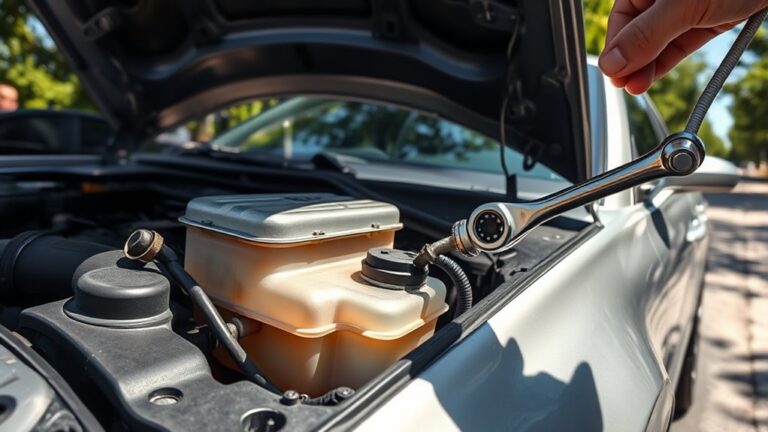
To figure out if this is the issue, it’s a good idea to check the battery, alternator, fuses, and wiring for any signs of damage or corrosion. If you spot corrosion on the terminals or damaged wires, that could very well be the culprit behind the stalling problem.
Battery Power Issues
Ever wonder why your vehicle dies while you’re driving but then surprisingly restarts afterward? It’s often linked to battery power issues that can mess up your engine’s electrical system.
Corrosion on your battery terminals can cause poor connections, leading to power drops that make your engine stall unexpectedly. Also, if your battery isn’t charging properly, the car might run for a while then die when power dips too low.
To troubleshoot, consider these steps:
- Check for corrosion and clean the terminals if needed.
- Use jumper cables to test if a weak battery is the culprit.
- Confirm the battery’s age and replace it if it’s beyond its lifespan.
Addressing these factors can help restore consistent power and prevent your engine from cutting out unexpectedly.
Alternator Malfunctions
Have you noticed your engine dying while you’re driving, even though your battery seems fine? This could be a sign of alternator malfunction. The alternator charges your battery and powers your electrical systems while the engine runs.
If it fails, your battery depletes, causing your engine to stall unexpectedly. A dashboard warning light, often a battery icon or “ALT,” might turn on to alert you.
When this happens, it’s essential to get an alternator replacement promptly. Ignoring this issue risks complete electrical failure, which could leave you stranded.
Diagnosing a faulty alternator involves testing its output voltage. If confirmed, replacing it restores your vehicle’s electrical system and prevents engine stalls.
Addressing alternator problems quickly keeps your drive smooth and safe.
Fuses and Wiring
Could a simple blown fuse or damaged wiring be causing your engine to stall unexpectedly? Faulty fuses or wiring problems often lead to sudden engine shutdowns. To diagnose, start by inspecting your fuse box for any blown fuses that control essential circuits.
Next, visually check wiring harnesses for frays, cuts, or corrosion. It’s also a good idea to test electrical connections and grounds to ensure there’s proper continuity and contact.
Addressing these issues quickly can prevent engine stalls and keep your vehicle running reliably.
Fuel System Problems Leading to Sudden Engine Shutdown
Sometimes, fuel system problems can cause your engine to unexpectedly shut down while you’re on the road. For example, if your fuel filter gets clogged, it can limit the amount of fuel reaching the engine, making it run erratically or stall. Similarly, if the fuel pump is failing, it might not be able to pump enough fuel to keep the engine running smoothly.
Both of these issues can leave you stranded out of nowhere, which can be really frustrating. It’s a good idea to keep an eye on your fuel system and get it checked if you notice any signs of trouble, so you can avoid being caught off guard.
Fuel Filter Clogging
A clogged fuel filter can cause your engine to stall suddenly, leaving you stranded unexpectedly. When debris or sediment clog the filter, it restricts the fuel flow to the engine, disrupting combustion.
This clogging reduces fuel pressure, making it hard for the engine to run smoothly. As a result, your vehicle may shut off unexpectedly while driving.
To better understand this issue:
- Clogging impairs fuel delivery, leading to inconsistent engine performance.
- Reduced fuel flow causes hesitation or stalling, especially during heavy acceleration.
- Regular inspection and replacement of the fuel filter help prevent clogging and keep fuel flow steady.
Addressing fuel filter clogging quickly can help stabilize engine performance and stop unexpected shutdowns.
Fuel Pump Failure
When your vehicle’s fuel pump fails, it can cause the engine to suddenly shut off while you’re driving, leaving you stranded. The fuel pump’s job is to deliver fuel from the tank to the engine at the right pressure.
If it stops working, pressure regulation drops, and fuel flow becomes inadequate. Without proper pressure, your engine doesn’t get the fuel it needs to keep running, which can cause it to stall unexpectedly.
You might notice the engine sputtering before shutting down or a complete shutdown out of nowhere. A failing fuel pump also often makes whining noises or makes it hard to start the vehicle.
Replacing or repairing the fuel pump restores proper pressure and prevents these unexpected breakdowns. Regular maintenance checks can catch issues early, saving you money and keeping your engine running smoothly.
How to Restart Your Car After It Dies on the Road
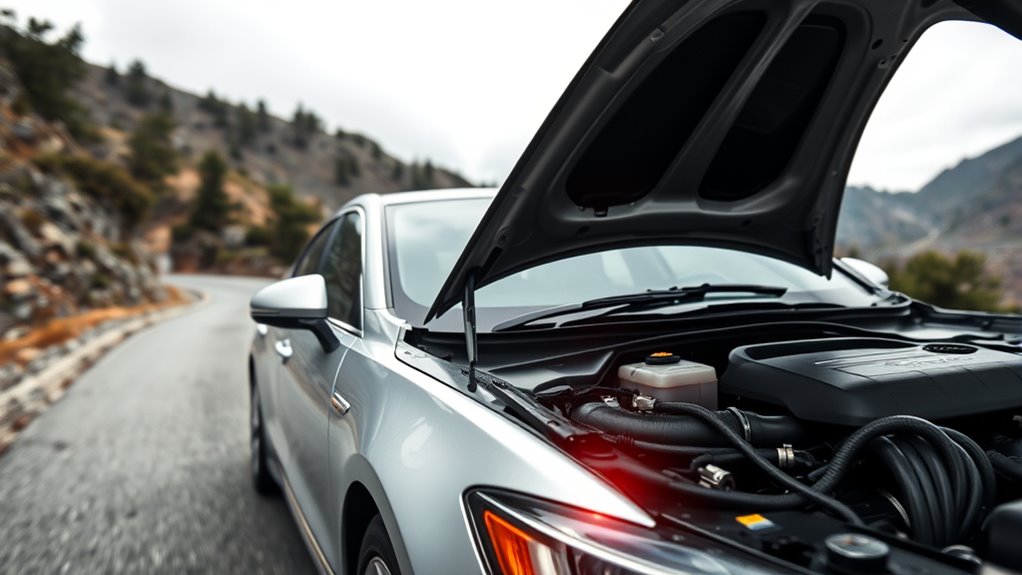
If your car suddenly stalls and won’t start again right away, don’t panic. Staying calm is important for your safety and helps you assess the situation quickly.
To restart your vehicle, try these steps:
First, check for obvious problems. Make sure the gear is in park or neutral, and press the brake. Look for warning lights or any strange smells that could indicate issues.
Next, attempt a restart. Turn the ignition key or press the start button and listen for the engine. If it starts and runs smoothly, it might have just been a temporary issue.
Finally, test your brakes and steering. Make sure they respond properly before driving further.
When Should You See a Mechanic About Persistent Stalls
Persistent stalls despite multiple attempts to restart your car shouldn’t be ignored. If your vehicle keeps stalling and won’t stay running, it’s a good idea to see a mechanic.
Start by checking simple issues like tire pressure—underinflated tires can impact performance. Also, look for uneven tire wear, which might signal suspension or alignment problems causing stalls.
Make sure your windshield wipers aren’t interfering with visibility either, since poor visibility can be a safety concern while driving.
If these basic checks don’t fix the problem, observe if your car stalls regardless of driving conditions—whether at idle, during acceleration, or cruising.
Frequent stalls usually indicate deeper issues like fuel system problems, ignition troubles, or faulty sensors.
Don’t wait for things to get worse. When stalls become regular, getting a professional diagnosis and repair is key to keeping your car reliable and safe on the road.
Frequently Asked Questions
Can Weather Conditions Cause My Car to Stall Unexpectedly?
Yes, weather conditions can cause your car to stall unexpectedly. Rain can cause electrical components to corrode, leading to misfires or ignition problems.
Temperature changes can also impact engine performance and fuel efficiency.
Cold weather might thicken fluids, making the engine work harder, while hot weather can cause overheating.
Pay attention to these weather conditions and make sure your vehicle gets regular maintenance to avoid stalls caused by the weather.
Does My Car’s Age Influence Stalling Issues?
Yes, your car’s age can impact stalling issues by affecting engine performance and fuel efficiency. As your vehicle gets older, parts like the fuel pump, spark plugs, or sensors can wear out.
These worn parts may cause your engine to run inconsistently, which can lead to unexpected stalls. Regular maintenance, such as tune-ups and inspections, helps keep your engine running smoothly.
This is especially important for older cars to reduce the chances of stalling and ensure everything runs efficiently.
Are There Warning Signs Before a Car Stalls?
Yes, there are warning signs before your car stalls. You might notice inconsistent engine idling, misfires, or flickering dashboard lights. These can signal issues with your ignition or fuel system.
If you feel hesitation or a sudden drop in power, it’s a sign to check those components. Ignition problems and fuel system issues often give subtle clues.
Paying attention to these signs can help prevent your car from stalling unexpectedly while you’re driving.
Can Transmission Problems Lead to Engine Dying?
Sure, transmission problems like transmission failure or clutch issues can make your engine unexpectedly die.
Ironically, you might think your car’s silent stall isn’t related to the transmission, but slipping gears or clutches that won’t engage can cut power suddenly.
This disconnection puts strain on the engine and can cause it to stall while you’re driving.
Is It Safe to Drive if My Car Stalls Intermittently?
It’s risky to keep driving if your car stalls intermittently because it could mean there’s a fuel system problem or other serious issues.
If you experience stalls, follow emergency procedures by safely pulling over and turning on your hazard lights.
Avoid driving further until a mechanic can inspect your fuel system and engine.
Continuing to drive can cause more damage or put you in danger, so always prioritize safety and seek professional help quickly.
Conclusion
If your car keeps dying but then restarts, don’t ignore the signs. Quick checks of your fuel and electrical systems can often prevent a breakdown. Staying on top of these small issues can save you from bigger problems later.
Sometimes, it’s tempting to dismiss minor problems. But trust me, ignoring them can lead to costly repairs down the line. It’s better to be proactive and catch issues early.
Knowing when to call a mechanic is key. If your car dies while driving but then restarts, it could be a sign of a deeper problem. Addressing these early can save you time and money in the long run.
Keep an eye on your car’s behavior. Recognizing the signs that your car dies while driving but then restarts helps you drive with confidence, not worry. Being aware of these issues helps you stay safe on the road.