Why Your Transmission Works Cold, But Not Hot: Causes, Fixes & Maintenance Tips
Dealing with a transmission that shifts smoothly when cold but acts up when hot is a common frustration for many drivers. You’re not alone—this problem can be stressful and unpredictable.
Your transmission may shift smoothly when cold but act up when hot due to worn clutches, degraded fluid, or overheating parts.
As temperatures rise, fluid thins or breaks down, reducing lubrication and causing slipping, rough shifts, or delays.
Regular maintenance, like checking and replacing fluid and avoiding aggressive driving, can help.
Keep an eye on signs of wear and overheating—more tips on how to keep your transmission in top shape are just ahead.
Key Takeaways
- Transmission fluid gets thicker when cold, which can cause delayed or rough shifting. Luckily, this usually gets better as the fluid warms up and flows more easily.
- If the transmission fluid is low or degraded, it won’t lubricate the parts properly or create enough hydraulic pressure. That can make shifting difficult when things heat up.
- Overheating or having not enough fluid can lead to slipping, delayed shifts, or trouble engaging gears once the transmission is hot.
- Mechanical wear on parts like clutches, bands, or solenoids worsens with heat. This can cause shifting problems after the transmission reaches its normal operating temperature.
- Keeping up with proper maintenance, checking the fluid regularly, and using manufacturer-recommended fluids can help prevent shift issues related to temperature changes.
How to Tell When Your Transmission Is Acting Up When Hot
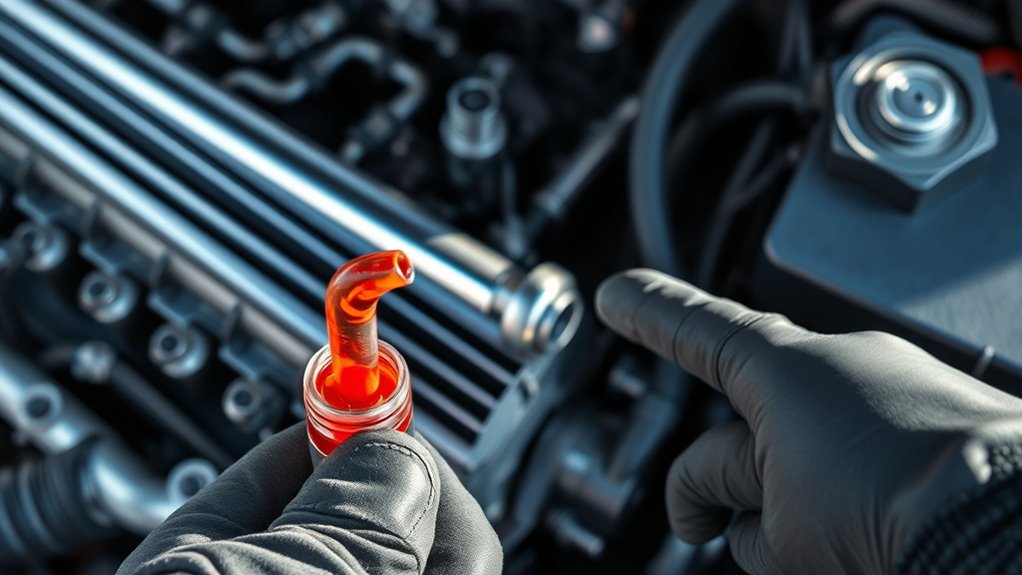
When your transmission starts acting up after driving hard or in hot weather, it’s often because heat is affecting its performance. One key sign is changes in the transmission fluid color. If the fluid looks dark or smells burnt, it points to overheating or degraded fluid. This can cause slipping or gear engagement to be delayed.
Heat can cause transmission issues; check for dark, burnt-smelling fluid to prevent costly damage.
Pay attention to how your gears engage. If you notice hesitation, slipping, or rough shifts, your transmission might be struggling in the heat. Hot temperatures can weaken the fluid, making it less effective at lubricating and cooling the parts.
This reduction in fluid performance can lead to sluggish gear engagement or difficulty shifting smoothly. If you see these signs, it’s a good idea to check the transmission fluid’s condition and color. Consider replacing or servicing it before more serious damage happens.
Addressing these issues early helps keep your transmission healthy, especially during extreme weather. Taking quick action can save you from costly repairs down the line.
Common Causes of Transmission Shifting Problems in Warm Conditions
Hot weather can put extra stress on your transmission, leading to shifting problems that aren’t always obvious at first. When the temperature rises, your transmission faces increased heat, which can cause slipping or hard shifting.
A common issue is low or degraded transmission fluid, as heat speeds up fluid breakdown. If you’re thinking about using transmission fluid alternatives, check that they’re compatible, because the wrong fluid can make problems worse.
Another cause is improper gear ratio adjustments. This can make your transmission shift uncomfortably or late. Addressing these issues quickly helps keep your shifting smooth and extends your transmission’s life.
How Transmission Fluid Temperature and Quality Affect Shifting Smoothness
Your transmission’s ability to shift smoothly really hinges on the temperature and overall quality of the fluid. If the fluid is too cold when you start driving, it can thicken up, making it harder for the transmission to operate smoothly. Similarly, if the fluid is old or degraded, it won’t do a great job of lubricating parts or transferring power properly.
That’s why it’s so important to keep an eye on your transmission fluid’s condition. When the fluid is in good shape and at the right temperature, your transmission can shift gears effortlessly. On the flip side, if the fluid isn’t maintained well, you might notice jerky shifts or even delays — not exactly what you want when you’re on the road. Regular checks and changing the fluid when needed can help ensure your transmission shifts as smoothly and reliably as possible.
Impact of Fluid Temperature
The temperature of your transmission fluid is key to making shifting feel smooth. If the fluid is too cold or too hot, you might notice sluggish shifts or slipping. External temperatures affect how quickly your fluid heats up and how it works with your coolant system, impacting overall performance.
Cold fluid gets thick, making it harder to engage gears smoothly, especially in cold weather. On the other hand, heat can break down the fluid, causing shifting to become erratic. Keeping the fluid within the right temperature range helps prevent these problems.
Temperature swings can change the fluid’s viscosity, making it less effective. The interaction with coolant also plays a role, influencing how well the fluid lubricates and cools the system. Extreme outdoor temperatures can put extra stress on your transmission.
When fluid gets too cold, it hampers an initial shift. Meanwhile, hot fluid accelerates breakdown, risking damage over time. Regularly monitoring your transmission fluid helps ensure it stays within the ideal temperature range for optimal shifting and longevity.
Staying aware of external temperature changes allows you to prevent damage and keep shifting smooth. Proper maintenance keeps your fluid performing well, regardless of weather conditions.
Effects of Fluid Quality
Have you ever noticed how the quality of your transmission fluid directly impacts shifting performance? Fluid composition determines how well your transmission operates; high-quality fluid guarantees smooth gear changes and reduces wear.
Poor-quality or degraded fluid can cause harsh shifts, slipping, and overheating. Contamination prevention is essential—dirty or old fluid contains debris and metal particles that impair function.
When fluid is contaminated, it loses its lubricating properties, leading to increased friction and potential damage. Regularly checking and replacing your transmission fluid helps maintain its proper quality and prevents issues caused by fluid degradation.
Clean, well-maintained fluid promotes consistent shifting, reduces strain on components, and prolongs the lifespan of your transmission. Ultimately, investing in good fluid quality keeps your transmission working smoothly, whether hot or cold.
Maintaining Optimal Conditions
Maintaining ideal transmission fluid temperature is key for smooth shifting, as both hot and cold conditions can really impact how well your transmission works. Overheated transmissions can cause slipping, rough shifts, or delays, making driving stressful. On the other hand, cold fluid thickens, restricting flow and leading to sluggish shifts.
To keep things running smoothly, regularly check your fluid levels and quality, especially if you notice any shifting issues. Make sure the transmission cooling system stays clean and functional to prevent overheating, especially during intense driving. If overheating continues to be a problem, think about installing an aftermarket transmission cooler.
Proper maintenance helps extend your transmission’s lifespan and keeps everything operating smoothly. You should inspect and replace the transmission fluid regularly, and use high-quality, manufacturer-recommended fluid. Also, keep the cooling system in good shape and avoid aggressive driving that can cause overheating.
Lastly, monitor the fluid temperature during long or heavy-duty drives to catch any issues early. Keeping an eye on these simple things makes a big difference in transmission health and performance.
Why Worn Clutches and Bands Cause Hard Shifts as the Transmission Warms Up
When clutches and bands in your transmission start to wear out, they don’t grip as well as they used to. As the transmission warms up during driving, the heat causes increased friction, which makes it even harder for those worn parts to engage smoothly. That’s why you might notice your shifts becoming tougher or more jerky over time.
Basically, once these components are past their prime, the added heat from driving just makes everything more difficult. The harder shifts are often a sign that the wear is affecting your transmission’s ability to operate smoothly. Getting familiar with these signs can help you catch transmission problems early before they get worse.
Clutch Wear Impact
As your transmission warms up, worn clutches and bands can cause shifts to feel much harder. Clutch wear slows down the system’s ability to transfer power smoothly, leading to increased friction and slippage.
When this happens, the transmission has a hard time engaging gears properly, especially as parts expand with heat. Over time, this speeds up wear and can threaten your transmission’s lifespan.
Signs of clutch wear include delays when shifting, slipping, and rough shifts as it heats up. Addressing clutch issues early can help keep your transmission running smoothly. Regular maintenance is key to preventing more damage.
When clutches are worn out, your transmission responds less efficiently and is more likely to shift hard. Ensuring the clutch works properly is essential for your vehicle’s overall performance.
Worn clutches increase internal friction, cause slippage during gear changes, and accelerate component wear. This results in reduced responsiveness and can shorten your transmission’s lifespan.
Band Shifting Issues
When the transmission warms up, worn bands and clutches struggle to engage properly. This often leads to harsh or delayed shifts, making the ride rough.
This affects the gear ratio, causing the transmission to hesitate or jerk during shifts. As these parts wear, they can’t hold the gear sets in place effectively.
Especially when the fluid heats up, it becomes thinner, making it harder for the bands and clutches to do their job. The torque converter may also slip, messing with shift timing.
Hard shifts happen because the worn components can’t shift smoothly between gears. This can cause a rough ride and even potential damage over time.
If you notice delayed shifting as your transmission warms up, worn bands and clutches are probably the cause. They disrupt the gear ratio changes needed for smooth operation.
Temperature-Related Friction
- Heat expansion weakens friction surfaces.
- Worn clutches can stick when hot.
- Friction control diminishes with use.
- Heat buildup causes uneven part wear.
- Proper cooling prevents hard shifts.
Diagnosing Mechanical and Hydraulic Transmission Problems by Temperature
Monitoring transmission temperature is essential for diagnosing potential issues because mechanical and hydraulic systems respond differently under varying heat conditions. When your transmission runs cold, dashboard indicators might not show any alert, but diagnostics can reveal sluggish shifts or increased friction.
If it overheats, you might notice delayed responses or slipping gears. Mechanical problems often show up as unusual noises or rough shifting at high temperatures, which could mean worn components or not enough lubrication.
Hydraulic issues, on the other hand, may cause inconsistent shifting patterns or difficulty engaging gears when heat rises. Using diagnostics and dashboard indicators helps you catch these problems early by watching for temperature changes and related symptoms.
Keeping an eye on temperature levels allows you to figure out if issues are heat-related and whether mechanical or hydraulic adjustments are needed. This helps in accurate troubleshooting and prevents further damage.
Quick Fixes to Improve Transmission Shifting When It Starts to Slug
If your transmission starts to feel sluggish or hesitates during shifts, quick fixes can often bring smoother operation before more extensive repairs are needed. One common issue is transmission fluid dilution, which reduces lubrication and makes shifting harder.
To fix this, try a quick fluid flush or add a transmission additive that can restore proper fluid levels and viscosity. Making gear ratio adjustments can also improve shift response and overall driveability.
Here are some quick fixes to give a shot:
- Check and top off transmission fluid, making sure it’s clean and at the right level.
- Replace or dilute contaminated transmission fluid to prevent fluid dilution issues.
- Use a fuel additive designed to improve transmission lubrication.
- If your vehicle allows, perform a simple gear ratio adjustment.
- You can also add a transmission additive temporarily to enhance fluid properties.
These steps can help with shifting problems caused by cold weather or fluid issues. If the problem keeps happening, it’s best to see a professional for maintenance.
Easy Maintenance Tips to Prevent Shifting Issues During Temperature Changes
Temperature swings can put extra stress on your transmission, leading to shifting problems if you’re not prepared. To prevent issues during temperature changes, start by regularly checking your transmission fluid level.
Low fluid can cause leaks, which impair lubrication and lead to gear noise. Make sure to top it off with the correct type of fluid as recommended. Keep an eye out for signs of leaks and fix them quickly.
Additionally, schedule periodic transmission fluid flushing to remove contaminants that can worsen shifting issues in hot or cold weather. Using high-quality fluid boosts performance and protects against temperature-related wear.
Finally, avoid aggressive driving and sudden gear shifts, especially during temperature extremes. These simple maintenance tips help your transmission adapt smoothly to changing weather, reducing shifting problems caused by fluid issues or gear noise.
Regular care ensures your transmission lasts longer and performs reliably all year round.
When to See a Mechanic About Transmission Shifting Problems
While minor shifts and occasional delays might be normal, you should see a mechanic if your transmission starts slipping, grinding, or refuses to shift altogether. This is especially important if these issues stick around or get worse over time. Ignoring these signs could mean bigger problems like transmission upgrades or a faulty torque converter.
You should get professional help if you notice your transmission slipping under load or during acceleration. Also, listen for grinding noises when shifting gears or if the transmission gets stuck in a single gear. Unusual smells from the transmission fluid or leaks are warning signs too.
Sudden loss of power or poor acceleration are clues that something’s wrong. Addressing shifting issues early can save you from costly repairs later. A mechanic can figure out if you need a new torque converter or an upgrade and help keep your transmission running smoothly, even when temperatures change.
How Regular Fluid Checks and Changes Keep Your Transmission Running Smoothly
Checking your transmission fluid regularly and changing it when needed is a simple way to keep everything running smoothly. When the fluid is clean and at the right level, you’ll notice your transmission shifting seamlessly and reliably. It’s like giving your car the regular care it needs to stay in good shape.
On the other hand, ignoring these basic maintenance steps can lead to bigger, more expensive problems later on. So, just a little attention now can save you a lot of hassle and money down the road.
Monitoring Fluid Levels
Have you checked your transmission fluid lately? Regular monitoring helps prevent costly repairs and keeps things running smoothly. Keep an eye out for low fluid, dark color, or a burnt smell—these are signs something’s wrong.
Proper fluid filtration is important because it removes contaminants that can affect how your transmission works. Maintaining the right level helps prevent overheating and slipping, especially once the transmission warms up.
Remember that fluid levels can change over time, which can impact recalibration and shifting. Checking your fluid with the engine running and in park gives the most accurate reading.
A healthy transmission relies on clean, properly measured fluid. Make it a habit to check the level regularly, look for proper color and smell, and top off with manufacturer-approved fluid when needed.
Always ensure the fluid is free of debris and contaminants. If needed, schedule professional fluid filtration to keep everything in optimal condition.
Regular Fluid Replacement
Regularly replacing your transmission fluid is key to keeping your vehicle running smoothly and avoiding costly repairs. Consistent maintenance, like fluid changes, helps ensure your shifting remains dependable and steady.
Over time, transmission fluid breaks down, collecting dirt and debris that can hurt performance. Regular fluid analysis can help you know when it’s time to change the fluid, instead of just guessing based on miles driven.
Fresh fluid reduces friction, heats less, and protects internal parts from wear. Always follow your vehicle manufacturer’s recommendations for how often to change the fluid.
If you notice shifting problems or your vehicle overheats, it might be time to check or replace the fluid. Keeping your transmission fluid clean and at the right level is a simple way to extend your transmission’s life and avoid expensive repairs later on.
Simple Lifestyle Habits to Extend Your Transmission’s Life and Keep It Shifting Well
To help your transmission last longer and shift smoothly, adopting simple lifestyle habits can make a big difference. Proper maintenance goes beyond just changing the fluid occasionally; it’s about daily care.
Check your transmission fluid regularly and top it off when needed. Keeping an eye on the levels helps prevent problems before they start.
Avoid aggressive driving habits like rapid acceleration and sudden stops. These actions put unnecessary stress on your transmission.
When parking on inclines, use the parking brake instead of relying only on the transmission to hold the vehicle. It’s easier on the system and safer.
Warm up and cool down your car gently to reduce wear and tear, especially during extreme weather.
Watch for warning signs like slipping gears or delays in shifting. Address any issues early to keep things running smoothly.
Following these simple habits can help prevent overheating, extend your transmission’s life, and ensure smooth shifting mile after mile.
Frequently Asked Questions
Can Transmission Issues Occur Even if I Don’T Notice Fluid Leaks?
Yes, transmission issues can happen even if you don’t notice fluid leaks. You might experience clutch slippage or gear slipping, which indicate internal problems. These issues aren’t always visible through leaks but can cause your vehicle to hesitate or shift improperly.
Regular maintenance and checking transmission fluid levels help prevent these symptoms. If you notice unusual shifting or slipping, it’s best to have a mechanic inspect your transmission to avoid further damage.
How Does Ambient Temperature Influence Transmission Performance?
Ambient temperature affects your transmission’s performance by influencing coolant interaction and thermal expansion. Cooler air chills the transmission fluid, thickening it and slowing down flow, which can lead to slipping or stiff shifting.
On the other hand, higher temperatures thin the fluid, helping it flow more easily but increasing the risk of overheating.
Understanding these temperature effects is key so you can monitor swings, keep fluid levels proper, and ensure your transmission stays in top shape no matter the weather.
Are Synthetic Transmission Fluids Better for Temperature-Related Shifting Problems?
Yes, synthetic transmission fluids are better for temperature-related shifting problems. They provide improved temperature stability, helping your transmission run smoothly across different temperatures.
Synthetic fluids resist breakdown and keep the lubrication at its best even when it’s hot, which reduces overheating issues. They also help prevent cold-gear stalls in cold weather.
What Are the Signs of a Failing Transmission Temperature Sensor?
Imagine your transmission temperature sensor as a thermostat for your car’s transmission. If it malfunctions or has an electrical failure, you’ll notice signs like erratic shifting, a check engine light, or inconsistent temperature readings.
You might also feel the transmission slipping or overheating. These signs indicate the sensor isn’t working properly, so it’s important to get it checked and replaced quickly.
Ignoring these issues can lead to more serious transmission damage down the road. So, stay alert to these symptoms and have a mechanic take a look as soon as possible.
Can Driving Habits Impact Transmission Function in Different Weather Conditions?
Yes, your driving habits can impact transmission function in different weather conditions, especially during cold weather.
If you often accelerate quickly or shift gears abruptly, it puts extra strain on your transmission and might cause shifting problems.
Cold weather makes this worse because the transmission fluid gets thicker, making it harder for your transmission to run smoothly when it’s hot.
Driving gently helps keep your transmission working better overall.
Conclusion
Keeping an eye on your transmission is like tending a delicate garden—you need regular attention and care.
Understanding how temperature affects shifting can help you catch problems early. Staying on top of fluid checks and maintenance is key to preventing small issues from snowballing into major repairs.
When in doubt, don’t hesitate to visit a mechanic. It’s always better to be safe than stranded.
With a bit of effort, you’ll keep your transmission running smoothly, making your car a well-oiled machine that handles every drive with ease. Proper maintenance helps avoid issues caused by temperature changes, keeping your transmission working reliably both hot and cold.