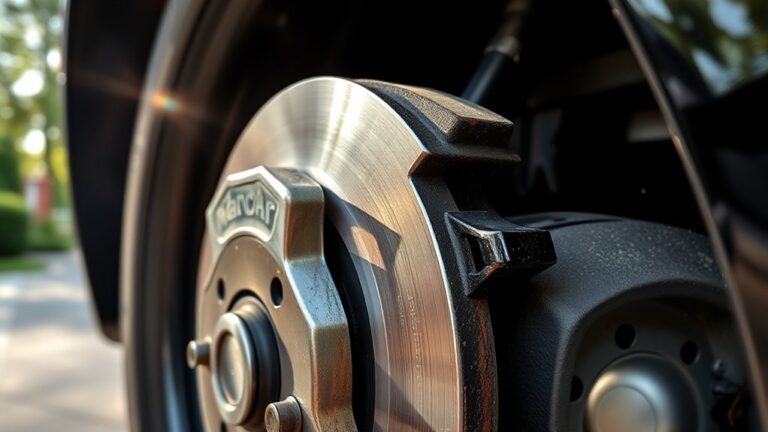
Why Your Steering Wheel Shakes After New Tires: Causes & Prevention Tips
Many drivers have experienced that frustrating moment when their steering wheel starts shaking after getting new tires. If you’re dealing with this issue, you’re not alone. Many people struggle with vibrations that make driving uncomfortable and signal underlying problems.
If your steering wheel shakes after installing new tires, it’s likely caused by installation mistakes, such as improper lug nut tightening or unbalanced tires. Other common causes include misalignment, uneven tire wear, or suspension issues.
To prevent this, guarantee proper tire balancing, correct wheel alignment, and careful installation with a torque wrench. Addressing these issues promptly can restore smooth driving—keep going for detailed tips to help you fix the problem and avoid future vibrations.
Key Takeaways
- Improper tire balancing or uneven weight distribution can cause your steering wheel to shake after installing new tires.
- Incorrectly tightening the lug nuts or not mounting the wheel properly can lead to wobbling and vibrations.
- Forgetting to check if the tire pressure matches the manufacturer’s specs can result in uneven contact and steering issues.
- Worn suspension parts or misalignment might be behind the shaking after you’ve changed your tires.
- Road hazards like potholes or debris can mess with your tire balance, causing your steering wheel to shake.
Why Does My Steering Wheel Shake After Changing Tires?
When you notice your steering wheel shaking after getting new tires, it’s usually a sign that something isn’t quite right with the installation or the tires themselves. One common cause is uneven tire wear, which you can help prevent with regular tire rotation. Failing to rotate your tires can lead to imbalances that cause vibrations.
Before mounting new tires, you should also verify your wheels are clean and free of debris. Dirt, brake dust, or rust can interfere with proper seating and balancing. Wheel cleaning is an important step in maintaining a smooth ride because it allows the technicians to correctly balance the tires.
If the wheels aren’t cleaned thoroughly or the tires aren’t properly balanced during installation, you’ll likely feel shaking in your steering wheel. Regular maintenance, including tire rotation and wheel cleaning, helps prevent issues that lead to vibrations after installing new tires.
Common Installation Mistakes That Cause Vibration
Many of the common causes of steering wheel vibration after installing new tires are linked to installation mistakes. These errors can easily lead to imbalance and shaking.
First, incorrect tire pressure is a major issue. If your tires are under- or over-inflated, it causes uneven contact with the road, which results in vibrations.
Second, mismatched wheel size or improper mounting can throw off the balance, creating instability in your steering.
Third, neglecting to properly tighten lug nuts can cause the wheel to wobble at high speeds.
Fourth, not aligning the wheels correctly after installation can also produce vibrations, especially if the camber or toe angles are off.
Ensuring tire pressure matches manufacturer specs, confirming wheel size is correct, tightening lug nuts properly, and checking wheel alignment all help prevent vibration caused by installation errors.
Paying close attention during installation saves you from future road vibrations and unnecessary wear.
How Tire Imbalance Leads to Shaking and How to Detect It
Tire imbalance is a common cause of steering wheel shaking because it disrupts the smooth contact between your tires and the road. When your tires aren’t properly balanced, uneven weight distribution causes vibrations, especially at higher speeds.
Differences in tire pressure can make this problem worse, making the imbalance more noticeable. Poor road conditions like potholes or rough surfaces can also disturb your tire’s balance over time.
To detect imbalance, watch for signs like the steering wheel wobbling at certain speeds or feeling uneven resistance when driving. You might notice more shuddering after hitting a pothole or rough patch.
If you suspect an imbalance, start by checking your tire pressure—under- or over-inflated tires are easier to spot. A professional wheel balancing service can quickly diagnose and fix the issue, keeping your tires spinning smoothly.
Regular inspections can prevent unnecessary shaking and help your tires last longer, giving you a better ride every time.
Why Proper Wheel Alignment Matters for a Smooth Ride
Proper wheel alignment is really important because it ensures your tires hit the road evenly. When everything’s aligned right, your ride feels much smoother and more comfortable. Plus, it helps prevent uneven tire wear, so you won’t have to replace your tires as often, saving you some cash in the long run.
On top of that, properly aligned wheels make a big difference in how your car handles. It responds better to your steering, giving you more control and making driving safer and more enjoyable. So, keeping those wheels aligned isn’t just about your car’s health — it’s about making every drive a better experience.
Proper Tire Contact Patch
When your wheels aren’t properly aligned, the contact patch—the area where your tires meet the road—becomes uneven, leading to instability and uneven wear. This patch affects how your tire’s tread interacts with the surface and impacts smoothness. If your alignment is off, the tire might only contact the road at a small edge or spot, causing vibrations.
Picture these scenarios:
- The tire tread wears down faster on one side.
- Your wheel wobbles, creating imbalance.
- The contact patch shrinks or shifts, losing grip.
- The tire’s contact isn’t uniform, leading to a rough ride.
Ensuring proper alignment helps keep an even contact patch, which optimizes tire tread contact and preserves your wheel structure. This balance prevents shaking and promotes a safe, smooth driving experience.
Prevents Uneven Tire Wear
Misaligned wheels can cause tires to wear unevenly, which shortens their lifespan and can be dangerous. Keeping your wheels properly aligned helps your tires wear evenly, preventing spots of excessive or uneven tread.
Check your tire pressure regularly because uneven pressure speeds up uneven wear. It’s also important to inspect your rims for rust or corrosion, as these can interfere with proper contact between the tire and rim, leading to irregular tread patterns.
Getting your alignment right, along with maintaining correct tire pressure and keeping rims clean, helps spread the vehicle’s weight evenly across all tires. This reduces the chance of early tire wear and helps your ride stay smooth.
All these steps together extend your tires’ life, save you money on replacements, and keep your vehicle safer on the road. Proper alignment isn’t just about performance — it’s also about avoiding costly repairs later on.
Enhances Overall Handling
Maintaining correct wheel alignment directly affects how smoothly your vehicle handles on the road. When your alignment is right, your tires contact the pavement evenly, giving you better control and stability.
Proper alignment also means you’ll notice an improved response to steering inputs and a more comfortable ride. Keep these key factors in mind:
- Consistent Tire Pressure – Proper pressure prevents uneven wear and helps your vehicle respond predictably.
- Smooth Response to Road Conditions – Good alignment reduces pulling and vibrations on rough surfaces.
- Reduced Drifting – Keeps your car tracking straight, so you spend less time making corrections.
- Enhanced Traction – Maintains ideal contact with the road, which is especially important on wet or uneven surfaces.
All these elements come together to improve handling, making your driving safer and more enjoyable.
Recognizing Brake or Suspension Issues After Tire Replacement
After you change your tires, it’s a good idea to keep an eye out for any brake or suspension issues that might cause your steering wheel to shake. For example, you should check if your brake pads are wearing unevenly—that can definitely lead to vibrations when you brake. It’s also smart to do a quick inspection of your brake system, especially if you notice any wobbling or shaking when you hit the brakes.
Additionally, it’s worth confirming that your suspension is still properly aligned. Misalignment can also cause steering problems or uneven tire wear. Take a look at your suspension components to see if any are worn out or damaged; catching these early can save you a lot of trouble down the road.
Brake System Inspection
Have you noticed your brakes feeling less responsive or your steering pulling after installing new tires? During your brake system inspection, focus on potential issues caused by tire maintenance or recent wheel upgrades.
Check key areas like the brake rotors. Look for uneven wear or warping, which can cause vibrations when you brake.
Next, examine the brake pads to make sure they’re properly aligned and not worn unevenly. Also, inspect the brake calipers for sticking or leaking, which can reduce braking performance.
Finally, verify the brake fluid levels and condition. Poor brake fluid can impair response and affect your stopping power.
Addressing these issues promptly ensures smooth braking and helps prevent steering shake after tire installation. Regular brake system inspections during tire maintenance are essential for safety and vehicle stability.
Suspension Alignment Check
When you’ve had your tires replaced, a misaligned suspension can cause your steering wheel to shake, especially at higher speeds. To prevent this, get a suspension alignment check. Proper alignment makes sure your tires wear evenly and your steering stays steady.
During the check, mechanics look at tire pressure, steering fluid levels, and suspension parts. Even a small misalignment can make your car shake or vibrate more. Low tire pressure might also cause shaking, so it’s worth checking that your tires are properly inflated.
Make sure your steering fluid is at the right level for smooth steering. Here’s a quick overview to help you remember what to check:
| Item | What to Check | Why it Matters |
|---|---|---|
| Tire Pressure | Proper inflation | Stops shaking and helps tires wear evenly |
| Steering Fluid | Fluid level and condition | Keeps steering smooth |
| Suspension | Alignment and part health | Prevents vibrations and instability |
| Tire Wear | Uneven or unusual wear | Signs of misalignment or other issues |
Worn Suspension Components
Worn or damaged suspension components can cause noticeable steering problems and vibrations, even after you’ve replaced your tires. When parts like the wheel bearing or struts wear out, they can create uneven movement that makes the car shake persistently.
Poor tire pressure can make these issues worse, increasing the shaking or vibrations. You can spot problems by checking for uneven tire wear or bald spots, which are common signs to watch for.
Looseness or play in the steering wheel, along with vibrations that get worse as you speed up, are also signs of suspension trouble. Strange noises when hitting bumps can indicate worn-out suspension parts.
If your suspension isn’t working right, it messes with wheel alignment and ride quality. Fixing worn suspension parts and making sure the wheel bearing is good can help stop vibrations and give you a smoother ride.
Regular inspections are key. Catching issues early means you avoid more costly repairs later on and keep your car driving smoothly.
How to Check Your Tire Balance at Home
Checking your tire balance at home can help you figure out if uneven weights are causing your steering wheel to shake.
Start by inspecting the tire pressure. Make sure all tires are inflated to the manufacturer’s recommended levels. Uneven tire pressure can make the tire and wheel assembly unbalanced.
Next, look at each wheel rim for visible damage, warping, or dents. These issues can contribute to imbalance. If you notice an uneven or bent rim, it might need professional attention.
To test the balance, park your vehicle on a flat surface and spin each wheel by hand. Watch to see if the wheel stays straight or wobbles. If you see wobbling, the wheel could be unbalanced or there could be a tire problem.
While some issues might require professional tools, these checks can help you determine if uneven weights on the wheel are part of the problem.
When to Visit a Mechanic for Persistent Shaking
Persistent shaking in your steering wheel isn’t something to ignore, especially after new tires have been installed. If it still happens despite balancing checks, it’s time to see a mechanic. Here’s when to act:
- The shaking sticks around even after rotating and balancing your tires, which could mean a wheel hub or axle issue.
- You notice uneven tire wear, suggesting misalignment or improper installation.
- You hear strange noises when turning or driving straight, pointing to problems with the wheel hub or bearings.
- You’ve recently gone over a rough patch or hit a pothole, which might have damaged the wheel or affected the tires.
A mechanic can inspect the wheel hub, look for damage, and make sure everything’s installed correctly. Catching these issues early can save you money and prevent bigger problems later.
Preventing Future Tire Imbalances and Misalignments
To keep your tires from getting unbalanced or misaligned in the future, it’s a good idea to schedule regular wheel alignment checks. Those check-ups can catch any issues early before they turn into bigger problems.
Also, don’t forget to rotate your tires as recommended for your vehicle. This helps wear them evenly and extends their lifespan. Staying on top of these little routines will keep your steering smooth and reduce any shaking or vibrations while you’re driving.
Regular Wheel Alignment Checks
Ever wondered how small misalignments can lead to bigger issues on the road? Regular wheel alignment checks are vital to prevent future tire imbalances.
Shaky steering, uneven tire wear, and vibration can often come from misaligned wheels, which might happen after bumps or driving on uneven roads.
During an alignment, specialists look at things like tire pressure and wheel materials to ensure everything sits correctly.
Picture these scenarios:
- A misaligned wheel causing uneven contact with the road
- Incorrect tire pressure leading to instability
- Variations in wheel materials affected by alignment adjustments
- Small bumps gradually shifting your wheels out of position
Scheduling routine alignment checks helps keep your tires balanced, makes them last longer, and boosts your safety.
Staying proactive saves you from costly repairs and discomfort caused by misaligned wheels.
Balanced Tire Rotation Schedules
Regularly rotating your tires is key to preventing future imbalances and misalignments. A consistent tire rotation schedule ensures even tire wear, which helps keep your handling smooth and reduces vibrations that can make your steering wheel shake.
Along with rotating your tires, wheel balancing is important for preventing uneven weight distribution. This can cause steering issues over time, so it’s good to get it checked when you rotate your tires.
Follow your vehicle manufacturer’s recommended rotation intervals, usually every 5,000 to 7,500 miles. When you rotate your tires, look for signs of imbalance and have your wheels balanced if needed.
Ensuring Proper Tire Installation to Avoid Shaking
Proper tire installation is essential to prevent your steering wheel from shaking after getting new tires. Incorrect installation can lead to uneven rotation and vibrations.
Make sure the tire pressure is correctly adjusted to match your vehicle’s specifications, as under- or over-inflation increases imbalance.
Properly balancing the wheel weight is critical; uneven weight distribution causes vibrations at high speeds. When installing, keep these points in mind:
- Check the tire pressure with a reliable gauge before mounting.
- Verify the wheel weights are evenly distributed and correctly positioned.
- Use a torque wrench to tighten lug nuts to the manufacturer’s recommended torque.
- Inspect for proper seating of the tire on the rim, avoiding any gaps or uneven contact.
Following these steps ensures the tires are installed correctly, reducing the likelihood of steering wheel shaking and promoting a smoother ride.
Key Tips for a Smooth and Safe Driving Experience After Changing Tires
After putting new tires on your car, paying attention to your driving habits can really help make your ride smoother and safer. First, check your tire pressure regularly. Properly inflated tires cut down on vibrations and uneven wear, which can also prevent steering wheel shakes. Keep your tires inflated to the recommended pressure—especially if temperatures change a lot.
Next, adjust how you drive based on road conditions. Smooth, gradual acceleration and gentle braking put less stress on your tires and suspension, helping reduce vibrations. Try to avoid sudden turns or sharp maneuvers that can strain your tires more than necessary.
It’s also a good idea to get your wheels aligned and balanced regularly, especially after changing your tires. This helps your tires contact the road evenly and keeps your steering steady.
Lastly, stay attentive while driving—watch out for potholes and debris, which can upset your tire balance. Small habits like these will help your tires last longer, keep your drive comfortable, and improve safety overall.
Frequently Asked Questions
Can Road Debris Cause Steering Wheel Shaking After Tire Replacement?
Yes, road debris can cause steering wheel shaking after your tire replacement. When debris hits or gets lodged in your tires or wheels, it can throw off their balance, leading to that shaking feeling.
Even small stones or debris stuck in the tread can affect your alignment and balance over time. To keep things smooth, it’s a good idea to regularly check your tires and wheels, especially after driving on rough roads.
Make sure to remove any debris promptly to prevent issues from developing. Proper maintenance can go a long way in keeping your steering silky smooth.
How Does Tire Tread Pattern Affect Vehicle Stability and Steering Vibrations?
When it comes to tire tread patterns, they can really impact your vehicle’s stability and ride smoothness. A well-designed tread pattern helps your tires grip the road evenly, so your car handles better on different surfaces.
On the other hand, uneven or aggressive tread designs can lead to steering vibrations, especially at higher speeds. Think of tire treads like shoes — they need to fit just right to keep your ride steady and comfortable.
Are There Specific Tire Brands Less Likely to Cause Steering Shake?
Some tire brands are less likely to cause steering shake because they have a stronger reputation for quality and balance. Reputable brands with high tire brand reputation often deliver better manufacturing consistency, which helps reduce wobble issues.
Choosing tires with an extensive manufacturer warranty also means you’re covered if vibrations continue. Brands like Michelin, Bridgestone, and Continental generally get positive reviews for stability and come with warranties that give you extra peace of mind after your purchase.
Can Uneven Tire Pressure Contribute to Steering Wheel Vibrations?
Did you know that uneven tire pressure is a common cause of steering wheel vibrations? Yes, it can definitely contribute to shaking.
When your tires aren’t properly inflated, it throws off the balance, which leads to vibrations. Regularly checking tire pressure along with proper tire balancing and wheel alignment can help prevent this.
Keep your tires evenly inflated to ensure smooth driving and reduce steering wheel shake. It’s a simple step that makes a big difference!
What Role Does Vehicle Age Play in Post-Tire Change Steering Issues?
Your vehicle’s age and suspension wear really affect steering issues after changing tires.
As your car gets older, suspension parts can weaken or go out of alignment, making steering vibrations more noticeable.
Worn suspension components can’t absorb shocks well, which can cause the steering wheel to shake even with new tires.
Regular inspections and quick repairs help keep your steering smooth and steady.
If your vehicle is older, it’s a good idea to have a suspension check.
This can help prevent or fix vibrations that happen after tire changes.
Conclusion
Just like a finely tuned orchestra requires harmony, your car needs proper installation and alignment to run smoothly.
Ignoring shaking after tire changes is like neglecting the conductor—disrupting the entire performance.
Pay attention to signs of imbalance or misalignment, and don’t hesitate to visit a mechanic if issues persist.
Keeping your tires balanced and aligned helps prevent your steering wheel from shaking after new tires.
A well-maintained car is the true maestro of safety and comfort.
So, if your steering wheel continues to shake after changing tires, address the cause promptly to enjoy a smooth ride.