5 Warning Signs Your Car Needs Transmission Fluid Refill
Feeling worried about your car’s transmission? You’re not alone—many drivers find themselves unsure of when their vehicle needs attention.
One common concern is how to tell if your transmission fluid is running low or dirty.
If you notice your car shifting roughly, slipping, or hesitating, it could mean your transmission fluid is low or dirty.
Unusual noises like whining or grinding during gear changes are warning signs too.
The dashboard may display warning lights such as a transmission or check engine light.
You might also feel a jolt or bucking during acceleration.
Continuing with this guide will help you understand how to spot these signs early and keep your transmission in top shape.
Key Takeaways
- Unusual noises like whining, grinding, or slipping during gear shifts can mean your transmission fluid is low or degraded.
- If shifting feels delayed or rough, it might be because the transmission fluid is insufficient or contaminated.
- Transmission warning lights or temperature alerts on your dashboard are often signs of fluid issues.
- Sudden gear slippage or RPM bouncing without changing your speed suggests it’s time to check the fluid.
- Noticing a burnt smell or dark, dirty fluid during checks indicates you probably need a fluid refill or replacement.
Why Transmission Fluid Matters and How to Check It
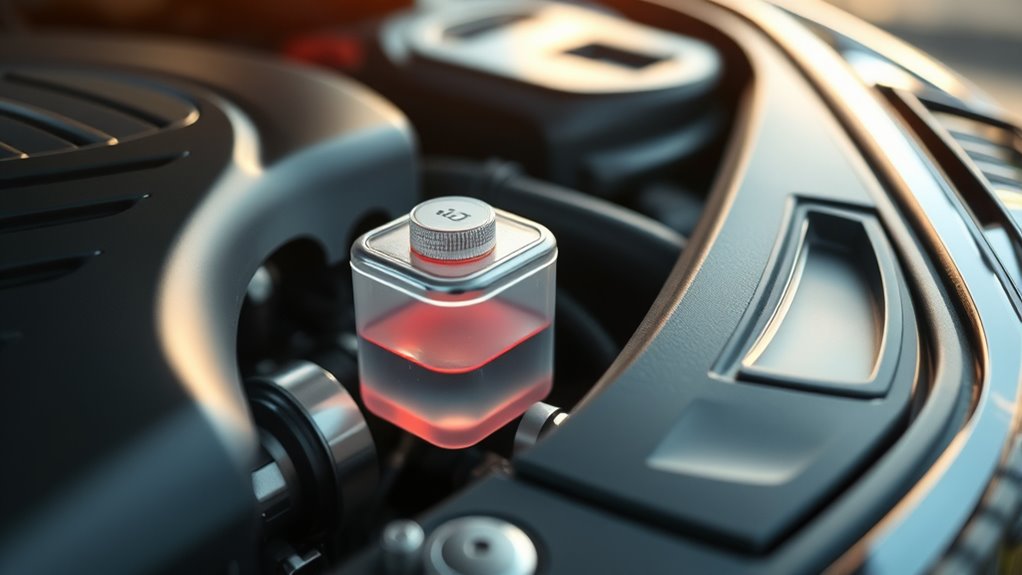
Transmission fluid is essential because it lubricates, cools, and helps your vehicle shift smoothly. When the fluid becomes contaminated with dirt, debris, or old fluid, its effectiveness drops, which can lead to damage.
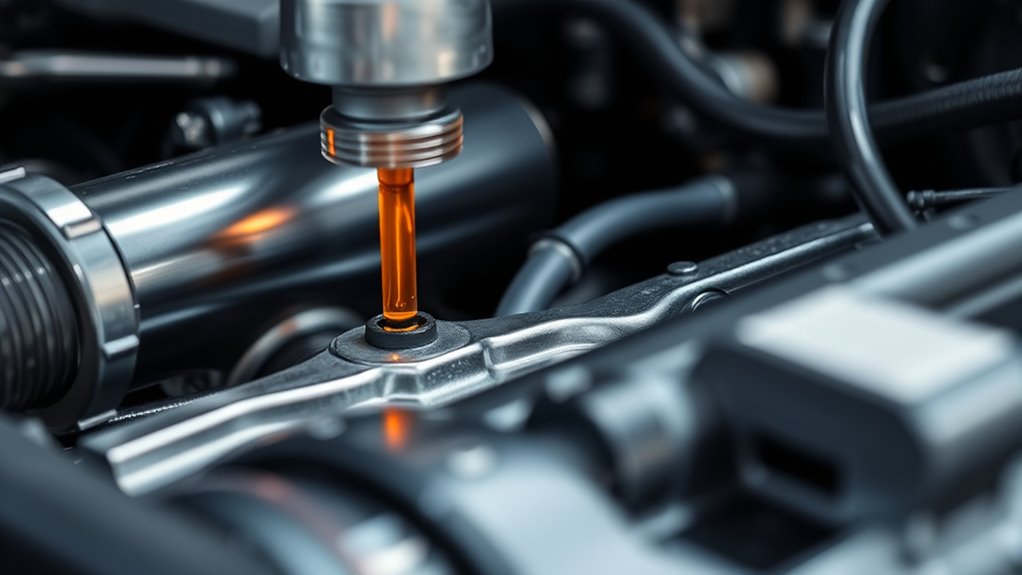
Regularly checking the fluid’s color is a simple way to see how it’s doing. Fresh transmission fluid is usually bright red, but if it turns dark, murky, or smells burnt, that’s a sign it’s contaminated or degraded.
Check transmission fluid color regularly—dark or burnt-smelling fluid indicates it’s time for a change.
To check the level and color, park your vehicle on a level surface. Find the transmission dipstick — check your owner’s manual if you’re unsure. Pull it out, wipe it clean, then reinsert it and pull it out again.
Look at the color and level on the dipstick. If the fluid looks dirty or the level is low, it might be time for a transmission fluid change. Keeping an eye on the fluid helps your transmission stay smooth and can save you costly repairs later.
How to Recognize the Signs of Low Transmission Fluid
If your vehicle starts to act differently while you’re driving, it might be a sign that your transmission fluid is running low. Keep an eye out for these signs:
- Unusual transmission color or fluid smell: Fresh transmission fluid is usually bright red and has a slightly sweet smell. If it looks dark, cloudy, or smells burnt, it could mean the fluid is low or contaminated.
- Gear shifting problems: If your car hesitates, slips, or shifts roughly, low transmission fluid might be the culprit. This can make your driving experience less smooth.
- Strange noises: Grinding or whining sounds when shifting gears often indicate low fluid, which can hurt your transmission’s performance.
What Do Warning Lights on Your Car Mean?
Have you ever noticed a warning light flickering on your dashboard and wondered what it means? These lights are your car’s way of alerting you to possible issues, including transmission problems. For example, the transmission temperature warning may light up if your transmission fluid is too hot or low. If you see a warning symbol resembling a gear or the words “check transmission,” it signals you should investigate further.
Sometimes, warning lights are linked to symptoms like transmission noise or changing fluid color. For instance, strange whining sounds or slipping gears can point to transmission trouble. The table below highlights common warning lights and their meanings:
| Warning Light | Symptom to Watch For | Action Needed |
|---|---|---|
| Transmission Warning | Unusual noise, fluid color change | Check fluid, visit mechanic |
| Check Engine Light | Slipping, rough shifting | Diagnose further immediately |
| Temperature Warning | Overheating transmission | Stop and let it cool, inspect fluid |
Pay attention. Taking action quickly can save your transmission.
How to Diagnose Transmission Slipping and Mantling
When your car feels like it’s struggling to shift smoothly or suddenly jolts during gear changes, it’s a sign that something may be wrong with your transmission. Transmission slipping or mantling can show up as irregularities in how the transmission gear engages.
Difficulty shifting smoothly or sudden jolts signal potential transmission problems needing prompt attention.
To diagnose these issues, pay attention to these signs:
- Delayed or Sluggish Shifting: If your car takes longer than usual to shift gears or hesitates during clutch engagement, it indicates slipping.
- Unusual RPM Fluctuations: Rising RPMs without a corresponding change in speed suggest your transmission is having trouble maintaining gear.
- Jolts or Bucking During Acceleration: Sudden jolts or buckling when shifting into gears point to problems with clutch engagement or slipping transmission gear.
Stay alert to these signs. Recognizing them early can help you prevent further damage and seek timely repair or fluid refill.
How to Check and Refill Your Transmission Fluid Safely at Home
Checking and refilling your transmission fluid safely at home involves a few careful steps to guarantee proper maintenance without risking damage. First, make sure your vehicle is on a level surface and the engine is warm. This makes for accurate fluid level readings.
Open the hood and locate the transmission dipstick, usually marked with a specific symbol. Pull it out, wipe it clean, then reinsert it fully before pulling it out again to check the fluid level.
If needed, pour new transmission fluid slowly, being careful not to overfill. Keep an eye out for contamination—dark, gritty fluid or a burnt smell suggests it’s time for a fluid change.
Also, monitor the transmission temperature during testing. Excessively high temperatures can degrade the fluid and cause damage. Always use the recommended transmission fluid type for your vehicle.
Finally, double-check the fluid level after refilling and securely replace the dipstick. Properly maintained fluid helps ensure smooth shifting and prolongs your transmission’s lifespan.
Frequently Asked Questions
Can Transmission Fluid Be Overfilled, and What Are the Risks?
Yes, overfilling transmission fluid can cause serious issues. It can lead to foaming, which reduces lubrication and might cause shifting problems or even damage the transmission.
You should regularly monitor the fluid level because excess fluid can increase pressure and lead to leaks. To avoid these risks, always check your fluid level carefully.
Follow the manufacturer’s guidelines and add fluid gradually. Make sure the level stays within the recommended range for the best transmission health.
How Often Should I Schedule a Professional Transmission Fluid Service?
Just like going for regular health check-ups, you should schedule a professional transmission fluid service every 30,000 to 60,000 miles. The exact interval depends on your vehicle and how you drive.
Regular transmission maintenance includes fluid inspections to catch issues early. Being consistent helps your transmission shift smoothly and lasts longer. It can also prevent costly repairs down the road.
Don’t wait until you experience problems. Regular fluid inspections keep your car running smoothly, like a well-oiled machine.
What Are the Long-Term Effects of Ignoring Transmission Fluid Issues?
Ignoring transmission fluid issues can cause severe wear on your transmission and lead to fluid breakdown. Over time, this makes your transmission run less efficiently, which can lead to costly repairs or even permanent damage.
You might notice slipping gears, delayed engagement, or strange noises happening more often. If you ignore these signs, it could eventually lead to complete transmission failure.
That failure could leave you stranded and force you to pay for expensive replacements. Regular maintenance can help prevent these long-term problems and keep your vehicle running smoothly.
Are There Different Types of Transmission Fluid for Manual and Automatic Cars?
Think of your car’s transmission like a suit tailored for its specific needs. Manual transmissions use different transmission fluid than automatics; using the wrong type can cause damage.
Fluid compatibility is essential for peak performance and longevity. Mixing incompatible fluids is like trying to wear socks with sandals — it just doesn’t work and can ruin the experience.
Always pick the right fluid for your manual or automatic transmission.
How Does Altitude or Climate Affect Transmission Fluid Performance?
Altitude impact and climate effects can influence your transmission fluid’s performance.
At higher altitudes, the lower oxygen levels can cause the fluid to become thinner, which may affect lubrication.
Extreme temperatures, whether hot or cold, also play a role—hot climates can make the fluid thinner and less protective, while cold weather can make it thicker and harder to flow.
It’s a good idea to regularly check your transmission fluid, especially if you live in areas with significant altitude changes or extreme weather.
This helps ensure smooth shifting and prevents potential damage to your transmission.
Conclusion
Take action early to avoid costly repairs and keep your car cruising smoothly. Recognize the warning whispers of wear, watch for warning lights, and regularly check your transmission fluid.
Maintaining your motor’s mystery minimizes mishaps and maximizes mobility. Don’t ignore the signs. Stay vigilant, service smartly, and guarantee your vehicle’s vitality.
By being mindful and meticulous about your transmission fluid, you’ll master your motor’s maintenance. Enjoy many miles of smooth, stress-free drives and keep your transmission in top shape.