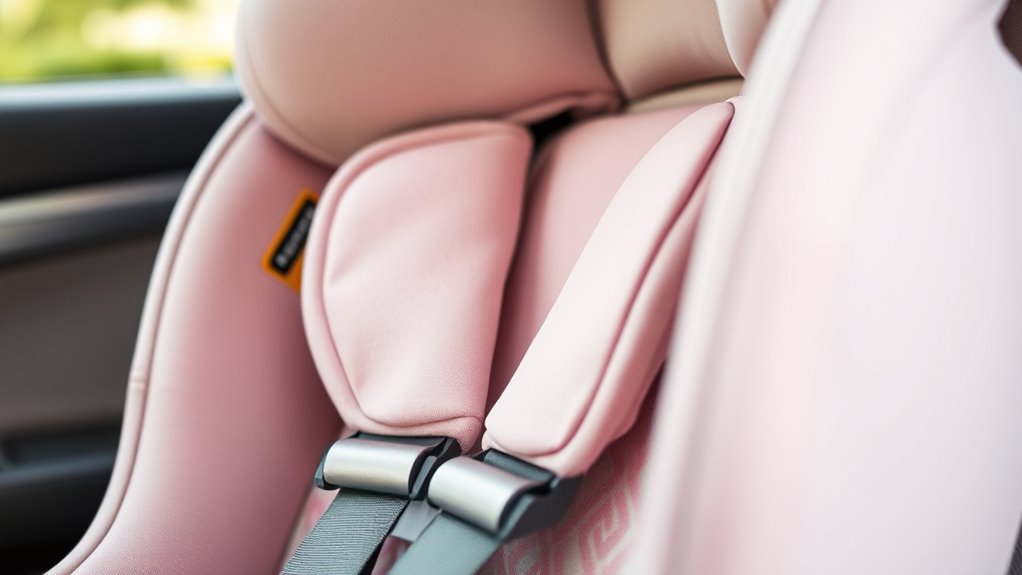
What Is the Weight Limit for an Infant Car Seat?
Are you feeling overwhelmed trying to find the right car seat for your baby? You’re not alone—many parents struggle with figuring out which one is safe and fits their little one perfectly. One common concern is understanding the weight limits for infant car seats.
The weight limit for an infant car seat usually ranges from 22 to 35 pounds, depending on the model. It’s important to follow the manufacturer’s guidelines and guarantee your baby stays within the seat’s specified weight range for safety.
Exceeding these limits can compromise protection during trips.
To safely switch your child and keep your little one secure, it’s helpful to understand how to check and interpret these limits properly. Keep going to find out more.
Key Takeaways
- Infant car seats usually have weight limits from 4 to 35 pounds, depending on the model.
- Always look at the manufacturer’s label or manual for your specific seat’s weight limit.
- Going over the limit can make the car seat less safe and effective.
- Regularly check your baby’s weight to make sure it stays within the seat’s maximum capacity.
- Once your baby nears or exceeds the weight limit, switch to a different car seat.
Understanding Infant Car Seat Weight Limits
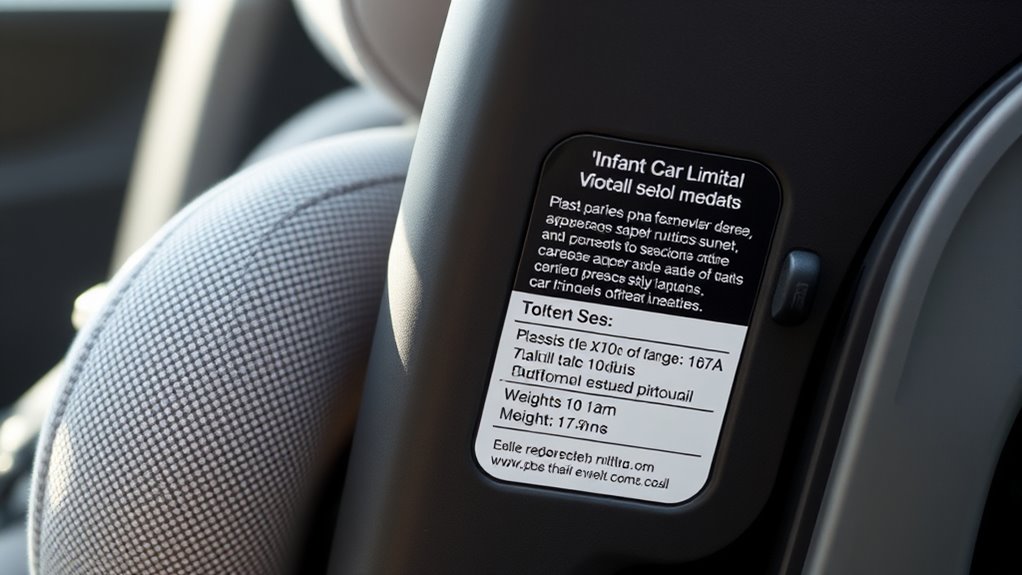
When installing the seat, it’s important to stay within the specified weight range. Exceeding it can compromise your baby’s safety. Proper installation helps keep your infant secure and ensures the seat’s weight guidelines are met.
Remember, your baby’s growth might affect their feeding routine and booster needs, but weight limits directly determine how long they can ride safely in a rear-facing or forward-facing position.
Regularly check your baby’s weight and compare it to the seat’s limits. This helps you stay within safety rules and makes sure your baby remains protected.
Following the manufacturer’s instructions for installation and weight limits is key. It helps keep your infant safe and comfortable on every trip.
How Manufacturers Determine the Weight Limits
Manufacturers figure out weight limits by doing some pretty thorough safety tests. These tests make sure that the seat can handle your child’s growth and sudden size changes. They also look closely at the materials used—making sure they’re strong enough to prevent any breakage or failure while your little one is in the seat.
Plus, there are industry guidelines that set standards for what’s considered safe and reliable. All of these things combined help manufacturers decide on the right weight ranges for infant car seats, so you can rest easy knowing your child is protected.
Testing Safety Standards
- Dropping seats from certain heights to test impact resistance.
- Running crash tests with crash test dummies.
- Checking how harnesses and straps hold up under stress.
- Ensuring materials can handle wear and tear over time.
- Verifying that installation and adjustments are easy.
These tests set safe weight limits, helping you feel confident with your parenting tips for travel.
Knowing these standards when choosing accessories means your little one stays secure, whether on short or long trips.
Manufacturers aim to meet or go beyond safety rules, so you can relax knowing your infant’s safety is a priority.
Material Strength Limits
They check things like the frame, plastic, and metal parts to see if they can withstand stresses from everyday use and crash forces. Seat padding is also important because it needs to stay intact and protective under pressure.
During testing, these materials are pushed to their limits to make sure they won’t crack, bend, or break during accidents or heavy loads. By thoroughly evaluating material strength, manufacturers create reliable weight ranges that keep your baby safe.
This careful process helps ensure the seat stays strong and effective at its specified maximum weight.
Industry Regulatory Guidelines
When manufacturers design seats, they consider factors such as car seat installation, impact absorption, and durability to meet these standards. They also specify requirements for infant car seat accessories, like harness systems and padding, to support safety at the weight limit.
Visualize the process:
- Testing seats for crash safety
- Evaluating how infant car seat accessories affect protection
- Ensuring proper car seat installation instructions
- Reviewing weight and height restrictions
- Conducting durability and crash simulations
Following these guidelines ensures your infant’s seat is safe within its designated weight limit.
When to Transition Your Baby From Infant to Toddler Car Seat
Knowing when to switch your baby from an infant car seat to a toddler car seat is key for their safety and comfort. Usually, you’ll want to move on when your little one exceeds the seat’s weight or height limits, which is often around 22-35 pounds.
Be sure to check the manufacturer’s guidelines so your child fits safely and snugly. Don’t forget to watch for safety recalls; a recalled seat might need replacing before you make the switch.
Proper installation during this transition is really important. It helps keep your child safe every time you’re on the road.
Here’s a quick reference:
| Criteria | When to Transition |
|---|---|
| Weight limit | Exceeds the seat’s weight limit |
| Height limit | Exceeds the seat’s height limit |
| Seat safety status | Safety recalls issued, inspect and replace |
Signs Your Infant Car Seat Is No Longer Safe or Fits Properly
It’s a good idea to regularly check your infant car seat to see if it still looks safe and fits your little one properly. Take a quick look for any visible wear and tear or damage—that’s always a good first step.
Also, keep an eye on whether your baby is outgrowing the seat’s height or weight limits. If they’ve grown enough that the seat no longer fits comfortably or securely, it might be time to consider a new one.
And if you find it tricky to get the straps to fit snugly and comfortably around your baby, that’s a clear sign you should reevaluate the seat’s safety and fit. Staying proactive can help keep your baby safe and secure during every ride.
Visible Wear or Damage
- Cracks or fractures in the plastic shell
- Torn or frayed straps and harnesses
- Fading or peeling fabric, especially around attachment points
- Rust or corrosion on metal components
- Broken or missing latch and buckle parts
These issues can weaken the seat’s safety features. Damage like this might make the seat less effective at protecting your child in a crash. If you notice any of these signs, it’s time to replace the seat to keep your baby safe.
Outgrown Height or Weight
When a car seat shows signs of being outgrown in height or weight, it’s time to think about replacing it to ensure your child’s safety. Be sure to check the weight restriction on the seat because going over it can compromise their protection.
Also, keep an eye on the height boundary. If your child’s head gets close to the top of the seat or their shoulders go beyond the harness slots, they’ve outgrown the seat. That means it might no longer provide the proper restraint or safety.
Using a seat beyond these limits increases the risk during a crash. Always follow the manufacturer’s guidelines and remove the seat once your child exceeds the specified height or weight limits, so they stay safe and secure.
Difficulty Securing Straps
Are the straps on your infant car seat suddenly harder to secure or uncomfortable to tighten? You might be having trouble with strap adjustment or harness tension, which could mean the seat no longer fits properly.
If tightening the straps feels stiff or uneven, it’s a sign the harness could be too loose or worn out. You might notice:
- Straps that won’t tighten securely
- Excess slack even when pulling firmly
- Frayed or damaged strap material
- Buckles that stick or won’t click
- Discomfort for your baby during securement
These signs suggest it’s time to check the harness system or think about replacing the seat. Proper strap adjustment is crucial to keep your baby safe, so if you’re having trouble securing the straps, the seat may not be offering the protection your little one needs.
Different Types of Infant Car Seats and Their Weight Ranges
There are several types of infant car seats, each designed to fit different weight ranges for safety and comfort.
The most common are rear-facing car seats, suitable for infants up to about 22 pounds. They keep your baby reclined and cozy, which supports breastfeeding comfort.
Convertible seats can switch from rear-facing to forward-facing. They accommodate infants starting at 5 pounds up to 65 pounds, making them versatile as your child grows.
Some models are made specifically for newborns, focusing on pediatric sleep routines. They provide extra head and neck support during car rides.
All these options follow weight limits to ensure your baby stays securely restrained and comfy. Choosing the right seat depends on your infant’s current weight and growth pattern.
Always check the manufacturer’s guidelines. This way, your child remains safe and comfortable as they develop, so you can focus on bonding and routines.
How to Check Your Car Seat’s Exact Weight Limit
Want to know the exact weight limit for your car seat? It’s pretty straightforward — first, take a look at the label on the seat itself. That label should have all the specs you need.
Then, give the manufacturer’s instructions a good read. Sometimes, they include important details or restrictions that you don’t want to miss.
And don’t forget to double-check that your car actually works with that seat. Ensuring compatibility is key to keeping your little one safe and snug during every ride.
Locate Label On Seat
Find the label on your infant car seat, which holds important information about its weight limit. This label is usually on the side, back, or bottom of the seat. Look closely to find the clear, printed details.
The label often includes the maximum weight the seat can safely hold, specific age or size recommendations, installation instructions, certification symbols, and manufacturer contact info.
Checking this label ensures you’re following safety guidelines and that you’re aware of the proper installation for your child’s safety. Always reference the label before placing your baby in the seat or adjusting its position.
Knowing the exact weight limit helps prevent exceeding the seat’s capacity, keeping your baby safe as they grow.
Read Manufacturer Instructions
Manufacturers provide specific instructions on how to determine your car seat’s exact weight limit, so it’s vital to read the included manual carefully. Your seat’s guidelines are tailored for safety and often include details relevant to accessories or unusual use cases.
For example, adding handmade accessories might affect weight limits, so check if the manual mentions modifications. Likewise, if you’re using the seat for athletic training with specialized gear, make sure it stays within weight boundaries.
To help, here’s a quick reference:
| Manufacturer’s Manual | Accessory Considerations | Usage Tips |
|---|---|---|
| Check weight specs | Handmade accessories | Follow safety instructions |
| Confirm limits | Impact on weight limit | Proper installation |
| Read carefully | Alteration warnings | Regular inspections |
| Install correctly | Accessories’ weight | Avoid overloading |
| Adjust as needed | Special activity use | Secure harness properly |
Always prioritize these details for safety.
Verify Vehicle Compatibility
Before using your child’s car seat, it’s essential to confirm that it’s compatible with your vehicle. This ensures both safety and optimal performance.
To check car compatibility, look at your vehicle’s owner’s manual or examine label details on the seats. You can also visit the manufacturer’s website for fit guides or contact customer support.
When evaluating compatibility, think of your car’s interior as a cozy space that needs a perfect fit. Look for these indicators:
- Space in the backseat for a secure fit
- Seat belt loops aligned with the car seat
- Clear anchorage points for LATCH systems
- Side clearance for proper installation
- Compatibility with booster or infant seat models
Getting this right means you can confidently secure your infant, making every trip safer and smoother.
Other Factors to Consider When Choosing the Right Car Seat
When choosing the right car seat for your infant, several factors beyond weight limits can influence your decision. Think about compatible travel accessories like cup holders or attachable mirrors that can make outings easier and more comfortable.
Consider accessories like cup holders and mirrors to enhance convenience during outings with your infant.
It’s also important to note how simple it is to clean the car seat, especially since infants can be messy. Look for seats with removable, washable fabric covers to make cleaning easier.
Comfort features matter too—padding, adjustable straps, and proper harness systems help ensure your baby stays comfortable and secure. Compatibility with your vehicle’s seat belt or LATCH system is essential for a proper fit.
Finally, check the seat’s weight and height limits to make sure it will grow with your child. Focusing on these factors helps you pick a car seat that’s safe, practical, and tailored to your family’s needs.
Safely Transitioning Between Car Seat Stages as Your Baby Grows
As your baby grows and reaches the limits of their current car seat, it’s important to switch to the next stage safely and smoothly. Moving from an infant seat to a convertible or booster is about more than just size; it’s about keeping travel safe.
Before making the switch, check that the new seat fits your vehicle properly and is compatible with accessories like cup holders or padding. It’s a quick step that can make a big difference.
Imagine attaching the new seat securely with the latest tether and harness systems. Proper installation is key to keeping your little one safe.
Next, adjust the harness height so it fits snugly around your child’s shoulders. A correct fit helps protect and comfort your child during every trip.
Make sure the seat’s recline angle supports your baby’s head and neck. Proper positioning prevents head slumping and keeps your child comfortable.
If you use any car seat accessories like extra padding or comfort cushions, add them now. They can enhance safety and make your child more comfortable.
Finally, practice installing and buckling the seat properly before heading out on your trips. Doing this in advance can make actual trips easier and safer.
Taking these steps ensures your child’s transition between car seat stages is safe, comfortable, and hassle-free. It gives you peace of mind on every journey.
Common Mistakes Parents Make About Car Seat Weight Limits
Many parents mistakenly think that once their child surpasses a car seat’s weight limit, they can just keep using it without worries. But ignoring the weight limit can actually compromise safety.
When your child outgrows the seat’s weight capacity, it’s time to upgrade—not to try and modify or stretch the limits. Proper installation is even more important now to make sure the seat stays secure and effective.
Some parents also rely on infant car seat accessories like padding or covers to extend usability. But these additions can interfere with the seat’s safety features and should only be used if approved by the manufacturer.
Tips for Ensuring a Proper and Secure Car Seat Fit
- Tiny hands gripping the harness firmly.
- Straps lying flat against their chest.
- Snugness without pinching or leaving slack.
- Shoulder straps positioned at or just below the shoulders.
- Harness clip sitting at armpit level.
Focusing on these details helps maintain ideal adolescent fitness habits early, promoting awareness of safety and comfort. Always double-check straps after installation, and make adjustments as your child grows.
When in doubt, consult the car seat manual or visit a local safety expert. Proper fit isn’t just about compliance. It’s foundational for your child’s safety.
Frequently Asked Questions
Can My Baby Stay in an Infant Car Seat Beyond the Weight Limit?
You shouldn’t keep your baby in an infant car seat beyond the weight limit, as it can be unsafe.
Car seat accessories like extra padding might seem helpful but can interfere with proper positioning.
Once your baby exceeds the weight limit, switch to a convertible seat that supports larger weights.
Always follow the manufacturer’s guidelines to keep your baby safe and comfortable during car rides.
Are There Legal Regulations Regarding Infant Car Seat Weight Limits?
Yes, there are legal regulations about infant car seat weight limits.
You need to follow the manufacturer’s guidelines, so always check the weight limits specified.
It’s also important to look for expiration dates and any manufacturer recalls on your car seat.
Using a seat past its expiration or with a recall isn’t safe, even if your baby hasn’t reached the weight limit yet.
Make sure your car seat meets legal safety standards to keep your child safe.
Always verify these details to ensure you’re following the law and protecting your little one effectively.
How Do I Know if My Car Seat Is Compatible With My Vehicle?
You can figure out if your car seat is compatible with your vehicle by checking the manufacturer’s guidelines and your car’s owner manual.
Make sure your seat fits snugly in your car and follow the correct installation instructions for child safety.
Many car seats have labels showing compatibility, and some brands share testing results too.
If you’re unsure, it’s a good idea to visit a local inspection station or talk to a certified technician to make sure everything is installed properly.
Do Weight Limits Differ for Rear-Facing and Forward-Facing Infant Seats?
Yes, weight limits usually differ for rear-facing and forward-facing infant seats. Generally, rear-facing seats have lower weight capacities, often around 40 pounds.
Forward-facing seats can typically hold children up to 65 pounds or more. Always check the specific weight limits for your car seat model.
Make sure to keep up with updates from manufacturers and check your car seat accessories. Follow the manufacturer’s guidelines for both types to keep your child safe.
Can I Use an Infant Car Seat for More Than One Child?
You can use an infant car seat for more than one child, as long as each child meets the seat’s weight and height limits.
Keep in mind, breastfeeding policies may influence how long your newborn stays in the seat. Pediatrician testimonials suggest making sure the seat remains appropriate for each child’s size.
Always check the manufacturer’s guidelines and adjust or replace the seat when it no longer adequately supports your child’s safety.
Conclusion
Knowing the weight limits for your infant car seat is like having a key to your baby’s safety vault. Stay vigilant for signs it’s time to switch, and always prioritize a proper fit to keep your little one secure on every ride.
Remember, as your baby grows, so should their car seat. Think of these limits as your roadmap—guiding you safely through each stage and avoiding potential pitfalls on the journey ahead.
When your baby reaches the weight limit, it’s time to move to the next stage seat. Keeping an eye on these limits helps ensure their safety and comfort every time you hit the road.