Fixing 1st to 2nd Gear Jerk in Automatic Transmission: Causes & Solutions
Experiencing a jerk when shifting from 1st to 2nd gear in your automatic transmission? You’re not alone. Many drivers struggle with this issue, which can be frustrating and sometimes concerning.
If you’re experiencing a 1st to 2nd gear jerk in your automatic transmission, it’s likely due to worn synchronizers, low transmission fluid, or faulty solenoids. Check your fluid’s level and condition, and top it off if needed.
Consider inspecting or replacing worn parts or fluid filters. Sometimes, electronic control issues can cause these problems. Keep an eye on signs of trouble and explore more tips to smooth out your shifting experience as you continue.
Key Takeaways
- Check and replace worn transmission fluid to keep hydraulic pressure proper and gear shifts smooth.
- Inspect and swap out faulty transmission solenoids that control how gears engage.
- Have a mechanic look at synchronizers and other internal parts for wear or damage.
- Run diagnostic scans to find error codes that point to control system issues.
- Keep up with regular maintenance, like fluid changes and professional checkups, to avoid shifting problems.
How to Tell if Your Transmission Is Jerking When Shifting?
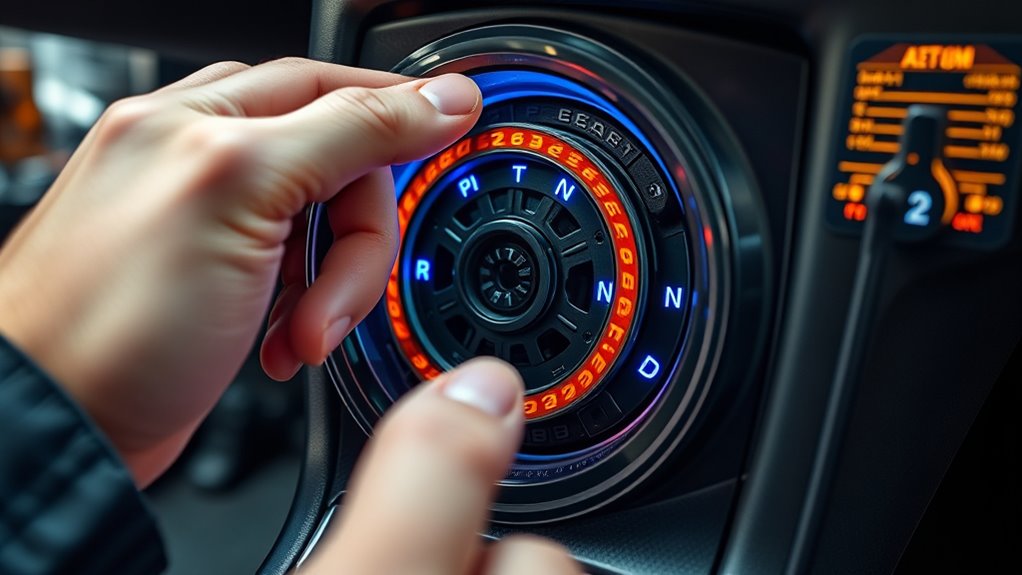
If your automatic transmission jerks when shifting from 1st to 2nd gear, you’ll probably notice a few signs. During the shift, you might feel a sudden jolt or hesitation, which can disrupt a smooth drive.
Transmission noises like whining or clunking sounds can also be a clue that something’s wrong. You might hear unusual sounds as the transmission engages, especially during the shift from first to second gear.
The engine may rev unexpectedly or stall for a moment as the gear changes. You could also notice inconsistent acceleration, with the vehicle feeling sluggish or uneven during shifts.
These signs indicate potential issues with your transmission’s ability to shift smoothly. Recognizing them early can help you know that the problem may be with the shifting mechanism or related parts.
Addressing these issues promptly can prevent more serious damage and keep your vehicle running smoothly.
Common Signs of Transmission Problems You Should Watch For
Recognizing the signs of transmission issues early can save you from costly repairs and unexpected breakdowns. One common indicator is a jerking or shuddering sensation during shifts, especially from 1st to 2nd gear.
Early signs of transmission issues include jerking during shifts and unusual noises, helping prevent costly repairs.
You might notice delays in gear engagement or slipping, which could signal misaligned gears or the need for a transmission upgrade. Unusual noises like whining or clunking are also red flags.
If your vehicle stalls or struggles to move smoothly, it indicates potential problems with gear alignment or slipping transmission parts. Furthermore, if your check engine light comes on, it’s worth getting it inspected soon.
These signs point to underlying issues that, if ignored, could get worse. Paying attention early allows you to seek professional help for repairs or transmission upgrades, preventing more severe damage and keeping your vehicle running smoothly.
Simple Ways to Check and Maintain Your Transmission Fluid
Maintaining proper transmission fluid levels is essential for smooth shifting and overall transmission health. To do this, regularly check your fluid’s condition and level.
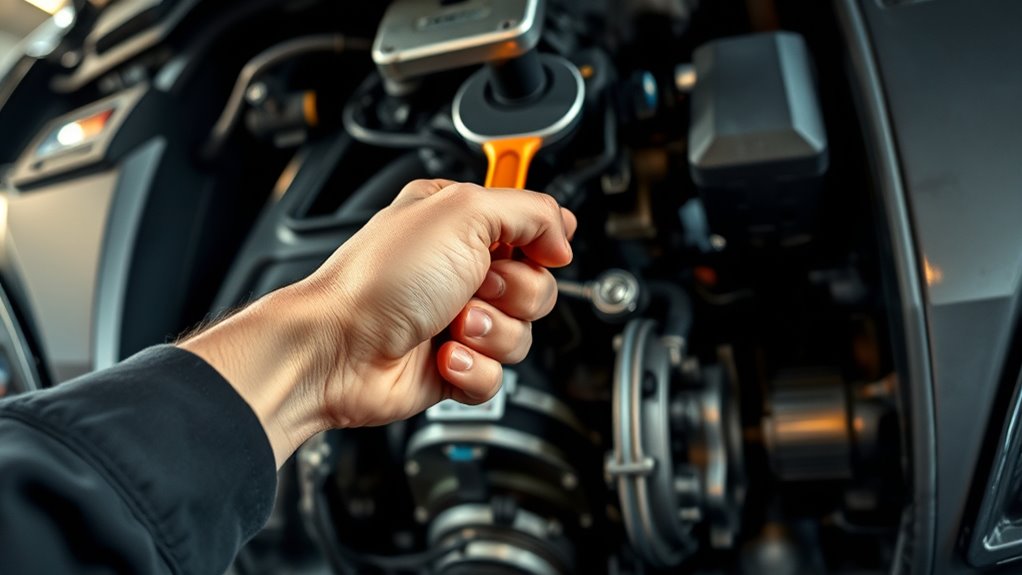
First, locate the transmission dipstick, usually near the back of the engine bay, and keep your car on a flat surface. Pull out the dipstick, wipe it clean, then reinsert and remove it again.
Observe the fluid color—healthy fluid is typically pink or red. If it’s dark or smells burnt, it’s time for a fluid change.
Next, look for fluid leakage under your vehicle. Any puddles or spots around the transmission area are red flags.
Finally, top off the fluid if it’s low, using the recommended type for your vehicle. Keeping an eye on fluid color and preventing fluid leakage helps ensure your transmission performs smoothly and lasts longer.
Troubleshooting ECM and Electronic Control Module Issues
Problems with your vehicle’s Electronic Control Module (ECM) can cause shifting issues, including that jerking feeling when shifting from 1st to 2nd gear. Troubleshooting starts with checking for stored error codes using an OBD-II scanner. These codes can tell you if sensors or actuators are malfunctioning and affecting gear shifts.
Sometimes, the fix is recalibrating the control module. Recalibration helps ensure your ECM manages shift points and throttle response correctly. If it’s off, it might send wrong signals to the transmission, making shifts jerky.
Before replacing the ECM, check all connections, inspect wiring, and clear any stored codes. See if the problem persists after these steps. If issues keep happening, it’s best to ask a professional for detailed diagnostics or recalibration.
Getting your ECM properly checked out can fix underlying electronic issues. That way, your gear changes will be smooth again, and that annoying jerk from 1st to 2nd gear should disappear.
Mechanical Causes That Lead to Gear Shift Jerking
Worn gear synchronizers are a common culprit for hesitations and jerking when you’re shifting gears, especially between first and second. When these parts start to wear out, they can’t help gears mesh smoothly, making the transition feel rougher than it should. It’s like the gears are struggling to find their perfect fit.
On the other hand, if the transmission solenoid isn’t working right, it won’t be able to control the flow of transmission fluid properly. This can lead to abrupt or rough shifts because the transmission isn’t getting the fluid pressure it needs at the right time. Both of these issues can really affect how smoothly your transmission runs, making driving less comfortable.
Worn Gear Synchronizers
When gear synchronizers become worn, they lose their ability to smoothly match gear speeds during shifts. This often results in jerking sensations when moving from first to second gear.
This wear interferes with proper gear synchronization, causing you to feel sudden, uncomfortable shifts. You might also notice increased transmission noise as the worn synchronizers struggle to engage properly.
Ignoring this issue can lead to further damage and costly repairs. Here’s what it can cause:
- Unpleasant gear shifting experience that rattles your confidence.
- Persistent transmission noise indicating synchronization problems.
- Potential damage to other transmission components if left unchecked.
Fixing worn gear synchronizers restores smoothness and reduces noise, making sure your transmission shifts seamlessly.
Malfunctioning Transmission Solenoid
A malfunctioning transmission solenoid can cause your gear shifts to jerk unexpectedly, messing up the smoothness of your drive. Over time, transmission fluid can degrade, become dirty, or get low, which makes it hard for the solenoid to control hydraulic pressure properly.
This can lead to inconsistent gear engagement and rough shifting. A faulty solenoid might also cause a valve body malfunction, stopping fluid from flowing correctly through the transmission.
When this happens, your transmission struggles to shift gears smoothly, especially from 1st to 2nd. If you notice jerking during gear changes, it’s probably time to check the transmission solenoid, clean or replace it, and make sure your transmission fluid is clean and at the right level to get your gears working smoothly again.
How to Reset Your Transmission System and Improve Shifting
Sometimes, resetting your transmission system can really improve how smoothly it shifts. This simple step can be especially helpful if you’re dealing with rough shifting or jerks between first and second gear.
Resetting your transmission can improve shifting smoothness and reduce jerks between gears.
To reset your transmission, start by turning on your vehicle and keeping it in Park. Press the brake, then turn off the engine.
Next, disconnect the negative terminal of your battery. Wait about 15 minutes so the system has time to reset.
Once the time has passed, reconnect the battery, start your car, and go for a quick drive. Pay attention to how well it shifts afterward.
These steps can help recalibrate your transmission, reducing those annoying jerks and erratic shifting. Remember, this isn’t a full fix but can boost overall performance.
If problems continue, it might be time to get professional transmission troubleshooting. Doing this reset can increase your confidence in your gear shifting and keep your vehicle running smoothly.
When Is It Time for a Transmission Flush or Service?
Knowing the signs of transmission trouble can save you from costly repairs and prevent breakdowns. If you notice slipping gears, rough shifting, or delayed engagement, it’s time for a transmission flush or service.
Conducting a transmission fluid analysis can reveal if the fluid is dark, burnt, or low. These issues indicate contamination or wear, which reduce lubrication and cooling, increasing the risk of damage.
Regular gear inspection is essential—listen for strange noises or jerks during shifts, especially between 1st and 2nd gears. If your vehicle’s transmission fluid hasn’t been changed in over 30,000 miles, or if your manual inspection shows debris or metal shavings, it’s time to schedule a flush.
Proper maintenance keeps your transmission running smoothly and helps prevent issues from escalating into expensive repairs. Don’t overlook early warning signs; timely service is key to extending your transmission’s lifespan and maintaining good performance.
Tips to Prevent Transmission Jerks and Keep It Running Smoothly
Sure! Here’s a more conversational version of the text:
If you want your transmission to stay smooth and trouble-free, it’s a good idea to check the fluid level regularly and keep it topped off. That way, you can avoid potential problems down the road. Also, using your brakes and clutch properly can really help reduce the strain on your transmission and prevent those annoying jerks. And don’t forget to schedule professional inspections now and then — catching issues early can save you a lot of money on repairs later on.
Regular Transmission Fluid Checks
To keep your transmission in top shape, regularly check the fluid’s color— it should be bright red.
Make sure to check the fluid level too, so it isn’t low or overfilled.
Also, keep an eye out for any burnt smell or debris in the fluid.
Sticking to regular maintenance helps prevent jerks, keeps the gears engaging smoothly, and makes your driving experience much more seamless.
Prompt Brake and Clutch Usage
Promptly using your brakes and clutch during driving is essential for preventing transmission jerks and ensuring smooth operation. Proper brake maintenance keeps your braking system responsive, helping you control your vehicle smoothly without abrupt movements that strain the transmission.
Regularly check and maintain your brakes to avoid excessive wear that could cause jerks during shifting. Clutch adjustment is just as important, especially if your vehicle has a manual clutch.
A properly adjusted clutch ensures smooth engagement and disengagement, reducing the chances of jerky shifts. Always press the clutch fully when shifting gears and avoid riding the clutch pedal unnecessarily.
Consistent brake maintenance and accurate clutch adjustment keep your transmission engaged properly, minimizing rough shifts and promoting a comfortable, smooth driving experience.
Schedule Professional Inspections
Scheduling regular professional inspections is key to catching transmission issues early before they turn into jerks or cause serious damage. Staying proactive helps you spot subtle signs like noise or gear slipping, which often come before bigger problems.
Regular check-ups let mechanics find worn parts, low fluid levels, or contaminated fluid that might cause rough shifts from 1st to 2nd gear. Addressing these issues early keeps your transmission running smoothly.
To stay ahead, you’ll prevent costly repairs by fixing problems early. You’ll also enjoy smoother gear changes and avoid annoying jerks or slipping. Plus, your transmission will run quietly and efficiently, giving you peace of mind every mile.
Don’t wait—schedule inspections regularly to keep your drive reliable and seamless.
DIY Steps to Diagnose and Fix Transmission Jerk Issues
Diagnosing and fixing transmission jerk issues requires a systematic approach to identify the root cause. Start by checking the transmission torque to make sure it’s consistent and within specifications. Uneven torque can cause abrupt shifts, so use a diagnostic scanner to review any error codes related to transmission performance.
Next, examine the gear lubrication. Low or dirty fluid can make it hard for gears to engage smoothly. Lift the vehicle safely and check the transmission fluid level and condition. If the fluid looks burnt or smells burnt, it’s time for a change. Also, make sure the transmission fluid filter is clean or replace it if needed.
If these steps don’t fix the jerk, consider testing the transmission shift solenoids. They control gear engagement, and faulty ones can cause shifting problems. Proper gear lubrication and stable transmission torque are key for smooth shifts.
These easy DIY checks can help you find simple issues before moving on to more complex repairs.
When Should You Get a Professional Transmission Inspection?
Wondering when to see a professional for your transmission? If you’re dealing with persistent issues like gear layout problems or irregular shift timing, it’s a sign you should get expert help.
Putting off a professional inspection can make problems worse and lead to costly repairs.
Consider scheduling a transmission check if:
- The 1st to 2nd gear jerk happens often or suddenly gets worse, disrupting your smooth ride.
- You notice delays or irregular shifts that don’t match normal timing.
- Your transmission makes strange noises or feels like it’s slipping or losing power during shifts.
Getting a professional inspection helps ensure your transmission is properly diagnosed.
Shifts might seem normal on the surface, but hidden problems with shift timing or gear layout can cause ongoing jerks or damage.
Trust a mechanic to evaluate your transmission system and help prevent minor issues from turning into big, expensive repairs.
Frequently Asked Questions
Can Transmission Jerks Occur in Both Manual and Automatic Vehicles?
Yes, transmission jerks can happen in both manual and automatic vehicles. In manual transmissions, clutch slipping may cause uneven gear shifts or jerks, especially when accelerating or changing gears.
In automatics, transmission slipping or issues with the transmission fluid can lead to sudden jerks during gear changes. Regular maintenance and prompt repairs help prevent these problems.
Keeping up with proper care ensures smoother driving experiences in both types of vehicles.
Does Engine Oil Quality Affect Transmission Shifting Smoothness?
Yes, engine oil quality affects how smoothly your transmission shifts. When the oil breaks down or the engine wears, it can cause shifting problems.
Poor-quality oil increases friction and heat, which might lead to rough gear changes or jerks. Keeping an eye on your oil and changing it regularly helps maintain smooth, responsive shifts.
Regular oil maintenance ensures your engine runs well, reducing transmission issues and making sure your shifts stay smooth over time.
Are Aftermarket Transmission Mods Likely to Cause Shifting Issues?
Aftermarket upgrades can definitely influence your transmission behavior, sometimes causing shifting issues. When you modify transmission components or install performance parts, you might disrupt the factory calibration, leading to abrupt or erratic shifts.
You want smooth acceleration, reliable shifts, and a seamless ride. But if aftermarket mods are installed without expert tuning, they can jeopardize that experience.
Be cautious, do your research, and seek professional advice to ensure your transmission stays responsive and trouble-free.
How Does a Faulty Torque Converter Lead to Gear Jerks?
A faulty torque converter causes gear jerks because its malfunction disrupts fluid vibrations inside the transmission. When it isn’t working properly, it struggles to smoothly transfer engine power, leading to inconsistent pressure and a feeling of “bucking.”
This can cause rough, uneven shifts, especially when going from first to second gear. If you notice this kind of jerking, it’s a sign that the torque converter may be failing.
Getting it inspected or replaced can help restore smooth gear shifts and proper transmission performance.
Can Driving Habits Impact the Lifespan of Automatic Transmission Components?
Yes, your driving habits can impact your automatic transmission’s lifespan. Driving when you’re tired can lead to abrupt or inconsistent gear shifts, which stress the components.
Poor road conditions like potholes or uneven surfaces also add strain during acceleration and deceleration. These behaviors and conditions speed up wear on transmission parts and might cause failures.
To help your transmission last longer, try to drive calmly when you’re tired, avoid rough roads when you can, and focus on smooth driving habits.
Conclusion
Don’t ignore the signs of transmission jerking—it’s more than just a rough ride. Addressing issues early can save you money and prevent major car trouble later on. Whether it’s checking fluid levels, troubleshooting your ECM, or seeking professional help, each step helps you achieve smoother shifting.
Sometimes, the key to fixing the 1st to 2nd gear jerk lies beyond what you see. What’s really lurking beneath the surface might surprise you. Staying vigilant is crucial because your car’s future depends on it. Regular check-ups can make all the difference in keeping your transmission healthy.