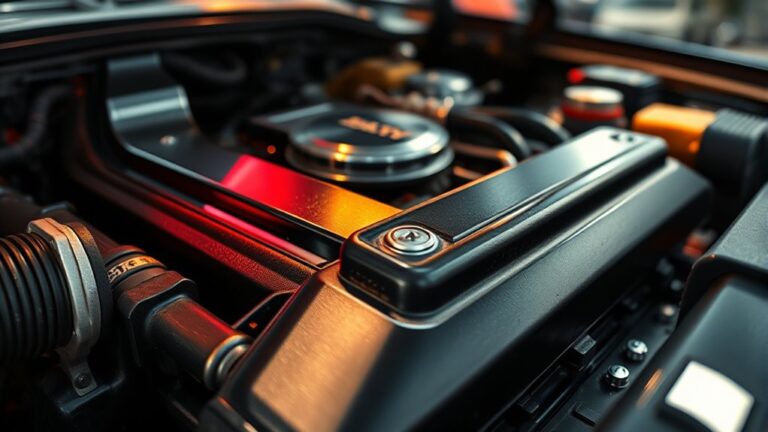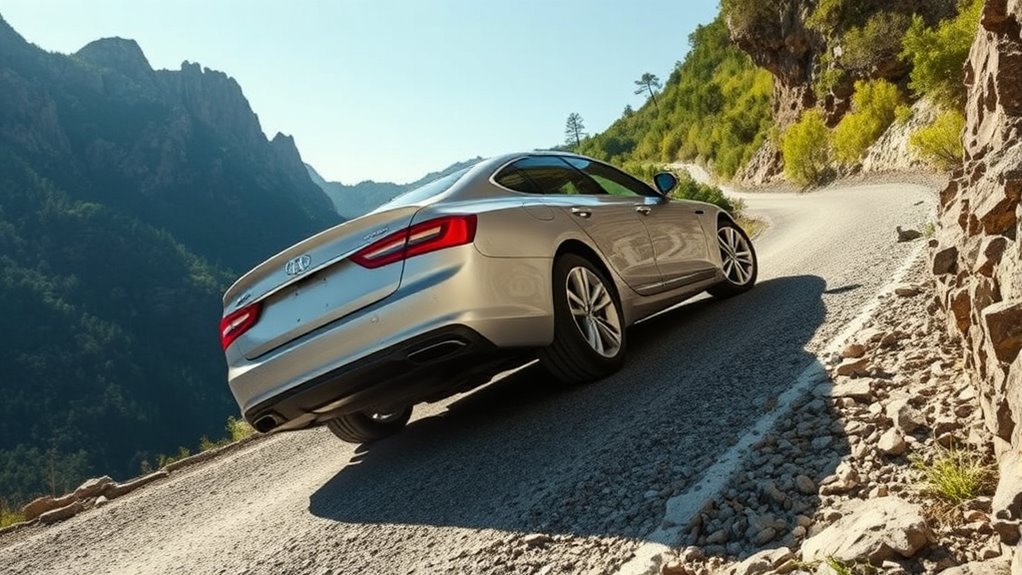
Causes & Solutions: Car Hesitates When Accelerating Uphill
Are you tired of your car hesitating when you try to accelerate uphill? You’re not alone—many drivers face this frustrating issue, and it can make even a short climb feel like a challenge.
Luckily, a few simple fixes can often get your vehicle back to smooth riding.
If your car hesitates when you accelerate uphill, it could be caused by issues like a dirty air filter, fuel system problems, or transmission troubles. Clogged filters reduce airflow and fuel delivery, making the engine struggle. Sensor malfunctions and electrical faults can also disrupt performance.
Regular maintenance and quick diagnostics can often resolve these issues.
For more tips on fixing and preventing uphill hesitation, you’ll find helpful insights to keep your vehicle running smoothly.
Key Takeaways
- A clogged air filter or fuel filter can restrict airflow and fuel delivery, causing hesitation during uphill acceleration.
- Transmission issues like slipping or delayed shifting can impair power transfer when driving uphill.
- Faulty sensors such as MAF, oxygen, or throttle position sensors can mismanage fuel and ignition, leading to engine hesitation.
- Turbocharger or boost pressure problems reduce engine power, making uphill driving sluggish.
- Regular maintenance, including checking for worn spark plugs, fluid levels, and sensor diagnostics, helps prevent hesitation on inclines.
What Causes Your Car to Hesitate When Climbing Hills?
When your car hesitates while climbing hills, it’s often because it doesn’t have enough power or fuel delivery at higher loads. Modern vehicles come with advanced safety features and eco-friendly technology that help manage engine performance and emissions, but these can cause hesitation if not properly maintained.
For example, sensors that monitor fuel efficiency might restrict engine power if they detect issues, leading to hesitation. Additionally, eco-friendly systems like hybrid components or sophisticated fuel injection can create delays if they’re malfunctioning or not calibrated correctly.
High temperatures or worn parts also contribute by making fuel combustion less efficient, which impairs power delivery. Understanding how these systems work together can help you troubleshoot hesitation problems.
Upgrading to newer vehicles with advanced safety and eco-friendly tech can boost hill-climbing performance. But regular maintenance is key to ensuring these innovations work smoothly and prevent hesitation when you need power most.
How a Dirty Air Filter Affects Uphill Acceleration
A dirty air filter actually blocks airflow to your engine, so it’s like trying to breathe through a clogged straw. When that happens, your engine has a tough time getting the air it needs to run smoothly.
And that becomes a problem when you’re heading uphill because your engine really needs that boost of power. Without enough clean air, your acceleration slows down, and climbing those hills feels more struggle than it’s worth. Plus, because your engine isn’t working efficiently, you end up using more fuel, which can cost you extra dollars in the long run.
Reduced Airflow Efficiency
A clogged air filter can significantly decrease your vehicle’s ability to accelerate smoothly, especially when climbing uphill. When airflow is blocked by dirt or debris, your engine struggles to get enough air, which lowers its power and responsiveness.
This reduced airflow efficiency makes your engine work harder. As a result, it becomes harder to gain momentum on inclines. Regular filter maintenance helps prevent dirt buildup that hampers airflow.
When the filter is clean, air flows freely into the engine, supporting better combustion and overall performance. Ignoring filter maintenance can lead to worse acceleration, poorer fuel economy, and more engine stress—things you definitely notice during uphill drives.
Keeping your air filter in good shape is a simple way to ensure smooth, powerful acceleration whenever you need it.
Engine Struggles to Breathe
A dirty air filter restricts the flow of air into your engine, making it struggle to breathe properly. When airflow gets blocked, your engine might misfire, especially when you’re climbing uphill or under load.
Exhaust restrictions caused by dirt in the filter can also lead to poor exhaust flow, putting more stress on the engine. These problems reduce power and torque, making acceleration feel sluggish and less responsive.
You might notice your engine hesitating or sputtering when you’re trying to go uphill. Ignoring a dirty air filter can mess up proper combustion and hurt overall engine performance.
Regularly replacing or cleaning your air filter keeps airflow unrestricted, easing symptoms like engine misfires and exhaust issues. This helps your vehicle stay smooth and responsive, especially on uphill drives.
Decreased Fuel Economy
When your air filter is dirty, your engine has to work harder to draw in the right amount of air. That can really decrease your vehicle’s fuel efficiency.
A clogged air filter limits airflow, forcing the engine to burn more fuel to make up for it. This is especially noticeable during uphill acceleration.
Not only does this cost you more at the pump, but it also increases emissions. An overworked engine produces higher levels of pollution.
When the air filter is dirty, your engine struggles to keep up, leading to hesitation and less fuel economy. Regularly replacing or cleaning your air filter helps keep airflow steady.
Keeping your air filter clean helps your vehicle run smoothly and saves you money. Plus, it’s a simple step toward a greener drive.
Signs Your Fuel System Is Causing Your Car to Hesitate
If your car hesitates or jerks when accelerating uphill, it could be a sign that your fuel system is causing the issue. One common problem is fuel contamination, which happens when dirt or water mixes with your fuel and blocks smooth combustion.
You might also notice engine sputtering or a rough idle, especially during acceleration. Another sign is poor acceleration even when you press the gas pedal, which could mean your fuel injector is clogged or not working properly.
Additionally, frequent engine stalling or difficulty starting might point to problems with fuel delivery. Keep an eye out for these signs so you can catch fuel system issues early before they become bigger problems.
- Engine sputters or stalls during acceleration
- Noticeable loss of power uphill
- Rough idling or surging when driving
- Difficulty starting the vehicle or inconsistent engine performance
Engine Problems That Lead to Hesitation When Going Uphill
Engine problems like a blockage in the fuel system or issues with the ignition system can make your car hesitate when you’re driving uphill. Basically, these problems mess with the proper flow of fuel or the spark needed to get your car moving smoothly, especially when you’re climbing a steep hill.
When these things happen, your car might lag or jerk instead of accelerating evenly, which can be pretty frustrating. The good news is that catching and fixing these issues early can help keep your car running smoothly, even when you’re tackling those tough inclines.
Fuel System Blockages
A clogged fuel filter often causes hesitation when climbing hills. When your fuel system is blocked, your engine can’t get a steady flow of fuel, especially under increased demand. This can make your car hesitate or stall when going uphill.
Besides the fuel filter, a dirty air filter can also be a culprit by restricting airflow. That leads to an imbalanced fuel-air mixture. Regularly checking and replacing these parts can help prevent issues.
Keep an eye out for things like reduced fuel flow from the tank, dirt or debris in the fuel filter, a dirty or clogged air filter, or fuel pump problems reducing pressure. Staying on top of these keeps your engine running smoothly, especially on inclines.
Ignition System Issues
When your car hesitates while climbing uphill, ignition system problems might be causing it. Faulty spark plugs or a worn ignition system can lead to misfires, which reduce engine power and make acceleration choppy.
If the spark plugs are dirty or worn out, they won’t ignite the fuel-air mixture properly, causing hesitation. Regularly inspecting and replacing spark plugs can help prevent this issue.
| Issue | Symptoms | Solution |
|---|---|---|
| Worn Spark Plugs | Rough idling, misfires | Replace spark plugs |
| Spark Plug Fouling | Sluggish acceleration | Clean or replace plugs |
| Ignition Coil Faults | Engine stalling | Check and replace coil |
| Ignition System Wear | Hesitation under load | Inspect and repair system |
| Ignition Timing | Poor acceleration | Adjust timing as needed |
Common Transmission Issues That Affect Uphill Drive
One common cause of hesitation when driving uphill is transmission problems that prevent smooth power transfer to the wheels. During uphill driving, your transmission needs to efficiently move gear ratios, but issues can disrupt this process.
When conducting transmission diagnostics, you’ll notice symptoms like slipping gears, delayed acceleration, or abrupt gear shifts. These problems often stem from low transmission fluid levels, worn-out clutch plates in manual transmissions, faulty torque converters, or malfunctioning solenoids affecting gear engagement.
If these issues are present, your vehicle struggles to handle the added strain of uphill driving, leading to hesitation. Regular transmission diagnostics can help identify these malfunctions early.
Addressing these common transmission issues ensures your car maintains proper power transfer, making uphill driving smoother and more reliable. Keep an eye on fluid levels and seek professional help when symptoms emerge.
How Boost Pressure and Turbocharger Maintenance Help Uphill Performance
If your vehicle relies on a turbocharger, maintaining ideal boost pressure is key for strong uphill performance. Proper turbo boost helps your engine generate the power needed to handle inclines without hesitation.
Regular turbocharger maintenance keeps the system working efficiently, preventing pressure drops that can cause sluggish acceleration.
Following a consistent schedule ensures components like the turbocharger, intercooler, and boost sensors stay clean and debris-free, which is crucial for maintaining boost pressure.
If the turbo boost isn’t reaching the right levels, your engine may struggle when climbing hills, leading to the hesitation you notice.
Addressing these issues early with proper maintenance restores correct pressure levels, resulting in better throttle response and increased power.
This, in turn, helps your vehicle confidently handle uphill drives.
Staying proactive with turbocharger care is essential for reliable, consistent performance, especially during tough inclines.
Sensor and Electrical Problems Causing Uphill Hesitation
Sensor and electrical issues can really mess with your engine’s response when you’re climbing uphill, leading to hesitation and sluggish acceleration. When sensors malfunction or electrical problems pop up, the engine control unit (ECU) gets false or inconsistent signals, which throws off proper fuel delivery and ignition timing. This can make your car stumble or lag just when you need extra power the most.
Common culprits include faulty mass airflow sensors, oxygen sensors, throttle position sensors, and wiring issues. You might notice hesitations, rough idling, or a sudden loss of power when going uphill. Fixing these problems is key to getting smooth acceleration again.
Some signs your vehicle may have sensor issues or electrical faults are erratic engine behavior during acceleration, the check engine light coming on, intermittent sensor readings, or corrosion and damaged wiring connections. Addressing these quickly can help prevent uphill hesitation and keep your engine running smoothly even on tough drives.
How to Diagnose and Fix Common Causes of Uphill Hesitation
Diagnosing and fixing common causes of uphill hesitation involves a systematic approach to pinpoint the underlying issue. Start by checking your engine oil. Low or dirty oil can cause poor engine performance, including hesitation when climbing hills. Make sure your oil level is adequate and change it if it’s dirty or old.
Next, inspect your brake system. Dragging or sticking brakes can reduce power and cause hesitation. Check that the brake calipers and pads aren’t sticking and look for any signs of excess heat or wear.
Also, verify that your air filter isn’t clogged because restricted airflow can impact acceleration. Fuel system issues like a clogged fuel filter can also cause hesitation, so replace it if needed.
Finally, consider your vehicle’s transmission. If it’s slipping, it may not transfer power effectively uphill. Addressing these areas—engine oil, brake system, air and fuel intake, and transmission—can significantly improve uphill acceleration performance.
Preventive Tips to Keep Your Car Running Smoothly on Hilly Routes
If you want your car to handle those hilly roads smoothly, it’s a good idea to get regular engine tune-ups. That way, everything stays in top shape and runs like clockwork.
And don’t forget about your tires! Keeping them properly inflated and maintained helps with better grip and can even save you gas when you’re tackling steep inclines.
Just staying on top of these simple things can really prevent any annoying problems or hesitation when you’re driving on those tricky hill routes.
Regular Engine Tune-Ups
During tune-ups, mechanics check and fine-tune components that affect performance, like spark plugs and fuel injectors. This helps prevent exhaust restrictions that can block airflow, making your engine less efficient and causing hesitation.
Replacing worn parts regularly keeps power delivery smooth and helps avoid sudden setbacks. Also, tune-ups make sure sensors and filters are working properly, which supports overall engine health.
Key tasks include inspecting air filters, checking ignition timing, cleaning fuel injectors, and testing exhaust flow. Staying on top of these helps your engine stay responsive and makes uphill driving less stressful.
Proper Tire Maintenance
Ever wondered why your car struggles on steep inclines? Proper tire maintenance plays a crucial role. Regular tire rotation ensures even wear, helping your tires grip the road better when climbing hills.
If tires aren’t rotated, you risk uneven tread, which reduces traction and impairs acceleration. Checking tire pressure frequently is also key; underinflated tires can cause sluggish responses and lower fuel efficiency on inclines.
Keep your tires at the recommended pressure levels to maintain good contact with the road and boost overall performance. Well-maintained tires last longer and offer safer handling, especially on hilly routes.
When Should You Consult a Mechanic for Uphill Acceleration Problems?
Knowing when to seek professional help is essential if your car hesitates or struggles to accelerate uphill consistently.
If simple troubleshooting doesn’t fix the issue, it’s time to visit a mechanic. Think about consulting a pro if you notice:
- Persistent hesitation even after checking tire pressure and cleaning sensors or engine parts with a glass cleaner.
- Your vehicle has trouble maintaining speed on steep inclines despite proper tire pressure.
- Unusual engine sounds, smoke, or a persistent check engine light along with acceleration issues.
- Frequent stalling or rough idling when trying to accelerate uphill, which could point to fuel or ignition problems.
Addressing these signs early can prevent further damage and costly repairs. Keep in mind, small issues like dirty sensors or low tire pressure might be quick fixes, such as adjusting the tire pressure or cleaning sensors.
But if problems continue, it’s best to trust a professional to diagnose more complex engine or transmission concerns.
Frequently Asked Questions
Can Weather Conditions Cause My Car to Hesitate Uphill?
Yes, weather conditions can cause your car to hesitate uphill because the climate can affect engine performance.
Cold weather, for example, can thicken the oil and make fuel vaporize less effectively, leading to sluggish acceleration. Rain or snow can also impact traction and engine efficiency.
This makes it harder for your car to accelerate smoothly when going uphill.
Staying aware of how weather can impact your vehicle and keeping it properly maintained can help reduce hesitation during these conditions.
Does Low Transmission Fluid Impact Uphill Acceleration?
Yes, low transmission fluid can impact your uphill performance. When levels are too low, the fluid struggles to lubricate and power the transmission properly, which can cause hesitation when accelerating uphill.
You might notice sluggishness or rough shifts. It’s a good idea to check your transmission fluid regularly and keep it at the recommended level to ensure smooth uphill driving.
If you experience hesitations or rough shifting, consider getting a transmission fluid change or consulting a mechanic. This can help prevent further issues and keep your vehicle performing well on inclines.
Could a Faulty Spark Plug Be Responsible for Uphill Hesitation?
Yes, a faulty spark plug can cause uphill hesitation. Spark plug problems lead to ignition issues, which can cause your engine to misfire or run poorly under load.
When you’re accelerating uphill, these problems become more noticeable because your engine needs more power. If your spark plugs are worn or damaged, it can make this worse.
Check your spark plugs for any signs of wear or damage, and replace them if needed. Fixing ignition issues like this will help your engine accelerate better and make your drive uphill smoother.
How Does Altitude Affect Uphill Driving Performance?
A wise man once said, “What goes up must come down.”
But when you’re driving uphill at high altitudes, things can get a bit tricky.
The altitude impact can weaken engine performance, causing your car to hesitate.
Lower oxygen levels mean your engine burns less efficiently, reducing power.
To counter this, think about using higher octane fuel or installing an altitude adjustment device.
Knowing these effects helps you manage your vehicle’s performance on steep inclines better.
Are Aftermarket Modifications Likely to Cause Uphill Driving Issues?
Yes, aftermarket modifications can cause uphill driving issues if they’re not properly installed or compatible.
Some modifications impact engine performance, leading to hesitation or power loss. Whether it’s air intakes, exhaust systems, or fuel components, the impact varies depending on what you modify.
Always consider the risks of modifications, get professional installation, and choose reputable brands. This way, you can minimize potential problems and keep your vehicle running well uphill.
Conclusion
Now that you know what might be causing your car to hesitate uphill, you can take action before this trouble gets worse. Think of it like fixing a ship before it hits the iceberg.
Regular maintenance, quick inspections, and addressing issues early will keep your engine running smoothly as you tackle those tough hills. Don’t delay because a car that hesitates when accelerating uphill can turn a simple drive into a stressful ordeal.