5 Clear Signs It’s Time to Change Your Power Steering Fluid
Are you tired of steering trouble that catches you off guard? Many drivers struggle with unexpected issues, especially when it comes to power steering. Recognizing the signs early can save you time and money.
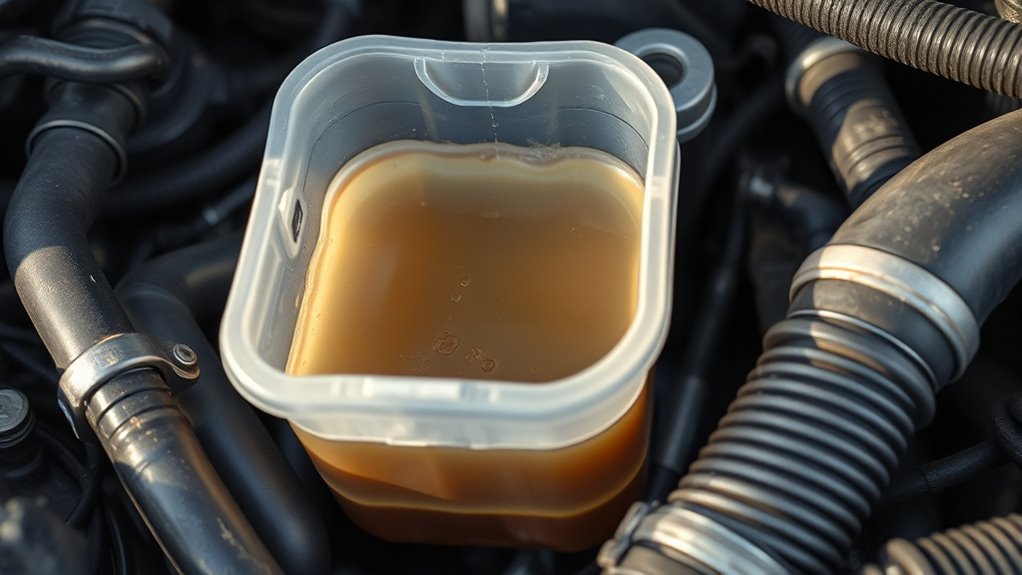
If your power steering fluid appears dark, murky, or contains debris, it’s a sign to change it. You might notice strange noises like squealing, or the steering feels stiffer or less responsive.
Leaks or sluggish turning also indicate issues. Regularly checking your fluid’s color and consistency helps catch problems early.
Staying on top of maintenance can prevent costly repairs—keep going to learn more about how to keep your system in top shape.
Key Takeaways
- The fluid looks dark, murky, or cloudy, which suggests it might be contaminated or broken down.
- You might hear whining or squealing sounds when turning the steering wheel.
- Steering could feel stiff, sluggish, or less responsive than it used to be.
- Keep an eye out for leak spots or fluid pooling under your vehicle.
- The steering system might make strange noises or vibrations while you’re driving.
How to Tell If Your Power Steering Fluid Is Degraded
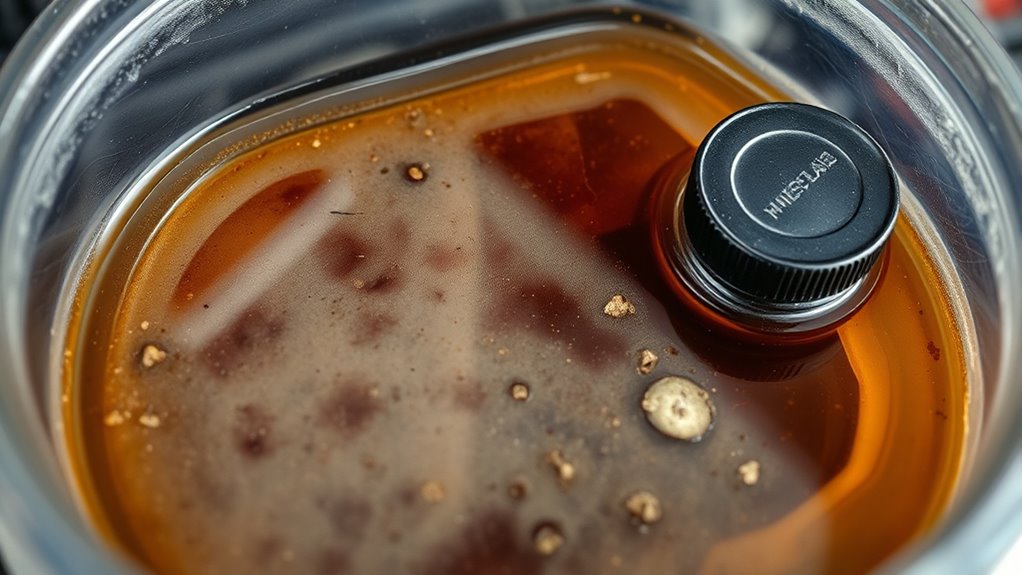
If your power steering fluid has turned dark or murky, it’s a clear sign that it’s degraded. Dark or cloudy fluid shows contamination and that it’s lost its lubricating properties.
You might also notice leaks around your vehicle, which often happen if the fluid has thickened or seals are cracking from degraded fluid. Another warning sign is whining or squealing noises when turning the wheel.
This noise happens because thickened or contaminated fluid can’t lubricate the system properly, causing more strain on the pump. If you notice these issues, it’s time to check your fluid’s condition.
Regularly inspecting the fluid level and clarity helps catch signs of deterioration early. Keeping your power steering fluid clean and fresh ensures smooth steering and helps avoid damage to system components.
Signs That Your Power Steering Fluid Is Contaminated
Contaminated power steering fluid can be tricky to spot just by its appearance, like darkness or murkiness. There are specific signs to watch for that can give you clues.
You might notice unusual steering noises, like squealing or groaning when turning. These sounds often indicate contaminated fluid affecting the system’s performance.
Changes in the fluid’s color, such as cloudiness or debris presence, are also good signs of pollution. If the fluid looks dirty or murky, it’s time to check further.
If steering feels less responsive or becomes stiff, these could be signals that your fluid is compromised. Pay attention to how your steering reacts during use.
Use the table below to easily identify common signs of contaminated power steering fluid:
| Sign | Cause | Effect |
|---|---|---|
| Steering noise | Contaminants impair the pump | Excessive squealing, groaning |
| Fluid color | Dirt or debris in the fluid | Cloudy or murky appearance |
| Difficulty turning | Reduced lubrication | Stiff steering response |
| Unusual smells | Overheated or degraded fluid | Burning smell or breakdown |
Detecting issues early can help prevent damage to your steering system and keep your driving smooth and safe.
What Dark or Dirty Power Steering Fluid Means
Dark or dirty power steering fluid often signals that it has broken down over time and picked up debris. This can hurt how well the system works. When the fluid turns dark or muddy, it usually means contaminants like dirt, metal particles, and worn-out additives are building up.
Dark or dirty power steering fluid indicates breakdown and debris buildup, reducing system performance and reliability.
This buildup can change the fluid’s thickness, making it less effective at lubricating and protecting the pump and steering parts. A color change can also mean the fluid has oxidized or absorbed moisture, which makes it worse over time.
If you notice leaks in your power steering, it might be because the old, dirty fluid isn’t lubricating the seals properly, causing them to shrink or crack. These problems don’t just reduce steering responsiveness but can cause serious damage if you don’t deal with them.
Regularly checking the fluid color and changing it when it gets dark or dirty can help keep your steering system smooth and reliable.
Symptoms That Signal You Need to Change Your Power Steering Fluid
You’ll notice steering feels harder or more sluggish than usual when your power steering fluid needs changing. A common sign is a strange steering wheel noise, like squealing or whining when turning. If you see fluid leakage beneath your car, it indicates a damaged or old reservoir or hose requiring fluid replacement.
If your steering feels stiff or difficult at low speeds, it points to insufficient or degraded fluid. You may also feel vibrations or resistance, which signals the need for a fluid check.
How Regular Maintenance Can Prevent Power Steering Issues
Regular maintenance of your power steering system is the best way to keep it working smoothly and avoid costly repairs later on. Staying on top of fluid technology helps make sure your system stays in good shape.
Regularly checking and changing the power steering fluid prevents contamination and wear, which can cause stiffness or leaks. Simple tasks like inspecting fluid levels monthly and using the manufacturer’s recommended fluid make a big difference.
This proactive approach helps catch signs of degradation early, so you won’t need more complicated repairs later. Keeping the fluid clean reduces strain on the pump and other parts, which can help them last longer.
Routine inspections can also spot potential issues before they become bigger problems, saving you time and money. Investing in regular maintenance isn’t just about using good fluid — it’s about keeping your system healthy and performing well.
Follow these tips to enjoy smooth steering and avoid sudden breakdowns.
Frequently Asked Questions
How Often Should I Check My Power Steering Fluid Levels?
You should check your power steering fluid levels at least once a month. Regular checks help catch contamination or level changes early, which can prevent steering problems.
Make sure the fluid is between the minimum and maximum marks on the reservoir. If you notice inconsistent levels or if the fluid looks dirty or murky, it’s a sign you might need to top it up or change it.
Staying proactive keeps your steering smooth and your vehicle safe.
Can Driving Style Impact Power Steering Fluid Lifespan?
Your driving habits can speed up fluid breakdown, like wearing down a path with constant use.
Aggressive turns or harsh driving put extra stress on your power steering system, causing the fluid to degrade faster.
Over time, this shortens the lifespan of your power steering fluid, so it’s important to drive differently.
Driving smoothly and avoiding sharp turns at high speeds can help extend the life of your fluid and keep your system working well.
Are There Any Risks in Delaying a Power Steering Fluid Change?
Delaying a power steering fluid change can lead to fluid contamination and component corrosion, which can hurt steering performance.
Contaminants like dirt or debris can clog your system, causing more wear or even failure.
Over time, the fluid breaks down and won’t lubricate the parts properly, leading to corrosion and costly repairs.
To keep your steering smooth and safe, don’t wait too long—regular fluid changes are key to keeping everything working properly.
What Type of Power Steering Fluid Is Best for My Vehicle?
Choosing the best power steering fluid is like finding a trusted friend—you want one compatible with your vehicle. Check your owner’s manual to match fluid compatibility perfectly.
Using the wrong type can introduce contamination risks, harming your system or causing uneven steering. Always opt for manufacturer-recommended fluid to guarantee smooth handling and longevity.
Sticking to the recommended fluid keeps your steering system running like clockwork. It’s the best way to ensure everything stays in top shape and avoids costly damage.
How Much Does It Typically Cost to Replace Power Steering Fluid?
Replacing your power steering fluid usually costs between $100 and $250, depending on your vehicle and where you live.
During the replacement, issues like fluid contamination and system corrosion are common concerns you want to prevent.
Regular maintenance helps avoid these problems, keeping your steering smooth and reliable.
Keep in mind, ignoring the fluid change can lead to expensive repairs down the line.
It’s smart to budget for a professional service every few years to keep the system healthy and working well.
Conclusion
So, there you have it—your cheat sheet to avoiding a steering craze fit. Keep an eye on the fluid’s color and feel, lest your car suddenly decides to test your panic button. Regular checks aren’t just for overachievers; they’re your shield against costly repairs and embarrassing steering spasms.
Stay vigilant, keep the fluid fresh, and maybe, just maybe, your car will keep letting you steer clear of the drama. Because nobody wants a wild ride, especially not on your budget! Knowing the signs it’s time to change your power steering fluid can save you from unexpected headaches and hefty repairs.