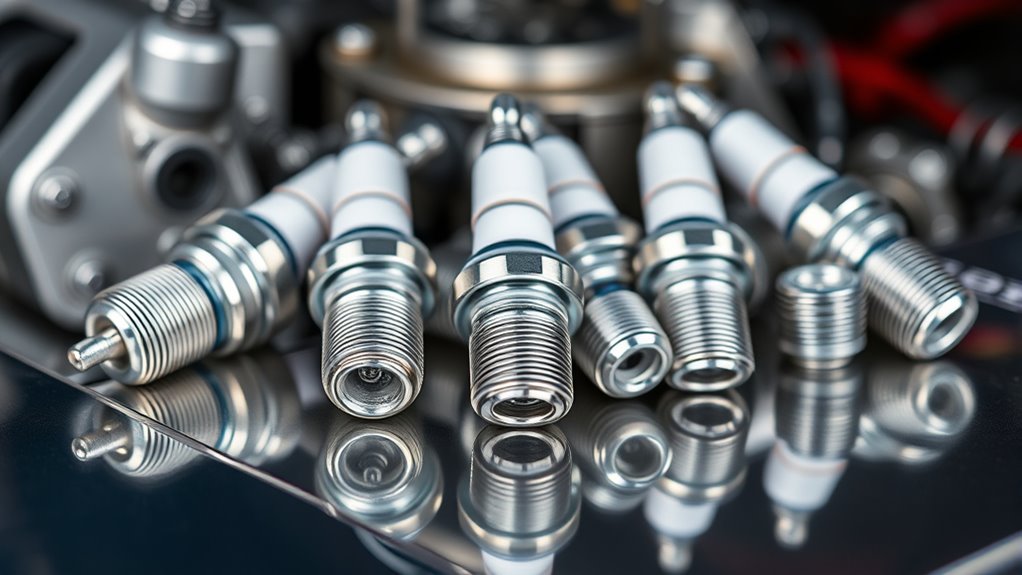
How Long Do Platinum Spark Plugs Last? Mileage & Lifespan Explained
Struggling with engine misfires or rough idling can be pretty frustrating, right? You’re not alone—many people face these issues and wonder how to keep their car running smoothly.
One key to better performance? Knowing how long platinum spark plugs last and when to replace them.
Platinum spark plugs usually last between 60,000 and 100,000 miles, making them more durable than traditional copper plugs. Their lifespan depends on factors like driving habits, engine condition, and maintenance routines.
Signs of wear include rough idling, misfires, and poor acceleration.
Proper care and timely replacement can extend their life and keep your engine running smoothly. To learn more about maximizing their performance and when to replace them, keep exploring this topic.
Key Takeaways
- Platinum spark plugs generally last between 60,000 to 100,000 miles with proper maintenance.
- Their durability comes from platinum’s ability to resist wear, corrosion, and high temperatures.
- However, driving habits and engine condition can affect how long they actually last and may cause early failure.
- Regular inspections and timely replacements help keep your engine running smoothly and prevent misfires.
- Using high-quality plugs and setting the correct gap can also help maximize their lifespan.
What Are Platinum Spark Plugs and How Do They Work?
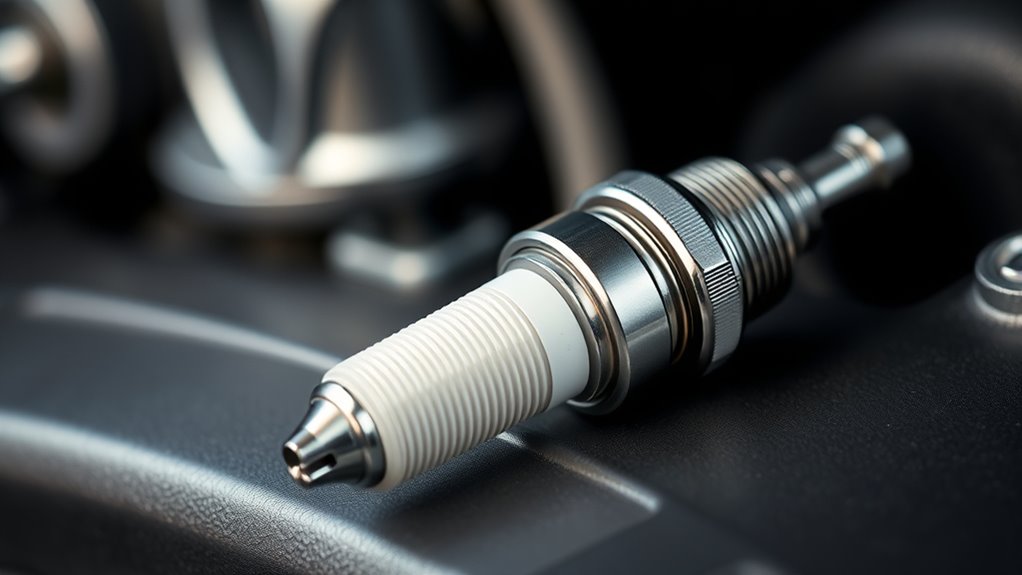
Have you ever wondered what makes platinum spark plugs different from traditional ones? It all comes down to the materials used in the spark plug.
Unlike copper plugs, platinum spark plugs have a platinum tip that resists wear and corrosion for a longer time. This upgrade helps keep a consistent spark over time, which can improve your engine’s performance.
The platinum acts as a durable conductor, making sure the electrical current flows reliably during ignition. When a spark occurs, the platinum tip efficiently conducts the electrical current, igniting the air-fuel mixture inside the engine.
Because of their durability, platinum spark plugs usually last longer than standard ones. They’re built to withstand high temperatures and tough operating conditions, so you don’t need to replace them as often.
Your ignition system depends heavily on these plugs to generate consistent sparks, which are key to smooth engine operation. Overall, platinum spark plugs are designed to boost ignition reliability, resulting in easier starts and steadier engine performance.
How Long Do Platinum Spark Plugs Usually Last?
Platinum spark plugs usually last between 60,000 to 100,000 miles, making them a longer-lasting choice compared to traditional copper plugs. Their durability mainly comes from the platinum material, which resists wear and corrosion better than other metals.
Platinum spark plugs typically last between 60,000 to 100,000 miles, offering a more durable, long-lasting ignition solution.
This extended lifespan helps keep your vehicle’s ignition system reliable by maintaining good firing and fuel efficiency over many miles. Since platinum is durable, you won’t need to replace your plugs as often, saving you both time and money.
Keep in mind, the actual lifespan can vary based on your driving habits, engine condition, and the quality of the spark plugs. Regular maintenance and inspections are key to keeping your ignition system running smoothly.
This way, your platinum spark plugs can perform at their best throughout their lifespan. Knowing how long they usually last helps you plan for replacements and avoid unexpected ignition problems.
Signs It’s Time to Replace Your Platinum Spark Plugs?
Over time, your vehicle may show signs that it’s time to replace your platinum spark plugs. Worn spark plug materials can lead to engine performance problems, so spotting these signs early is important.
You might notice rough idling, misfires, or difficulty starting your engine. A drop in fuel efficiency can also be a clear indicator that your spark plugs are wearing out.
| Symptom | Cause |
|---|---|
| Rough idling or misfires | Worn or fouled spark plugs |
| Reduced acceleration | Spark plug material degradation that makes them less efficient |
| Poor fuel economy | Ignition problems caused by aging spark plugs |
Pay close attention to these signs. They usually point to your spark plugs nearing the end of their lifespan. Replacing them quickly ensures your engine runs at its best and prevents further damage.
When spark plug materials start to deteriorate, your engine struggles to operate smoothly. Timely replacement keeps everything running efficiently.
What Factors Affect the Lifespan of Platinum Spark Plugs?
Several factors influence how long your platinum spark plugs will last, and understanding them can help you get the most out of their lifespan. Over time, spark plug design and materials have evolved to boost durability.
Platinum’s higher melting point and resistance to wear are big advantages, but other factors like the electrode’s design and quality also play a role. Using finer platinum particles or coatings can further improve longevity.
Your driving habits are a major factor too. Frequent idling, short trips, or aggressive acceleration tend to cause more wear and can shorten the lifespan of your spark plugs.
Engine condition and regular maintenance routines, like changing the air filter and checking the fuel system, also matter. A well-maintained engine runs more smoothly, helping your spark plugs last longer.
Understanding the history of spark plug development and materials helps you see why proper care can extend their life. When you keep everything in good shape, your platinum spark plugs will perform better and last longer.
How Do Platinum Spark Plugs Compare to Other Types?
When comparing platinum spark plugs to other types, you’ll find that each offers different benefits and limitations based on their materials and design. Platinum plugs use luxury materials that provide excellent durability and longevity, making them ideal for drivers seeking low maintenance and performance upgrades.
They generally last longer than copper plugs and often outperform iridium ones in longevity, thanks to the resilient platinum center electrode. Silver and copper plugs tend to be cheaper but wear out faster, leading to more frequent replacements.
Iridium plugs also feature luxury materials and are known for superior performance and heat resistance, often matching platinum’s lifespan. Your choice depends on your preferences for performance, longevity, and budget.
If you prioritize a balanced combination of durability and performance upgrades, platinum spark plugs stand out among other options. They offer a refined compromise tailored for both everyday driving and more demanding conditions.
Tips to Extend the Life of Your Platinum Spark Plugs
To make sure your platinum spark plugs last as long as possible, it’s a good idea to regularly check the gap and make sure it’s set correctly. Just a quick look every now and then can really help prevent any issues down the road.
Also, using good quality fuel is a small step that can make a big difference. It helps prevent buildup and reduces wear on the plugs, keeping everything running smoothly. Following these simple tips can help you get the most out of your spark plugs and keep your engine happy for longer.
Regularly Check Spark Plug Gap
Regularly checking the gap on your platinum spark plugs is a simple but crucial step in extending their lifespan. If the gap isn’t correct, it can disrupt ignition timing, causing misfires and reduced efficiency. Proper gap adjustment ensures the spark ignites the fuel-air mixture at the right moment, boosting performance and saving fuel.
Over time, spark plug corrosion or vibration can cause the gap to widen or narrow, affecting ignition consistency. By measuring and adjusting the gap with a feeler gauge, you prevent unnecessary wear and degradation. Keeping the gap ideal helps maintain proper ignition timing, which minimizes stress on the plugs.
Regular checks now can greatly extend your platinum spark plugs’ lifespan, saving you money and keeping your engine running smoothly.
Use Correct Fuel Quality
Using the right fuel quality is essential for maximizing the lifespan of your platinum spark plugs. Poor-quality fuel can cause deposits and fouling, which diminish spark plug performance and lead to misfires.
Choose fuel with the appropriate octane rating for your vehicle, and consider using fuel additives designed to clean and protect the system. These additives can help reduce carbon buildup, keeping your plugs cleaner longer.
Remember, clean spark plugs ensure efficient combustion and prolong their lifespan. Regular spark plug cleaning, either manually or with fuel additives, can help prevent buildup and maintain excellent performance.
Avoid using lower-quality fuels that may cause deposits, and always stick to recommended fuel types. Proper fuel choice and maintaining clean plugs are key to extending the life of your platinum spark plugs.
What Is the Expected Mileage of Platinum Spark Plugs?
Platinum spark plugs are known for their durability, often outlasting traditional copper plugs. Thanks to their advanced materials, they usually last between 60,000 and 100,000 miles, depending on your driving habits and vehicle.
Because platinum resists wear and corrosion, it keeps engine performance consistent over time. You can expect these plugs to deliver reliable starts and smooth operation throughout their lifespan.
Proper maintenance, like regular inspections and using quality fuel, can help maximize their mileage. While some drivers report even longer lifespans, it’s best not to push past the manufacturer’s recommended interval.
Replacing platinum spark plugs on time ensures your engine stays in top shape, preventing misfires or power issues. Overall, if you want longevity and dependable performance, platinum spark plugs are a solid choice that far exceeds traditional options when properly maintained.
What Causes Early Platinum Spark Plug Failure?
Even though platinum spark plugs are built to last, they can still fail early if conditions aren’t right. Incorrect ignition timing puts extra stress on the spark plug, causing the electrodes to wear out faster.
When your engine’s timing isn’t set correctly, it can lead to misfires and higher thermal stress, which damages the spark plug coatings over time. Poor timing also causes incomplete combustion, making the spark plugs work harder and wear out sooner.
Low-quality or damaged coatings on the spark plug may not protect against corrosion or fouling. This makes the plug more likely to fail early. Contaminants like oil, dirt, or carbon deposits can stick to the spark plug, disrupting electrical flow and shortening its lifespan.
Inconsistent maintenance or using the wrong spark plug for your vehicle can also lead to premature failure. Proper installation and regular inspections are key to avoiding these issues and helping your spark plugs last longer.
Why Replacing Spark Plugs at the Right Time Matters
Replacing your spark plugs at the right time is really important. When they’re worn out or old, your engine can misfire or run rough, which is never good for your car or your drive. Keeping up with the recommended replacement schedule helps things run smoothly and keeps your engine happy.
And here’s the thing: fresh spark plugs mean better fuel efficiency. That’s more money in your pocket because you’re using less gas. Plus, when you replace them on time, they last longer, so you won’t have to pay for new ones more often than necessary. It’s a simple step that makes a big difference in keeping your car in great shape.
Prevents Engine Misfires
When spark plugs wear out or get dirty, they can cause your engine to misfire. This leads to rough idling, poor acceleration, and lower fuel efficiency.
Worn spark plugs can’t produce a steady spark, especially if the engine gets hot or if their coatings degrade. These coatings are made to handle high heat but weaken over time, increasing the risk of misfire.
Replacing spark plugs at the right time ensures they spark reliably and resist misfiring. That helps keep your engine running smoothly and prevents damage from incomplete combustion.
Regularly changing spark plugs helps them handle temperature changes and keeps their coatings in good shape. This way, your engine runs better and avoids costly repairs caused by misfires.
Maintains Optimal Fuel Efficiency
Have you noticed your car using more fuel lately? Worn or dirty spark plugs can mess up combustion, leading to lower fuel economy. Replacing platinum spark plugs at the right time makes sure your engine runs smoothly and efficiently.
When spark plugs work properly, they ignite the air-fuel mixture consistently, preventing misfires and incomplete combustion. This not only saves you money at the gas pump but also helps reduce emissions, making your vehicle more eco-friendly.
Regular spark plug maintenance keeps your engine performing at its best, so you get the most out of every gallon. Don’t overlook signs of wear—timely replacement is essential for maintaining optimal fuel efficiency and cleaner emissions.
Extends Spark Plug Life
To get the most life out of your spark plugs, it’s important to replace them at the right times. Proper upkeep helps prevent unnecessary wear and keeps them working efficiently.
Using spark plug coatings can also help resist corrosion and thermal damage, which extends their service life. Maintaining a healthy ignition system ensures steady sparks and reduces the strain on your plugs.
Here are four easy ways to keep your spark plugs lasting longer:
- Check and replace worn or damaged plugs regularly.
- Keep your ignition system clean to prevent buildup.
- Use high-quality spark plugs with advanced coatings for durability.
- Fix engine problems quickly to avoid putting extra stress on the plugs.
When Should You See a Mechanic About Your Spark Plugs?
Spark plugs are a small but essential part of your engine’s performance, and noticing signs of trouble early can save you from costly repairs. If your engine misfires, runs rough, or your fuel efficiency drops, it’s time to see a mechanic.
Also, strange odors or unusual engine noises can signal worn spark plugs. Before hitting a road trip, make sure your spark plugs are in good shape—checking their clarity and cleaning your car thoroughly should be part of your routine.
If your vehicle struggles to start or stalls often, don’t ignore these warning signs. Regularly inspect the spark plugs, especially after long drives or rough conditions.
When in doubt, a professional can confirm whether your spark plugs need replacing or if other issues are involved. Prompt attention keeps your engine running smoothly and helps you avoid breakdowns and costly repairs while traveling.
Frequently Asked Questions
Are Platinum Spark Plugs Suitable for All Engine Types?
Platinum spark plugs are suitable for many engine types, but whether they fit your engine depends on its specific needs and the spark plug materials recommended.
You should check your vehicle’s owner’s manual to make sure which type of spark plug is best for your engine.
While platinum plugs work well for engines that need durable, long-lasting spark plugs, some engines might perform better with materials like copper or iridium.
Always follow your manufacturer’s recommendations for the best results.
How Does Driving Style Affect Platinum Spark Plug Lifespan?
Sure, your aggressive acceleration and high-speed chases might give your platinum spark plugs a fun workout, but they’ll also cause faster performance degradation.
The more you push your engine, the sooner you’ll need to fork out for maintenance, since frequent driving style blemishes longevity.
To keep those plugs thriving, adopt a smoother driving style and extend their lifespan.
This saves you money and helps avoid last-minute roadside surprises.
Can Platinum Spark Plugs Improve Fuel Economy?
Platinum spark plugs can improve your fuel economy through their performance benefits, such as more efficient combustion and reliable spark delivery. This means your engine runs smoother and consumes less fuel over time.
However, consider the cost, as platinum plugs tend to be pricier upfront. If you’re focused on long-term savings and better performance, investing in platinum spark plugs might be worth it—especially if you drive regularly and want improved fuel efficiency.
What Warranties Are Typically Offered on Platinum Spark Plugs?
Imagine you’re comparing brands for platinum spark plugs. Most come with warranties of 60,000 to 100,000 miles, covering manufacturing defects.
A common warranty is three years or 36,000 miles. During installation, costs usually include the spark plugs and labor.
Brands like NGK and Bosch offer competitive warranties, giving you peace of mind and confidence in your investment.
Are Platinum Spark Plugs More Environmentally Friendly?
Yes, platinum spark plugs are more environmentally friendly than traditional options. They last longer, which means less waste and fewer replacements.
Since they don’t need to be replaced as often, they help reduce the overall environmental impact. Plus, platinum plugs improve fuel efficiency by promoting better combustion.
This leads to fewer emissions and less pollution, making them a greener choice. Overall, they help you contribute to a cleaner environment while still offering reliable performance.
Conclusion
On average, platinum spark plugs last around 80,000 miles, making them a durable choice for your vehicle. Did you know that replacing them on time can boost your fuel efficiency by up to 4%?
Don’t wait until you notice misfires or rough idling to replace your spark plugs. Regular checks help ensure your engine runs smoothly and efficiently.
Staying proactive with spark plug maintenance not only saves you money but also extends your engine’s lifespan. Keep an eye on signs of wear and enjoy a reliable, efficient ride.
Remember, for lasting performance, consider the lifespan of platinum spark plugs and don’t delay replacing them when needed.