Driving Safely With Low Transmission Fluid: Risks, Signs, and Solutions
Many drivers worry about their car’s health but often overlook low transmission fluid, which can lead to bigger problems. You’re not alone; many people struggle with recognizing the signs of low fluid and knowing when to act.
The good news is that with some simple checks, you can prevent costly damage and keep your transmission running smoothly.
Driving with low transmission fluid can cause your transmission to overheat, slip, or shift roughly, risking costly damage. Signs include strange noises, delayed shifts, or fluid leaks under your vehicle.
To avoid damage, regularly check fluid levels, look for leaks, and use the correct fluid type.
If issues persist, it’s best to act quickly.
Knowing how to identify and fix low fluid problems can save you from bigger repairs down the road.
Staying proactive is the key to maintaining a healthy transmission and saving money in the long run.
Key Takeaways
Driving with low transmission fluid risks overheating, increased wear, and potential transmission failure. It’s important to keep an eye on your fluid levels to avoid costly repairs.
Signs of low or contaminated fluid include delayed shifts, strange noises, slipping, and fluid leaks. If you notice any of these, it’s time to check your transmission.
Check the fluid level on a level surface and top it up with the manufacturer-recommended fluid if it’s low. This simple step can help keep your transmission running smoothly.
Until the fluid is properly maintained, avoid driving aggressively or under heavy load. Gentle driving can prevent further damage.
Regular inspections and early attention to signs can save you money and prevent serious transmission problems down the line.
Why Transmission Fluid Matters for Your Car’s Health

Transmission fluid is essential for keeping your car’s transmission running smoothly. It lubricates moving parts, transfers power, and helps prevent overheating. Modern transmission technology relies heavily on high-quality fluid to operate efficiently.
Transmission fluid keeps your car running smoothly by lubricating parts and preventing overheating.
Proper fluid filtration is crucial because it traps dirt, debris, and other contaminants that can build up over time. When your transmission fluid is clean, it keeps internal components well-lubricated and reduces friction, which can extend the lifespan of your transmission.
Without enough fluid or if it’s contaminated, parts can wear out faster or even seize altogether. Many newer vehicles have sophisticated systems that depend on precise fluid conditions, making regular maintenance even more important.
Checking your transmission fluid level and quality regularly can help you catch issues early. Ensuring you use the right type of fluid and keeping it clean with proper filtration supports peak transmission performance and protects your vehicle investment.
What Are the Risks of Driving With Low Transmission Fluid
Driving with low transmission fluid can put a lot of stress on your vehicle’s transmission components right away. Without enough fluid, the moving parts don’t get the lubrication they need, which leads to more friction and quicker wear.
Over time, this can cause overheating, damaging the transmission and shortening its lifespan. Statistics show that low fluid levels are one of the top causes of transmission failure and costly repairs.
Vehicles operated with insufficient transmission fluid are more likely to slip, shift roughly, or even stop working completely. These problems not only affect safety but also cause your car to perform poorly and put extra strain on the mechanical parts.
The danger of breakdowns increases a lot when driving with low fluid, especially if you’re hauling heavy loads or exposed to extreme temperatures. Ignoring the fluid level can lead to long-term damage that’s expensive and time-consuming to fix.
Keeping an eye on your transmission fluid helps maintain its health, reduces risks, and extends your vehicle’s lifespan.
Signs Your Transmission Might Be Low on Fluid
You might start hearing some odd noises from your transmission, like a whining or humming sound. That’s often a sign that your transmission fluid is running low.
If you notice your gear shifts feel delayed or rough, it’s another good reason to check the fluid level. And don’t forget to look underneath your car—it’s a clear sign if you spot transmission fluid leaks. All of these are clues that your transmission might need some attention.
Unusual Transmission Noises
Unusual noises coming from your vehicle’s transmission can be a clear warning sign that the fluid level is low. If you hear grinding, whining, or clunking sounds, it’s time to check the transmission fluid.
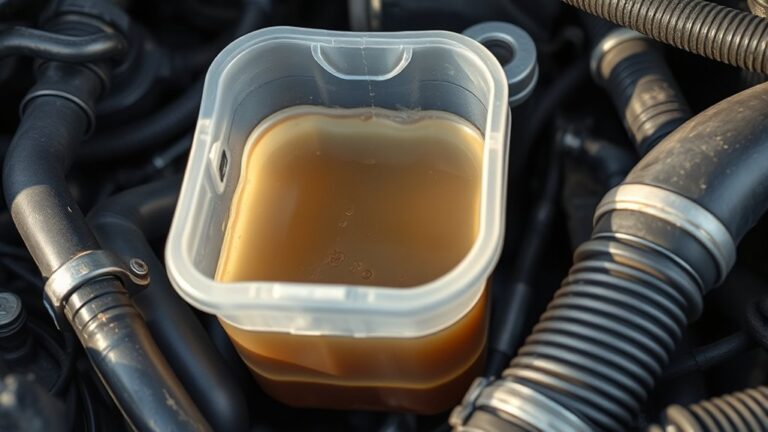
Transmission fluid color can also tell you a lot: healthy fluid is usually pink or red, but low or contaminated fluid may appear dark or murky. These strange noises often mean the fluid isn’t lubricating parts properly, leading to metal-on-metal contact.
Ignoring these sounds can cause more damage and increase repair costs. If your vehicle’s noises become louder when shifting gears or accelerating, it’s a sign that your transmission needs immediate attention.
Addressing these issues early can help prevent serious transmission failure.
Delayed Gear Shifts
When your transmission isn’t shifting smoothly or is taking longer than usual to engage gears, it might be a sign that your fluid level is low.
During city driving, you might notice sluggish gear changes at stoplights or slow acceleration. Off-road challenges can make this worse, as rough terrain puts extra strain on the transmission.
Low fluid affects hydraulic pressure, which can cause the gear shifts to be delayed or rough. You may feel a hesitation before the transmission engages or see increased RPMs without a speed increase.
These signs indicate your transmission is struggling to run efficiently. Addressing it early can prevent further damage, especially if you often drive in traffic or over rough terrain.
Checking and maintaining proper fluid levels is key to smooth, safe driving.
Transmission Fluid Leaks
Noticing signs of transmission fluid leaks is important because they often mean your transmission is running low on fluid. These leaks can start out subtle but catching them early is key to avoiding bigger problems.
Look for reddish-brown spots under your car, especially after parking. You might also smell something burnt or feel slipping gears, which can indicate low transmission fluid. If you see puddles or notice a quick drop in fluid levels, don’t wait to fix it.
Regularly checking your fluid levels can help catch leaks early and save you money. Staying aware of transmission fluid leaks keeps your transmission properly lubricated and working smoothly, which helps keep your drives safer and more reliable.
How to Check Your Transmission Fluid Level Step by Step
Checking your transmission fluid level is a simple process that helps keep your vehicle running smoothly and avoids potential damage.
Start by parking on a level surface. Then, turn your engine on and let it warm up for a few minutes. Locate the transmission dipstick, which is usually near the engine.
Pull out the dipstick, wipe it clean with a rag, and reinsert it fully. Remove it again to check the fluid level—ideally, it should be between the markings on the dipstick.
Next, look at the transmission fluid color. Healthy fluid is usually bright red. If it looks dark or burnt, that’s a sign something might be wrong.
Keep in mind that transmission fluid can evaporate over time, so regular checks are important. If the fluid level is low or the color isn’t right, your transmission might not perform at its best.
This can increase the risk of damage or costly repairs down the road. Here’s a quick guide to what you should look for:
| Transmission Fluid Appearance | Level Indicator | Emotional Impact |
|---|---|---|
| Bright red and clean | Between marks | Confidence and peace of mind |
| Dark or burnt-looking | Below marks | Anxiety about potential damage |
| Faint smell or low level | Under minimum | Urgency to get it checked and fixed |
The Right Way to Top Up Your Transmission Fluid Safely
To top up your transmission fluid safely, start by gathering the correct type and amount of fluid recommended for your vehicle. Always use the manufacturer’s specified transmission fluid to prevent damage and ensure smooth driving.
Before pouring, warm up your engine slightly for more accurate readings and easier fluid flow. Park your car on a level surface, turn off the engine, and set the parking brake.
Warm up your engine, then park on a level surface, turn off the engine, and engage the parking brake.
Check the fluid level with the dipstick, wiping it clean first. When you’re ready to add fluid, do so slowly to avoid overfilling, which can harm transmission parts. Use a funnel to prevent spills.
After topping up, recheck the level and make sure it’s within the recommended range. Remember, proper transmission maintenance is key for smooth driving and avoiding costly repairs.
Regularly monitoring and topping up your transmission fluid helps keep your vehicle running safely and efficiently.
Why Using the Correct Transmission Fluid Is Crucial
Using the right type of transmission fluid is super important to keep your transmission running smoothly. It helps ensure everything works as it should and prevents your transmission from wearing out too quickly.
If you end up using the wrong fluid, it can mess with the lubrication, which might lead to serious damage to key parts. So, it’s really essential to stick to your vehicle manufacturer’s recommendations to stay safe on the road.
Proper Lubrication Maintains Smooth Operation
Proper lubrication is crucial for maintaining the smooth operation of your transmission. Understanding lubrication essentials helps keep parts moving seamlessly and prevents excessive wear.
Using the correct transmission fluid with proper fluid viscosity is important because it helps ensure consistent flow and lubrication under varying temperatures. When the fluid viscosity is just right, your transmission shifts smoothly and reduces strain on components.
On the other hand, using fluid that’s too thick or too thin can cause irregular shifts, increased friction, and potential damage. Regularly checking and maintaining the right type and amount of fluid keeps your transmission performing well and prolongs its lifespan.
Never underestimate how important proper lubrication is. It’s the foundation for reliable, efficient driving and can help you avoid costly repairs down the line.
Incorrect Fluid Causes Damage
Choosing the wrong transmission fluid can lead to serious damage, even if it seems like a minor mistake. Using incompatible or incorrect fluid affects how your transmission operates, risking early wear and failure.
The transmission fluid color can change from bright red to brown or black, which indicates contamination or degradation. When you use the wrong fluid, it can shorten its lifespan, leading to poor lubrication and overheating.
Here’s a visual to imagine:
| Ideal Transmission Fluid | Wrong Fluid Effect | Result |
|---|---|---|
| Bright red, clear | Dull, dark brown | Increased friction and wear |
| Proper viscosity | Thinner or thicker | Erratic shifting |
| Clean, smooth flow | Contaminated | Transmission damage |
Always match your fluid to manufacturer specs to avoid costly repairs.
Common Causes of Transmission Fluid Drop
One common reason for low transmission fluid levels is leaks in the system. These leaks can happen anywhere from the transmission pan gasket to seals around the transmission cooler lines. When you see puddles under your vehicle or notice a sudden drop in fluid, leaks are probably the culprit.
Another cause could be fluid contamination, which affects the overall health of your transmission. Dirt or debris can get in through damaged seals or poor maintenance, leading to a darker, burnt-looking fluid that breaks down faster.
You can also look at the transmission fluid’s color for clues. Healthy fluid is usually bright red, while a darker or murky color suggests problems. Over time, worn seals and gaskets can cause leaks that slowly lower fluid levels.
Regular inspections and keeping an eye on the transmission fluid color can help catch these issues early. Doing so can prevent further damage and keep your transmission working smoothly.
Troubleshooting Transmission Slipping or Overheating
If your transmission is slipping or overheating, it’s usually a sign that your fluid isn’t in good shape. Start by checking the color and viscosity of your transmission fluid.
Low or dirty fluid can lead to slipping and high temperatures. If the fluid looks dark, burnt, or the viscosity feels thin or thick, these are warning signs.
| Transmission Fluid Color | Transmission Fluid Viscosity | Action |
|---|---|---|
| Bright Red | Proper viscosity | Normal, check periodically |
| Dark or Brown | Thin or thick viscosity | Replace or top off fluid |
| Murky or Smelly | Needs special attention | Flush and refill |
If you see these signs, get your fluid tested or changed. Ignoring them can cause more damage and lead to costly repairs.
Regularly inspecting your transmission fluid helps keep everything running smoothly and stops overheating or slipping from happening.
Preventing Low Transmission Fluid in Your Vehicle
To prevent low transmission fluid levels, it’s important to check and maintain your fluid regularly. Keeping an eye on the levels helps ensure smooth shifting, avoids overheating, and keeps you safe on the road.
Practicing gentle driving techniques also helps prevent fluid loss. Try to avoid aggressive acceleration and sharp turns, as these put extra strain on your transmission and can cause the fluid to leak or break down faster.
Regularly inspect the transmission fluid by checking the dipstick for proper levels and a clean appearance. If you notice leaks or a dip in fluid levels, take action quickly to prevent damage to your transmission.
Schedule routine inspections as recommended by your vehicle manufacturer. Watch out for fluid leaks under your car and follow smooth driving habits to reduce excessive wear. Also, make sure to use the correct transmission fluid type for your vehicle to keep everything running smoothly.
When to See a Mechanic for Transmission Problems
If your transmission begins shifting strangely, making odd noises, or if you spot fluid leaking underneath your car, it’s probably time to see a mechanic. These signs are usually don’t-good signs and can point to bigger problems.
Ignoring these issues can lead to more serious damage that’s harder—and more expensive—to fix later on. Plus, they could even put your safety at risk. So, when you notice any of these warning signs, it’s best to get it checked out sooner rather than later.
Persistent Shifting Issues
- Noticeable delay when shifting gears.
- Transmission slips or jerks unexpectedly.
- You might notice an unusual smell from the transmission fluid.
- Shifting can feel inconsistent or erratic at times.
Unusual Transmission Noises
Unusual noises coming from your transmission are a clear sign that something might be wrong and warrant a mechanic’s inspection. You might notice a grinding, whining, or clunking sound when shifting gears, which indicates a potential transmission noise issue.
These sounds often come from fluid contamination or low transmission fluid levels, causing internal components to struggle and produce noise. When transmission fluid is contaminated, it loses its lubricating properties, increasing the risk of gear slippage and wear.
Ignoring these noises can lead to more severe transmission damage and costly repairs. If you hear strange sounds, don’t delay—have a mechanic evaluate your transmission quickly to diagnose the problem and avoid further damage.
Addressing these signs early can save you both time and money.
Fluid Leaks Under Vehicle
Noticing fluid leaks under your vehicle is a sign you should see a mechanic about possible transmission trouble. Leaks can lower transmission fluid levels, which can hurt fuel efficiency and cause shifting problems.
If there’s a reddish or dark fluid pooling beneath your car, don’t ignore it. Low transmission fluid can lead to overheating and damage, making repairs more expensive.
Fluid leaks may also be linked to other issues, like tire pressure problems or general vehicle performance. Be alert if you notice:
- Persistent fluid pooling after parking
- Reduced fuel efficiency
- Difficulties shifting gears
- Tire pressure inconsistencies
Address leaks quickly to avoid further damage. Keeping an eye on fluid levels and getting repairs on time helps keep your vehicle safe and in good shape.
Frequently Asked Questions
Can Driving With Low Transmission Fluid Cause Long-Term Damage?
Yes, driving with low transmission fluid can cause long-term damage. It increases the risk of flooding damage to your transmission components and can lead to overheating.
Overheating might warp or burn out internal parts, which can be costly to repair. Over time, this wear and tear could even cause your transmission to fail completely.
To avoid these issues, make sure to check your transmission fluid regularly. Top it up when needed, especially during long drives or in extreme conditions.
How Often Should I Check My Transmission Fluid Level?
Think of your transmission fluid as the lifeblood of your vehicle, keeping everything flowing smoothly. You should check your transmission fluid level at least once a month, especially during routine maintenance.
Regular checks help catch fluid deterioration early, preventing damage and costly repairs. Always follow your vehicle’s manual for specific intervals.
Staying proactive with these checks guarantees your transmission stays healthy and your drive remains seamless.
What Types of Transmission Fluid Are Compatible With My Vehicle?
You should check your vehicle’s manual or compatibility charts to find which transmission fluid brands work best. Common brands include Valvoline, Castrol, and Mobil, but always verify if they match your specific vehicle model.
Using compatibility charts is really helpful to avoid mismatched fluids. This ensures better performance and helps prevent potential damage to your transmission.
Always choose a transmission fluid approved for your vehicle. Doing so keeps your transmission healthy and helps you avoid costly repairs down the road.
Are There Temporary Fixes for Low Transmission Fluid?
Yes, there are temporary fixes for low transmission fluid. You can use fluid additives designed to boost transmission performance temporarily, but they aren’t a long-term solution.
These additives can help reduce slipping or shifting issues for a short time, giving you some extra time to get your vehicle checked.
However, avoid overusing them, as they can cause more damage. The best fix is to inspect and refill your transmission fluid to the proper level as soon as possible.
How Does Low Transmission Fluid Affect Fuel Efficiency?
Did you know that low transmission fluid can reduce your fuel efficiency by up to 2%? When fluid levels drop, contamination and decreased viscosity cause slippage and make your transmission work harder.
This extra strain on the transmission means the engine has to put in more effort, which burns more fuel. Keeping your transmission fluid clean and at the right level helps ensure smooth shifting and saves you money at the pump.
Regular maintenance is key. It prevents these issues and keeps your vehicle running smoothly and efficiently.
Conclusion
Keep your transmission fluid topped up like a trusted compass guiding your car’s journey. Ignoring its whispers can turn your smooth ride into a rocky road of costly repairs. Regular checks and timely drops of fluid help your vehicle glide effortlessly, preventing dangerous slips or overheating.
Think of it as watering a delicate plant. Nurture it well, and your drive stays steady and true, carrying you safely through every mile ahead. Driving safely with low transmission fluid is all about catching problems early before they grow into bigger issues.