Why Is My Steering Wheel Suddenly Hard to Turn? Tips to Fix & Prevent
Having trouble turning your steering wheel? You’re not alone—many drivers experience this frustrating issue at some point. When steering suddenly feels stiff, it can be both inconvenient and worrying.
If your steering wheel suddenly becomes hard to turn, it could be due to low power steering fluid, a worn-out pump, a loose belt, or damaged steering components. Start by checking the fluid level and inspecting for leaks or belt issues.
Make sure your tires are properly inflated, and look for signs of worn parts. Address these issues promptly to regain smooth steering.
If problems persist, below are helpful tips to fix and prevent further trouble.
Key Takeaways
- Check and top off low power steering fluid to restore proper lubrication and assistance. This helps make steering easier and prevents damage.
- Inspect the power steering pump and belt for leaks, damage, or looseness. These issues can cause the steering to become stiff.
- Make sure steering components like tie rods and the rack are aligned, not damaged, and don’t have any play. Proper alignment is key for smooth steering.
- Verify tire pressure and condition because under-inflated tires can make steering efforts much harder.
- Regularly maintain and flush the power steering system to prevent contamination and wear on the components.
Why Is Your Steering Wheel Hard to Turn?
Have you noticed that turning your steering wheel has become more difficult than usual? This increased difficulty can be caused by several issues. One common reason is low power steering fluid, which affects its ability to lubricate and assist in steering movements.
When the fluid level drops, your steering wheel takes more effort to turn. Another cause could be a worn-out steering rack or damaged belts that power the system, making turning more strenuous. The steering components might also be misaligned or loose, creating resistance.
Tire pressure can also play a role. Under-inflated tires make steering harder because they reduce the contact patch with the road. Lastly, a faulty power steering pump can cut hydraulic pressure, increasing the effort needed to turn the wheel.
Quickly identifying the root cause helps prevent further damage and keeps your steering smooth and effortless again.
How Do You Check Power Steering Fluid?
Checking the power steering fluid is pretty simple and can help you figure out if low fluid levels are making steering harder.
Checking power steering fluid is easy and helps maintain smooth, effortless steering.
First, park your car on a level surface and turn off the engine. Open the hood and find the power steering fluid reservoir, usually marked with a cap labeled “Power Steering.”
Unscrew the cap and check the fluid level against the marks on the side of the reservoir. The fluid should be clear and have a slight reddish or greenish tint. If it’s dark or gritty, it might need to be replaced.
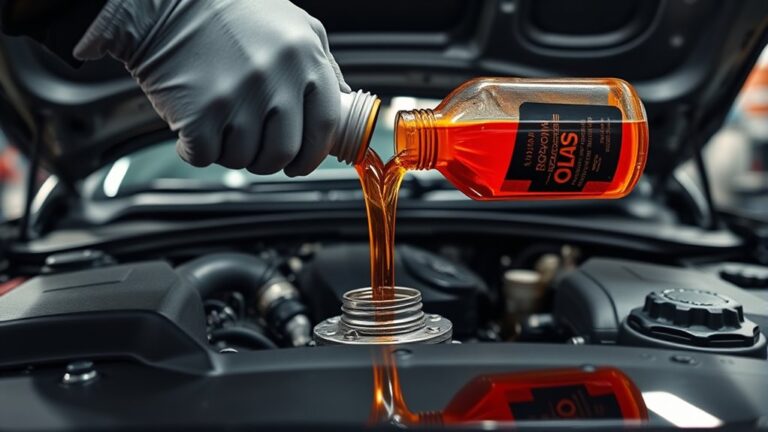
Low fluid levels can cause insufficient hydraulic pressure, making your steering stiff. If the level is low, top it off with the recommended type, which you can find in your owner’s manual.
Regularly checking and maintaining the proper power steering fluid level helps your steering gear work smoothly and keeps steering easy.
How to Inspect Your Power Steering Pump and Belt
To keep your power steering system working smoothly, it’s important to regularly check the pump and belt. Start by finding the power steering pump, which is usually driven by the engine belt.
Look for leaks, cracks, or corrosion on the pump because these can affect how it performs. Listen for any whining sounds, as that might mean the pump is starting to fail.
When inspecting the belt, check for signs of wear like fraying, cracks, or glazing. Make sure the belt has the right tension—if it’s too loose or too tight, your steering could suffer.
Spin the belt around the pulley to see if it moves freely without slipping or squealing. If you spot any issues, replace the belt quickly to avoid damaging the pump.
Regularly inspecting the pump and belt helps catch problems early. This keeps your steering responsive and makes driving safer.
Proper maintenance can save you money on repairs and prevent unsafe driving conditions.
What Are Common Steering Components to Examine?
Your steering system has several key components that work together to keep your vehicle responsive and safe to drive. When your steering wheel becomes hard to turn, it’s time to inspect these parts to find the issue.
Focus on these common components: check the steering rack and pinion for leaks or damage that can affect smooth steering. Look at the steering column for any wear or broken parts that might impact how the steering wheel moves.
Inspect the tie rods for play, bending, or wear, as these can cause stiffness or a loose feeling when driving. Also, make sure the power steering pump and hoses are functioning correctly and free of leaks because problems here can make steering effort harder.
Regularly inspecting these parts helps catch problems early and keeps your vehicle safe. If you notice any signs of wear or damage, replacing or repairing the affected components restores proper steering and keeps your driving safe.
How to Detect Power Steering Fluid Leaks
A good way to identify issues with your steering system is by checking for power steering fluid leaks. Start by inspecting the fluid under your vehicle and around the engine bay.
Look for puddles or wet spots, especially near the power steering pump, hoses, and rack. Check your fluid reservoir—if the fluid level is low without a clear reason, it might be leaking.
While doing the inspection, keep an eye out for dark, greasy stains that could be leak points. Also, examine hose connections and fittings for cracks or looseness.
A visual check combined with regular fluid level monitoring can help catch leaks early. If you notice any signs of fluid loss or find fluid on your driveway, it’s important to address it quickly.
Early detection of leaks keeps your steering system working smoothly and helps avoid costly repairs.
How to Maintain Your Steering System to Prevent Future Problems
Want to keep your steering feeling smooth and avoid any headaches down the road? One of the easiest things you can do is regularly check your power steering fluid and make sure it’s topped up if needed. It’s a simple step that can really make a difference in how your steering feels when you’re driving.
Also, don’t forget about wheel alignment. When your wheels are properly aligned, it helps prevent uneven tire wear and keeps your steering responsive. Staying on top of these little maintenance tasks can save you from bigger, more expensive repairs later on. Just a bit of regular care goes a long way!
Regular Fluid Checks
Regularly checking the power steering fluid is essential for keeping your steering system in good shape. Low fluid levels can make your steering wheel feel stiff or hard to turn, which puts extra strain on your steering components.
To prevent problems, make sure the fluid is at the recommended level and free of contaminants. Regular fluid checks also help you catch leaks early and keep your steering smooth.
Check fluid levels once a month, especially before long drives. Use the fluid type recommended by your vehicle’s manufacturer.
Inspect around the power steering pump and hoses for any leaks. If needed, top off or replace the fluid to ensure everything works at peak performance.
Wheel Alignment Maintenance
Maintaining proper wheel alignment helps keep your steering smooth and responsive.
Regularly rotating your tires ensures even wear and prevents issues that can make steering stiff. Schedule tire rotation at recommended intervals, especially if you notice odd tire wear or vibration.
Brake adjustments also play an important role in steering performance. Improperly adjusted brakes can cause drag, making the wheel hard to turn. Check brake pad wear and have a professional adjust or replace them if needed.
Routine wheel alignment checks help prevent misalignment from hitting potholes or curb impacts. By staying on top of tire rotation, brake adjustment, and alignment, you can avoid steering problems and keep your vehicle handling smoothly for the long run.
When Should You Get Professional Help?
If you notice your steering wheel becoming particularly difficult to turn despite basic troubleshooting, it’s a sign that you should seek professional help. Persistent issues could be linked to steering wheel calibration problems or unusual steering wheel noise, which indicate deeper mechanical concerns. Don’t ignore unusual stiffness or squealing sounds, as these symptoms often point to failing components needing expert attention.
A professional mechanic can accurately diagnose and address the root cause, preventing further damage. It’s especially vital if your steering feels inconsistent or if the difficulty occurs suddenly rather than gradually.
Consider professional help if you experience persistent steering wheel noise or squealing sounds. The steering feels uneven or suddenly becomes stiff despite routine maintenance.
You should also get help if you notice difficulty in properly calibrating the steering wheel or if you feel unusual vibrations or resistance while turning.
Getting help promptly ensures your safety and keeps your steering system functioning at its best.
What to Do if Your Power Steering Fluid Is Contaminated
If your steering feels heavy or you hear some strange noises when turning, it could be a sign that your power steering fluid is contaminated. It’s a good idea to take a peek at the fluid—look for dirt, debris, or if it’s dark and cloudy rather than clear.
If you do spot these signs, don’t wait too long. Flushing out the old, contaminated fluid and replacing it with fresh fluid can really help get your steering back to smooth and easy.
Signs of Fluid Contamination
Contaminated power steering fluid can cause noticeable issues with steering performance.
One clear sign is a change in fluid color—dark, cloudy, or milky fluid indicates contamination.
You might also notice a grainy texture or debris in the fluid when you check the reservoir.
Signs of contamination often include difficulty turning the wheel smoothly or needing more effort when steering.
Furthermore, squealing noises or vibrations while maneuvering can point to compromised fluid quality.
If you see any of these signs, it’s important to act quickly to prevent damage.
Regularly inspecting your power steering fluid and noting any changes can save you from costly repairs later.
Dealing with these signs early keeps your steering smooth and responsive.
Flushing and Replacing Fluid
When you notice signs of fluid contamination, like cloudy fluid or trouble steering, it’s important to act quickly. Performing a fluid flush helps remove debris and old fluid to keep your steering smooth.
Start by cleaning the reservoir thoroughly to get rid of dirt and contaminants. Next, drain the contaminated fluid and refill with fresh power steering fluid. Regular reservoir cleaning helps prevent buildup and extends your system’s lifespan.
| Step | Action |
|---|---|
| 1 | Inspect fluid condition |
| 2 | Drain contaminated fluid |
| 3 | Clean the reservoir |
| 4 | Refill with fresh fluid |
| 5 | Test steering function |
Can You Drive Safely With a Stiff Steering Wheel?
Driving with a stiff steering wheel is unsafe because it makes it harder to respond quickly to road hazards and keep control of your vehicle. When your steering feels tough, it affects how comfortably you can handle the wheel and slows down your reaction time.
You risk losing control or even causing an accident. If the steering wheel stays stiff, it’s best to avoid driving until you fix the issue. Try to stay alert and drive more cautiously by slowing down.
A stiff steering wheel can also increase stopping distances, reduce maneuverability, and raise the risk of skidding or losing control. It can also strain your arms and shoulders, making driving more tiring and dangerous.
Ignoring the problem can make it worse, leading to costly repairs or dangerous situations on the road. Always pay attention if your vehicle isn’t handling normally, and get professional help if needed.
Being quick to respond and safe behind the wheel helps keep you, your passengers, and others on the road safe.
Easy Ways to Fix a Stiff Steering Wheel at Home
Luckily, fixing a stiff steering wheel at home is often simple with a few easy steps. First, check your power steering fluid level because low fluid can make turning difficult. If it’s low, top it off with the recommended type, making sure your steering feels comfortable.
Next, inspect your belt drive. A worn or loose belt can cause steering problems. Tighten or replace the belt if needed. You might also consider upgrading your steering system with aftermarket parts to improve responsiveness and reduce stiffness.
Frequently Asked Questions
What Are Early Signs My Steering Wheel Is Becoming Difficult to Turn?
You may notice your steering wheel feels harder to turn lately, especially at low speeds. Early signs include a stiff or stiffening sensation, rough steering, or increased effort when turning.
These issues often relate to low steering fluid levels or problems with the power steering system. It’s a good idea to check the power steering fluid and look for leaks, as these can be causes of the difficulty.
Addressing these early signs can help prevent bigger steering problems down the road. If you notice any of these issues, it’s best to get it checked out sooner rather than later.
Can Temperature Changes Affect Steering Wheel Stiffness?
Think of your power steering like a rubber band. Cooler temperatures cause it to stiffen.
Temperature changes can definitely affect steering wheel stiffness because cold weather thickens the power steering fluid, making it harder to turn.
When the fluid’s temperature drops, it doesn’t flow smoothly, which increases steering effort. To keep things working smoothly, regularly check your fluid.
And consider using a fluid suitable for colder climates. That way, your steering stays responsive no matter the weather.
How Long Can I Drive With a Stiff Steering Wheel Safely?
You shouldn’t drive long with a stiff steering wheel because it signals a problem like low steering fluid or poor wheel alignment.
If the stiffness sticks around after a short drive, stop and check your steering fluid levels. Continuing to drive could cause damage to your steering components.
It’s best to get your steering fluid topped up or your wheel alignment checked quickly to keep handling safe and smooth and avoid bigger issues down the road.
Are There DIY Fixes for a Hard-To-Turn Steering Wheel?
Yes, you can try some DIY fixes for a hard-to-turn steering wheel. First, check your power steering fluid level and top it off if it’s low because a leak can make steering stiff.
Next, inspect the power steering system for leaks or damaged hoses. Tighten or replace parts as needed to help the system work better.
You might also want to clean or replace the power steering fluid filter to improve fluid flow. That can make steering smoother and easier.
What Tools Are Needed to Inspect the Steering System at Home?
Think of your steering system as a well-oiled machine catching its breath. To check it out at home, grab a flashlight, a wrench set, and a pry bar.
Check the steering fluid level and look for leaks. Make sure they’re topped off and there are no signs of dripping or pooling.
You might also spot issues with rack alignment just by looking. These tools help you find tight spots or misalignments early.
Catching problems now can save you from expensive repairs later on.
Conclusion
If your steering wheel suddenly feels stiff, don’t ignore it.
Regularly check your power steering fluid and inspect the system if you notice issues. For example, drivers might overlook fluid leaks, which can cause increased steering effort and potential damage.
Address problems early by topping up fluid, replacing worn belts, or seeking professional help. This helps keep your steering smooth and safe.
Staying proactive ensures your vehicle remains responsive. It can save you from costly repairs down the road and keep your steering wheel easy to turn.