Where Is the Expiration Date on a Car Seat? Find It Here
Finding the expiration date on your car seat can be confusing—you’re not alone in that. Many parents and caregivers struggle with locating this vital info, which is crucial for safety.
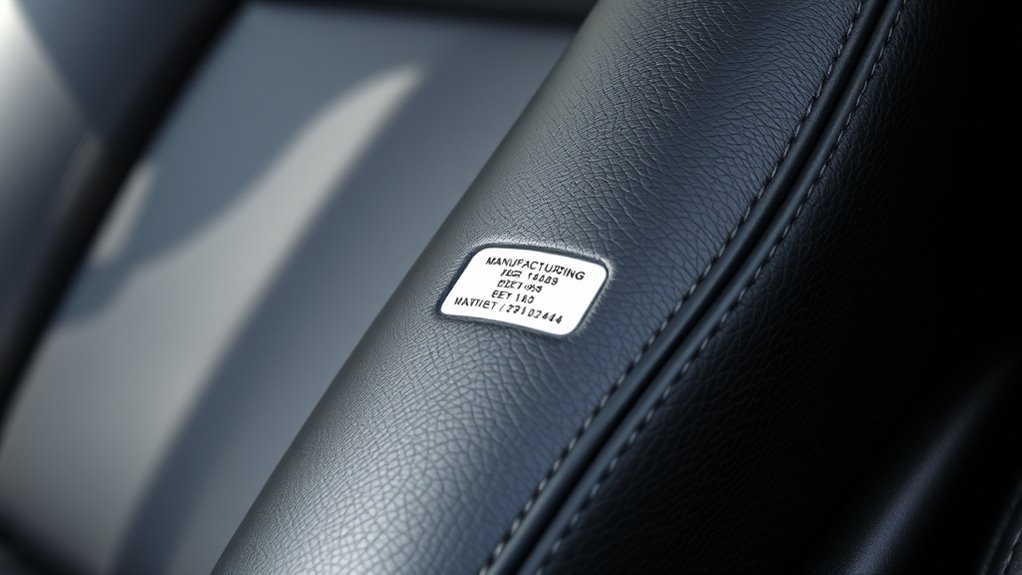
You can usually find the expiration date on your car seat molded into the plastic shell, attached to the underside, or sewn into the fabric. Check labels near the seat’s back or bottom, or look inside the seat cover. Sometimes, the date is embossed or stamped on the plastic parts.
If labels are faded or missing, contact the manufacturer with your seat’s model number. Keep going to learn more about how to locate, decode, and maintain your seat safely.
Key Takeaways
- Check the underside or back of the car seat for labels, imprints, or molded-in expiration date markings.
- Look for sewn-in labels or stickers near the seat’s model number or underneath the padding.
- Examine plastic shells and metal parts for embossed or ink-stamped expiration information.
- Use a bright light or magnifier to read faded or worn labels more clearly.
- If you’re unsure or can’t find the date, contact the manufacturer with the seat’s model number for help.
Why Checking Your Car Seat’s Expiration Date Matters

You might think a car seat lasts forever, but checking its expiration date is important because materials break down over time. The materials’ durability decreases, which can affect how well the seat protects your child in a crash.
Over the years, plastic parts can become brittle, making them more likely to break during an impact. Fabric and foam can weaken too, which reduces the seat’s overall cushioning and energy absorption.
Plastic becomes brittle, fabric weakens, reducing cushioning and energy absorption during impacts.
Color fading isn’t just about looks. It can signal that the materials are deteriorating. As the colors fade, it shows exposure to sunlight and environmental factors that can weaken the seat’s integrity.
If you ignore the expiration date, you risk using a seat with compromised materials. This increases safety hazards and reduces protection. Regularly inspecting for fading, cracks, or wear helps you know if the seat is still safe to use.
In short, paying attention to the expiration date makes sure the seat’s materials are still reliable. This way, you can be confident that your child’s seat is still effective and safe.
Where Is the Expiration Date Usually Found on a Car Seat?
Car seat expiration dates are usually marked in several common locations on the seat itself. Look for a sticker or imprint on the bottom of the seat, often near the manufacturer’s label or model number.
Some seats have the expiration date molded into the plastic shell, typically on the underside or back of the seat. You might also find the date behind the seat’s cover or on a tag sewn into the fabric.
When checking these spots, make sure the seat is clean and free of debris so you can see labels clearly. Knowing where to find this info helps with installation tips to keep your child safe.
Remember, an expired seat can compromise safety, so it’s a good idea to regularly check the expiration date. By locating this date early, you’ll be better prepared to replace the seat when needed.
This ensures your child’s protection during every trip.
How Do I Find the Expiration Date on My Car Seat?
Finding the expiration date on your car seat involves a quick check of specific areas where manufacturers usually record this information. To ensure your car seat stays safe and lasts longer, it’s important to locate this date accurately.
Check the bottom, back, or inside your car seat for the expiration date to ensure safety and longevity.
Here’s how to find it:
First, look for a label or sticker on the bottom or back of the seat. Manufacturers often print the expiration date inside the shell or on a tag attached to the harness or frame.
Next, inspect the molding or the manufacturing materials. Some seats have embossed or ink-stamped dates directly on the plastic shell or frame, showing either the manufacturing date or the expiration date.
If you can’t see the date on the seat itself, check the user manual. It may have guidance on where the expiration date is stamped or printed.
Knowing how to find this date helps you keep your car seat safe and figure out if the materials have degraded over time.
Decoding the Expiration Date: What Do the Numbers Mean?
Understanding how to interpret the numbers on your car seat’s expiration date label helps you figure out exactly when the seat expires. Usually, these numbers tell you the month and year when the seat’s manufacturing warranty or recommended usage period ends.
Car seat standards highlight that safety features can weaken over time, so knowing the expiration date is crucial for your replacement plans. For example, a label might say “EXP 08/2028,” meaning August 2028 is the expiration month.
Once you decode these numbers, you’ll know exactly when it’s time to start considering a new seat. It’s essential to follow manufacturer instructions and car seat standards because the materials can degrade even if the seat looks fine.
The expiration date helps you stick to safe replacement schedules, ensuring your child is always protected in a seat that meets current safety standards and hasn’t passed its useful life.
Can I Use a Car Seat After Its Expiration Date?
Using a car seat beyond its expiration date isn’t recommended, even if it looks fine. Over time, its durability can decline, which can compromise your child’s safety in a crash. Factors like UV exposure, fabric wear, and plastic weakening can make the seat unsafe.
Consider these points before reusing a seat:
- Structural integrity: The plastic shell can weaken, reducing crash protection.
- Unseen damage: Cracks or fraying might not be visible but can still compromise safety.
- Manufacturers’ guidelines: Expiration dates are set because seat components degrade over time, regardless of how it looks.
Using an expired car seat risks your child’s safety unnecessarily. It’s better to invest in a new seat that meets current safety standards to ensure maximum protection. When it comes to your child’s safety, never compromise—expiration dates are there for a reason.
What Are the Signs a Used Car Seat Is Still Safe?
Want to make sure a used car seat is still safe for your little one? First off, give it a good visual inspection. Look for any visible damage—cracks, broken parts, or frayed straps are definitely red flags. You want everything to look sturdy and intact.
Next, check the manufacturing date. Car seats don’t last forever, and most have a recommended lifespan. If it’s too old, it might be best to pass on it, even if it looks okay.
If everything seems good—no obvious damage and the seat isn’t past its expiration—you can feel a bit more confident about its safety. But, of course, always double-check the manufacturer’s guidelines to be sure.
Check for Visible Damage
Ever wonder how to tell if a used car seat is still safe? Checking for visible damage is a must. Look closely at the color coding on the straps and fabric—any fading or discoloration could mean wear.
Inspect the material for tears, cracks, or fraying. These signs suggest the seat may no longer provide proper protection. Also, examine the plastic shell for cracks, dents, or missing parts that could compromise safety.
Don’t forget to check the harness system. Stretching or fraying can weaken its effectiveness. Remember, even minor visible damage can be a red flag.
Being thorough helps guarantee your child’s safety, so always carefully scrutinize every part of the seat before reuse.
Verify Manufacturing Date
Wondering if a used car seat is still safe? Check the manufacturing date, usually on a label or molded into the plastic. This date helps you see where it is in its lifecycle.
Car seats typically last about six years from the manufacturing date, but always check the manufacturer’s guidelines. If it’s nearing or past that, it’s best to replace it.
Even if there’s no visible damage, an old seat might have compromised materials or safety features. Remember, age isn’t everything; safety depends on more than just how it looks.
Knowing the manufacturing date gives you a clearer picture of its age and safety status.
Troubleshooting Missing or Faded Expiration Labels
If the expiration label on your car seat has faded or isn’t there anymore, don’t stress—you can still track down the info you need. Sometimes, these labels just get a little hard to read or might be hidden in a spot you wouldn’t think to check. They could be tucked away under the padding or in a less obvious spot.
Locating Faded Labels Easily
When labels fade over time, it can be tricky to find the expiration date on your car seat. To keep your child safe and comfortable, it’s important to locate this info easily. Here are some tips:
- Check Hidden Spots: Look on the underside, back, or beneath the fabric. These spots are often hidden but still have readable info.
- Use a Bright Light or Magnifier: Shine a flashlight or use a magnifying glass to see better on worn labels.
- Scan the Frame and Seat Shell: Sometimes, the expiration info is printed directly on the plastic or metal frame, not just the fabric label.
Stay diligent. Faded labels don’t mean the seat is expired. Finding the date properly is key to keeping your child safe and comfortable.
Recognizing Alternative Markings
Sometimes, faded or missing labels make it hard to find the expiration date on a car seat.
In these cases, look for alternative markings, like embossed or stamped codes on the plastic shell, under the seat pad, or on the base.
Manufacturers often include expiration info within these markings.
You might also check for stickers or labels hidden beneath accessories or attached to replacement parts like harnesses or padding.
If you can’t find any markings, contact the manufacturer directly with your seat’s model number for guidance.
Remember, some car seat accessories or replacement parts might have different expiration timelines.
Knowing where to look beyond the standard label helps ensure your seat remains safe and in compliance with safety guidelines.
How to Keep Track of Your Car Seat’s Expiration and Maintenance
To guarantee your child’s safety, it’s essential to stay on top of your car seat’s expiration date and maintenance schedule. Keeping track ensures the seat remains safe and effective.
First, set a reminder on your phone or calendar for the expiration date. Regularly review your car seat’s labels for specific guidelines.
Set reminders and review labels regularly to ensure your child’s car seat remains safe and compliant.
Second, incorporate routine car seat cleaning, following manufacturer instructions to prevent wear that could compromise safety.
Finally, double-check your installation using proper installation tips. A properly secured seat is important for safety and longevity.
Keep a maintenance log in a shared location, noting cleaning dates and inspection checks. Doing so helps you stay organized and aware of when it’s time for a replacement or professional inspection.
Staying vigilant about expiration and maintenance not only keeps your child safe but also maximizes the lifespan of your car seat.
Why Do Car Seats Have Expiration Dates?
Car seats have expiration dates to help keep your child safe. Materials like plastic, foam, and adhesives break down over time, even if the seat isn’t used.
This breakdown can weaken the seat’s structure and its ability to protect during a crash. Exposure to heat, sunlight, and temperature changes speeds up this wear and tear.
Manufacturers set expiration dates based on testing and safety rules to make sure the seat works properly when it’s needed most. Using an expired seat increases the risk of failure in an accident.
As components weaken, the seat might crack or break, putting your child in danger. These dates help you know when it’s time to replace the seat, ensuring safety is always a priority.
Regularly checking the expiration date and replacing old seats is key to keeping your child protected. Following these guidelines helps ensure your child’s safety in every ride.
Tips for Ensuring Your Child’s Car Seat Is Safe and Up-to-Date
Ensuring your child’s car seat is safe and up-to-date requires regular checks and proper maintenance. Your child’s safety is your top priority, so staying vigilant helps prevent accidents. Here are some parent tips:
- Check the expiration date regularly. Most seats have a sticker or moldings that show when it’s time to replace it.
- Inspect for damage—look for cracks, frayed straps, or missing parts. If anything looks off, it’s best to replace the seat.
- Update installation techniques. Different car models may need different setups, so review your manual and make sure the seat is securely installed every time.
Frequently Asked Questions
Can the Expiration Date Be Transferred if I Buy a Used Car Seat?
No, you can’t transfer a car seat’s expiration date when buying a used seat.
Car seat safety guidelines emphasize that expiration transfer isn’t allowed because the seat’s durability and safety are compromised over time, even if unused.
If you purchase a used car seat, check the expiration date carefully and consider buying a new one to guarantee your child’s safety. Always follow manufacturer recommendations for expiration transfer and safety.
Are There Legal Requirements Regarding Car Seat Expiration Dates?
Yes, there are legal requirements regarding car seat expiration dates because child safety is a top priority.
Laws often specify that car seats should only be used within their approved lifespan, which depends on manufacturing standards and safety regulations.
You’re responsible for making sure your seat isn’t expired, as using an expired seat can be unsafe and might break the law.
Always check the expiration date to keep your child safe and ensure you’re following the rules.
Does Exposure to Sunlight or Heat Affect a Car Seat’s Expiration?
Exposure to sunlight or heat can speed up a car seat’s expiration. Sunlight can cause degradation, and heat can damage the materials, making them weaker.
If your car seat is often in direct sunlight or inside a hot car, its structure and safety features might break down faster. To help it last longer, store the seat in a cool, shaded spot when you’re not using it.
Avoid leaving your car seat in extreme temperatures, as this can shorten its lifespan and compromise safety.
How Often Should I Check My Car Seat’s Expiration Date?
You should check your car seat’s expiration date at least once a year to ensure your child’s safety and the product’s durability. Regular checks help you spot signs of wear and tear early, preventing potential accidents.
Is There a Recommended Process for Disposing of Expired Car Seats?
Yes, follow proper car seat safety and expiration guidelines when disposing of expired seats.
First, remove the harness and fabric cover to prevent reuse or theft.
Next, cut the straps and plastic parts to make the seat unusable.
Then, recycle the plastic components responsibly if possible, or dispose of them according to local regulations.
This helps ensure safety and prevents accidental reuse, aligning with the recommended expiration guidelines for car seats.
Conclusion
Knowing where to find your car seat’s expiration date guarantees you keep your child safe with up-to-date equipment.
Remember, over 80% of car seats are used beyond their recommended lifespan, which can risk safety.
Be sure to regularly check the label on your car seat, track the expiration date, and replace outdated seats promptly.
Staying vigilant helps protect your little one and gives you peace of mind every time you hit the road.
After all, a safe ride starts with a verified, current car seat and knowing where to find its expiration date.