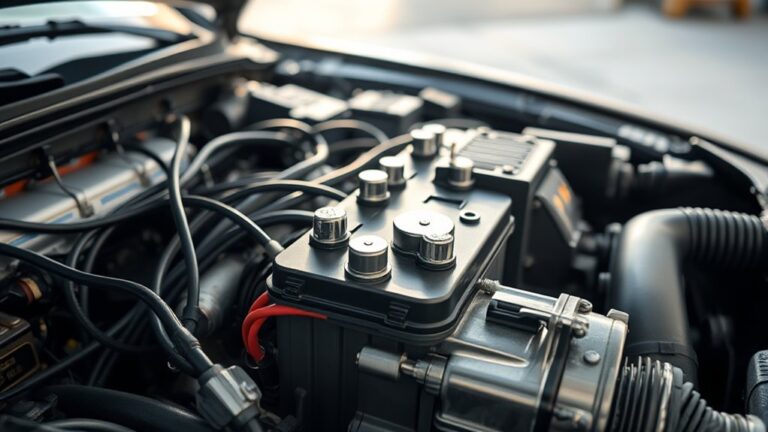
Can Spark Plugs Cause Car Not to Start? Key Signs & Fixes
Dealing with a car that just won’t start can be incredibly frustrating, especially when you’re not sure what’s going wrong. If you’ve been struggling with intermittent starts or rough engine performance, you’re not alone. Many people face issues stemming from something as simple as spark plugs.
Yes, faulty or worn spark plugs can prevent your car from starting because they fail to create the spark needed to ignite the fuel-air mixture.
Signs you might notice include misfires, rough idling, difficulty accelerating, and increased fuel use. Regularly inspecting and replacing your spark plugs can fix these issues.
If you want to learn more about diagnosing and fixing spark plug problems, keep exploring the details ahead.
Key Takeaways
Faulty or worn spark plugs can prevent proper ignition, which can make it hard to start your engine. When spark plugs aren’t working right, your car just won’t turn over properly.
Signs of a problem include engine misfires, rough idling, and trouble starting up. If your engine stalls or stalls frequently, it might be time to check the spark plugs.
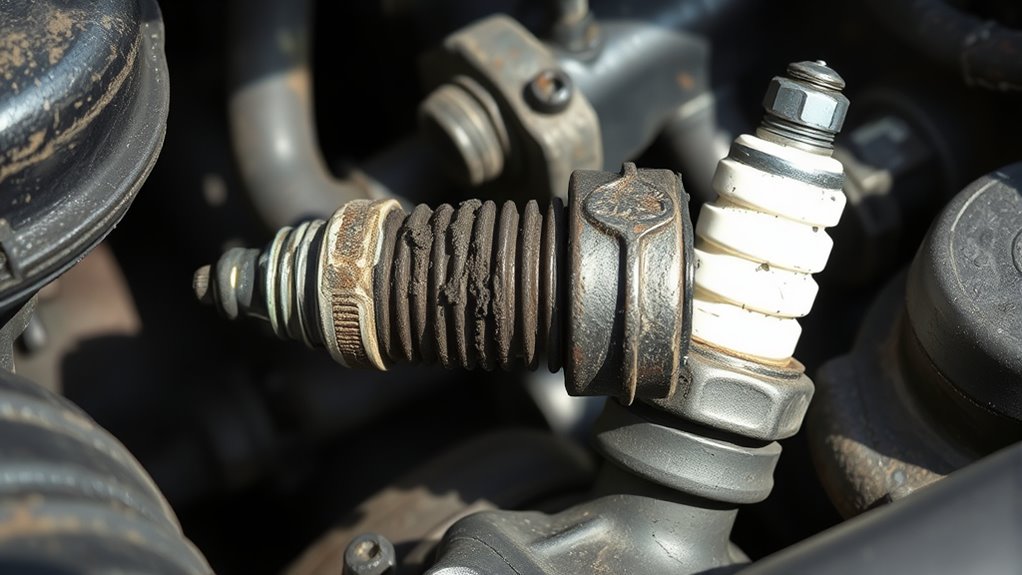
Visually inspecting your spark plugs can reveal worn electrodes, carbon buildup, or corrosion. These issues can cause the spark plugs to fail, making starting your car difficult.
Replacing old or damaged spark plugs often solves these problems and helps the engine run smoothly again. It’s a simple fix that can make a big difference.
Regular maintenance and using the correct type of spark plug for your vehicle can prevent ignition failures and starting issues down the line.
How Spark Plugs Affect Your Car’s Starting Problems
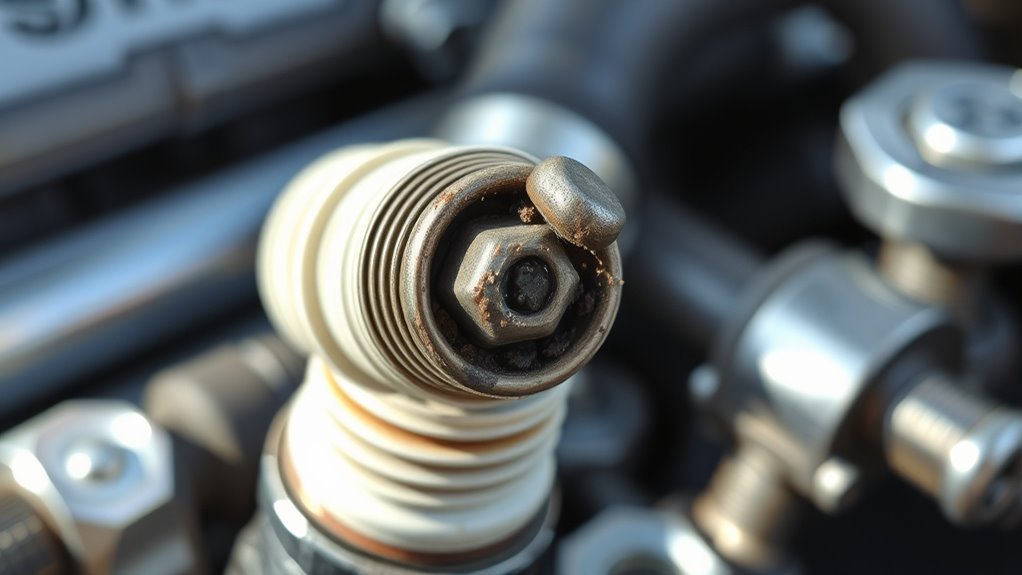
When your car struggles to start, faulty spark plugs might be the culprit. Worn or dirty spark plugs prevent proper ignition, making it hard for your engine to fire up.
Spark plug pricing varies widely depending on the brand and quality, from budget options to premium models. Cheaper plugs may save money initially but often wear out faster, leading to ongoing problems.
Choosing the right spark plugs balances cost, durability, and performance for optimal engine function.
Brand comparison shows that well-known brands typically offer more reliable performance and durability, which can save you money in the long run. When choosing spark plugs, consider your vehicle’s needs and your budget.
Investing in higher-quality plugs might result in smoother starts and better engine performance. Keep in mind that inconsistent ignition caused by faulty plugs can also lead to fuel inefficiency and increased emissions.
Signs Your Spark Plugs Are Worn or Damaged
If your engine misfires, idles roughly, or struggles to accelerate, it could be a sign that your spark plugs are worn or damaged. Worn spark plugs often cause poor combustion, leading to rough idling and reduced power. You might also notice increased fuel consumption or difficulty starting the engine.
Battery corrosion around the terminals can be a warning sign of electrical issues that affect spark plug performance. When corrosion builds up, it hampers the spark’s ability to ignite properly. Moreover, uneven tire pressure can impact your car’s overall performance and indirectly point to potential ignition issues.
Uneven grip from tires can be linked to engine inefficiency. It’s also helpful to inspect your spark plugs regularly for signs like worn electrodes, black carbon buildup, or oil deposits. If they look damaged or fouled, replacing them can restore smooth engine operation.
What Causes Spark Plug Failure? Common Reasons Explained
Spark plug failure often happens because of various factors that cause wear and damage over time. One common cause is poor fuel injection, which can create the wrong air-fuel mixture and cause carbon buildup on the spark plugs.
This buildup makes it harder for the spark to work properly and speeds up wear. Also, inconsistent battery voltage can limit the spark plug’s ability to produce a strong, reliable spark. Low voltage can lead to weak sparks, misfires, and eventually damage to the electrode.
Over time, extreme temperatures and corrosive engine fumes can also damage the insulator and metal parts. Oil leaks from worn piston rings or valve seals can foul the plugs with oil, hurting performance even more.
Neglecting regular maintenance, like replacing spark plugs on time, raises the risk of failure. Poor engine management and unresolved fuel system issues can make things worse, leading to spark plug failure that makes it hard to start your car.
How to Diagnose Spark Plug Issues in Your Vehicle
Diagnosing spark plug issues starts with paying close attention to how your vehicle performs and any signs it shows. Look out for rough idling, misfires, or trouble starting, as these often point to spark plug problems.
Next, check your battery since a weak or failing one can cause starting issues that seem like spark plug trouble. Make sure your battery is fully charged and in good shape before moving on.
It’s also a good idea to look at your tires. Uneven wear or misalignment can affect vehicle stability and might indirectly impact engine performance during starting.
Then, visually inspect your spark plugs for damage, corrosion, or carbon buildup. These are signs that the ignition isn’t working properly. If you feel comfortable, remove the plugs and examine the electrodes for wear or deposits.
Putting all these steps together will help you figure out whether your spark plugs are the cause of your starting issues or if other parts of your vehicle need attention.
Step-by-Step: How to Replace Your Spark Plugs
Before you dive into replacing your spark plugs, make sure you’ve got all the tools you’ll need handy. Oh, and safety first—don’t forget to disconnect the battery to prevent any electrical mishaps. When it’s time to remove those old plugs, take it slow and follow the proper steps so you don’t accidentally hurt any engine parts. Staying careful and organized throughout the process will help everything go smoothly and make sure your replacement is a success.
Tools and Safety Measures
Wondering what tools you’ll need to replace your spark plugs safely? First, make sure your battery is well-maintained so you don’t run into starting issues. Checking your tire pressure is also important for safety during the process.
Grab a spark plug socket, ratchet wrench, and extension bar to reach those hard-to-access plugs. Safety gloves and goggles will protect you from debris and dirt as you work.
Before you begin, disconnect the negative battery terminal to prevent any electrical mishaps. Also, check your tire pressure to keep the car stable while you’re working on it.
| Tool | Safety Measure | Additional Tips |
|---|---|---|
| Spark plug socket | Wear gloves and eye protection | Maintain correct tire pressure |
| Ratchet wrench | Disconnect battery before working | Avoid working on hot engine |
| Extension bar | Work in a well-ventilated area | Keep tools organized |
| Gloves | Keep flammable materials away | Use proper torque specs |
| Goggles | Be mindful of battery cables | Check tire pressure beforehand |
Replacing Spark Plugs Properly
Once you’ve gathered your tools and taken safety precautions, it’s time to replace the spark plugs. First, locate the spark plugs and carefully disconnect the ignition wires.
Use a socket wrench to loosen and remove each spark plug, making sure to note their position. Check the new plugs’ gap to ensure they fit properly—this is important for engine performance and fuel efficiency.
Install the new plugs by hand, threading them in gently to prevent cross-threading. Tighten them securely with the socket wrench, but don’t overtighten, as that can damage the threads.
Reconnect the ignition wires, then start your engine to make sure everything runs smoothly. Properly replacing spark plugs can help restore your vehicle’s fuel efficiency and engine performance, especially if worn or old plugs were causing misfires.
When Should You See a Mechanic for Spark Plug Problems?
If your engine keeps misfiring or just doesn’t run smoothly anymore, it might be a sign that your spark plugs are acting up. Likewise, if your car’s having a hard time starting up over and over, those little spark plug problems could be the culprit.
It’s really tempting to keep driving, but don’t ignore these signs. Getting a mechanic to check it out sooner rather than later can save you from bigger issues down the road and help keep your car running nicely.
Persistent Engine Misfires
Misfiring can also lead to increased emissions and potential damage to other engine parts. While worn spark plugs are a common cause, issues with spark plug wires or coil packs might also be to blame.
It’s important to check other factors like tire alignment, as uneven wear can affect handling and performance. If misfires continue despite replacing spark plugs or if you notice irregular engine behavior, don’t wait—consult a mechanic to get it fixed before it worsens.
Difficulties Starting Vehicle
When your vehicle struggles to start, it might be a sign that your spark plugs are worn out or failing.
You could notice it’s hard to turn the key or that the engine cranks but doesn’t ignite.
In luxury interiors, the quiet start-up can make these issues less obvious, but symptoms still show up.
Poor tire pressure or uneven wear can sometimes seem like starting problems but won’t prevent the engine from igniting.
If you’ve checked these and still have trouble, it’s time to see a mechanic.
Worn spark plugs can cause misfires or rough starts, and ignoring them might lead to bigger engine issues.
Fixing the problem early keeps your vehicle running smoothly and saves you time and money.
It also helps maintain peak performance and prevents costly repairs down the line.
Maintaining Healthy Spark Plugs: Tips for Preventative Care
Have you ever considered that simple maintenance can keep your spark plugs in top shape and prevent starting issues? Regularly check and clean your spark plugs to make sure they’re free of carbon buildup and deposits.
Proper fuel injection system functioning is vital, so keep your fuel system clean and use quality fuel. This helps prevent misfiring caused by dirty injectors.
Maintaining good battery health also supports reliable ignition. A weak battery can cause poor spark production, making it harder to start your car. Check your battery terminals for corrosion and verify the charging system works correctly.
If your engine struggles to turn over or you notice rough idling, these could be signs of worn or fouled spark plugs. Many of these issues could have been avoided with preventive care.
Consistent maintenance, like replacing spark plugs at recommended intervals and checking your fuel injection and battery, keeps your ignition system running smoothly. This reduces starting problems and helps your vehicle run better.
Choosing the Right Spark Plugs for Your Car
Want to find the right spark plugs for your car? The first thing you should do is check your vehicle’s manual to see which ones are compatible with your engine. It might seem simple, but it makes a big difference.
Plus, knowing the different types—like copper, platinum, or iridium—can really help you decide what’s best for your ride. Each type offers something different in terms of performance and how long they last. Picking the right spark plugs means your car will start up reliably and run smoothly without any hiccups.
Compatibility With Engine
Choosing the right spark plugs for your car starts with understanding your engine’s specific requirements. Compatibility depends on factors like engine type, size, and design.
Using spark plugs that match your engine ensures maximum fuel efficiency and proper ignition timing, which directly impacts starting performance.
Here’s a quick reference:
| Engine Type | Recommended Spark Plug Specification |
|---|---|
| Gasoline | Correct heat range and compatible thread size |
| Diesel | Not applicable, as diesels don’t use spark plugs |
| Turbocharged | Higher heat range to handle increased temperatures |
Select plugs that are tailored to your engine for the best ignition timing, fuel efficiency, and overall reliability. Always check your owner’s manual for the exact specifications.
Types of Spark Plugs
Different types of spark plugs are designed to suit various engine needs and driving conditions, so choosing the right one for your vehicle is important. Understanding spark plug technology can help you get the best performance and efficiency.
Here are four common types:
- Copper Spark Plugs: Known for great conductivity and quick heat transfer, but they tend to have a shorter lifespan.
- Iridium Spark Plugs: Provide durability and better ignition performance, often needing less maintenance.
- Platinum Spark Plugs: Offer a good balance of longevity and affordability, ideal for everyday driving.
- Double Platinum or Silver: Designed for specialized engines, balancing environmental impact and performance.
Picking the right spark plug affects fuel efficiency, emissions, and how your engine responds. It’s key to keeping your vehicle running at its best.
Other Reasons Your Car Won’t Start: Troubleshooting Guide
Sometimes, your car won’t start even if the spark plugs are in good condition and the battery is charged. Other issues might be causing the problem.
For example, check your tire pressure. Uneven or underinflated tires can impact the vehicle’s overall performance and starting ability.
Think about your car’s interior design too. Sometimes, a loose or disconnected interior switch or sensor can prevent your car from starting.
Examine your ignition switch and fuses. A blown fuse or faulty switch can interrupt the electrical flow needed for ignition.
Also, consider the fuel system. Clogged filters or low fuel levels can stop your car from starting.
Always look for warning lights on your dashboard. If none of these steps solve the problem, it’s probably time to see a mechanic, as internal components or wiring issues could be involved.
How Much Does Spark Plug Replacement Cost?
The cost of replacing spark plugs can vary depending on your vehicle’s make and model, but generally, you can expect to pay between $100 and $300 for parts and labor. The price depends on the type of spark plugs used and how accessible they are in your engine.
Replacing spark plugs can improve your car’s fuel efficiency by ensuring optimal combustion, which helps you save gas. It also plays a role in maintaining emissions control, preventing harmful pollutants from escaping.
Here are some factors that influence the cost:
- Type of spark plugs, like standard, iridium, or platinum
- How complex your vehicle is and how easy it is to access the plugs
- Labor rates in your area
- Any additional parts or repairs needed during the replacement
Investing in this repair can restore your engine’s performance and make sure your car runs cleanly and efficiently. Keeping your spark plugs in good shape is a simple, cost-effective way to improve your vehicle’s overall health.
Frequently Asked Questions
Can Using Incorrect Spark Plugs Cause Starting Issues?
Yes, using incorrect spark plugs can cause starting issues. When spark plugs don’t match your engine, they may fail to fire properly, which puts extra stress on the ignition coil.
This can also affect your fuel injector’s performance, making it harder for the engine to start. Make sure you choose the right spark plugs for your vehicle and check your ignition coil and fuel injector to avoid starting troubles.
How Often Should Spark Plugs Be Replaced for Optimal Performance?
Timing is everything, so you should replace your spark plugs every 30,000 to 50,000 miles for peak performance. Regularly check the ignition timing and make sure the spark plug gap matches the factory specs.
Worn-out plugs can cause misfires or make it hard to start your car. If you notice worse fuel economy or rough idling, it’s probably time for new plugs.
Stay on top of maintenance, and your engine will thank you for it.
Do Weather Conditions Affect Spark Plug Performance?
Yes, weather conditions do affect spark plug performance. Climate effects like moisture, rain, and humidity can cause corrosion or fouling.
Temperature impacts also influence how well spark plugs work. In colder weather, spark plugs might have trouble igniting the fuel-air mixture because of thickened oil or frozen parts.
Hot climates can lead to faster wear on your spark plugs. Regular inspections and maintenance help ensure they perform well, no matter the weather.
Can Dirty Fuel or Low Oil Impact Spark Plug Function?
Did you know that dirty fuel can reduce engine efficiency by up to 15%? Low-quality oil or contaminated fuel can directly affect spark plug function, causing misfires or rough starts.
When fuel filters get clogged, they block proper fuel flow, which can lead to problems with your spark plugs. Poor oil quality can also cause wear on spark plugs and other engine parts.
Regularly maintaining your fuel and oil helps keep your spark plugs clean. That way, your engine starts smoothly and runs better.
Are There Specific Warning Signs Before Spark Plugs Completely Fail?
Yes, there are warning signs before spark plugs fail completely. You might notice rough idling, misfiring, or difficulty starting your car.
Sometimes, ignition timing issues or coil compatibility problems can mimic spark plug failure symptoms. If you ignore these signs, spark plugs can become damaged and lead to poor engine performance.
Regular inspections help catch early signs. This way, you can ensure your ignition timing and coil compatibility stay in good shape and prevent unexpected breakdowns.
Conclusion
Certainly! Here’s the modified text following your guidelines:
—
Ultimately, while worn or damaged spark plugs are a common reason cars won’t start, they’re just one part of the whole picture. Regular maintenance and proper troubleshooting can help you avoid costly repairs and unexpected breakdowns.
Don’t assume it’s always something complicated — often, a quick spark plug inspection or replacement does the job. Trust your vehicle’s needs and consult professionals when needed to keep your car reliable and starting smoothly every time.
In short, spark plugs can definitely cause your car not to start, but they’re usually easy to check or replace. Keeping an eye on them can save you time and money.