Why Steering Wheel Makes Noise at Low Speed & How to Fix It
Are you tired of that annoying noise every time you turn your steering wheel at low speeds? You’re not alone. Many drivers struggle with squeaks or grinding sounds that make driving less comfortable.
If your steering wheel makes noise at low speeds, it’s often due to worn or loose belts, contaminated power steering fluid, or misaligned tires. You can fix it by checking and tightening belts, topping off or replacing old fluid, and ensuring your wheels are properly aligned.
Lubricate joints and inspect components for wear. If noise persists, you might need professional help.
Keep exploring to find out how to keep your steering smooth and quiet.
Key Takeaways
Low fluid levels or contaminated power steering fluid can cause whining or squealing noises during low-speed turns. Checking and replacing the fluid can often solve this problem.
Worn or loose belts and components create friction, which can lead to noise coming from the steering wheel at low speeds. Tightening or replacing these parts usually helps fix the issue.
Dirt, debris, or lack of proper lubrication in the steering parts increase friction and make noise when you turn. Cleaning and lubricating the steering system can reduce this noise.
Wheel misalignment, uneven tires, or poor balancing can cause vibrations and squeaks in the steering system. Ensuring proper alignment and tire care can prevent these noises.
Regular inspections, timely fluid replacement, and tightening of components are key to preventing and fixing steering noise problems.
Why Does My Steering Wheel Make Noise at Low Speeds?
Have you ever noticed a squealing or grinding noise coming from your steering wheel when driving slowly? That noise can be distracting and worrying, making you wonder what’s causing it. It’s often linked to steering system issues.
To analyze the noise cause, start by checking for any loose or worn belt components. A slipping belt can create a high-pitched squeal that’s pretty noticeable. Dirt or debris on the steering column or joints may also generate noise during low-speed turns.
Check belts and clean debris to prevent squeals and noise during low-speed turns.
Furthermore, insufficient or old steering components can lead to friction, resulting in grinding sounds. A thorough noise cause analysis involves inspecting the steering assembly, including the power steering rack, joints, and belts.
Often, these sounds happen when a component is slightly misaligned or lacking lubrication, creating noise as you maneuver at lower speeds. Pinpointing the exact cause helps you make effective repairs and ensures safer driving.
How Power Steering Fluid Affects Noise and Steering Feel
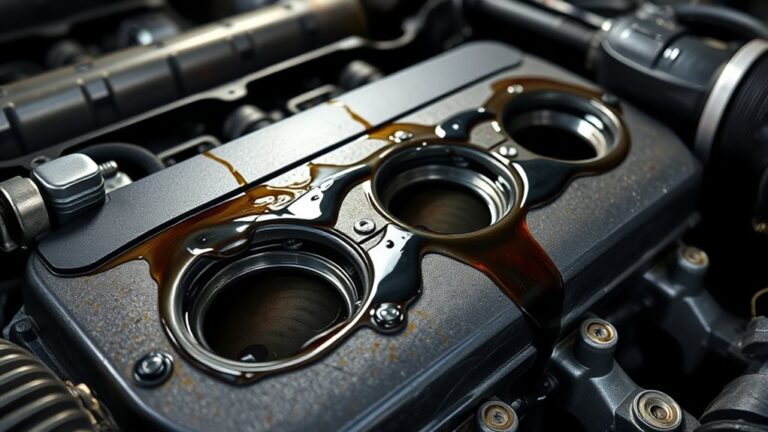
Low or dirty power steering fluid can lead to some unwanted noise and make the steering feel a bit off. When the fluid level drops or the fluid gets old and dirty, you might notice more squealing or whining sounds when you turn the wheel. Plus, the steering can become less smooth and responsive, which can be pretty frustrating.
To keep things running quietly and smoothly, it’s a good idea to keep an eye on the fluid levels and make sure the fluid is clean and fresh. Regularly checking and changing the power steering fluid can really help maintain that quiet, precise steering feel you want.
Fluid Levels and Noise
Ever wondered how the level of your power steering fluid influences noise and steering feel? If the fluid level is too low, your steering wheel may squeak or groan, especially at low speeds. Keeping the fluid at the right level helps your steering system run smoothly and reduces unnecessary noise.
When fluid levels drop, friction and wear on steering parts increase, causing distracting noises. These sounds can also be signs of potential damage. Using the correct steering lubricants keeps parts well-lubricated and quiet.
Regularly checking and topping up fluid levels can make steering more responsive and quieter. Proper fluid management is key to a smooth, noise-free driving experience.
Fluid Quality Impact
The quality of your power steering fluid greatly affects both noise levels and how smooth your steering feels. If the fluid becomes cloudy or contaminated, it can cause rough steering and more noise at low speeds.
Cloudy fluid indicates contamination or breakdown, which blocks proper lubrication. Also, the fluid’s viscosity must stay within the recommended range; low viscosity means less lubrication, leading to whining or squealing sounds.
Over time, degraded fluid may lose its ability to flow well, increasing friction and noise. Regularly check how clear the fluid is and if its viscosity is correct.
Using clean, fresh power steering fluid ensures proper hydraulic pressure. This helps reduce noise and makes steering smoother.
Keeping the fluid in good shape is key for quiet, responsive steering.
Steering Response Changes
When your power steering fluid isn’t at the right level or is compromised, it directly affects how your steering responds and the noise you might hear. Low or poor-quality fluid can make your steering feel less precise and reduce your driving comfort. Here’s what that means for you:
- Delayed response: Your steering may feel sluggish or unresponsive, making turns feel awkward.
- Heavy feel: If the fluid is low or contaminated, it increases resistance and requires more effort at the wheel.
- Vague steering: Inconsistent feedback from the steering reduces your confidence and control.
- Increased noise: Bad fluid can cause whining or squealing sounds at low speeds, distracting you while you drive.
Keeping your steering fluid at the proper level and in good condition helps your steering stay responsive and smooth, making your driving experience better.
Signs of Worn or Loose Power Steering Belts
Worn or loose power steering belts often show clear signs that something’s off. You might feel vibrations in the steering wheel, especially at low speeds, which suggests the belt isn’t engaging properly. These vibrations can feel uneven or jerky, making steering less smooth.
You might also hear a squealing noise when you turn the wheel, especially during tight turns. This is a sign the belt could be slipping. Additionally, steering may become harder or feel stiffer because the power steering depends on the belt to work properly.
If the belt is loose or worn, it won’t turn the power steering pump effectively, which can reduce steering assistance. Regularly check for cracks, fraying, or looseness—these are early signs of trouble. If you notice any of these signs, replacing or tightening the belt can restore smooth steering and help avoid more damage.
Could My Steering Rack Be Causing the Noise?
Could your steering rack be the source of the noise at low speeds? Yes, the steering rack plays a key role in steering, and issues here can cause strange sounds during slow turns.
Steering rack issues can cause strange noises during slow turns and parking maneuvers.
To diagnose the noise, watch out for these signs:
- Unusual clunking or knocking sounds when turning the wheel.
- A stiff or difficult steering response at low speeds.
- Visible leaks or fluid around the steering rack.
- Excessive play or looseness in the steering wheel.
If you notice any of these signs, your steering rack might be causing the noise. Worn or damaged parts can produce knocking or grinding sounds, especially during tight turns or parking maneuvers.
How Worn Tires and Poor Wheel Alignment Contribute to Steering Sounds
Uneven or damaged tires and misaligned wheels can cause steering noises, especially at low speeds. Worn tires often develop uneven tread, which leads to vibrations and squeaking sounds when turning.
Poor wheel alignment causes the wheels to tilt improperly, creating abnormal contact and noise during steering. Regular tire rotation helps spread out the wear evenly, reducing noise caused by uneven tread.
Proper wheel balancing ensures weight is evenly distributed around the tire. This minimizes vibrations that can lead to steering sounds. If your tires are lopsided or worn unevenly, you might notice strange noises when turning the steering wheel.
Misaligned wheels make these problems worse by causing tires to scrub against the pavement improperly. Both issues significantly affect how your steering feels and sounds. Here’s a quick overview:
| Cause | Effect on Steering Noise |
|---|---|
| Worn Tires | Squeaks, vibrations, uneven noise |
| Poor Wheel Alignment | Scrubbing sounds, increased low-speed noise |
| Neglecting Tire Rotation | Faster wear, amplified noise |
How to Diagnose Steering Noise: Step-by-Step
Diagnosing steering noise starts by paying close attention to when and how the sound happens. Notice if the noise occurs during sharp turns, straight driving, or stopping. Check if the steering wheel vibrates or if you hear rattling in the dashboard, which can point to underlying issues.
Follow these simple steps:
Follow these simple steps to identify steering noise sources and troubleshoot issues effectively.
- Watch when the noise happens—is it at low speed, during turns, or on bumpy roads?
- Listen carefully—pay attention to whining, grinding, or squealing sounds.
- Feel for vibrations—a vibrating steering wheel often means there’s a problem with steering parts or power steering fluid.
- Check for dashboard rattling—sharp rattles could mean loose parts or worn mounts.
Figuring out when and how the noise occurs can help pinpoint whether the problem is related to vibrations, loose parts, or other system components. Being specific saves you time and guides you to better troubleshooting.
Easy Fixes for Common Steering System Problems
Many common steering system problems can be quickly fixed with simple, straightforward repairs, saving you time and money.
One cause of noise at low speeds might be related to the steering wheel design, which can sometimes lead to squeaks or rattles if components are loose or misaligned. Start by inspecting the steering column and making sure all bolts are tight.
If the noise changes with steering movement, it could mean a worn-out power steering belt or low fluid levels. Check and top off the power steering fluid according to your vehicle’s manual.
Lubricating the steering linkage and joints can also help reduce squeaks and make steering smoother.
If your steering wheel feels stiff or has too much play, replacing worn bushings or worn rack and pinion parts can fix the problem naturally.
These fixes are simple, cost-effective, and usually only need basic tools. They’re perfect for tackling common steering issues without needing professional help.
When to See a Professional for Steering Troubles
While some steering issues can be fixed with simple repairs, there are times when you should see a professional to make sure your vehicle stays safe and runs smoothly. If you notice the steering wheel making noise at low speeds, it’s a good idea to get it checked out by an expert.
Seek professional help if your steering makes noise at low speeds for safety and smooth driving.
You should see a professional if the steering wheel feels stiff or unresponsive. This could mean it needs proper lubrication.
If the noise gets worse even after trying basic adjustments, it might be a sign of poor noise insulation that needs expert attention.
You should also be concerned if you see fluid leaks or notice that your steering behaves oddly. These signs suggest there could be something more serious going on.
Even if you’ve attempted simple fixes, persistent noise is a red flag. A mechanic can diagnose hidden problems like worn-out parts that you might not see.
Getting a professional to inspect and repair your steering system helps keep your car working properly and safely. It’s always better to be safe than sorry when it comes to steering problems—they can lead to accidents if left unresolved.
Preventative Maintenance to Keep Your Steering Quiet
Regular power steering checks are a great way to catch issues early before they turn into annoying noises or steering problems. It’s a good idea to keep an eye on the fluid levels and make sure they’re topped off and clean. When the fluid is in good shape, your steering is going to stay smooth and quiet.
Don’t forget to take a quick peek at the belts and hoses too. Regular inspections can help catch leaks or worn-out parts before they cause trouble, especially at low speeds where you might notice the noise the most. Staying on top of these simple checks can save you from bigger, more expensive repairs down the road.
Regular Power Steering Checks
Have you checked your power steering system recently? Regular checks help keep your steering smooth and comfortable.
Start by inspecting the steering wheel for any looseness or loose parts that might cause noise. Then, listen for whining or squeaking sounds when turning at low speeds.
Next, examine the power steering belt for cracks or signs of wear. A slipping belt can make noise and affect steering performance.
Finally, feel for any vibrations or resistance when turning, which could point to fluid or mechanical issues.
Doing these simple checks early on can catch problems before they get worse. Regular maintenance keeps your steering quiet, responsive, and reliable—making your driving experience much better.
Proper Fluid Levels Maintenance
Maintaining proper fluid levels is key to keeping your power steering system quiet and working smoothly. Low fluid can increase friction, making your steering wheel noisy at low speeds.
Make a habit of checking the power steering fluid reservoir regularly. Top it off with the correct type if levels are low to prevent air from entering the system, which can cause squeaks and groans.
Also, ensure your tires are properly inflated. Underinflated tires put extra strain on steering components, leading to more noise and less efficient handling.
Proper tire pressure helps support smooth steering and reduces the load on your suspension.
Don’t forget about steering wheel lubrication where needed. It can really help cut down on noise and keep everything running quietly.
Basically, keeping fluid levels right and tires inflated is a quick, easy way to maintain a quiet, responsive steering system.
Timely Belt and Hose Inspection
Because worn or damaged belts and hoses can cause slack or leaks that disrupt your steering, inspecting them on time is key for quiet operation. Regular checks help prevent issues that lead to steering wheel noise at low speeds.
Here are four quick steps to keep everything in check:
- Visually examine belts for cracks, fraying, or glazing.
- Check hoses for leaks, bulges, or signs of wear.
- Confirm that belt tension is correct—too loose or tight can cause noise.
- Look for fluid leaks around hoses and connections.
Tips for Safe Driving After Fixing Steering Noises
After fixing steering noises, it’s important to review your driving habits to stay safe. Pay attention to steering wheel vibrations, especially at low speeds, as they might mean there’s still a problem. Listen carefully to your car’s sounds to catch any new issues early.
Be mindful of how road noise affects your awareness. Quieter vehicles can help you notice vibrations or sounds more quickly. Ease into driving to let the steering system settle and avoid sudden turns.
Regularly check for steering wheel vibrations, since they can signal calibration issues. Drive slowly at first to ensure everything is working smoothly and keep an eye on any unusual sensations.
Frequently Asked Questions
Can Steering Wheel Noise Indicate an Impending Steering System Failure?
Yes, steering wheel noise can be a sign of an upcoming steering system issue. If you hear squealing or grinding sounds, it could mean low steering fluid or problems with the power assist.
These noises usually happen when the system is struggling to give you smooth steering. That’s a good time to check the fluid level and inspect the components.
Fixing these signs early can help prevent bigger problems and keep your steering working reliably.
Are Aftermarket Steering Components More Prone to Making Noise?
Yes, aftermarket steering components can be more prone to making noise. They often focus on cost or performance upgrades rather than sticking to the original specs, which can lead to more noise issues.
You might notice squeaks, groans, or rattles more often with these parts. To keep noise levels down, make sure they’re installed correctly, choose quality components, and regularly check your steering system.
Opting for trusted brands can also help reduce the chances of extra noise or other problems. Overall, a little extra care can go a long way in keeping your steering quiet and smooth.
How Does Temperature Affect Steering Wheel Noise and Performance?
Temperature affects your steering wheel’s noise and performance by changing fluid viscosity and how flexible the components are.
In cold weather, thicker fluids can cause more noise and make the steering stiffer.
In hot conditions, fluids thin out, which can reduce noise but might lead to increased wear.
To keep things smooth and quiet, make sure to regularly check and replace your fluids.
Also, keep your steering components well-maintained, especially during extreme temperatures.
Can Steering Wheel Noise Be Caused by Suspension Issues?
Yes, suspension issues can cause steering wheel noise. Worn suspension parts like bushings or shocks can create vibrations that lead to noise at low speeds.
Tire imbalance can also make suspension wear worse, which can increase noise. When suspension components wear out, they can cause instability and make squeaking or knocking sounds.
Regularly inspecting your suspension and keeping your tires properly balanced can help reduce noise. It also improves steering response and makes your ride smoother.
What Impact Does Low or Dirty Brake Fluid Have on Steering Noise?
You might be surprised, but low or dirty brake fluid can actually cause steering noise. When brake fluid gets contaminated or low, it messes up the hydraulic pressure, making your steering feel less smooth and more noticeable with noise at low speeds.
Ironically, ignoring brake fluid maintenance affects how quiet your steering is. That’s why keeping the fluid clean and at the right level is so important. Regular checks and fluid replacements help keep your steering silent, responsive, and free from unnecessary noise and damage.
Conclusion
Most steering noises at low speeds are easy to spot and fix, saving you both money and hassle.
Think of it like hearing a strange sound in your car and realizing it’s just a worn belt or low fluid—common issues that are easy to address during regular maintenance.
By staying alert and taking quick action, you keep your steering system smooth and quiet.
A little preventive care today can help you avoid unexpected surprises on the road tomorrow.
Remember, when your steering wheel makes noise at low speed, it’s often something simple that can be fixed before it turns into a bigger problem.