Why Your Car’s Transmission Jerks When Changing Gears: Causes & Repair Costs Explained
Dealing with a car that jerks when shifting gears can be really frustrating. You’re not alone—many drivers face this issue and wonder what’s wrong. It’s especially annoying when you’re trying to enjoy a smooth ride.
If your car’s transmission jerks when shifting gears, it’s often due to low or dirty transmission fluid, worn internal parts, or electrical issues disrupting smooth engagement.
Over time, fluid degradation or component wear can cause hesitation, slipping, and rough shifts. Addressing these problems early can prevent costly repairs.
Regular maintenance helps keep your transmission running smoothly, and if problems persist, professional repairs might be needed. Keep going to find out how to fix and prevent this issue effectively.
Key Takeaways
- Transmission fluid issues, such as low or dirty fluid, can cause jerking during gear shifts. It’s like the transmission struggling to find the right grip.
- Worn internal components like solenoids, clutch plates, or gears lead to improper engagement and jerking. Over time, parts just wear out and don’t work smoothly.
- Electrical problems or sensor malfunctions can disrupt smooth gear changes, resulting in jerking sensations. Sometimes, a simple sensor glitch can be the culprit.
- Overheating or cooling system failure increases transmission wear and may cause gear-shifting jerks. Keeping the system cool is key to smooth shifting.
- Timely maintenance, including fluid changes and inspections, helps prevent costly repairs related to transmission jerking. Catching issues early can save you money and trouble.
Why Does My Transmission Jerk When Shifting?
If your transmission jerks when shifting, it’s usually a sign that something’s not working right. One common cause is low or dirty transmission fluid, which can mess with how well the transmission runs.
Jerking during shifting often indicates transmission issues like low or dirty fluid.
When the fluid is dark or burnt, it can’t lubricate everything properly. This leads to rough gear engagement and that jerking feeling.
The way the gears engage also matters. If it feels hesitant or uneven, it’s a sign that the transmission isn’t shifting smoothly.
Worn-out parts like solenoids or clutch plates can also cause jerking. If these components don’t work right, the transmission struggles to change gears smoothly.
Keeping an eye on your transmission fluid’s color and consistency can help prevent problems.
If you notice a sudden change in how smoothly it shifts or ongoing jerking, it’s time to get it checked by a professional.
Early Signs Your Transmission Might Be Failing
If your transmission begins making strange noises or if the shifting feels delayed or rough, it might be trying to tell you something’s up. You know that grinding or whining sound? That’s definitely a red flag. And if you see a warning light flickering on your dashboard, don’t ignore it — it’s like your car’s way of giving you a heads-up.
Paying attention to these early signs can really save you a lot of money in the long run. Catching the issue early means you can get it checked out before it turns into a big, expensive problem. So, if anything feels off with your transmission, it’s a good idea to get it looked at sooner rather than later.
Unusual Transmission Noises
Have you noticed strange noises coming from your transmission? You might hear grinding, whining, or clunking sounds, especially when shifting gears. These noises are often early signs your transmission is struggling.
Doing a transmission diagnosis can help find out what’s wrong. It can reveal issues like gear synchronization problems or worn-out parts. A whining noise might mean low transmission fluid, while grinding indicates internal damage.
Ignoring these signals could make things worse and lead to costly repairs. If you notice persistent or unusual noises when shifting, it’s best to have a mechanic inspect your transmission ASAP.
Catching problems early can save you money and stop a complete transmission failure. Stay alert—these sounds are your car’s way of telling you something’s wrong.
Delayed Gearing Shifts
Noticing that your car takes longer than usual to shift gears can be an early warning sign of transmission trouble. Delayed gear shifts may cause your fuel efficiency to drop and point to ongoing transmission issues.
You might feel hesitation or jerking when accelerating, especially during acceleration or deceleration. These symptoms suggest the transmission is having trouble engaging, possibly because of low transmission fluid, worn-out parts, or outdated components.
Upgrading your transmission or getting timely repairs can prevent further damage and improve shifting performance. Pay attention to these signs to avoid costly repairs down the line.
Warning Light Activation
Your car’s warning lights are your first alert to potential transmission problems. If the transmission warning light activates, it’s a sign that something’s wrong beneath the surface.
Pay attention to any changes in transmission fluid color—dark or burnt-smelling fluid can point to damage or overheating. You might also notice issues with shifting smoothly, like jerking or hesitation.
These signs often come before more serious problems, so catching them early is really important. Ignoring warning lights can lead to costly repairs or even complete transmission failure.
If the light comes on, check the transmission fluid level and condition, and consider scheduling a mechanic’s inspection quickly. Catching these early signs helps prevent more damage and keeps your drive smooth and safe.
How Transmission Fluid Influences Smooth Gear Shifting
Ever wonder how transmission fluid helps guarantee smooth gear shifts? It plays a key role in keeping your transmission running smoothly by lubricating moving parts, reducing friction, and preventing overheating.
When your transmission fluid is clean and at the right level, it allows for seamless and consistent gear changes. As it circulates, it absorbs heat and helps keep internal components cool, which is crucial for smooth operation.
Over time, transmission fluid can break down, get contaminated, or leak. This reduces its ability to lubricate properly, which can lead to shifting issues. That’s why regular fluid replacement is so important—it restores the fluid’s properties and helps maintain smooth gear engagement.
Ignoring proper transmission fluid levels or delaying fluid changes can cause jerky shifts, slipping, or even more serious transmission damage. Regular maintenance, including timely fluid replacement, keeps your gear shifts smooth and your transmission functioning well.
Common Mechanical Causes of Transmission Jerks
Sure! Here’s a more conversational version of the provided text:
When your transmission starts to jerk during shifts, it could be due to a few common mechanical issues. For example, worn-out clutch plates are a big culprit—they just can’t engage or disengage smoothly anymore, which causes those jerks.
Low transmission fluid is another common reason. If the fluid level drops, the transmission can’t operate properly, leading to rough or hesitant gear changes. And don’t forget about faulty sensor signals—that’s often behind the scenes but can really mess with how smoothly your transmission shifts.
Understanding these causes can really help you figure out what’s going on and get it fixed quickly before it gets worse.
Worn Clutch Plates
When clutch plates become worn, they struggle to smoothly engage and disengage, which can cause abrupt movements during gear shifts. This wear reduces the friction needed for proper operation, leading to jerky responses when changing gears.
Over time, the clutch may slip or fail to fully disengage, causing your transmission to jerk or grind. If you notice this, check your pedal adjustment—improper pedal height or free play can make clutch engagement worse.
Adjusting the clutch pedal properly can sometimes improve shifting smoothness if the wear isn’t severe. But worn clutch plates usually need replacement to restore smooth gear changes. Ignoring this can increase wear on other parts and raise repair costs. So it’s best to address worn clutch plates promptly.
Low Transmission Fluid
- Check the fluid level regularly and top it off if needed.
- Make sure the fluid is clean and free of debris.
- Replace the transmission fluid if it’s old or contaminated.
Low fluid levels can prevent the transmission from working properly and cause jerking when shifting gears.
Keeping the right fluid level and ensuring good lubrication helps make shifting smooth and avoids costly repairs later on.
Faulty Sensor Signals
Faulty sensors can send incorrect signals to your vehicle’s transmission control module, leading to jerky gear shifts. If sensors aren’t properly calibrated or if there’s signal interference, your transmission might struggle to shift smoothly. Causes include worn-out sensors or electrical noise from nearby parts.
When sensors send false data, your car might downshift or upshift at the wrong times, causing the jerkiness. Keep an eye on sensor calibration and check for signal interference issues, especially after repairs or modifications.
| Sensor Issue | Effect on Transmission |
|---|---|
| Poor sensor calibration | Inaccurate signals, rough gear changes |
| Signal interference | Disrupted communication, jerky shifting |
| Worn-out sensors | Delayed or incorrect gear engagement |
| Electrical issues | Erratic signals, inconsistent shifts |
Simple DIY Diagnosis for Transmission Jerk Problems
If your car jerks or hesitates when shifting gears, you can do a simple DIY diagnosis to figure out what’s wrong. Start by checking for obvious issues like dirty transmission fluid or debris. Here’s what you should do:
Diagnose shifting issues yourself by inspecting transmission fluid and gears for dirt, wear, or misalignment.
Transmission cleaning: Use a transmission flush or get a fluid change to clear out grime that might cause rough shifts.
Gear inspection: Carefully look at the gears for signs of wear, cracks, or misalignment that could lead to jerking.
Fluid level check: Make sure your transmission fluid is at the right level and looks clean. Low or dirty fluid can cause shifting problems.
These steps can help you identify if the issue is from contaminated fluid or worn gears. Doing basic transmission cleaning and gear inspection is simple and affordable.
If these steps don’t fix the problem, it’s a good idea to see a professional. Additional diagnosis may be needed to get to the root of the issue.
What Do Transmission Synchronizers Do?
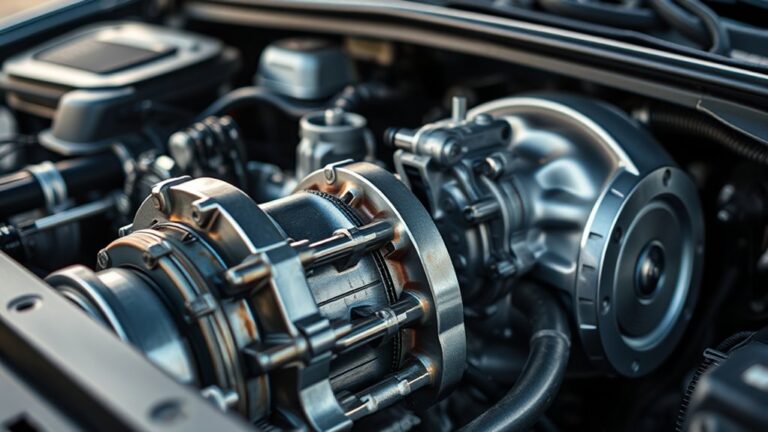
Transmission synchronizers play a crucial role in ensuring smooth gear shifts by matching the speed of the gears involved. They work by aligning the gear’s rotation with the speed of the shaft it engages with, making gear engagement seamless.
When you shift gears, synchronizers use friction components to synchronize the gear’s rotation with the transmission’s output shaft. This reduces the risk of jerking or grinding. Proper transmission lubrication is essential here, as it helps the synchronizers operate smoothly and prevents wear on the friction surfaces.
Without effective synchronization, shifting becomes rough, and your car might jerk or even slip out of gear. The synchronizer’s job is to make gear changes happen quickly and comfortably, maintaining precise control of power transmission.
Repair Options and Costs for a Jerking Transmission
When your car jerks during gear changes, addressing the issue quickly can help prevent more damage and expensive repairs. Some options include a transmission calibration, which makes sure the transmission’s sensors and computers are working together correctly. This often fixes jerk problems.
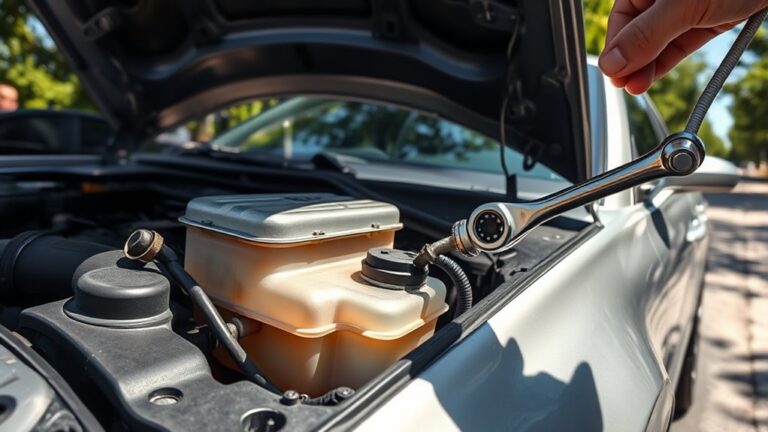
If a gear ratchet is causing the issue, replacing or adjusting it might restore smooth shifting. You might also want to consider updating the transmission fluid or doing a flush to help improve overall performance.
Costs depend on what repair is needed. Calibration usually costs between $100 and $300, making it less expensive. Replacing a gear ratchet could range from $200 to $600. Always get a diagnostic to find out the exact cause and the best fix. Acting fast can save you money and keep your transmission running smoothly.
Preventive Tips to Keep Your Transmission Running Smoothly
Regular maintenance is your best defense against transmission problems like jerking during gear shifts. One key step is ensuring your transmission fluid gets changed regularly. Fresh transmission fluid lubricates parts properly, preventing overheating and reducing wear that can cause jerking.
Regular transmission fluid changes prevent overheating and jerking during shifts.
Check your vehicle’s manual for recommended intervals and don’t delay fluid changes. It really makes a noticeable difference in smoothness. Also, pay attention to gear shift alignment because misalignment can lead to rough shifts and extra strain on your transmission.
If you notice hesitation or uneven shifting, have it inspected and realigned quickly. Keeping your transmission fluid clean and ensuring proper gear shift alignment helps maintain smooth operation and can extend your transmission’s lifespan.
Regular scheduled maintenance not only prevents jerking but also saves you money on costly repairs later. Staying proactive with these simple tips helps keep your car shifting smoothly and reliably.
When to See a Mechanic for Transmission Issues
If your car keeps jerking whenever you’re shifting gears or if you notice weird noises coming from the transmission, it’s a good idea to see a mechanic. These are often signs that something’s not quite right under the hood.
Also, keep an eye out for any transmission fluid leaks — they might seem harmless at first, but they can turn into big problems if you ignore them. The longer you wait, the more damage can happen, which usually means more expensive repairs later on.
Persistent Jerking Indications
Persistent jerking during gear shifts is a clear sign that your vehicle’s transmission may be struggling and needs professional attention. If you notice this, it’s time to see a mechanic.
Symptoms include rough shifting, hesitation, or abrupt jerks when accelerating. These issues could be caused by inadequate transmission maintenance or misaligned gears.
Putting off expert diagnosis can lead to more serious problems later. When you visit a mechanic, they’ll check the fluid levels and quality, proper gear alignment, and look for worn-out components.
Addressing these signs promptly can lead to smoother shifts and help you avoid costly repairs down the line. If you keep experiencing persistent jerking, don’t ignore it—getting your transmission checked now can save you money and keep your car running smoothly.
Unusual Transmission Noises
Unusual noises coming from your transmission are warning signs that your vehicle needs attention before minor issues turn into costly repairs.
If you hear a strange transmission noise or experience gear grinding when shifting, don’t ignore it. These sounds often indicate worn-out clutch components, low transmission fluid, or internal damage.
Gear grinding, in particular, signals that gears are not engaging smoothly, which can lead to further damage if left untreated. When you notice these noises, it’s time to see a mechanic promptly.
Addressing transmission issues early can save you money and prevent complete transmission failure. Hearing clunks, whining, or grinding noises is never normal, so don’t delay getting your transmission checked out.
Your vehicle’s health depends on timely diagnosis and repair.
Fluid Leak Signs
Have you noticed fluid spots on your driveway or a persistent puddle beneath your car? Fluid seepage is a clear sign you should see a mechanic for transmission issues. Proper leak detection can prevent further damage and costly repairs.
Look out for bright or dark fluid stains under your vehicle, a burning smell when driving, or difficulty shifting gears or slipping transmission.
If you see any of these signs, it indicates a transmission fluid leak that needs immediate attention. Leaks can cause your transmission to run without proper lubrication, leading to jerking or delayed gear changes.
Regularly check for fluid seepage to catch problems early. Addressing a leak promptly will help maintain smooth gear shifts and avoid extensive repairs down the line.
Tips to Extend Your Transmission’s Life
To help your transmission last longer, regular maintenance is essential. Schedule routine fluid changes, as clean transmission fluid lubricates components and prevents wear.
Consider transmission upgrades if your vehicle is older or if you drive a lot; these upgrades can improve durability and performance. Avoid aggressive driving habits like rapid acceleration or heavy braking, which strain your transmission and shorten its lifespan.
Keep an eye on your transmission’s shifting patterns—jerking or slipping can be early signs of trouble. Maintaining proper transmission fluid levels also boosts fuel efficiency, saving you money and reducing stress on the system.
Make sure your cooling system is working well because overheating can speed up transmission wear. Follow your manufacturer’s recommended service intervals and address any issues promptly.
Frequently Asked Questions
Can Towing Overload Cause Transmission Jerking?
Yes, towing overload can cause your transmission to jerk. When you overload, it puts extra stress on your transmission, which can lead to transmission overload.
This added stress might make it shift unevenly or jerk when changing gears. To avoid this, don’t tow more than your vehicle’s recommended capacity.
Make sure your transmission fluid is at the right level too. Regular maintenance helps your transmission handle towing stress better and keeps everything running smoothly.
Do Transmission Jerks Indicate a Complete Failure?
Did you know that about 60% of transmission issues come from low or dirty transmission fluid? When your car jerks or shifts roughly, it doesn’t always mean complete failure.
Sometimes, it’s just gear slipping or fluid problems. If you notice frequent jerking, it’s a good idea to check the transmission fluid level and quality.
Ignoring these signs can lead to bigger damage, but catching it early can help keep your transmission running smoothly.
How Often Should I Check My Transmission Fluid?
You should check your transmission fluid at least every 30,000 to 60,000 miles. Do it more often if you notice issues like fluid turning dark or gear shifting feels delayed. Regular checks help catch problems early before they get worse.
Keeping an eye on the fluid’s color and smell is important. If it looks dirty or smells burnt, it’s time to top it up or get it replaced. Be sure to follow your vehicle’s owner’s manual for the right maintenance schedule to keep your gear shifts smooth.
Can a Dirty Transmission Filter Cause Jerking?
Yes, a dirty transmission filter can cause jerking, especially if it’s clogged or filled with debris. When the filter gets blocked, it restricts the flow of transmission fluid.
This can lead to dirty fluid circulating through the system, which isn’t good for performance. When the fluid isn’t clean, it can make gear shifts rough or jerky.
Regularly checking and replacing the transmission filter, along with changing dirty fluid, helps keep everything running smoothly. It prevents rough shifting and keeps your car shifting vibe on point.
Are Transmission Jerks More Common in Manual or Automatic Cars?
Manual transmissions tend to jerk more often than automatic transmissions, especially during gear shifts. You have to control the clutch and gear changes directly, so you’re more likely to make timing errors or shift roughly.
Automatic transmissions handle gear changes smoothly without your input, which reduces jerking sensations. So if your car jerks a lot, it’s probably more common in manual cars because of that manual control.
Conclusion
If your transmission’s jerking like a knight’s steed in a jousting match, it’s time to act before the trouble worsens. Regular maintenance and quick diagnoses can save you from costly repairs — much like tending your steed before a grand adventure.
Don’t wait for a sign of more serious trouble. Be proactive and keep your ride smooth and reliable. Remember, a well-cared-for transmission guarantees you won’t be stranded in the wilderness when you least expect it.
If your transmission keeps jerking when changing gears, addressing the issue early can prevent expensive repairs and keep your car running smoothly.