Why Your Steering Wheel Turns When Braking: Causes, Inspections & Maintenance Tips
Dealing with a steering wheel that pulls when braking can be pretty frustrating. You’re not alone—many people struggle with this issue and want to find a simple solution to keep their driving smooth and safe.
If your steering wheel pulls when braking, it’s often caused by uneven brake pad wear, misaligned wheels, or worn suspension parts. Low or contaminated power steering fluid can also make steering less responsive.
You might notice uneven tire wear or vibrations during braking, indicating potential issues.
Regular inspections, proper maintenance, and timely repairs can keep your steering smooth. Keep going to learn how to identify problems early and maintain your vehicle’s safety and performance.
Key Takeaways
- Worn or damaged steering parts and misaligned suspension can cause your vehicle to pull and make the steering wheel turn when you’re braking.
- Uneven brake pad or rotor wear can lead to inconsistent braking, which pulls the steering wheel off-center.
- Improper wheel alignment and uneven tire wear also contribute to steering pull during braking.
- Low or contaminated power steering fluid makes the steering feel stiffer, affecting your response when stopping.
- Regularly inspecting your brakes, suspension, and tires helps catch problems early and keeps steering predictable and safe when braking.
Why Does Your Steering Wheel Pull When You Brake?
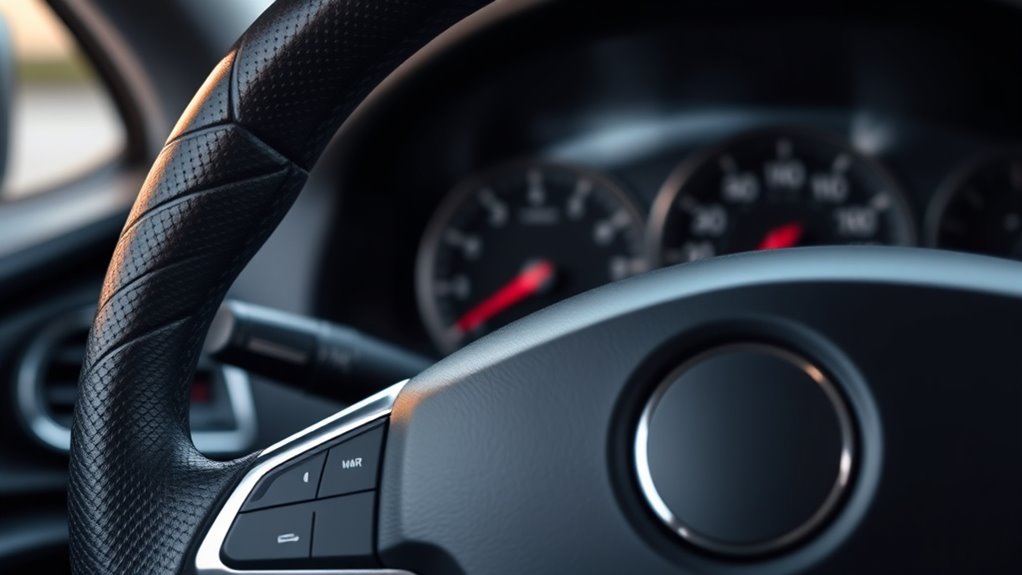
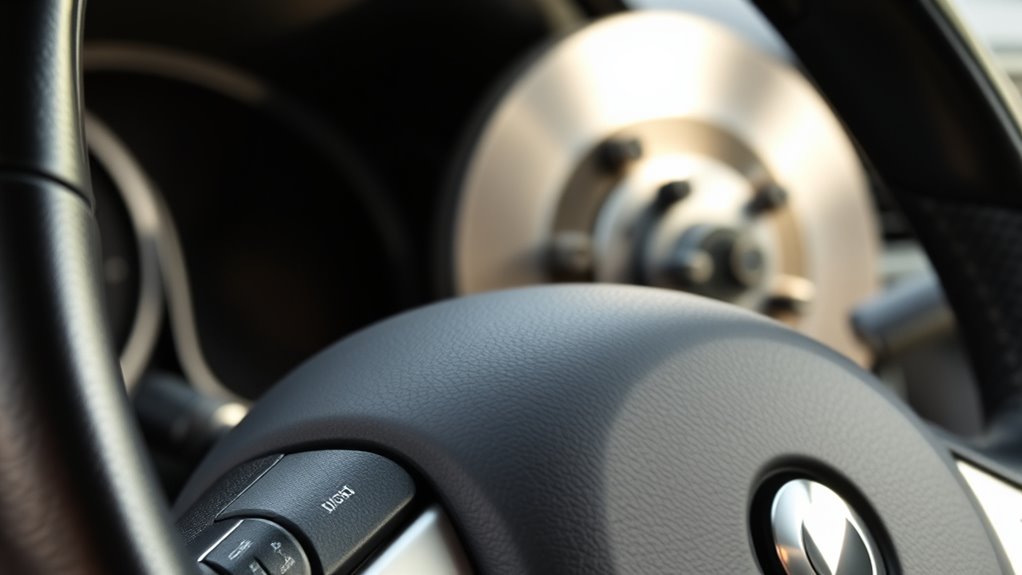
When you press the brake pedal, your steering wheel might pull to one side, which can be pretty unsettling and distracting. This usually happens because of uneven wheel alignment, making your car steer toward one direction when braking.
Issues with steering fluid can also play a part. If the fluid is low or contaminated, your steering might feel unresponsive or uneven, especially during braking. Worn suspension parts can cause misalignment, affecting how the wheels respond under pressure.
It’s a good idea to get your wheel alignment checked regularly and make sure the steering fluid is at the right level and in good shape. When these things aren’t working right, it results in uneven tire grip and steering response.
This causes your vehicle to pull unexpectedly when braking. Addressing these issues quickly helps prevent more damage and keeps your steering smooth and predictable during stopping.
Common Causes of Steering Turn During Braking
Several common issues can cause your steering to turn during braking. One major factor is improper wheel alignment, which leads to uneven tire contact and pulls the vehicle to one side when braking. If your wheels aren’t aligned correctly, you might notice the steering wheel veers in a specific direction during stops.
Improper wheel alignment can cause steering to pull during braking, leading to uneven and unsafe driving.
Another possible cause is low or contaminated steering fluid. When the fluid is insufficient or dirty, it reduces steering responsiveness and makes it harder to keep the wheel straight when you brake.
Worn-out or damaged steering components, like bushings or tie rods, can also contribute to this problem. They can make the steering feel loose or uneven during braking.
Regularly checking your steering fluid levels, inspecting wheel alignment, and maintaining steering parts can help prevent these issues. Doing so will lead to smoother, more stable braking behavior.
How Brake Wear Causes Steering Pulls
Uneven brake wear can directly cause steering pulls during braking. When brake pad degradation isn’t uniform, it creates inconsistent braking force on each wheel. This imbalance pulls your steering wheel toward one side as you brake, making driving tricky and unsafe.
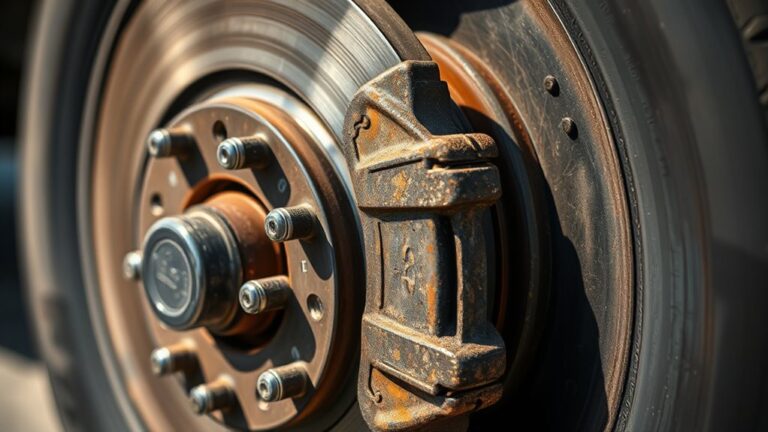
Worn brake pads can also lead to uneven contact with the rotor. That increases vibration and can contribute to a pull. Plus, if your wheel alignment is off, uneven brake wear gets worse, making steering issues more noticeable.
Misalignment can cause certain brake parts to wear faster or unevenly, which worsens steering pulls. Regularly inspecting your brake pads and keeping your wheel alignment in check helps prevent this problem.
If you notice pulling when you brake, it’s a good idea to have a mechanic check these parts. Ignoring it can affect your steering and brake performance. Addressing brake wear early makes stops smoother, safer, and your handling more stable.
Could Your Suspension Be Making Steering Worse?
Your suspension system is key to keeping your steering stable, and issues here can make steering problems worse. If your suspension is out of alignment or damaged, your steering might feel loose, imprecise, or even pull to one side when braking.
When your wheels aren’t pointing straight because of misalignment, your steering becomes less responsive. Worn or broken suspension parts like struts or shock absorbers can also cause uneven handling, especially during braking.
Additionally, steering fluid levels and quality are important for system health. Low or contaminated fluid can make steering feel stiff or delayed, adding to your steering troubles. Regular checks of alignment and fluid levels can help keep handling smooth.
If your steering feels off or worsens when you brake, these suspension issues could be to blame. Fixing them can improve control and safety while you’re on the road.
How to Spot Uneven Tire Wear and Its Impact
You can tell if your tires are wearing unevenly by looking closely at the tread. If you see areas where the tread is more worn down or bald spots, that’s a sign something might be off. These patterns usually point to alignment issues or problems with your suspension.
Ignoring these signs isn’t a good idea, because it can lead to worse handling on the road, lower safety, and sometimes even costly repairs down the line. So, it’s definitely worth checking your tires regularly and getting them looked at if you notice anything unusual.
Identifying Tire Wear Patterns
Recognizing tire wear patterns is key to diagnosing vehicle issues and staying safe on the road. Uneven wear can point to problems like misalignment or incorrect tire rotation.
Look out for these common patterns:
- Feathering – Wear along the edges with sharply angled treads, often caused by misaligned wheels.
- Cupping – Scalloped dips across the tire surface, usually a sign of suspension issues or unbalanced tires.
- Center Wear – Tread worn down in the middle, typically from over-inflation.
- Edge Wear – Wear on the outer edges, often due to under-inflation or poor wheel alignment.
Regular tire rotation and proper wheel alignment help prevent uneven wear, extend tire life, and keep your handling safe.
Consequences of Uneven Wear
Uneven tire wear can cause serious safety issues and costly repairs if you ignore it. It can mess with your vehicle’s handling, increase stopping distance, and lead to steering problems, especially when braking.
If you notice uneven wear, it’s a sign to check your tire rotation schedule and make sure your wheels are aligned properly. Skipping these checks can make the wear worse, damage your suspension, and cause you to replace tires sooner.
Regular maintenance helps spread tire wear evenly, keeping your driving safe and your tires lasting longer. Regular inspections and quick adjustments are key to preventing these problems.
Here’s a quick overview of common wear patterns and their impacts:
| Wear Pattern | Impact |
|---|---|
| Inner edge | Alignment issues, steering pull |
| Outer edge | Under-inflation, suspension problems |
| Center | Over-inflation |
| Sides | Incorrect tire rotation |
| Uniform | Proper maintenance and good alignment |
Simple Checks: Inspect Your Brake System Yourself
Want to keep your brake system in good shape? Start by giving it a quick visual check. Look for any worn or damaged brake pads and rotors—that’s a good place to spot potential issues early on.
Then, take a peek at your brake fluid level. Make sure it’s within the recommended range because low brake fluid can lead to braking problems when you need them most.
Finally, press down on your brake pedal and pay attention to how it feels. If it’s soft or spongy, that’s a sign you might want to get it checked out by a pro. Doing these simple checks can save you a lot of trouble down the line!
Visual Brake Inspection Tips
Performing a simple visual brake inspection is a practical way to catch potential issues early. Start by examining the brake pads: check the brake pad material to make sure there’s enough friction material and no uneven wear.
Next, look at the rotor surface finish. A smooth, consistent surface shows healthy rotors, while scored or grooved rotors could mean corrosion or uneven wear.
Also, examine the calipers and hardware for signs of corrosion or leakage. Don’t forget to check the brake lines for cracks or leaks.
To sum up:
- Inspect brake pad material and wear level
- Check rotor surface finish for smoothness
- Examine calipers and hardware for corrosion
- Look for cracked or leaking brake lines
These simple checks can help spot issues that might cause steering problems when braking.
Check Brake Fluid Level
After finishing your visual brake inspection, next check your brake fluid level. Making sure the fluid is proper helps your brake system work correctly, especially if you’re feeling steering issues when braking.
Find the brake fluid reservoir, usually near the firewall or on the master cylinder. Check the fluid level against the min and max marks. If it’s below the recommended level, top it off with the right type of brake fluid listed in your owner’s manual.
Be careful not to overfill since that can cause other problems. Regularly checking the fluid helps prevent air bubbles, moisture contamination, and brake fade. Keeping the brake fluid at the right level is key for responsive braking and smooth steering, reducing the chances of steering wheel turning when you brake.
Evaluate Brake Pedal Feel
Evaluating your brake pedal feel is a simple way to spot potential issues with your braking system. Pay attention to how the pedal reacts when you press it.
If it feels soft or sinks too much, it might mean there’s air in the brake lines or worn brake pads. If the pedal is hard to press or needs a lot of pressure, there could be air in the system or a problem with the master cylinder.
A spongy or inconsistent pedal might indicate brake fluid leaks or degraded brake fluid. To check, press down on the pedal and see if it sinks or feels soft.
Notice if you need to apply extra force to stop. Feel for vibrations or unusual resistance. Also, inspect for any fluid leaks around the brake components.
Regularly checking your brake pedal feel helps keep your braking performance safe and can prevent steering issues when braking.
Tips to Maintain Your Brakes and Keep Steering Smooth
Have you noticed your steering wheel turning or vibrating when you hit the brakes? Regularly maintaining your brakes can help keep your steering smooth. Start with tire rotation—this ensures even tire wear and prevents imbalances that can cause steering issues during braking.
Proper tire alignment also helps minimize vibrations. Next, check your suspension; a well-aligned suspension keeps your wheels in the correct position, reducing stress on brakes and steering parts. Keep your brake pads and rotors in good shape by inspecting them regularly and replacing worn parts quickly.
Maintaining proper fluid levels and considering brake fluid flushes can prevent sticking or weak braking performance. Combining these routine checks with attentive driving habits can extend your brake system’s life and keep your steering steady.
Consistent maintenance not only boosts safety but also ensures a smoother, more comfortable drive every time you step on the brake.
When to Take Your Car to the Mechanic for Steering and Brake Issues
You should head to the mechanic if your steering pulls to one side or feels wobbly, especially when you’re braking. These kinds of issues don’t usually fix themselves, so it’s pretty important to get them checked out sooner rather than later.
And if these problems happen often or seem to get worse quickly, don’t wait around—it’s a sign you need a professional’s advice. Also, keep an ear out for any strange sounds or strange vibrations coming from your car. Ignoring those could lead to bigger, more expensive problems down the road. So, when in doubt, it’s always better to get it inspected early!
Recognizing Warning Signs
How can you tell when steering and brake issues need professional attention? If your steering wheel pulls or turns unexpectedly when braking, that’s a sign something’s not right.
Keep an eye out for these warning signs:
- Uneven tire wear, which could mean poor steering alignment or tire imbalance.
- Vibration or wobbling in the steering wheel during braking or at certain speeds.
- Longer stopping distances even when you press the brake pedal normally.
- Difficulty keeping your vehicle driving straight, especially after changing tires.
These signs indicate underlying problems that need a mechanic’s inspection. Catching issues early helps prevent costly repairs and keeps you safe on the road.
If you notice any of these, don’t wait—schedule a visit with your mechanic.
Frequency of Issue Occurrence
Timing is key when it comes to steering and brake issues; addressing them quickly can prevent bigger problems and costly repairs.
Pay attention to how often these issues happen. Patterns can tell you if the problem is recurring or getting worse, which means it’s time to see a mechanic.
If your steering wheel occasionally turns when you’re braking, it might just be a one-time thing. But if it keeps happening, you probably have an underlying issue that needs fixing.
Regular symptoms like vibrations, noises, or inconsistent steering response are big clues that you should get your vehicle checked out.
Notice how often these problems come up. An increase in frequency usually means things are getting worse.
Don’t wait until it’s a complete failure—early signs of recurring issues can save you money and keep you safe on the road.
Urgency of Repairs Needed
Recognizing when to seek immediate repair is essential, especially if your steering wheel turns when braking. Ignoring these signs can compromise safety.
You should seek professional help if:
- You notice persistent steering wheel vibrations, which could mean tire imbalance.
- The brake pedal response feels off or you hear squealing, indicating brake system issues.
- Your driving feels more dangerous because of unstable steering.
- The steering or brake problems get worse despite routine maintenance, pointing to a serious issue.
Prompt repairs help prevent further damage, especially to braking parts or tires. Don’t delay if your steering feels unpredictable when braking. Early inspection can save you time and money while keeping you safe on the road.
Debunking Myths About Braking Problems and Steering
Many drivers believe that a steering wheel turning when braking signals a major problem, but that’s often misunderstood.
People tend to panic when they notice this, thinking it’s a sign of serious damage.
Some think that steering issues during braking automatically point to worn suspension parts or brake failure.
But usually, this is caused by normal steering torque or a slight imbalance, not a big issue.
It’s important to tell the difference between harmless steering responses and real problems.
Not every steering shift while braking means there’s a critical concern.
Believing all deviations are urgent might cause you to overlook routine maintenance or misdiagnose.
Understanding the differences helps you stay calm and avoid unnecessary repairs.
Remember, not every steering change during braking is a sign of trouble.
Getting familiar with common myths can help you assess your vehicle’s health better and know when to see a mechanic.
Regular Checkups That Keep Your Steering Safe and Responsive
Regular checkups are the best way to guarantee your steering remains safe and responsive over time. Regular inspections help catch issues like misaligned tires or low steering fluid before they get worse.
Here’s what you should focus on:
- Tire Alignment: Proper alignment keeps your tires wearing evenly and your steering precise. It also helps prevent pulling when you brake.
- Steering Fluid Level: Make sure to check and top up your steering fluid regularly. This keeps steering smooth and prevents vibrations or stiffness.
- Suspension Components: Inspect shocks, struts, and tie rods for wear, since they directly affect your steering responsiveness.
- Steering System Inspection: Look out for leaks, damaged hoses, or worn steering rack parts. These issues can impact control and safety.
Scheduling these checkups periodically keeps your steering system healthy, helping your vehicle respond accurately when you brake and reducing turning issues.
Frequently Asked Questions
Can Climate or Weather Conditions Affect Steering When Braking?
Yes, climate effects and weather impacts can influence steering when braking. Cold temperatures cause brake components to contract, which can affect smooth operation and might lead to vibrations or pulling.
Rain or snow reduce traction, making your vehicle more responsive to braking forces. Moisture can also cause rust or wear inside the brake system, affecting performance.
How Do Driving Habits Influence Steering Issues During Braking?
Your driving habits can turn your steering wheel into a rebellious finger-pointer during braking.
If you tend to brake aggressively or make sudden stops, your steering might start protesting.
Poor braking techniques, like slamming on the brakes, cause imbalance and steering issues.
Be gentle, smooth, and consistent with your braking to keep your steering wheel aligned, rather than demanding a protest at every red light.
Do Aftermarket Brake or Suspension Parts Impact Steering Behavior?
Yes, aftermarket brake pads or suspension upgrades can impact your steering behavior. Upgraded brake pads might offer better stopping power, but they can cause uneven braking if they’re not compatible with your vehicle, leading to steering pull.
Suspension upgrades change how your vehicle handles and can improve stability. However, if they’re not installed correctly, they might cause steering issues when you’re braking.
Regular inspections help ensure these parts work together smoothly for the best steering performance.
Can Wheel Alignment Alone Cause Steering Pulls When Braking?
Think of your car’s steering as a tightrope walker, balancing on precision.
Yes, wheel alignment alone can cause steering pulls when braking, especially if it’s out of sync.
Misaligned wheels lead to uneven tire wear and steering calibration issues, making your vehicle dart unexpectedly.
Keeping your alignment in check helps ensure smooth steering and minimizes pulls, so you stay balanced and in control—even when braking.
What Role Does Brake Fluid Quality Play in Steering Stability?
Brake fluid quality directly impacts steering stability by keeping the hydraulic system functioning smoothly. When the brake fluid gets old or contaminated, you might notice the brakes feel less responsive or your steering becomes harder during braking.
Regular maintenance of your hydraulic fluid is key to preventing these issues. It helps keep brake lines lubricated and responsive, ensuring better control.
If you neglect brake fluid, air bubbles or moisture can build up. This can compromise braking performance and make your steering unpredictable.
Always check and replace your brake fluid according to your vehicle’s maintenance schedule to keep everything working properly.
Conclusion
By paying attention to your car’s signals, you can catch small issues before they turn into big problems. Regular inspections and maintenance are your steering wheel’s best friends, helping it turn smoothly like a dancer in perfect sync.
Don’t ignore that subtle tug or pull—it’s your vehicle whispering, “Attention needed.” Giving your car some care keeps your steering steady and your driving safe.
When your steering wheel pulls during braking, it might be a sign of underlying problems. Staying on top of inspections helps prevent issues from worsening and keeps your steering wheel from turning unexpectedly.