Whirring Noise When Starting Car: Why It Happens and How to Solve It?
Starting your car and hearing a whirring noise can be unsettling, especially when you’re in a hurry. Many people struggle with this issue and worry about potential breakdowns or expensive repairs. If you’ve experienced this, you’re not alone.
A whirring noise when starting your car usually means there’s an issue with the starter motor, battery, or electrical system. It could be caused by worn-out gears, loose connections, or a weak battery.
If the noise persists or worsens, it might indicate a mechanical problem needing attention.
Keep an ear out for other signs like clicking or grinding. To learn more about diagnosing and fixing the problem, investigate further details inside.
Key Takeaways
- A worn or slipping starter motor often causes the whirring sound during startup.
- If the whirring persists, especially with slow or failed engine turns, it could point to electrical or mechanical issues.
- Cold starts might make the noise higher-pitched because of engine and starter interactions, but this usually gets better as the engine warms up.
- Regularly maintaining your batteries, belts, and electrical connections can help prevent these noises from happening.
- If you hear unusual or continuous noises when starting your car, it’s a good idea to get a professional inspection to avoid further damage.
What Causes a Whirring Noise When Starting Your Car?
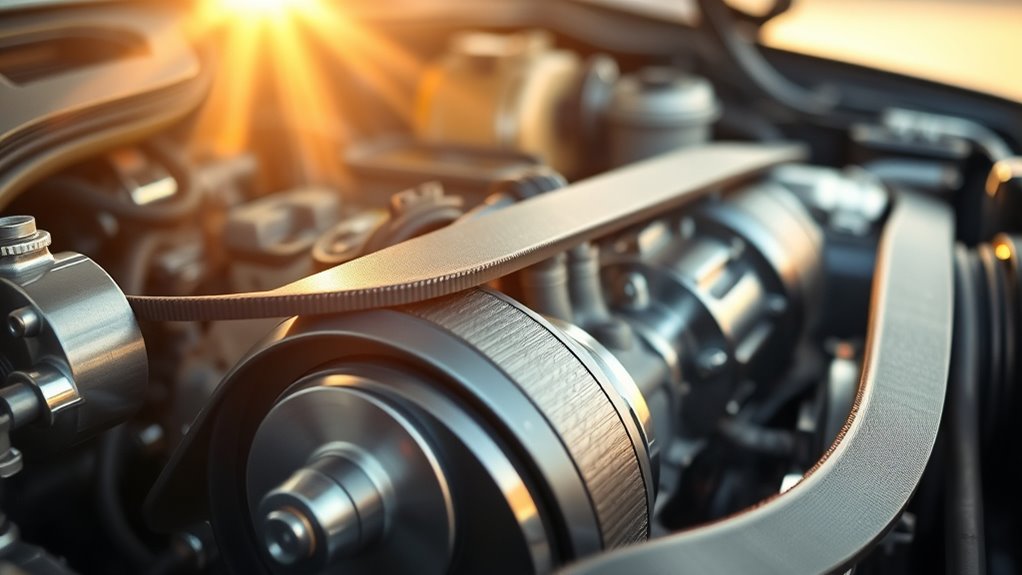
When you hear a whirring noise when starting your car, it’s often caused by the starter motor struggling to engage properly. This interior sound can be startling, especially if it’s louder than usual or different from what you’re used to.
Sometimes, the dashboard lights up with warning signs like a check engine light or battery indicator, which might hint at underlying issues. The whirring sound happens when the starter motor spins without fully engaging the engine.
This is often caused by worn-out gears or electrical problems. Dust or corrosion on the starter or battery terminals can also make it harder for the starter to engage properly, leading to that distinctive noise.
In some cases, the problem isn’t just mechanical but also related to the electrical system, causing irregular power flow. Paying attention to both the sound and dashboard alerts can help you spot if the issue needs a professional check.
Is a Whirring During Cold Starts Normal or a Sign of Trouble?
A whirring noise during cold starts is pretty common and usually normal. When the engine and starter are colder, they might take longer to engage smoothly, causing that sound.
This noise often comes from engine resonance, where parts vibrate differently when cold. It can also cause noticeable vibrations inside the cabin. These sounds happen because the engine and starter work harder to turn over in cold weather, making the noise higher-pitched and last a bit longer.
If the whirring disappears quickly once the engine warms up, there’s generally no cause for concern. However, if the noise keeps going or gets worse, especially if you notice rough idling or vibrations, it could indicate problems like a worn starter motor, loose belts, or mounting issues.
In those cases, it’s a good idea to have your vehicle checked out to rule out any potential faults. Overall, a cold start whirring caused by engine resonance and cabin vibrations is normal, but keep an eye on any changes.
How to Recognize Different Starting Noises: Whirs, Clicks, and Grinding
Recognizing different starting noises can help you catch potential issues early. A whirring sound often means the starter motor is working or there could be a problem with the remote ignition system. If you hear this when turning the key or pressing the button, it might be due to a weak battery or a faulty solenoid.
Clicks usually mean your battery doesn’t have enough power to turn the engine over. Repeated or rapid clicking suggests a dead or drained battery, while a single click might point to loose connections.
Grinding noises during startup typically involve the gears or the clutch. If you hear grinding, it’s often caused by worn-out components that may need muffler repair or other mechanical attention.
Pay attention to these sounds—they can help you spot necessary repairs before more serious damage happens.
Common Mechanical Causes of Car Starting Whirring Sounds
A common mechanical cause of a whirring sound during startup is a worn or slipping starter motor. When the starter struggles to engage properly, it can produce a consistent whirring noise. This might be related to engine cooling systems if the engine isn’t at the right temperature, which can put extra strain on the starter.
Poor tire pressure can also indirectly cause issues by affecting your vehicle’s overall performance. If your tires are underinflated, the engine has to work harder, leading to unusual startup sounds.
Additionally, a faulty or misaligned belt around the starter or alternator can slip, causing the whirring noise before the engine fully kicks in. Regular maintenance of cooling systems and keeping tire pressure in check can help prevent these mechanical problems and their sounds during startup.
Battery and Alternator Problems That Can Make Your Car Whirr at Startup
When your car whirs softly during startup, it usually points to issues with the battery or alternator. Faulty parts can cause weak electrical flow, making the noise more noticeable inside. Using an engine stethoscope can help you figure out if the sound is coming from the alternator or battery connections.
| Issue | Symptoms |
|---|---|
| Dead or weak battery | Slow or no engine start, dim lights |
| Alternator malfunction | Unusual whirring noise, frequent battery charges |
If your alternator isn’t charging properly, it’ll put extra strain on your battery, causing the whirr and starting problems. Regularly check the battery terminals and listen for strange sounds with an engine stethoscope. Quick diagnosis can help prevent breakdowns.
This keeps your interior quiet and keeps startup noises to a minimum, helping your car run smoothly.
How to Tell If Your Starter Motor Is Failing
If your car struggles to start or makes clicking sounds when you turn the key, your starter motor may be failing. You might notice a whirring noise that sounds weaker or inconsistent, showing the starter isn’t engaging properly.
Pay attention to other signs like parking sensors failing to activate or changes in exhaust noise—that could point to electrical issues linked to the starter. Sometimes, the engine might crank slowly or not at all, which suggests the starter isn’t delivering enough power.
Listen for a grinding sound, which hints at worn-out gears or a misaligned starter. If your dashboard shows warning lights or the whirring noise keeps going even after multiple tries, it’s probably time to investigate further.
Recognizing these signs early can prevent a complete breakdown and save you from costly repairs down the road.
Fuel System and Transmission Issues Linked to Startup Whirring
You might hear a whirring noise when you start up your car, and that could be linked to your fuel pump working harder than it should. It’s also possible that the noise comes from issues with your transmission—like trouble engaging gears.
A failing fuel pump or a worn-out pump belt can cause these unusual sounds, and it’s often a sign that something’s not quite right. Catching these problems early on can really save you from more costly repairs down the line. So, if you hear that whirring, it’s a good idea to get it checked out before it turns into a bigger headache.
Fuel Pump Noise
Ever wonder why your car makes a whirring noise when you start it up? That sound usually comes from the fuel pump, which creates fuel pump noise as it pressurizes the system.
When you turn on the engine, the pump kicks in to supply fuel, and this can produce a steady humming sound. Sometimes, the noise is easier to hear if the fuel pump is old or if there’s debris in the fuel tank.
The whirring can also be linked to the transmission, especially if your vehicle is in a low gear or if the clutch suddenly engages.
Most of the time, this noise isn’t a big deal. But if it’s loud or persistent, it might be a sign that the fuel pump is failing or there’s an issue with the fuel pressure.
Addressing these problems early can help prevent bigger engine or transmission issues down the road.
Transmission Gear Engagement
When your car makes a whirring noise upon startup, the problem might be related to how the transmission engages the gears. If your clutch isn’t properly adjusted, it can cause slipping or rough engagement, which leads to unusual sounds. Checking and adjusting the clutch can help ensure smooth gear engagement and get rid of that whirring noise.
Low or contaminated transmission fluid can also interfere with the transmission’s ability to shift properly. This can make the operation noisy right after startup. Regularly inspecting and replacing the transmission fluid helps keep everything lubricated and working smoothly.
If these fixes don’t solve the noise, it might be time to see a mechanic. They can check the internal components of your transmission. Usually, fixing clutch adjustment and keeping fluid levels right will stop the whirring sound related to gear engagement problems.
Pump or Pump Belt
A whining or squealing noise during startup could come from the fuel pump or its drive belt. If the pump belt is loose or worn, it might slip, causing that high-pitched sound you’re hearing.
Check the pump belt for cracks, fraying, or slack, and replace it if needed. Pulley misalignment can lead to uneven wear and noise too.
When pulleys aren’t properly aligned, the belt has to work harder, which results in squealing. Regularly inspecting the belt and making sure pulleys are aligned can prevent these issues.
If you notice persistent whirring when starting your car, consider having a mechanic check the belt tension and pulley alignment to fix the problem quickly.
Maintenance Tips to Prevent Startup Noises in Your Car
Hey, it’s a good idea to keep an eye on your battery regularly. If it’s weak or has corrosion, it can cause those odd startup noises you don’t want to hear.
Also, don’t forget about proper engine maintenance—things like regular oil changes and system checks. Staying on top of these small tasks can make a big difference and help your car start up smoothly without any weird sounds.
Regular Battery Checks
Keeping your car’s battery in top shape is key for smooth starts and avoiding that annoying whirring noise. Regular checks help prevent issues like battery corrosion and electrical wiring problems that can cause start-up delays.
Inspect your battery terminals for corrosion—white, powdery residue reduces efficiency. Make sure the cables are tightly connected and free of damage.
Keep an eye on the age of your battery; older ones are more likely to fail. Also, check the electrical wiring for any frays or loose connections.
Regularly cleaning the terminals and securing connections can really boost starting power. Acting quickly on these details can save you from costly repairs later.
Proper maintenance keeps your engine quieter and more reliable every time you start your car.
Proper Engine Maintenance
To prevent startup noises and keep your engine running smoothly, you need to prioritize proper engine maintenance. Regular engine tuning is essential; it makes sure your engine runs efficiently and reduces strain on parts that can cause noises.
Also, don’t neglect your exhaust system. A well-maintained exhaust helps cut down on leaks and rattles that might cause whirring sounds during startup.
Make sure to check and replace spark plugs, air filters, and fluids as your manufacturer recommends. Keeping belts and hoses in good shape also helps prevent strange noises.
Scheduling regular inspections can catch potential problems early, keeping your engine in top shape. Proper maintenance not only reduces startup noises but also extends your vehicle’s life and boosts overall performance.
When to Seek Professional Help for Car Starting Problems
If your car makes a whirring noise when starting and it keeps happening despite trying multiple times, it’s time to get professional help. Persistent noises can be signs of bigger problems, especially if you notice other issues at the same time.
Take action if you hear unusual interior sounds that mess with your driving comfort or hint at electrical trouble. Also, if your engine is hard to start or starts inconsistently, it’s worth checking out.
Address strange interior noises and irregular engine startups to prevent costly repairs and ensure safe driving.
If the noise sounds weird—like a high-pitched whir or grinding rather than a normal engine sound—that’s a red flag. And if your audio system seems to override or add to the starting sounds, it might be covering up mechanical issues.
A mechanic can identify issues like a faulty starter, worn belts, or electrical faults. Ignoring these signs could lead to costly repairs or your car breaking down. Getting professional help ensures the root cause is properly addressed, helping you restore quiet starts and keep your vehicle running smoothly.
Don’t wait if the whirring noise stays, especially if it affects your comfort or safety.
Simple Steps to Keep Your Engine Quiet During Start-Up
Keeping your engine quiet when you start it up is much easier if you stick to regular maintenance. For instance, always use the right type of oil recommended for your vehicle. This helps reduce friction and keeps things running smoothly, which means less noise.
And don’t forget about routine checks and changing your oil on time. Keeping everything in good shape not only makes your engine quieter but can also help it last longer. It’s all about staying consistent with those small maintenance tasks!
Regular Engine Maintenance
To keep your engine quiet during start-up, regularly check and replace air filters, spark plugs, and belts. A clean, well-functioning ignition system minimizes unnecessary strain, reducing start-up noise.
Pay attention to your emission systems; clogged catalysts or leaks can cause extra noise and system strain. Performing these simple steps helps your engine start quietly and reliably.
Use Proper Oil Grade
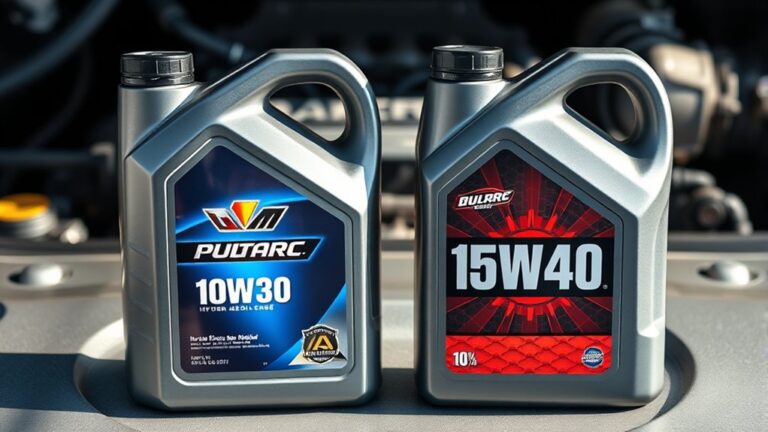
Have you ever wondered how the right oil can silence your engine during startup? Using the proper oil grade is essential because oil viscosity influences how easily oil flows through your engine.
Thick oil can cause resistance, leading to that whirring noise, especially during cold starts. To prevent this, always choose the recommended oil grade specified in your vehicle’s owner’s manual.
Regular oil changes ensure the oil remains clean and maintains the correct viscosity, preventing unnecessary noise and wear. Using an oil with the right viscosity allows for smoother lubrication, reducing startup noise and improving engine performance.
Don’t neglect your oil type or delay your oil change. Doing so helps keep your engine quiet, efficient, and in good condition for years to come.
Frequently Asked Questions
Can Ambient Temperature Affect Startup Whirring Noises?
Yes, ambient temperature affects startup whirring noises. When it’s cold, the effects of temperature make engine cooling parts like belts and pulleys stiffer, which causes more noise.
Warmer temperatures reduce the stiffness, making startup smoother and quieter. You might notice a louder whirring in cold weather, which diminishes as the engine warms up.
Understanding this can help you anticipate and address potential issues, ensuring your car runs quietly across different temperature conditions.
Do Aftermarket Car Modifications Influence Startup Sound?
Aftermarket modifications can turn your engine sound into a symphony or a ruckus. They often change airflow, exhaust, or the intake, which can impact the startup noise.
You might hear a more aggressive spin or whirling sound, kind of like a turbo’s hum. These changes can make your car sound noticeably different, and sometimes louder.
But it’s not just about the noise. These modifications can also affect how your engine responds. Keep in mind, some tweaks could even cause unexpected startup noises.
How Long Should a Typical Whirring Noise Last During Start?
A typical whirring noise during startup usually lasts just a few seconds, which is normal. It generally means the starter motor is engaging or the idle system is activating.
If the noise sticks around longer, it’s a good idea to run some checks to figure out what’s going on. Persistent sounds could point to an issue that needs attention.
To help reduce or stop the noise, start by looking for loose belts or worn-out components. Also, make sure your battery and starter are working properly.
Doing regular maintenance can keep startup sounds smooth and may prevent longer-lasting problems down the line.
Are Electric Vehicles Prone to Startup Whirring Noises?
Yes, electric vehicles are prone to startup whirring noises. When you start an EV, the electric motor kicks in, and you’ll hear a distinctive whirring sound.
You might notice this noise even if your car has sound insulation designed to reduce it. Unlike traditional engines, EVs depend on the electric motor, which naturally makes some noise.
But don’t worry—this sound is usually less intrusive thanks to soundproofing. It’s normal and just a sign that your vehicle’s motor is working properly.
Does the Age of the Vehicle Correlate With Startup Noise Frequency?
Imagine the hum of your engine as a symphony of years gone by. The older your vehicle, the more engine wear and aging batteries influence that whirring startup noise.
These signs of age cause components to work harder, producing sounds that echo with history. So yes, vehicle age correlates with startup noise frequency—your car’s way of whispering its aging story through the sound of its engine.
Conclusion
A whirring noise at startup can be your car’s way of whispering its secrets. Sometimes it’s just a gentle purr, but other times it might be a warning sign. Paying attention to these sounds and doing regular maintenance can help keep your engine running smoothly.
Think of your car like a musical instrument. With proper care, it’ll stay in tune and avoid discord. That sudden start of noise could turn into a bigger problem if left unchecked.
When it comes to the whirring noise, especially during startup, it’s often related to your car’s belt or pulley system. Regular inspections can catch issues early before they become costly repairs.
So, if you notice a strange whirring sound, don’t ignore it. Addressing it early will help prevent bigger problems down the line and keep your car humming like a well-tuned instrument.