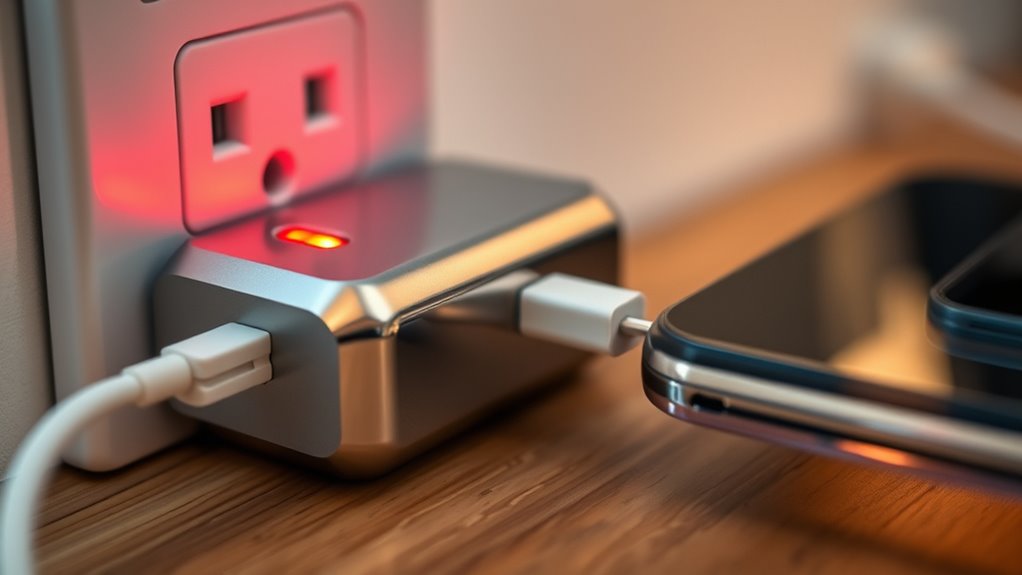
How Does a Battery Charger Work? Explained Simply
Have you ever been frustrated when your device suddenly stops working because of a dead battery? You’re not alone—many people struggle with keeping their batteries charged and healthy. Luckily, understanding how a battery charger works can make a big difference.
A battery charger works by sending controlled electrical energy into your battery, starting when it recognizes low voltage or charge. It uses a specific voltage and current to safely recharge your battery, monitoring for signs of full capacity through voltage changes and temperature.
Modern chargers have safety features like overcurrent and overheat protection. They also adjust their charging method—fast or trickle—to protect your battery. Keep exploring to understand more about how these features keep your batteries healthy and safe.
Key Takeaways
A battery charger supplies electrical energy to restore the battery’s stored power through controlled voltage and current.
It detects when the battery is low or completely depleted to start the charging process.
Chargers carefully regulate voltage and limit current to make sure the energy transfer is safe and efficient.
They keep an eye on voltage, current, and temperature to know when the battery is fully charged.
Modern chargers come with safety features like protections against overcurrent, short circuits, and reversing the polarity.
How Do Battery Chargers Start the Charging Process?
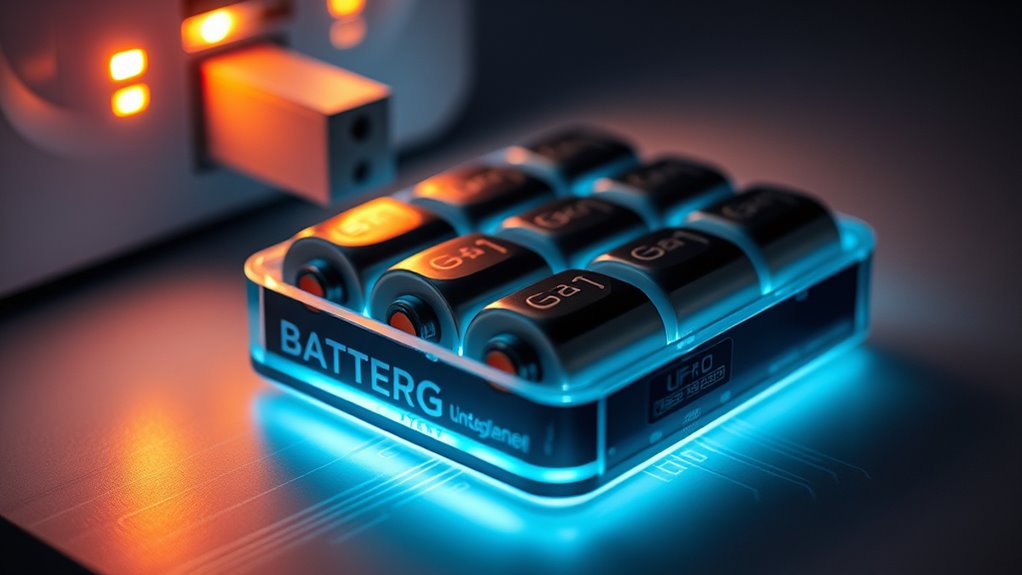
When you connect a battery charger to a power source and the battery, it quickly recognizes that the voltage is low or the charge is depleted.
This process depends a lot on knowing the chemistry of the battery, since different types react differently when charging. For example, lead-acid batteries have specific voltage limits, while lithium-ion cells need careful voltage control to avoid damage.
Understanding battery chemistry is key to safe and effective charging for different types.
The charger’s internal circuitry measures the voltage and current to figure out the battery’s level of charge. Once it detects a low voltage, it begins the charging cycle.
It ramps up the current gradually to make charging more efficient. This often involves different stages—bulk, absorption, and float—that are designed to match the battery chemistry.
By carefully managing these stages, the charger makes sure the battery gets a safe, reliable charge. This helps extend the battery’s life and keeps it performing well.
Basically, the initial detection sets the stage for a precise and effective recharge, tailored specifically to your battery’s chemistry.
What Types of Batteries Can Be Recharged?
Many common batteries are designed to be rechargeable, so you can restore their energy multiple times without replacing them. These batteries come in different types based on their chemistry, like nickel-metal hydride (NiMH), lithium-ion, and lead-acid.
Each type has unique features that influence how many charging cycles it can handle before it starts to decline. For example, lithium-ion batteries are popular in mobile devices because they support many cycles and last a long time.
NiMH and lead-acid batteries are often used in larger applications, such as vehicles or solar systems, and they can also be recharged multiple times. It’s important to use the right charger for each battery type to avoid damage and extend their lifespan.
Frequent charging can wear out batteries over time, but proper handling and maintenance help increase their usability. Knowing the chemistry of your batteries helps you choose those that are suitable for recharging and understand their expected durability.
How Do Chargers Control the Charging Current?
So, you’re wondering how chargers keep the charging current in check, right? Well, they mainly rely on voltage regulation techniques to keep the voltage steady. That way, they’re not pushing too much power into the battery at once.
At the same time, chargers use current limiting methods to control how much current actually flows into the battery. By balancing these two strategies — voltage regulation and current limiting — the charger makes sure the charging process stays safe, efficient, and avoids overcharging. It’s like a smart system that keeps everything in check!
Voltage Regulation Techniques
Have you ever wondered how a battery charger keeps the current steady during charging? Voltage regulation techniques are essential for maintaining voltage stability, ensuring the charger supplies a consistent voltage level.
This stability prevents fluctuations that could damage your battery or reduce efficiency. Chargers use components like voltage regulators and feedback circuits to monitor and adjust output voltage in real-time.
These components also help minimize ripple and smooth out electrical noise. Ripple suppression reduces unwanted voltage fluctuations that could interfere with a smooth charge.
By controlling both voltage stability and ripple, these techniques ensure your battery charges safely and efficiently. They also help prevent overcharging or undercharging.
Clear regulation keeps your battery healthy and prolongs its lifespan.
Current Limiting Methods
Voltage regulation techniques help maintain a steady charge, but controlling the current flowing into your battery is just as important. Charging circuits use several methods to limit current based on battery chemistry.
- Constant Current Mode. The charger supplies a set current, preventing overload.
- Current Regulation through Resistors. Resistors limit current flow during the initial stages.
- Pulse Charging. Short bursts of current allow better control and reduce heat.
- Smart Charging Circuits. Modern chargers adjust current based on battery chemistry, ensuring safe and efficient charging.
These methods protect the battery from damage, optimize charging speed, and extend battery life by preventing overcurrent situations. Proper current limiting is critical for safe, reliable charging.
Why Voltage Regulation Is Key During Charging
Ever wonder why maintaining a steady voltage is so important during charging? Voltage regulation keeps the voltage stable, preventing fluctuations that could harm your battery. When voltage stays consistent, your battery charges safely and efficiently.
Without proper regulation, spikes or drops in voltage can cause overcharging or undercharging, which can damage the battery’s lifespan. That’s why good power management is key. A well-designed charger adjusts the voltage output based on what the battery needs, helping protect it from stress.
Keeping the voltage steady also prevents overheating and reduces the risk of damage. It ensures the energy transfer is smooth, allowing for faster charging without compromising safety. By carefully controlling the voltage, the charger helps preserve your battery’s health over time.
Ultimately, voltage regulation isn’t just a technical detail. It’s a crucial part of safe, effective charging that keeps your device running well and extends its lifespan.
Understanding Charging Modes: Fast vs. Trickle
Understanding the different charging modes is essential to get the most out of your battery’s lifespan and performance. Fast and trickle charging serve different purposes and can affect safety and compatibility.
Fast Charging provides a high current to quickly recharge your battery, which is great when you’re in a hurry. Just keep in mind it generates more heat, so make sure your device supports fast charging to avoid damage.
Trickle Charging offers a slow, steady current to keep your battery topped off without overcharging. It’s gentler, reduces overheating risks, and helps maintain your battery’s health over the long run.
Charging Safety means using the right mode for your device and following manufacturer guidelines. Doing so reduces risks like overheating and capacity loss.
Battery Compatibility isn’t universal. Not all batteries are designed for fast charging, so always check compatibility to prevent damage.
Choosing the right mode makes charging safer and more efficient, which helps prolong your battery’s overall effectiveness.
How Do Chargers Detect When Your Battery Is Fully Charged?
How do chargers know when to stop charging your battery? They rely on signals based on battery chemistry and charger efficiency. Modern chargers monitor the battery’s voltage, current, and temperature.
As the battery reaches full capacity, its voltage stabilizes or slightly drops. This indicates that the battery is fully charged. Some chargers use advanced algorithms to interpret these signals, helping prevent overcharging.
Here’s a quick look at how different batteries signal when they’re full:
| Battery Type | Signal to Stop Charging | Effect on Charger Efficiency |
|---|---|---|
| Lithium-ion | Voltage plateau or spike | High, thanks to precise detection |
| Lead-acid | Reduced current flow | Moderate, depends on design |
| Nickel-metal hydride | Decreased voltage or temperature rise | Varies, requires careful control |
| Lithium-polymer | Voltage stabilization | Very efficient, quick detection |
This interaction helps ensure your battery stops charging at the right moment, maximizing its lifespan and charger efficiency.
Safety Features in Modern Battery Chargers
Modern battery chargers come with a range of safety features to protect both the user and the device. These features help ensure safe operation and prevent damage.
Overcurrent Protection: The charger adjusts automatically to maintain the correct current, preventing overheating or damage caused by excessive current.
Short Circuit Prevention: Built-in safeguards shut off the charger if a short circuit occurs, reducing the risk of sparks or fires.
Temperature Monitoring: Sensors detect if the charger or battery gets too hot and stop the charging process, keeping everything safe.
Reverse Polarity Protection: The charger prevents damage if batteries are inserted incorrectly, protecting both the device and the user.
These safety features are essential for safe charging. They help ensure your battery charges properly without hazards or damage.
Troubleshooting Common Charging Problems
Encountering charging issues with your battery charger can be frustrating, but many problems are straightforward to troubleshoot. First, check if the battery’s capacity suits the charger; a mismatched capacity can prevent proper charging.
If a battery is old and has gone through many charging cycles, its ability to hold a charge diminishes, leading to slower or incomplete charging. Verify the charger connections are secure and the power outlet is functional.
If the charger still isn’t working, try testing with a different cable or outlet. Sometimes, dirt or corrosion on battery terminals can interfere with charging, so clean them carefully.
Also, monitor the battery’s age and remaining charge cycles; batteries past their recommended cycles may need replacing. By addressing these common issues, you can often restore proper charging and extend the battery’s lifespan, avoiding unnecessary replacements or technical support.
Latest Innovations in Battery Charging Technology
Recent advancements in battery charging technology are changing how quickly and efficiently devices can be powered up. Wireless charging has become more popular, letting you just place your device on a pad without any cables. This removes clutter and makes charging more convenient.
Solar-powered chargers are also on the rise, harnessing solar energy to charge devices sustainably. They’re perfect for outdoor use and eco-friendly living. Here’s what’s new:
- Fast-charging protocols now enable devices to charge up to four times faster than traditional methods.
- Smart chargers automatically adjust power delivery based on your device’s needs, ensuring safer and more efficient charging.
- Wireless charging stations can support multiple devices at once, making them great for households or office spaces.
- Solar-powered chargers now come with high-efficiency solar panels and batteries, making outdoor charging more reliable and greener.
These innovations make charging more flexible, eco-conscious, and user-friendly. They align perfectly with your desire for faster, cleaner, and more convenient power solutions.
Tips to Extend Your Battery’s Lifespan During Charging
As charging technology advances with faster and more efficient options, it’s just as important to care for your device’s battery to keep it healthier longer. Proper maintenance involves simple charging tips to prevent overload and deterioration.
Try not to let your battery fully drain before charging, since deep discharges can weaken it over time. Instead, aim to keep your battery level between 20% and 80% whenever you can. Using the right charger made for your device also helps preserve battery health.
Avoid exposing your device to extreme temperatures during charging because heat speeds up battery wear. Once your device is fully charged, unplug it to prevent overcharging, which can hurt the battery’s lifespan.
Regular software updates can improve charging patterns and boost overall battery health. Following these simple guidelines will help extend your battery’s life and keep your device performing at its best for longer.
Frequently Asked Questions
Can a Battery Charger Work With Broken or Damaged Batteries?
A battery charger usually won’t work properly with broken or damaged batteries because of damage to the battery or compatibility issues.
Damaged batteries might not hold a charge or could be unsafe to charge, which could lead to further problems or hazards.
Always make sure your charger matches your battery, and don’t try to recharge batteries that are visibly damaged.
If the battery is significantly damaged, it’s safest to replace it, since charging compromised batteries can be dangerous.
How Long Does It Typically Take to Fully Charge a Battery?
You’ll usually spend 1 to 4 hours charging a battery, depending on its capacity and charging speed.
Larger batteries take longer, especially if the charger provides a slower, more gentle charge to extend lifespan.
If you’re impatient, quick chargers cut down time considerably, but they might generate more heat.
Keep in mind, a fully drained battery will take more time than a partly depleted one, so charging times vary.
Are There Chargers Specifically for Electric Vehicle Batteries?
Yes, there are chargers specifically for electric vehicle batteries. You’ll find dedicated EV charging stations at many public spots, workplaces, and homes.
These chargers come in different levels. Level 1 offers slower charging, while Level 3 or fast chargers can significantly cut down your charging time.
Using these specialized chargers helps ensure your battery charges safely and efficiently. This keeps your EV ready for your next trip.
What Is the Difference Between AC and DC Charging?
Did you know that using the right charging method can extend your electric vehicle’s battery lifespan by up to 20%?
AC charging uses alternating current and is perfect for everyday use. It’s designed for safety and delivers a gentle flow of power.
On the other hand, DC charging provides direct current. It charges faster but can generate more heat, which may impact the battery’s health.
Choosing the right method helps keep your charging safe and helps your battery last longer.
How Does Temperature Affect the Charging Process?
Temperature impacts your charging process quite a bit. When it’s too hot or cold, thermal regulation is key to avoid overheating or freezing, which can harm the battery.
Cold temperatures can lower voltage stability, making charging slower and less efficient. On the other hand, high heat can cause overheating, which is a safety risk and can lead to battery damage.
Keeping the temperature in an ideal range helps ensure a safer, more efficient charge and protects your battery’s lifespan.
Conclusion
Understanding how a battery charger works helps you make smarter choices and extend your battery’s life. Did you know that properly managed charging can boost a battery’s lifespan by up to 50%?
By choosing the right charger and following best practices, you ensure your batteries perform efficiently, safely, and last longer. Staying informed about new innovations and safety features is key.
Your devices will thank you for it. When you understand how a battery charger works, you’ll enjoy longer-lasting power whenever you need it most.