Dealing With Transmission Buzzing Noise in Park: Causes, Solutions & Prevention Tips
Many drivers worry when they hear a transmission buzzing noise in their parked car. You’re not alone—this common issue can be unsettling, but understanding its causes can help. If you’re experiencing this, don’t panic; there are steps you can take to fix it.
If your car buzzes when parked, it could be caused by mechanical issues like worn bearings, damaged gears, or low transmission fluid, or electrical problems such as faulty sensors or wiring.
To address it, check the fluid level, inspect for loose components, and listen for when the noise occurs.
Staying on top of regular maintenance can prevent this noise from happening in the first place. Regular checks can help catch problems early, saving you time and money.
For detailed causes, solutions, and prevention tips, keep exploring to protect your transmission.
Key Takeaways
- Check your transmission fluid levels and condition. Low or dirty fluid can cause that buzzing noise when you’re parked.
- Inspect electrical wiring, sensors, and connectors for any damage or interference that could be affecting the transmission control modules.
- Take a close look at mechanical parts like bearings and gear synchronizers. Wear or damage there can lead to vibrations that cause noise.
- Make sure the transmission mounts and linkages are secure. Loose parts often create noise, especially when the vehicle is stationary.
- If the buzzing keeps going or you notice slipping or vibrations, it’s best to get a professional diagnosis to pinpoint the problem.
What Causes Transmission Buzzing When Your Car Is Parked?
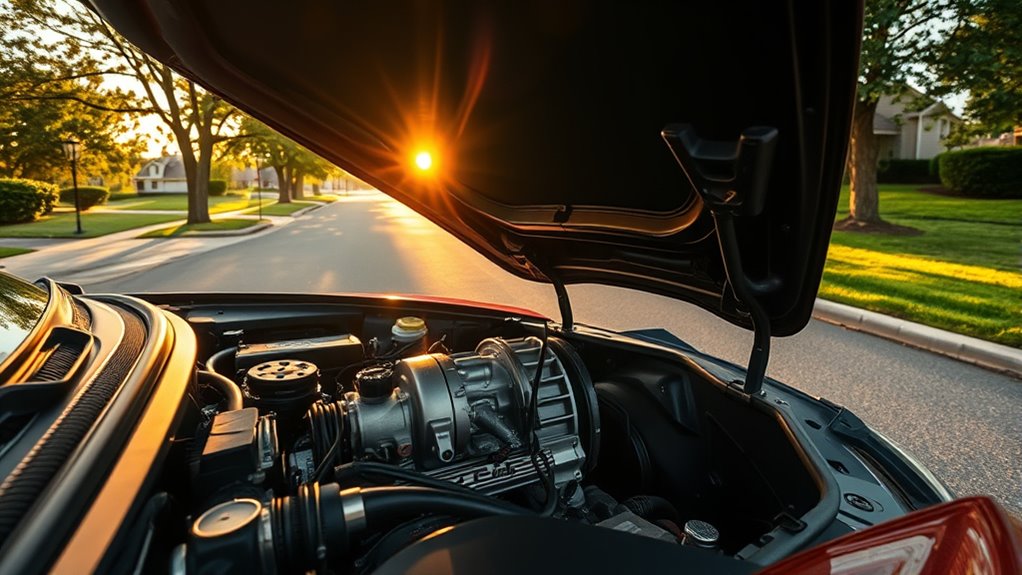
When your car is parked and you hear a buzzing noise coming from the transmission, it often means something inside the system is still active or having issues.
One common cause is related to engine efficiency. If your engine isn’t running well, it can cause parts within the transmission to stay slightly engaged, which creates noise.
Low or uneven tire pressure may also play a role by affecting your vehicle’s stability. This can lead to vibrations that travel through the transmission and make the buzzing louder.
Sometimes, these vibrations are also due to transmission fluid not circulating properly. Temperature changes or small leaks can affect fluid flow, causing noise.
Regular maintenance and checking engine performance can help reduce these problems. If your transmission keeps buzzing while parked, it’s a sign that certain systems need inspection.
Ignoring it may lead to bigger issues down the road, so it’s best to get it checked out sooner rather than later.
How to Identify if the Transmission Noise Is Mechanical or Electrical?
To figure out if your transmission noise is mechanical or electrical, the first step is to really listen to what it’s doing. Mechanical problems usually make a steady whining or grinding sound, kind of like a metal-on-metal noise. Electrical issues, on the other hand, tend to sound more like static, buzzing, or clicking noises. So, just by paying attention to the sound, you can start to get a sense of where it’s coming from.
After that, you might want to use some diagnostic tools to get a clearer picture. Devices like a scan tool can help check for electrical faults, while listening devices or stethoscopes can help pinpoint where the noise is originating from under the hood or inside the vehicle. Using these tools can save you time and help you figure out whether the problem is mechanical or electrical much more quickly.
Auditory Characteristics Differentiation
Identifying whether the transmission buzzing noise is mechanical or electrical involves paying close attention to its sound characteristics. Your ear and ability to distinguish sounds are really important here.
Mechanical noises often sound rhythmic or pulsating, with a physical vibration or humming feel. They tend to change with engine speed or when you shift gears.
Electrical noises usually come across as high-pitched whines or static-like sounds that stay pretty consistent no matter what the engine is doing. These sounds can come and go, sometimes changing in tone or loudness, which points to electrical interference.
Diagnostic Tools and Techniques
Using specialized diagnostic tools can really help determine if transmission buzzing is mechanical or electrical. Start by checking the transmission fluid; it should be at the right level and free of debris. Poor fluid quality can cause mechanical issues like gear slippage, which can produce noise.
Next, use an OBD-II scanner to read error codes that point to electrical problems, such as solenoid faults or sensor malfunctions. A pressure gauge test can evaluate the hydraulic system’s integrity, revealing if mechanical parts like valves or clutches are failing.
Listening carefully during diagnostic checks is also helpful. Mechanical issues often produce consistent, rhythmic noises, while electrical problems may cause intermittent buzzing. Combining these tools and techniques ensures an accurate diagnosis and effective repair.
What Mechanical Issues Lead to Transmission Buzzing?
Sure! Here’s a more conversational version of the text:
If you’re hearing a buzzing noise coming from your transmission, it could be due to a few mechanical issues. Worn-out transmission bearings are a common culprit—they can cause the gears to vibrate oddly, leading to that buzzing sound. Damaged gear synchronizers might also be to blame, as they can interfere with smooth shifting and create noise. Low transmission fluid is another factor; when there’s not enough lubrication, parts can grind or vibrate, producing that buzzing noise you hear.
Figuring out exactly what’s causing the problem is important so you can fix it properly. By identifying whether it’s the bearings, synchronizers, or fluid levels, you’ll be on the right track to getting your transmission running smoothly again.
Worn Transmission Bearings
When transmission bearings start to wear out, they can’t keep things running smoothly anymore, which often results in a buzzing noise.
This noise can get worse if the transmission fluid isn’t maintained or if it breaks down. Proper lubrication is key to helping the bearings do their job properly.
Worn bearings can also throw off gear alignment, causing gear engagement issues and less smooth shifting.
As these bearings deteriorate, they create more friction and vibrations, which you might notice as strange noises from your vehicle.
If you ignore these signs, it can lead to further damage inside your transmission.
Checking the transmission fluid regularly to ensure it’s at the right level and of good quality can help prevent excessive wear.
Finally, making sure gear alignment stays correct and replacing worn bearings early are good steps to keep your transmission quiet and working well, saving you from costly repairs later.
Damaged Gear Synchronizers
This mechanical issue can cause grinding sounds, vibrations, and a constant buzzing noise even when your car is parked. To prevent more damage, make sure to use your parking brake properly and avoid forcing the gear shift.
If your synchronizers are damaged, routine maintenance won’t fix the problem. You’ll need a professional to inspect and possibly replace the synchronizer parts. Ignoring this can lead to more serious transmission issues and higher repair costs later on.
Low Transmission Fluid
This can lead to increased friction and vibrations. These vibrations often create a noticeable buzzing noise, especially when you’re in park or at idle.
Regular vibration analysis can help spot early signs of low fluid levels before more serious damage happens. If you notice the noise getting louder or if your transmission shifts strangely, check your fluid level right away.
Keeping the transmission fluid at the right level helps ensure smooth operation and avoids mechanical issues that cause buzzing. Remember, using the correct type of transmission fluid is key to keeping your vehicle’s transmission working well and lasting longer.
What Electrical Problems Can Cause Transmission Buzzing When Parked?
Electrical problems can often be the root cause of transmission buzzing sounds when your vehicle is parked. One common issue is electromagnetic interference (EMI), which can disrupt the transmission control module.
This disruption may create a buzzing noise due to irregular signals affecting the transmission fluid flow or electronics. Faulty wiring or damaged connectors can also cause inconsistent electrical signals, leading to buzzing sounds even when the vehicle is stationary.
A malfunctioning sensor, like a speed sensor or solenoid, can produce electrical noise that translates into transmission buzzing. To prevent this, check for worn or damaged wiring near transmission components.
Make sure there’s no interference from nearby electronic devices or aftermarket accessories. Ensure proper grounding of transmission control modules and related sensors.
Addressing these electrical issues can help eliminate the buzzing noise and keep your transmission running smoothly.
How to Diagnose Transmission Buzzing : Easy Step-by-Step Guide
Diagnosing transmission buzzing sounds might seem tricky at first, but breaking it into simple steps makes it easier. First, listen closely when the noise happens—notice if it occurs when idling, accelerating, or shifting gears.
Next, check the transmission fluid level and condition. Low or dirty fluid can cause that buzzing sound. Also, carefully look at the gear assembly for any signs of looseness or damage. Make sure all bolts and connections are tight.
If the transmission fluid appears dirty or burnt, think about replacing it as part of your diagnosis. Shift through different gears and listen again. If the buzzing stays the same across various gears, it could point to an issue inside the gear assembly or with the fluid.
How to Fix Transmission Buzzing Noise in Your Vehicle
If you’ve noticed a buzzing noise coming from your transmission, the first thing to do is check the transmission fluid level and condition. Low or dirty fluid can cause that buzzing sound. If the fluid looks dark or smells burnt, it’s a good idea to replace it.
Next, take a close look at your gears. Check for any signs of damage, wear, or loose parts that might be causing the noise. Listening for which gears are making the buzzing can help you pinpoint the problem.
Here are some simple steps to try:
- Top up or replace your transmission fluid if it’s low or contaminated
- Inspect your gears for damage or excessive wear
- Make sure all transmission parts are properly lubricated and tight
Fixing these issues can often eliminate the buzzing and improve your transmission’s overall performance.
When Should You Seek Help From a Transmission Specialist?
If you keep hearing that buzzing sound even after trying to fix it, or if your car starts acting a bit weird, it’s probably time to take it to a transmission specialist. When those strange noises stick around or your handling feels off, it could mean your transmission is slipping or got damaged.
Don’t ignore these signs—trust me, ignoring them can lead to even pricier repairs down the line. Better to get it checked out sooner rather than later!
Persistent Noise Indicators
Have you noticed a persistent buzzing noise coming from your transmission? If so, it’s a good idea to get it checked out by a professional. This noise could mean there’s a problem like low or dirty transmission fluid that’s causing gears to grind or stick.
You might also notice the buzzing gets louder when you accelerate or shift gears. That’s often a sign that the noise is linked to gear issues. It’s important to catch these signs early to avoid more serious damage.
Look out for signs such as the noise continuing even when you’re idling in park or neutral. If you feel vibrations along with the buzzing, that’s another warning.
Checking your transmission fluid is also helpful—if it’s low or darkened, it could mean it needs replacing. Ignoring these symptoms can lead to costly repairs down the line.
Getting a transmission specialist to diagnose the issue early can save you money and help keep your vehicle running smoothly.
Unusual Vehicle Behavior
| Symptom | Possible Cause | When to Act |
|---|---|---|
| Slipping gears | Worn clutch or issues with transmission fluid | Seek help immediately |
| Delayed engagement | Internal wear inside the transmission | Consult a professional ASAP |
| Tire vibrations | Tires misaligned or wheel imbalance | Have a specialist evaluate now |
| Trouble shifting | Problems with the transmission or linkage | Get an expert diagnosis today |
Maintenance Tips to Prevent Transmission Buzzing in Your Car
Regular maintenance can really help prevent transmission buzzing noises. Keeping your transmission in good shape means regular checks and timely adjustments.
Regular maintenance is key to preventing transmission buzzing sounds and ensuring smooth operation.
Start by making sure your clutch is properly adjusted. An improperly adjusted clutch can cause vibrations and buzzing sounds.
It’s also important to regularly inspect and replace the transmission fluid. Clean, contaminant-free fluid allows for smoother operation and reduces the chance of buzzing.
Don’t forget to check the transmission mounts and linkages for wear or looseness. These parts can amplify vibrations if they’re worn out.
Catching these issues early can save you money and avoid bigger problems down the road.
- Check and adjust the clutch as needed
- Regularly replace transmission fluid to avoid contamination
- Inspect mounts and linkages for wear or looseness
How to Keep Your Transmission Running Quiet and Smooth
Maintaining a smooth and quiet transmission requires proactive steps to keep its components in top shape. Start by regularly checking and replacing your transmission fluid. Clean fluid ensures proper lubrication and helps prevent noise caused by friction. Always use the manufacturer-recommended type and keep it at the proper level.
Proper gear alignment also plays a big role. Misaligned gears can cause grinding sounds and vibrations that are pretty annoying. If you notice unusual noises, it’s a good idea to have a mechanic inspect your gear alignment and fix it if needed.
Avoid aggressive driving habits that put unnecessary strain on your transmission. Routine maintenance checks are essential for keeping things running smoothly. Keeping your transmission fluid fresh and gears properly aligned helps cut down buzzing noises and extends its lifespan.
Regular servicing not only improves overall performance but also ensures your transmission stays quiet and smooth. This creates a more comfortable driving experience and helps your vehicle run efficiently for longer.
FAQs About Transmission Buzzing in Parked Vehicles
When your parked vehicle starts emitting a transmission buzzing sound, it’s understandable to wonder what’s causing it. Typically, this noise relates to issues with transmission fluid, gear shifting, or internal components. You might ask:
- Why does the buzzing happen when the vehicle is parked, and is it urgent?
- Could low or old transmission fluid be the culprit?
- How does gear shifting impact the buzzing noise, even when the car is stationary?
In many cases, the noise is caused by inadequate transmission fluid lubrication, which can cause gears to vibrate or produce a buzzing sound. Problems with gear shifting mechanisms or internal components like solenoids can also contribute.
If the transmission fluid is dirty or low, it’s time for a fluid change or inspection. Address these issues promptly to prevent further damage and keep your vehicle quiet and smooth, even while parked.
Frequently Asked Questions
Can Transmission Buzzing Occur Even When the Vehicle Is Off?
Yes, transmission buzzing can happen even when your vehicle is off. Sometimes, leftover gear vibrations or transmission fluid issues cause the noise.
If the transmission fluid is low or contaminated, it can create vibrations that echo even when parked. Checking your transmission fluid levels and quality can help identify the problem.
Unless it’s mechanical, this noise usually doesn’t mean immediate danger but still warrants a close look.
Are Certain Vehicle Models More Prone to Transmission Buzzing Issues?
Yes, some vehicle models tend to have more transmission buzzing issues. It often comes down to the reliability of the vehicle model and how the transmission is designed.
Certain makes and models might have inherent design flaws or use materials that cause vibrations or buzzing sounds. It’s a good idea to research your vehicle’s history and check for any manufacturer recalls.
Regular maintenance and choosing models known for transmission durability can really help prevent or lessen these buzzing noise problems.
How Long Does It Typically Take to Fix Transmission Buzzing Problems?
Ever wonder how long it takes to silence that unsettling buzzing? Typically, fixing transmission buzzing takes a few hours to a day, depending on what’s wrong.
If the issue is low transmission fluid or not enough gear lubrication, a mechanic might just top up or replace the fluid, which speeds things up.
But if parts need replacing, it could take longer. Regularly check your fluid levels to avoid future problems.
Can DIY Solutions Effectively Resolve Buzzing Noise in Automatic Transmissions?
Yes, DIY solutions can sometimes effectively resolve the buzzing noise in automatic transmissions. You might start by checking the transmission fluid level and quality, as low or degraded fluid can cause noise. Replacing the fluid can help dampen the vibrations and reduce the sound.
Additionally, applying noise damping products around transmission components can lessen the buzzing. Just make sure you follow proper safety procedures and consult a repair manual or expert if you’re unsure about any step.
Is Transmission Buzzing a Sign of Imminent Failure or Just a Minor Issue?
Transmission buzzing could mean a minor issue or a sign of something worse. When you notice the noise, start by checking your transmission fluid level. Low fluid can cause buzzing and might just need a quick top-up.
If you have a manual transmission, take a look at your clutch wear. Worn clutch parts can also lead to vibrations and buzzing sounds. Catching these problems early can help prevent bigger issues down the road.
Fixing small problems now saves you money and hassle later. Addressing the issue early keeps your transmission running smoothly and in good shape.
Conclusion
Of course! Here’s the revised version with the main keyword included in the conclusion and styled according to your instructions:
—
To sum up, addressing transmission buzzing when parked is like caring for a delicate garden—regular inspections and quick repairs keep it healthy. Spot the warning signs early, diagnose properly, and don’t hesitate to bring in a professional if needed.
With regular upkeep, your car’s transmission can operate smoother than a knight’s armor in a joust. Keep your engine quiet and your trips stress-free—remember, a well-maintained transmission is your trusted partner on every journey.