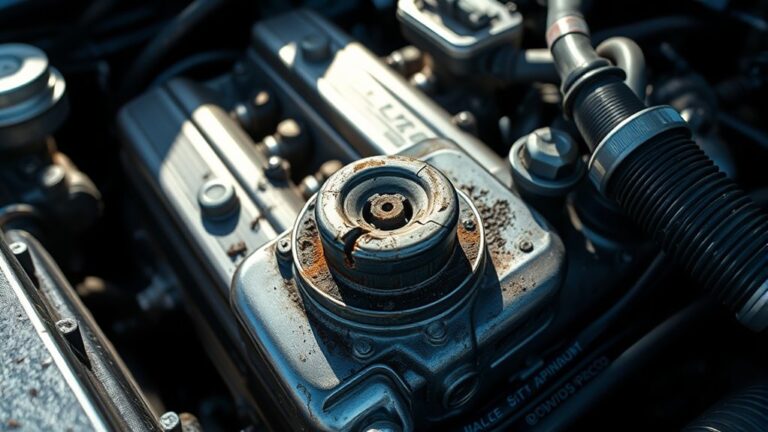
Car Hesitates When Accelerating At Low Speed: Troubleshooting Guide
If your car hesitates when accelerating at low speed, you’re not alone. Many drivers struggle with this frustrating issue, especially during city driving or stop-and-go traffic. It’s understandable to want your vehicle to run smoothly without misfires or jerks.
Start with simple checks like inspecting the air filter, spark plugs, and fuel filter for clogs or wear. Ensuring these parts are clean can often resolve the problem quickly.
Make sure the fuel pump is working properly and listen for signs of a failing pump. A weak or failing fuel pump can cause hesitation and poor acceleration.
Test your sensors, like the MAF and TPS, since they directly affect engine performance. Faulty sensors can send incorrect data, leading to hesitation.
Don’t forget to check for vacuum leaks or exhaust blockages, which can also cause your car to stumble during acceleration.
If you want to fix it yourself, more detailed tips follow to guide you through troubleshooting.
Key Takeaways
- Inspect and replace dirty or clogged air filters to make sure your engine gets proper airflow and responds smoothly.
- Check for vacuum leaks and damaged hoses, as these can cause power loss and rough idling.
- Test and clean your fuel injectors to keep the fuel flow steady and prevent hesitation when you accelerate.
- Examine your spark plugs and ignition coils for wear or faults that could lead to misfires during acceleration.
- Verify that sensors like the MAF and TPS are working correctly so they give accurate readings for smooth acceleration.
Quick DIY Checks for Low-Speed Hesitation

Are you experiencing hesitation when accelerating at low speeds? Before you get overwhelmed, try a quick DIY check to improve your driving safety and assess your vehicle’s condition.
First, make sure your air filter isn’t clogged, since restricted airflow can cause your engine to stumble. Check the throttle body for dirt or grime that might affect acceleration.
Next, inspect your spark plugs for wear or soot, which can lead to misfires and sluggish response. Also, look for any loose or damaged hoses connected to the intake system.
These simple inspections can help identify common issues that cause low-speed hesitation. Remember, keeping your vehicle well-maintained boosts driving safety and lowers the risk of breakdowns.
Regularly doing these basic checks helps you catch problems early, saving you time and money. If your findings are inconclusive, it’s best to consult a mechanic for a detailed diagnosis.
Inspect Your Fuel Pump and Filter
First off, give your fuel pump a quick check. When you turn the ignition on, see if you can hear a humming noise—that’s usually a sign it’s working. If your engine keeps stalling or has trouble starting, that could mean your pump is on the fritz.
Also, don’t forget to peek at your fuel filter. If it’s clogged, you might notice the fuel flow is weird or your engine misfires. These little clues can point to the filter causing your acceleration problems.
Fuel Pump Functionality
Could a faulty fuel pump be causing your car to hesitate when accelerating at low speeds? It’s possible. A weak or struggling fuel pump can restrict fuel flow, which hurts fuel efficiency and increases emissions.
To check if it’s working properly, try these steps:
- Listen for a humming noise from the fuel tank when you turn the key on. If you don’t hear anything, that could mean a pump issue.
- Look for leaks around the fuel pump or worn wiring connections.
- Use a pressure gauge to check the fuel pressure. Low pressure suggests a problem with the pump.
- Make sure the fuel filter isn’t clogged, as that can mimic pump issues and reduce performance.
Replacing a faulty pump can improve throttle response, fuel efficiency, and emissions. It can also prevent hesitation at low speeds.
Filter Clogging Signs
Clogged fuel filters can cause your car to hesitate during acceleration, especially at low speeds. If you notice sluggish starts or inconsistent power, it’s a sign the filter may be clogged.
You might also experience misfires or stalls, which show fuel isn’t flowing smoothly. Regular maintenance like an oil change can help keep your engine running well, but don’t forget to check the fuel filter.
Neglecting tire rotation might also impact your overall driving, making hesitation more noticeable. If you suspect a clog, inspect the fuel pump and filter and replace them if they’re dirty or clogged.
Staying proactive with maintenance ensures proper fuel flow, preventing hesitation and keeping your car running smoothly.
Test Your Spark Plugs and Ignition System
First, take a look at your spark plugs to see if there’s any wear or buildup on them. Dirty or worn-out plugs can make your engine hesitate or run rough. After that, it’s a good idea to check your ignition coil—if it’s not working right, it can mess up that spark you’re counting on. Lastly, don’t forget to test the spark plug gap. Making sure it’s set correctly helps your engine run smoothly, especially at low speeds.
Inspect Spark Plug Condition
To guarantee your spark plugs are working properly, start by removing them and inspecting their condition. Look for signs of corrosion, which appears as white, crusty deposits around the electrodes. Also, check the electrode wear; if it’s rounded or eroded, the spark won’t fire efficiently.
Here are a few key things to look for:
- Corrosion: White or crusty buildup indicates corrosion that can block spark delivery.
- Electrode Wear: Rounded or worn electrodes reduce spark quality.
- Color: A tan or gray insulator suggests good combustion, while black soot means rich fuel conditions.
- Cracks or Damage: Any visible cracks or chips mean it’s time to replace the plug.
Addressing these issues ensures your ignition system works smoothly.
Check Ignition Coil Function
Since your engine’s ignition system directly affects how well your spark plugs fire, it’s important to make sure the ignition coil is working properly. The coil transforms your battery’s voltage into the high-voltage spark needed for combustion.
If the ignition coil is faulty, you might notice weak or inconsistent sparks, which can lead to poor performance and engine hesitation at low speeds. To check it, look for cracks, corrosion, or damage on the coil.
You can also test the coil’s resistance with a multimeter—just refer to your vehicle’s manual for the correct specifications. If the coil isn’t delivering a strong spark, you may experience misfires, sluggish acceleration, or hesitation.
Replacing a faulty coil usually restores proper spark and helps smooth out your engine’s response at low speeds.
Test Spark Plug Gap
Testing your spark plug gap is a key step in diagnosing low-speed hesitation because wrong gap spacing can cause misfires and weak sparks. To do a proper spark check, you’ll need a gap gauge or feeler tool.
Start by removing the spark plugs and measuring the existing gap. If it doesn’t match your vehicle’s specs, you’ll need to adjust it. Here’s how:
Use a gap measurement tool to check the current gap size.
Carefully bend the electrode to widen or narrow the gap as needed.
Re-measure to make sure it matches the recommended distance.
Reinstall the spark plugs and ensure they’re secure.
This simple check helps make sure your ignition system delivers consistent sparks, which can improve performance and reduce hesitation.
Check Key Sensors (MAF, TPS) That Affect Acceleration
Your vehicle’s MAF (Mass Air Flow) sensor and TPS (Throttle Position Sensor) are crucial for sending accurate data to the engine control unit. This data helps manage fuel delivery and timing.
If you notice hesitation when accelerating, it’s a good idea to check these sensors. A dirty or faulty sensor can send incorrect signals, leading to poor acceleration.
Start with sensor calibration using diagnostic tools to make sure they’re working correctly. Testing these sensors with a scanner can reveal any anomalies in their output signals.
| Sensor | Function | Common Issue |
|---|---|---|
| MAF Sensor | Measures incoming airflow | Dirt buildup, calibration error |
| TPS Sensor | Monitors throttle position | Wear, improper calibration |
| Diagnostic Tools | Read sensor data and error codes | Inconsistent or no data |
| Calibration | Adjusts sensor readings | Misalignment or drift |
| Troubleshooting | Verify sensor signals | Using diagnostic tools |
Keeping these sensors in check helps your engine respond smoothly, especially at low speeds.
Look for Transmission Slipping or Rough Shifting
If your car feels like it’s slipping out of gear or you notice jerky shifts, those are usually signs something’s not quite right with the transmission. You might also feel the engine revving unexpectedly or have trouble shifting smoothly from one gear to another. These rough shifts can be pretty noticeable, and they often mean your transmission needs some attention.
It’s a good idea to look into these symptoms early on—catching problems before they get worse can save you from more costly repairs later. So, if your car’s shifting feels off or it’s slipping, don’t ignore it—getting it checked out sooner rather than later is always the smart move.
Signs of Transmission Slipping
Transmission slipping often shows up when your car shifts gears unexpectedly or takes longer to engage, especially when you’re accelerating at low speeds. You might notice the engine revs higher without your car speeding up or sudden gear changes happening out of nowhere.
Here are four signs to keep an eye on:
- Gears slipping or feeling like the car is stuck in the wrong gear.
- Rough or delayed shifts that feel jerky or inconsistent.
- Unusual noises such as whining or clunking during gear changes.
- Low transmission fluid levels or engine timing issues that affect smooth engagement.
Make sure to check your transmission fluid regularly because dirty or low fluid can cause slipping. Also, keeping the engine timing accurate is important; misaligned timing can lead to hesitation when you’re trying to accelerate.
Symptoms of Rough Shifting
Rough shifting or transmission slipping often becomes noticeable when your vehicle jerks, hesitates, or lurches unexpectedly during gear changes. You might also hear strange interior noises like clunking or grinding sounds, which could indicate transmission problems.
Poor tire alignment can make rough shifting worse by putting extra stress on the transmission. If your tires aren’t aligned properly, you might notice more jerking or hesitation during gear changes.
| Symptom | Possible Cause |
|---|---|
| Jerking during gear change | Transmission slipping or worn parts |
| Hesitation or lurching | Low transmission fluid level |
| Unusual interior noise | Misaligned tires affecting the drivetrain |
| RPM spike without acceleration | Transmission slipping or clutch issues |
Identify Common Vacuum Leaks Causing Power Loss
Vacuum leaks are often to blame when your engine loses power or hesitates, especially during acceleration at low speeds. When these leaks happen, your engine struggles to keep the right air-fuel mixture, which means less power.
To troubleshoot, check these common sources of vacuum leaks. Cracked or disconnected vacuum hoses, especially near the intake manifold, are a usual suspect. Also, worn or faulty intake manifold gaskets can let unmetered air in.
Don’t forget about the brake boosters, which are connected to vacuum lines and can develop leaks. Finally, look for loose or damaged vacuum fittings and connections. Cracks or disconnections here can cause unmetered air to enter, leading to power loss and rough idling.
Inspect these areas carefully. Replacing any damaged hoses, gaskets, or fittings usually restores your engine’s performance and eliminates hesitation, helping your vehicle accelerate smoothly again.
Ensure Fuel Injectors Are Delivering Proper Fuel
If your engine hesitates during acceleration at low speeds, a common cause can be fuel injectors not delivering the right amount of fuel. When injectors are clogged or malfunctioning, your engine struggles to get the proper mixture, which can hurt fuel efficiency and increase emissions.
To check, listen for irregular engine sounds or rough idling, which might point to injector issues. Also, perform a fuel pressure test to ensure the fuel is flowing correctly.
| Issue | Symptoms |
|---|---|
| Dirty or clogged injectors | Poor acceleration, fuel waste |
| Leaking injectors | Uneven engine idling, misfire |
| Solution | Benefit |
| Clean or replace injectors | Restores proper fuel delivery |
| Use fuel injector cleaner | Maintains fuel efficiency and reduces emissions |
Keeping your injectors delivering the proper amount of fuel helps your engine run smoothly. It boosts fuel efficiency and helps keep emissions in check.
Could Exhaust Blockages Be Causing Hesitation?
Could a blocked exhaust system be responsible for your engine hesitation during low-speed acceleration? Yes, exhaust restrictions can create backpressure, making it harder for your engine to breathe and perform smoothly. Common causes include exhaust leaks and a clogged catalytic converter.
A blocked exhaust system can cause engine hesitation by increasing backpressure and restricting airflow during acceleration.
When the exhaust leaks, unfiltered gases escape before reaching the converter, disturbing the system’s balance. A blocked catalytic converter, on the other hand, prevents proper exhaust flow, leading to hesitation.
Here are key signs to watch for:
- Reduced engine power at low speeds
- Unusual exhaust odors or loud noises
- Overheating or excessive heat from the catalytic converter area
- Sluggish acceleration even when pressing the gas pedal
Addressing these issues by inspecting for leaks and replacing a clogged catalytic converter can restore smooth acceleration and prevent long-term engine damage.
DIY Troubleshooting Steps Before Visiting a Mechanic
Before heading to the mechanic, you can try some simple DIY steps to identify potential issues causing your car’s hesitation during low-speed acceleration. Start by checking for obvious problems like loose or damaged hoses, which could affect fuel delivery or vacuum systems.
Also, inspect your air filter; a clogged filter restricts airflow, impacting engine performance. To keep your car running smoothly, avoid unnecessary modifications that hinder performance, like poorly installed aftermarket upgrades or excessive interior changes that might interfere with sensors.
| Step | What to Check |
|---|---|
| Inspect air filter | Clean or replace if dirty |
| Check vacuum hoses | Ensure hoses are secure and undamaged |
| Review recent modifications | Remove aftermarket upgrades if they’re causing issues |
| Test drive after checks | Note hesitation points for further troubleshooting |
These simple steps can help identify issues before more costly repairs are needed.
When Should You See a Professional for Car Hesitation?
Car hesitation at low speeds can be a sign that something’s off and needs professional attention. If your car keeps hesitating despite trying basic fixes, it’s time to see a mechanic. Ignoring this can hurt your fuel economy and make engine stalls worse, which could lead to breakdowns.
Car hesitation at low speeds signals an issue needing expert diagnosis to prevent further damage and costly repairs.
You should visit a mechanic if:
- The hesitation gets worse or happens more often, affecting how you drive.
- You notice you’re using more fuel or your fuel efficiency drops.
- The engine stalls unexpectedly or idles roughly when you’re driving slowly.
- Diagnostic trouble codes pop up, pointing to issues with the fuel system, ignition, or sensors.
Getting a professional check-up early can help find the root cause, like clogged fuel injectors or bad sensors. Fixing these problems quickly will keep your engine running smoothly and save you money on repairs later on.
Frequently Asked Questions
Can Cold Weather Cause My Car to Hesitate When Accelerating?
Yes, cold weather can cause your car to hesitate when accelerating. When temperatures drop, your engine takes longer to warm up, which affects fuel vaporization and combustion efficiency, leading to hesitation.
Cold weather also impacts your battery’s performance, reducing its ability to supply consistent power to the ignition and fuel systems. Ensuring proper engine warm-up and checking your battery can help reduce these issues.
Taking care of these things can improve your car’s acceleration in cold conditions.
How Does Tire Pressure Impact Low-Speed Acceleration Issues?
Think of your car as a dancer, and tire pressure as the rhythm guiding their moves. When tire pressure is off, handling feels off too, making your car hesitate during low-speed acceleration.
Properly inflated tires help keep things smooth and responsive, just like a dancer hitting their steps perfectly. Low or uneven tire pressure messes up that flow, causing hesitation.
Keep your tires correctly inflated to maintain good handling and get rid of those low-speed acceleration issues.
Could a Faulty Thermostat Affect Acceleration at Low Speeds?
Yes, a faulty thermostat can affect acceleration at low speeds. If it’s malfunctioning, it might cause the engine to overheat or not cool properly, which can lead to performance issues.
When the thermostat doesn’t open or close right, it messes with the coolant flow. This impacts how well the engine runs and can make your car hesitate or struggle when you try to accelerate slowly.
Making sure your thermostat works the way it should is important. It helps keep the engine cool and ensures smooth, responsive acceleration, especially at lower speeds.
Is Engine Oil Level Linked to Acceleration Hesitations?
A stitch in time saves nine; your engine oil level directly impacts acceleration. If the oil is low, it can cause engine wear and oil degradation, leading to hesitation at low speeds.
Insufficient oil affects lubrication, increasing friction and reducing smooth power transfer. Make sure to regularly check and top off your oil, preventing engine issues that cause acceleration problems.
Proper maintenance keeps your engine running smoothly and helps you avoid costly repairs.
Can Aftermarket Modifications Cause Low-Speed Acceleration Problems?
Yes, aftermarket modifications like performance upgrades and exhaust systems can cause low-speed acceleration problems. If these parts aren’t installed or tuned correctly, they might mess with airflow or fuel delivery. This can lead to hesitation when you try to accelerate.
You’ll want to check for any installation issues or compatibility problems. It’s a good idea to have a professional tune your vehicle to make sure these modifications work smoothly with your car’s existing systems.
Conclusion
Think of troubleshooting your car’s hesitation like untangling a complex knot. It requires patience and a step-by-step approach. Start with basic checks, and if the problem persists, don’t hesitate to seek professional help.
Remember, ignoring small issues can turn a simple problem into a giant knot that’s tougher to undo. Staying proactive keeps your ride smooth and safe. This way, you’ll stay on the road instead of getting stuck in a jam.
If your car hesitates when accelerating at low speed, identifying the cause early is key. Troubleshooting can seem tricky, but breaking it down makes it manageable. Addressing issues early helps prevent bigger problems down the line.
By staying attentive and proactive, you can keep your vehicle running smoothly. Car hesitation at low speed might be frustrating, but with some patience, you can get to the root of the problem and fix it.