What Problems Can a Faulty Intake Manifold Runner Control Cause? | Expert Insights
Are you tired of your engine running rough or stalling unexpectedly? Many drivers struggle with performance issues that seem to come out of nowhere. One common culprit: a faulty intake manifold runner control. You’re not alone—these problems can be frustrating and costly if not addressed early.
A faulty intake manifold runner control can cause your engine to run rough, stall, or hesitate during acceleration. You might notice decreased power, poor fuel economy, and higher emissions.
It can also lead to irregular engine sounds and get worse over time, potentially damaging your engine.
Catching these issues early helps prevent costly repairs. If you keep exploring, you’ll uncover how to identify these problems and keep your engine running smoothly.
Key Takeaways
- Causes engine hesitation, rough idling, and reduced power during acceleration.
- Leads to increased emissions and lower fuel efficiency because of an improper air-fuel mixture.
- Can cause intake airflow restrictions, which affect the overall engine performance.
- May trigger warning codes and turn on the check engine light for diagnostics.
- Over time, it might cause engine damage from carbon buildup and put extra strain on turbochargers.
What Is the Intake Manifold Runner Control and How Does It Work?
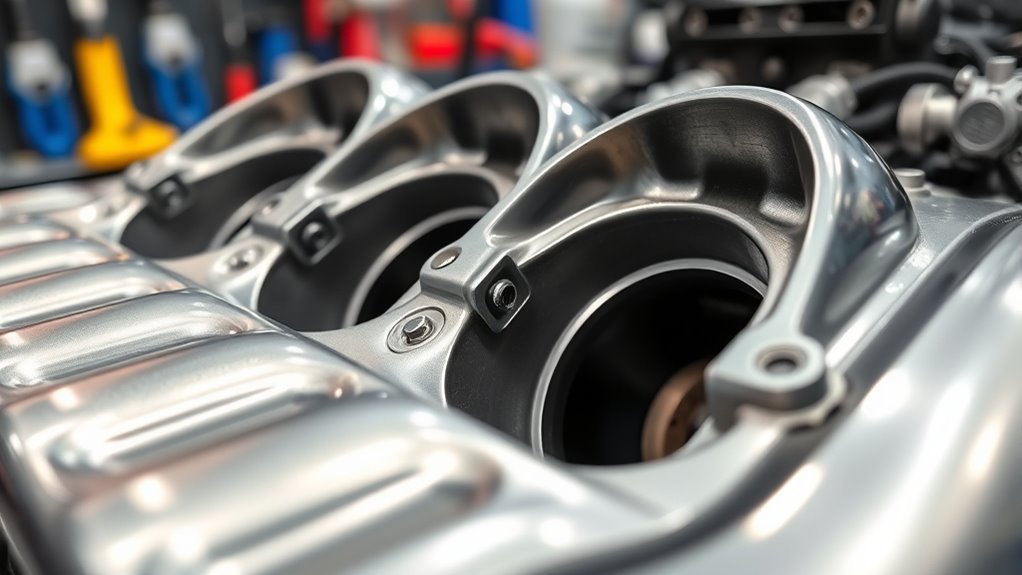
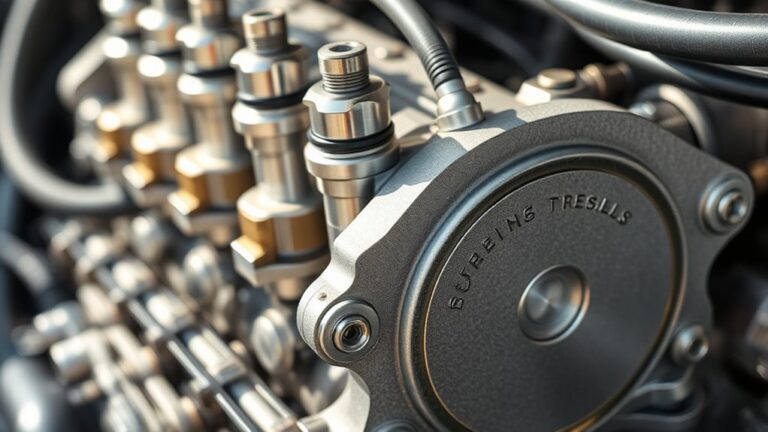
The intake manifold runner control (IMRC) is an important part of your vehicle’s engine that helps boost performance and efficiency. It works by adjusting the internal runners in the intake manifold to control airflow.
When you’re driving at low speeds or just lightly pressing the gas pedal, the IMRC restricts airflow. This helps improve fuel economy and cut down on emissions.
When you’re going faster or accelerating hard, it opens the runners fully, letting more air in for better power. This smart adjustment keeps your engine running smoothly under different conditions.
The IMRC often uses tools like vacuum actuators, electric motors, or solenoids to open and close the runners. This precise airflow control helps with throttle response, engine balance, and overall efficiency.
If the IMRC isn’t working right, your engine might struggle with power, fuel mileage, and emissions. That’s why keeping it in good shape is so important.
Signs Your Runner Control May Be Failing
When your intake manifold runner control starts to fail, you might notice immediate changes in how your vehicle drives. You could experience rough idling or misfires, which can cause your turbochargers to work harder and reduce efficiency.
If the system isn’t working properly, your spark plugs might foul faster because of inconsistent air-fuel mixture delivery, leading to poor acceleration. You might also see decreased fuel economy or sluggish acceleration, especially during high RPMs.
Engine hesitation or stalling can happen if the runner control gets stuck open or closed, disrupting airflow. You might also notice a check engine light coming on, often triggered by sensors detecting unusual operating conditions.
Any strange noises or vibrations around the intake area could also be a sign something’s wrong. Catching these signs early can help you diagnose a failing runner control before it causes more damage to your engine or turbo system.
How a Faulty Runner Control Affects Engine Performance
A faulty runner control can seriously affect your engine’s performance by messing with the precise airflow management needed for optimal combustion. When it doesn’t work right, airflow to the cylinders becomes inconsistent, leading to several problems.
Your engine may struggle to deliver strong power and quick acceleration, making responses sluggish and smooth driving difficult. Turbo improvements also suffer since irregular airflow affects boost pressure and overall power.
A faulty runner control hampers power, acceleration, and turbo performance, leading to sluggish response and reduced driving smoothness.
Exhaust modifications can get disrupted because airflow irregularities interfere with exhaust flow, which can increase emissions and potentially damage exhaust parts. Additionally, engine misfires, rough idling, and lower fuel efficiency are common when the airflow isn’t steady.
This problem can also make it harder to get the most out of exhaust upgrades or turbo enhancements because inconsistent airflow prevents you from achieving the desired performance gains. Fixing the faulty runner control helps restore smooth engine operation and ensures your upgrades work as they should.
Fuel Economy and Emissions When the Runner Control Malfunctions
Have you noticed a drop in your vehicle’s fuel efficiency or an increase in emissions? A malfunctioning intake manifold runner control can disrupt the engine’s air intake, affecting how fuel burns. This can make your turbo boost less consistent, leading to poorer performance and higher fuel use.
When the runner control isn’t working right, the engine might run rich or lean. This releases more pollutants into the atmosphere. Exhaust leaks can also form if the system’s balance is off, making emissions worse.
These leaks let unburned gases escape, reducing overall emissions control and possibly breaking environmental rules. As a result, your vehicle ends up using more fuel for less power and emitting more pollutants.
Fixing the faulty runner control quickly helps get back proper air-fuel mixtures. This improves fuel economy and lowers harmful emissions, keeping your vehicle running smoothly and more eco-friendly.
Why You Might Experience Rough Idling or Engine Stalling
Rough idling or engine stalling often happen because the intake manifold runner control isn’t opening or closing properly. When this goes wrong, your engine struggles to keep a steady idle, especially at low RPMs. Several things can cause this issue:
- Incorrect Turbo boost: A faulty runner control can mess up the turbo boost, leading to hesitation and stalling.
- Poor spark timing: If the control issue affects sensors that communicate with your ignition, spark timing can become inconsistent, causing rough idling.
- Airflow disruptions: Restricted or uneven airflow from faulty control valves can make the engine unstable.
- Sensor errors: Malfunctioning sensors that manage the runner mechanism may lead to improper adjustments, resulting in stalling or rough idling.
When these parts don’t work together right, your engine can’t run smoothly, especially during idling or sudden throttle use. Making sure the runner control functions properly is key to good engine performance.
Long-Term Engine Damage Caused by Ignoring Runner Control Problems
Ignoring problems with the intake manifold runner control can lead to serious, long-term damage to your engine. Over time, this can cause uneven wear on engine parts, which lowers reliability and horsepower.
You might also see increased emissions, putting you at risk of breaking stricter pollution laws. If you keep driving with faulty runner control, your turbo upgrades might not work as well, since poor airflow limits turbo performance and lifespan.
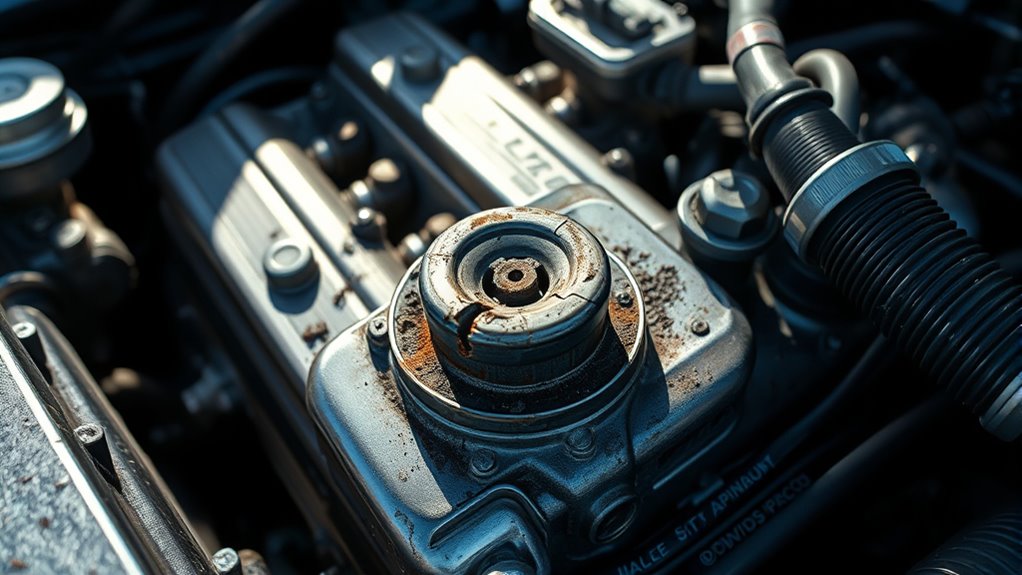
Unresolved issues can also lead to carbon build-up inside the intake manifold. This affects fuel efficiency and can increase repair costs. Taking care of these problems early with timely repairs helps avoid costly engine overhauls.
Here’s a quick look at the risks:
| Problem | Consequence |
|---|---|
| Engine hesitation | Reduced power |
| Increased emissions | Regulatory violations |
| Turbo inefficiency | Less torque & power |
| Carbon build-up | Cleaning expenses |
| Engine failure | Complete overhaul |
Regularly checking and fixing runner control issues helps keep your engine healthy and compliant.
How to Diagnose Problems With Your Intake Manifold Runner Control
Want to figure out if there’s a problem with your intake manifold runner control? First off, grab a scanner and check your engine error codes. They’re like your car’s way of giving you a heads-up about what’s wrong.
Next, pay attention to any strange noises coming from your engine—things like hissing or knocking sounds. Those can be clues that something’s not working right with the runner control.
Checking Engine Error Codes
Ever wonder how to tell if your intake manifold runner control is acting up? Checking engine error codes is a great first step. Here’s what you’ll want to do:
Use an OBD-II scanner to find any stored trouble codes related to the intake system. Focus on codes pointing to sensor calibration issues or vacuum leaks, which often indicate a faulty runner control.
Next, clear the codes and take your vehicle for a drive. See if the codes come back or if the check engine light turns on again. That could mean the problem is still there.
These codes help identify issues like miscalibrated sensors or vacuum leaks that can affect the runner control. They give you a good starting point for repairs.
Listening for Unusual Noises
A hissing, whistling, or tapping sound can signal a problem with the actuator or leaks in the intake system. These noises often happen at the same time as irregular engine behavior.
Pay attention to consistent or fluctuating sounds, especially during throttle changes. Listening carefully can help you identify if the intake manifold runner control is causing airflow problems.
Catching these issues early means you can seek repairs or get professional diagnostics before things get worse or more costly.
Repair Options: When to Fix It Yourself or Visit a Mechanic
Deciding whether to fix a faulty intake manifold runner control yourself or take it to a mechanic depends on your mechanical skill level and the tools you have available. If you’re comfortable working with your vehicle’s intake system and engine components, you might be able to handle minor repairs.
However, if the issue is complex or you don’t have the right tools, it’s best to go to a professional. Ask yourself: do you have experience with engine repairs? Are specialized tools necessary? Is the problem affecting multiple engine parts?
Will an improper fix lead to more damage? For simple tasks like replacing a faulty actuator or cleaning components, DIY can save you money. But if the repair feels difficult or the problem keeps coming back, visiting a mechanic is the safer choice.
Getting it fixed properly keeps your engine running smoothly and extends its lifespan.
Preventative Maintenance Tips for Your Intake and Runner Control System
To keep your intake manifold and runner control system working smoothly, regular preventative maintenance is key. Start by checking and replacing your air filter every 12,000 to 15,000 miles, or more often if you drive in dusty conditions. A clean air filter ensures optimal airflow, reduces stress on the runner control system, and prevents dirt from clogging things up.
Also, keep an eye on your coolant levels regularly. Overheating can hurt engine performance and sensor efficiency. Maintaining proper coolant levels helps keep engine temperature steady, which supports the proper function of the intake system.
Inspect hoses and connections for cracks or leaks. Faulty seals can cause air leaks and mess up airflow. Keeping these parts in good shape reduces the chances of runner control problems and boosts overall engine performance.
Regular maintenance not only helps you avoid costly repairs but also extends the life of your intake system. It’s all about staying on top of small issues before they become big problems.
Expert Advice for Keeping Your Engine Running Smoothly
Want to keep your engine running smoothly? Regular maintenance is really the way to go. Just make sure you stick to the recommended service intervals and keep an eye out for any early signs of trouble. The sooner you catch a problem, the easier it is to fix.
It’s also a good idea to learn how to diagnose common engine issues. That way, you can save yourself some time, frustration, and potentially a lot of money on repairs. A little preventive care can go a long way in keeping your engine in great shape!
Routine Maintenance Tips
Regularly inspecting your intake manifold runner control (IMRC) system is key to keeping your engine running smoothly. Proper upkeep helps your fuel system perform well and keeps emissions in check.
Keep these tips in mind:
- Check for debris or carbon buildup around the IMRC parts to avoid clogging.
- Replace any worn or damaged vacuum hoses that could interfere with IMRC function.
- Clean or replace the throttle body and intake manifold to boost airflow and efficiency.
- Make sure to update your vehicle’s software regularly if applicable, to ensure proper IMRC operation and emission standards.
Diagnosing Engine Issues
Maintaining your engine’s health isn’t just about routine checks; it’s also about spotting problems early. If your engine runs rough or stalls, start by inspecting your air filter. Make sure it’s clean and free of debris since that can affect airflow and performance.
Faulty spark plugs can cause misfires and poor acceleration. Check their condition regularly and replace them if they’re worn out. Also, pay attention to unusual exhaust fumes or if your fuel efficiency drops.
Listen for engine knocking or hesitation when you accelerate. If you notice these signs, it’s a good idea to run diagnostic tests to pinpoint the issue before it gets worse. Keeping an eye on these key components helps catch problems early and keeps your engine running smoothly.
Frequently Asked Questions
Can a Faulty Intake Manifold Runner Control Cause Engine Hesitation?
A faulty intake manifold runner control can definitely cause engine hesitation. When it malfunctions, it disrupts airflow, leading to poor idle stability and inconsistent acceleration.
You might notice your engine stalling or hesitating during acceleration, which also impacts fuel efficiency. This issue happens because the engine can’t properly manage the air-fuel mixture, causing hesitation.
Fixing the control problem helps bring back smooth operation, improves idle stability, and boosts fuel efficiency.
How Does a Malfunctioning Runner Control Impact Turbocharged Engines Specifically?
Ever wonder how a malfunctioning runner control affects your turbocharged engine? It messes with airflow regulation, which means the turbo boost won’t be right, and the engine won’t perform as it should.
When the control fails, it can’t optimize airflow to the engine, leading to sluggish acceleration and potential boost pressure loss. This interruption not only reduces efficiency but can also damage your turbocharger over time.
Is It Safe to Drive With a Known Intake Manifold Runner Control Issue?
It’s not safe to drive with a known intake manifold runner control issue, especially if a sensor malfunction is involved.
Ignoring the problem can cause engine performance issues or even damage, making your vehicle less reliable. If you’ve added aftermarket parts, they might make diagnosing or fixing the problem more complicated.
It’s best to have a professional take a look and fix it promptly to prevent further damage and ensure your vehicle stays safe to drive.
What Are the Typical Costs to Repair or Replace the Runner Control?
Think of repairing the runner control as fixing a key pipeline in your engine’s symphony. Typically, you’ll spend between $300 and $800 for parts and labor, depending on your car’s make and model.
Costs usually cover replacing the control valve, and possibly oxygen sensors and fuel injectors. If the control is severely damaged, a full overhaul might be needed.
This can turn the repair into a significant investment, but it’s necessary to keep your engine running smoothly.
Can Aftermarket Parts Improve or Worsen Runner Control System Performance?
Aftermarket parts can boost your runner control system’s performance through upgrades and tuning, making it more responsive and efficient.
But if you choose poorly made or incompatible aftermarket parts, they might make things worse—causing irregularities or even damaging the system.
That’s why it’s so important to pick high-quality parts designed specifically for your vehicle and to talk to a professional.
This way, you can be sure that your upgrades actually benefit your system without any unintended issues.
Proper tuning is key to unlocking the full potential of your runner control system.
Conclusion
A faulty intake manifold runner control is like a misfiring engine, disrupting your car’s smooth performance. If you notice rough idling, stalling, or sudden drops in fuel efficiency, don’t ignore these signs.
Regular diagnostics and timely repairs help keep your engine humming like a well-tuned orchestra. Addressing issues with the intake manifold runner control early can prevent more serious problems down the road.
Stay proactive with maintenance, and you’ll avoid bigger issues—keeping your ride running as smoothly as a hot knife through butter. Proper care of the intake manifold runner control is key to maintaining optimal engine performance.