Decoding Transmission Humming Noise When Accelerating: Diagnose, Repair, and Maintain for Longevity
Are you tired of that annoying humming noise when you accelerate? Many drivers struggle with this issue, and it can be pretty frustrating. You’re not alone—this common problem often hints at underlying transmission troubles that need attention.
If you notice a humming noise when accelerating, it often signals worn bearings, damaged gears, or low transmission fluid. Start by checking your fluid level and condition, and listen for when the noise occurs to identify potential causes.
Addressing issues early can prevent costly repairs and extend your transmission’s life.
Keep in mind, understanding the signs and proper maintenance can save you money. Continue to investigate for more detailed insights and solutions.
Key Takeaways
- Check if the humming happens during acceleration, shifting, or cruising to help identify possible transmission problems.
- Look at the transmission fluid level, condition, and smell to spot contamination, low levels, or signs of overheating.
- Pay attention to how the humming frequency changes with engine load and speed to tell if it’s caused by bearings, gears, or fluid issues.
- If the noise persists or gets worse, get it diagnosed by a professional quickly to avoid expensive internal damage.
- Regularly change the transmission fluid and keep the cooling system maintained to help extend your transmission’s life and keep the humming down.
What Causes Transmission Humming When Accelerating?
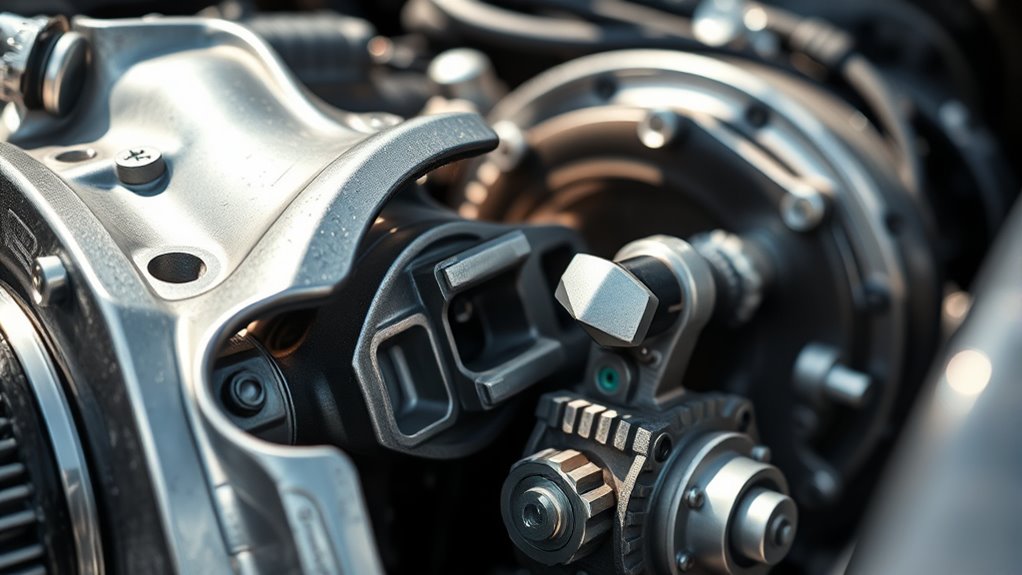
When you hear a humming noise coming from your transmission while accelerating, it often indicates an underlying issue that needs attention. One common cause is low or contaminated transmission fluid, which can cause poor lubrication and increase friction, leading to the humming sound. Regularly check your transmission fluid level and condition to prevent this problem.
Humming during acceleration may indicate low or dirty transmission fluid needing inspection.
Another factor is engine resonance, which can amplify vibrations and produce a humming noise that seems to come from the transmission area. If your transmission fluid is old or dirty, it can also cause increased bearing wear and create noise.
Worn or damaged transfer gears or bearings might be behind the sound as they struggle to operate smoothly under acceleration. Recognizing these signs early can help you fix problems before they get worse, keeping your vehicle running quietly and reliably.
Proper maintenance of transmission fluid and understanding engine resonance effects can help minimize humming noises.
How Can I Diagnose Transmission Humming Noise Myself?
If you’re trying to figure out where that humming noise is coming from, start by really paying attention to when you hear it. Is it happening all the time, or only when you’re shifting gears or cruising at certain speeds? Noticing these details can give you some clues.
Next up, check your transmission fluid level. If it’s low or looks dirty, that might be the culprit. Sometimes, just topping it up or changing the fluid can quiet things down. Catching these signs early and keeping your transmission fluid in good shape can save you from bigger problems down the road.
Identify Humming Sounds Early
Detecting a transmission humming noise early can save you from costly repairs later on. Keep a close ear out for any unusual sounds, especially when you’re accelerating.
The humming frequency often changes with engine speed and load, so pay attention when it gets louder. Listen carefully—if the hum stays steady but gets worse with acceleration, it could point to a transmission issue.
Try to distinguish it from engine or exhaust noises by listening at different speeds and engine revs. A noticeable increase in humming or a constant vibration while driving might be a sign of early transmission problems.
Catching these sounds early helps you fix them before they turn into expensive repairs.
Check Transmission Fluid Levels
Checking your transmission fluid levels is a simple way to start diagnosing a humming noise. Low or dirty fluid can cause issues with transmission torque and lead to strange sounds when you accelerate.
To check, park your vehicle on a level surface, warm up the engine, and find the transmission dipstick. Make sure the fluid is at the right level and looks clean. If it’s low, add the recommended fluid type to top it off.
If the fluid is dark or burnt, consider getting it filtered or replaced. The table below shows what different fluid conditions mean:
| Condition of Fluid | What It Means |
|---|---|
| Clear, reddish | Fluid is in good shape |
| Dark or burnt | Needs changing or filtering |
| Low level | Add fluid and check for leaks |
Keeping your transmission fluid in good condition helps maintain maximum torque and smooth operation.
Signs That Your Transmission Needs Professional Attention
When your transmission starts making a humming noise during acceleration, it’s a clear sign that something isn’t right. Unusual transmission noise often indicates underlying problems that need professional attention.
If the humming persists or gets worse, it could mean worn bearings, issues with transmission fluid, or internal component wear. Ignoring these signs can lead to more damage, costly repairs, or even transmission failure.
Getting your vehicle diagnosed is important at this point. A mechanic will analyze the noise, run tests, and check for abnormal vibrations or shifts. Pay attention to whether the humming only happens when accelerating or also while idling, as this can help identify the problem.
Spotting these signs early helps professionals diagnose issues accurately and recommend timely repairs. Addressing transmission noise promptly can extend your vehicle’s lifespan and keep your driving smooth and safe.
Simple Steps to Inspect Your Transmission Before Visiting a Mechanic
First off, grab the transmission dipstick and check the fluid level. Make sure it’s within the recommended range—low fluid can cause all sorts of problems. While you’re at it, take note of the fluid’s color and smell; if it’s dark or burnt smelling, that’s a sign you might need some attention.
Then, pay close attention when you’re driving. Listen for any strange noises like whining or clunking when you shift gears or accelerate—that could point to an issue. Taking a few minutes to do these simple checks can really help you catch potential problems early before you head to the mechanic.
Check Transmission Fluid Level
Before heading to a mechanic, it’s smart to check your transmission fluid level because low or dirty fluid can cause humming noises during acceleration.
Start by locating your transmission dipstick—usually near the engine bay—then remove and wipe it clean. Reinsert it fully, then withdraw to check the fluid level; it should be within the marked range.
Also, observe the fluid’s color and smell. Healthy transmission fluid is typically red and smooth. If the fluid is dark or smells burnt, it’s time for a change.
Proper transmission fluid levels are essential for smooth gear shifting. Ensuring your transmission fluid is topped off and clean can often eliminate humming issues before they get worse, helping your vehicle last longer.
Listen for Unusual Noises
Listening carefully to your vehicle’s sounds while accelerating can reveal early signs of transmission issues. Unusual noises like humming or grinding may indicate problems with transmission torque or gear synchronization.
As you drive, pay attention to any irregular sounds that change with acceleration or shifting gears. If you hear a humming noise that worsens during acceleration, it could suggest internal transmission trouble.
Likewise, grinding or slipping sounds might point to misaligned gears or poor gear synchronization. These noises often happen before more obvious symptoms show up.
When Is It Time to Seek Expert Repair for Transmission Noise?
A transmission humming noise when accelerating is often a sign that you should get expert help sooner rather than later. If your transmission fluid looks dark or has a burnt smell, that’s a clear red flag that repairs are needed.
Also, pay attention to how smoothly your gears shift. If shifting feels rough or jerky, it could mean there’s a problem beneath the surface. Ignoring these signs can lead to worse issues, costly repairs, or even complete transmission failure.
When you notice a persistent humming noise along with strange fluid color or difficulty shifting gears, it’s time to see a professional mechanic. They can accurately diagnose what’s happening, check the transmission fluid, and decide if you need a fluid change, adjustments, or more extensive repairs.
Getting help early ensures your vehicle stays reliable and safe. It can also save you money in the long run by preventing major damage.
What Are My Repair Options for Fixing Transmission Humming?
When your transmission makes a humming noise while accelerating, you have a few repair options based on what’s causing the issue and how severe it is. First, a transmission fluid analysis can help figure out if low or contaminated fluid is the problem.
Replacing or adding fluid often takes care of minor issues. If the fluid looks fine, the noise might come from worn bearings. In that case, replacing the bearings can eliminate the humming caused by damaged parts. This usually involves disassembling part of the transmission to access and install new bearings, which helps restore smooth operation.
For more serious damage, repairs like gear replacement or even a transmission rebuild might be needed. It’s always a good idea to check with a mechanic for an accurate diagnosis and the best repair plan. Addressing the root cause quickly not only stops the humming but also prevents further damage, helping your transmission last longer.
How Can Regular Maintenance Prevent Transmission Humming?
Regular maintenance plays a crucial role in preventing transmission humming by keeping your transmission components in ideal condition.
One key step is regular transmission fluid change, which ensures proper lubrication and reduces wear on internal parts.
Fresh fluid prevents overheating and minimizes metal-to-metal contact that can cause whines or hums when accelerating.
Moreover, torque converter adjustment helps maintain smooth power transfer between the engine and transmission, reducing unnecessary vibrations and noise.
When you keep these parts in check, you prevent the buildup of dirt and debris that can cause noise issues over time.
Regular inspections of the transmission fluid level and quality allow early detection of potential problems.
By consistently performing these maintenance tasks, you minimize the chances of developing humming noises, extend your transmission’s lifespan, and keep your vehicle running smoothly during acceleration.
Proper upkeep saves you money on repairs and improves overall driving comfort.
Tips to Extend Your Transmission’s Lifespan and Avoid Humming
Want to keep your transmission running smoothly and avoid that annoying humming sound? One of the best things you can do is to regularly check and change the transmission fluid. Keeping the fluid fresh helps prevent wear and tear, so your transmission stays in good shape.
It’s also super important to make sure your cooling system is working well, especially if you’re on long drives or doing heavy driving. A good cooling system keeps things from overheating, which can really help extend the life of your transmission.
And hey, if you notice any weird noises, slipping, or other issues, don’t ignore them. Addressing problems early can save you a lot of headaches later on and help your transmission stay healthy for years to come.
Regular Fluid Checks
| Tip | Benefit |
|---|---|
| Check fluid every 30,000 miles | Spot early signs of wear and tear |
| Replace fluid as recommended | Keep the fluid in good condition |
| Use manufacturer-approved fluid | Help your transmission last longer |
Proper Transmission Cooling
A well-working cooling system keeps the transmission fluid at the right viscosity, lowering friction and heat.
To keep things running smoothly, regularly check and replace the transmission fluid to match your vehicle’s conditions.
Also, make sure the cooling system is clean and free of debris. Check for leaks or blockages that could reduce efficiency.
Using the recommended fluid type helps maximize cooling performance and prevent overheating.
Improving your cooling system boosts transmission life and cuts down on noise. Staying proactive helps you avoid heat-related humming and keeps your transmission in good shape.
Prompt Repair of Issues
Addressing issues promptly is key to extending your transmission’s lifespan and preventing disturbing humming noises. Regularly performing a transmission fluid check helps catch problems early before they worsen. Low or dirty fluid can cause increased friction and noise, so keep an eye on fluid levels and condition.
If you notice unusual sounds or performance issues, don’t delay—seek mechanical diagnostics from a professional. These diagnostics pinpoint the root cause more accurately than guesswork, enabling swift repairs.
Ignoring early signs can lead to more extensive damage and costly repairs down the line. By staying proactive, you protect your transmission from unnecessary wear and maintain smooth, quiet acceleration. Quick action combined with routine maintenance preserves your transmission’s health and guarantees long-term reliability.
Early Warning Signs of Transmission Wear and Tear
One of the earliest signs that your transmission may be wearing out is when you notice a humming noise during acceleration. This sound often indicates underlying issues that could get worse if you ignore them. To catch problems early, pay attention to these warning signs:
- Changes in vibration patterns, like added shuddering or roughness when shifting gears.
- Gear shift symptoms, such as slipping, delayed engagement, or difficulty shifting smoothly.
- Unusual noises, including humming or grinding sounds, especially when accelerating or under load.
These signals suggest your transmission is under stress or starting to wear out. Addressing them early can help you avoid costly repairs. If you notice any of these signs, don’t wait—vibration and shifting issues are key indicators of potential transmission failure. Regularly monitoring your vehicle helps you catch problems before they get worse.
Frequently Asked Questions About Transmission Humming
Have you ever wondered what that humming noise during acceleration really means for your car’s transmission? Usually, it points to an issue with gear synchronization or the transmission clutch.
If your transmission clutch isn’t working right, it can cause a humming sound as it struggles to engage gears smoothly. This noise might also come from worn gears that aren’t syncing properly, creating that humming vibration.
Many drivers ask if this noise means a transmission failure is near. Often, it’s a sign you should check it out before more serious damage happens. Others wonder if the humming gets worse with speed or engine load—and usually, it does.
Quick inspections and early repairs can save you from costly repairs or replacements down the line. Remember, that humming noise isn’t just annoying; it’s your vehicle warning you that your transmission might need some attention. Addressing it early can help keep everything running smoothly and extend the life of your car.
Frequently Asked Questions
Can Transmission Humming Noise Indicate Imminent Failure?
Yes, a transmission humming noise can signal imminent failure, especially if it gets louder during acceleration.
You should run transmission diagnostics to find out what’s causing it quickly. Noise mitigation strategies, like checking the fluid or replacing parts, can help prevent more damage.
Ignoring the noise could lead to costly repairs down the road, so it’s best to address it promptly. Dealing with it early helps keep your transmission reliable and extends its lifespan, saving you money in the long run.
Does Transmission Fluid Type Affect Humming Noise During Acceleration?
They say, “You are what you eat,” and the same applies to your transmission fluid. Yes, the type of transmission fluid affects humming noise during acceleration.
Using the correct fluid guarantees proper lubrication and sound insulation, helping to reduce noise. However, using the wrong fluid can cause increased friction and vibrations, making the hum worse.
Always choose the manufacturer-recommended transmission fluid for a smoother, quieter ride and longer transmission life.
Are Aftermarket Transmissions More Prone to Humming Issues?
Aftermarket transmissions can sometimes be more prone to humming issues because they often involve upgrades that might not match your vehicle’s specifications perfectly. These differences can lead to increased noise or vibrations.
Installing an aftermarket transmission might also affect your warranty coverage. It’s a good idea to think about potential warranty implications before making any modifications.
Proper installation and choosing high-quality parts can help reduce humming and keep your transmission working well for a longer time.
How Often Should Transmission Components Be Inspected for Humming Problems?
Back in the days of rotary phones, you’d check your transmission more often, and now it’s no different.
You should inspect your transmission components regularly, ideally every 30,000 to 60,000 miles.
Focus on transmission alignment and fluid degradation, as both can cause humming issues.
Regular inspections help catch problems early, preventing costly repairs and ensuring smooth, quiet operation during acceleration.
Can Road Conditions Influence Transmission Humming Noise?
Yes, road conditions can influence the transmission humming noise. Rough road surfaces and uneven pavement create more vibrations, which can make the humming sound louder during acceleration.
Weather conditions like cold or wet weather can also affect transmission fluid and its components, leading to noise issues. You might notice more humming when driving on bumpy roads or in bad weather.
This highlights the importance of regular inspections and maintenance to keep your transmission running smoothly and quietly.
Conclusion
If you notice a humming noise when you accelerate, don’t ignore it. Addressing it early could save your transmission from costly repairs down the road. Sometimes, the cause is simple, but other times, it’s a sign of deeper issues lurking beneath the surface.
The key is staying vigilant and taking action at the right moment. Listen closely to what your vehicle is telling you. The true extent of what’s wrong might just be hiding beneath the surface—are you ready to uncover what your transmission’s been trying to tell you?