Whirring Noise When Driving: What Are The Causes & Fixes?
Are you tired of that annoying whirring noise when you’re driving and not sure what’s causing it? You’re not alone—many people struggle with identifying unusual sounds from their vehicle and worry about potential repairs.
A whirring noise while driving can be stressful, especially if you’re unsure whether it’s something serious.
A whirring noise while driving can result from several issues, like unbalanced tires, worn wheel bearings, slipping drive belts, or problems with your differential or exhaust system.
Usually, these sounds change with speed or when turning, helping you identify the cause.
Regular maintenance—such as checking tire pressure, inspecting belts, and fluid levels—can prevent many of these problems.
For more tips on pinpointing and fixing the source, keep exploring what could be behind that noise.
Key Takeaways
- Worn or unbalanced tires often make a steady whirring sound, especially when you’re driving fast or on uneven surfaces.
- Failing wheel bearings create a consistent noise that tends to get worse when you turn or drive over different surfaces.
- Worn drive belts or misaligned pulleys can cause whirring or squealing sounds, which might also affect how your engine runs.
- Exhaust leaks or restrictions might produce whirring noises during acceleration, and you may notice visual damage or fumes as clues.
- Keeping up with regular maintenance like fluid checks and belt replacements can help prevent common causes of whirring noises while you’re driving.
What Causes a Whirring Noise When I Drive?
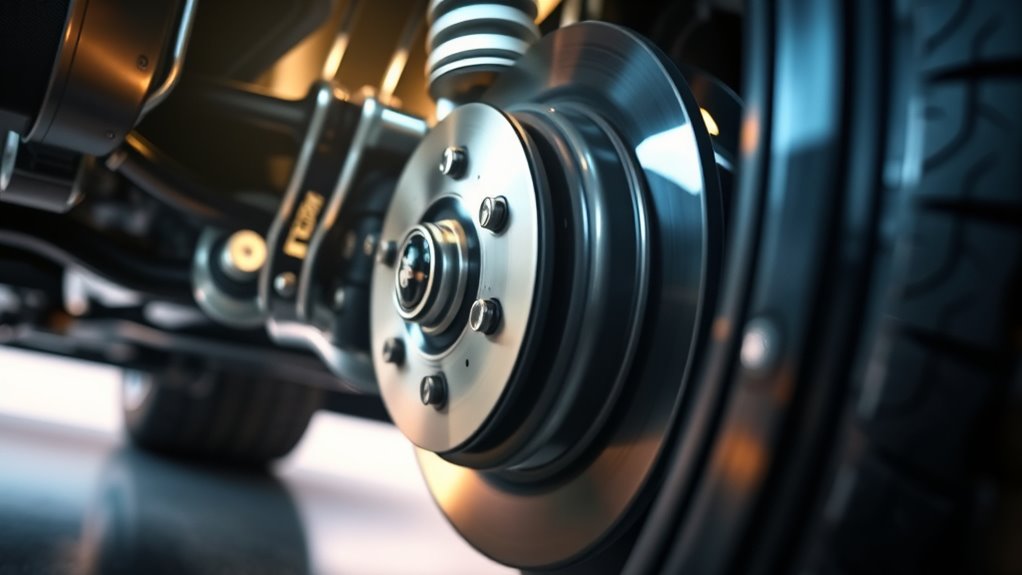
A whirring noise when you’re driving often means something in your car is working harder than it should or has wear. One common cause is out-of-balance tires, which create a steady, spinning sound as your wheels turn unevenly.
Getting your tires properly balanced can make the noise go away and make your ride smoother. Another possible cause is incorrect engine timing. If the timing is off, your engine can make a high-pitched whirring or humming sound, especially at certain speeds.
Properly balanced tires and correct engine timing ensure a quieter, smoother ride and prevent costly repairs.
This happens because the engine’s parts aren’t synchronized right, which causes extra strain and noise. Keeping your tires balanced and having your engine timing checked regularly can help prevent or reduce these sounds.
Ignoring these signs might lead to bigger issues later. So, it’s a good idea to have a professional inspect your vehicle if you notice the noise. Fixing these problems early keeps your drive quiet and smooth.
How Can You Tell If the Noise Comes From Tires or Wheel Bearings?
Determining whether the whirring noise comes from your tires or wheel bearings means paying close attention to when and how the sound happens. First, listen for changes based on driving conditions:
- Speed: If the noise gets louder as you go faster, it could be worn tire tread or badly aligned tires. Uneven tire wear or misalignment usually cause a steady, high-pitched hum at higher speeds.
- Cornering: If the sound shifts or gets louder when you turn, wheel bearings might be to blame. They often make noise during sideways motions, like turning.
- Surface: Driving over rough or uneven roads might cause worn tires to produce more noise because of tread irregularities. Wheel bearings, on the other hand, tend to make consistent noise no matter the surface.
Pay attention to these signs to figure out if worn tires or failing wheel bearings are causing the noise. This can help you identify the source more accurately.
Could a Worn Drive Belt Be the Source of the Whirring?
Worn drive belts can often produce a distinctive whirring or screeching noise that might be mistaken for other issues under the hood. This noise indicates the belt’s rubber may be cracked, frayed, or slipping, which affects performance. When the drive belt wears out, it can cause a high-pitched, rhythmic sound as it slips over pulleys.
Here’s a quick comparison:
| Drive Belt Condition | Typical Noise | Effect on Vehicle | Common Cause |
|---|---|---|---|
| New or Healthy | Quiet | No noise | Proper tension |
| Worn or Cracked | Whirring, Squealing | Reduced efficiency | Age or wear |
| Loose or Slipping | High-pitched screech | Possible overheating | Tension loss |
| Frayed or Fractured | Rattling sound | Possible belt break | Damage or aging |
| Misaligned | Rhythmic noise | Belt slipping | Pulley misalignment |
If you hear these sounds, inspecting the drive belt should be your next step.
Are Your Differential or Axles Noisy? How to Check
Noticing a whining or grinding noise when you’re turning or speeding up? That could be a sign that your differential or axles are acting up. The easiest way to start checking is by just paying close attention to how your car sounds during different drives — any unusual noises? Also, take a look around for leaks or uneven tire wear, as these can give clues about what’s going on.
If you want to do a more hands-on check for your axles, you’ll need to lift the vehicle safely and turn the wheels by hand. Feel for any tight spots or looseness—that’s often an indication that the axles might need some attention. Getting familiar with these little signs can help catch issues early before they turn into bigger problems.
Identifying Differential Noise
When you hear a buzzing or humming sound from your vehicle, it could mean your differential or axles are acting up. Differential noise usually sounds like a steady, high-pitched whine or rumble that gets louder as you speed up.
You might also feel torsional vibration, which is that uneven or shuddering sensation—this could point to misaligned or worn gears. To figure out if your differential is the culprit, start by listening carefully during acceleration, deceleration, and turns. Continuous noise in these situations often signals a problem.
Next, check for unusual vibrations while driving, especially when taking sharp turns. These could be signs of torsional vibrations caused by internal issues. Also, look around the differential housing for leaks or metallic shavings, which are clues that internal parts might be worn or damaged.
Noticing these signs can really help you identify if your differential is causing the whirring noise and needs attention.
Checking Axle Functionality
To check if your axles are causing the noise, start by performing a simple test while parked or moving slowly. Listen for any grinding or clicking sounds during slight turns.
Inspect the axles for visible damage, leaks, or worn CV joints. Also, do a quick rotation of the wheels by hand to listen for roughness or grinding, which could indicate bearing issues.
Observe for unusual vibrations or any play in the axles when driving slowly. Check for leaks around the axle seals, looking for grease or fluid.
If you find bearing problems, it’s a good idea to consider replacing them. Taking care of axle issues early can prevent more serious damage and reduce noise.
Is Your Exhaust System Causing the Whirring Sound? Signs to Look For
If your exhaust system is making that pesky whirring sound, you might hear some unusual noises lingering under your car. It’s pretty normal to notice a bit of noise, but if it feels louder or different than usual, it’s worth taking a closer look.
One common sign of a problem is an exhaust leak. You might hear a hissing or popping noise coming from under your vehicle, and if you spot any visible damage or rust around the exhaust pipes, those are red flags too. Catching these issues early can save you from more expensive repairs down the line and help keep your car running smoothly.
Unusual Exhaust Sounds
- A high-pitched whirling sound during acceleration might mean there are restrictions in your exhaust system. It’s a good idea to get this checked out to prevent further issues.
- If you notice vibrations or strange noises that seem tied to electrical problems, it could be a sign of engine misfires. Don’t ignore these sounds because they can cause more damage down the line.
- A constant or pulsating whirring noise could be from loose parts or damaged mufflers. Keeping an eye on these sounds helps catch potential problems early.
These noises might also relate to electrical faults messing with exhaust sensors or tension caused by prolonged driving stress. Addressing these signs quickly can save you from costly repairs later.
Exhaust Leak Signs
A whirring sound during driving could be a sign of an exhaust leak. It often shows up as a high-pitched or unusual noise. To check, listen for increased engine noise or rattling underneath your vehicle.
You might also notice a smell of exhaust fumes inside the cabin or see soot or black spots around the exhaust system. Leaks can be tricky to spot but inspecting for cracks, holes, or loose connections can help.
An exhaust leak can affect your car’s performance and emissions and could be dangerous because of toxic fumes. If you think there’s a leak, don’t ignore it.
Addressing it early can prevent more damage and keep your driving safe and efficient. Always have a mechanic confirm the leak and fix it quickly.
When Should You Check and Replace Car Fluids to Stop Noises?
Noises while driving can often signal that your car’s fluids need attention. If you notice a whirring or irregular sound, it’s time to check your fluids. Here are key moments to do so:
- Engine Oil: Check your engine oil every 3,000 to 5,000 miles or when you hear engine noise or notice rough idling. Low or dirty oil can make engine parts work harder, causing noise and potential damage.
- Transmission Fluid: Inspect your transmission fluid every 30,000 to 60,000 miles. It lubricates the transmission parts, and if it’s low or degraded, you might hear whining or whirring sounds when shifting.
- Unusual Noises: Any new or worsening noise during driving should prompt an immediate fluid check. Fresh, clean fluids help protect moving parts, reduce noise, and prevent costly repairs.
Simple Checks Before Taking Your Car to the Mechanic
Before rushing to the mechanic, there are a few simple checks you can do yourself to identify potential issues causing the whirring noise. First, inspect your tire pressure. Underinflated or uneven tires can create a persistent whirring sound, especially at higher speeds. Use a gauge to confirm each tire matches the recommended PSI, and adjust if needed.
Next, listen to your air conditioning system. Sometimes, an overheated or malfunctioning A/C compressor can produce a whirring noise when turned on. Turn on the A/C and note if the noise persists or worsens. If it does, it may indicate a problem with the compressor or the belt driving it.
Also, check for debris or damage around the tires and under the vehicle that could cause noise. These straightforward checks can help you pinpoint the likely source before seeking professional help.
How Regular Maintenance Can Prevent Whirring Noises
Keeping up with regular fluid changes is a great way to prevent parts from wearing out and causing that annoying whirring noise. When you stay on top of these basics, your vehicle runs smoother and quieter.
And don’t forget about your brakes! Getting them inspected regularly ensures everything stays in good shape and helps avoid that squealing or grinding sound when you brake.
Basically, sticking to these simple maintenance steps can save you a lot of hassle and money down the road, making your drives quieter and more comfortable.
Consistent Fluid Changes
Regularly changing your vehicle’s fluids is one of the best ways to prevent those whirring noises while you’re driving. Fresh oil helps maintain proper oil levels and reduces strain on engine parts that can cause noise.
Plus, new fluids help lubricate rubber mounts, stopping squeaks and whispers from worn components. To keep your vehicle running smoothly, focus on checking and topping off oil levels regularly so parts don’t dry out and make noise.
It’s also important to replace engine oil and transmission fluid as recommended. That keeps the engine running smoothly and prevents those harsh vibrations and strange sounds.
Lastly, don’t forget to inspect and change coolant and power steering fluids. Degraded fluids can cause rough vibrations and whirring sounds, so keeping them fresh makes a big difference.
Timely Brake Inspections
Maintaining your brakes is key to preventing whirring noises while driving. Regular brake inspections catch issues like worn brake pads or warped rotors before they cause noise or damage.
During inspections, check tire pressure because uneven pressure can affect braking performance and cause unusual sounds. Also, confirm your engine oil level is adequate; low oil can lead to overheating, impacting brake components indirectly.
If you notice a persistent whirring sound, don’t wait—schedule a timely brake inspection. Addressing problems early helps avoid costly repairs and keeps your braking system functioning smoothly.
Routine maintenance not only prevents noise but also improves overall vehicle safety and longevity. Staying proactive with your brake system is the best way to keep your drives quiet and secure.
When Is It Time to See a Professional for Your Car’s Whirring Noise?
A whirring noise while driving isn’t something to ignore, especially if it sticks around or gets worse over time. If you hear this sound along with suspension issues or engine vibrations, it’s a sign to see a professional. Waiting too long can lead to more costly repairs or unsafe driving conditions.
You should consider finding a mechanic if:
- The noise is loud and constant, making it hard to focus or feel comfortable.
- You notice frequent suspension problems or uneven tire wear.
- Engine vibrations come with the whirring, which could mean issues with your drivetrain or belts.
These signs point to underlying problems that need a pro’s diagnosis. Ignoring them might cause more damage to your car’s parts, raising repair bills and risking your safety. Visiting a mechanic early on can help fix things like worn suspension parts or engine misalignments, keeping your ride smooth and safe.
Troubleshooting Your Car’s Whirring Noise: Next Steps and Tips
When you first notice a whirring noise while driving, pay attention to when it happens and how loud it is. Is it constant or only during acceleration? Does it change with speed or engine RPM? These details can help you figure out whether the issue comes from your engine, bearings, or other parts.
Check your vehicle’s engine performance—any rough running or stalls could point to a problem affecting efficiency. Also, see if your fuel efficiency drops because that might indicate other underlying issues.
Basic troubleshooting includes inspecting belts, pulleys, and fluid levels, since these are common causes of such noises. Listen carefully to the pitch and pattern of the sound to narrow down what might be wrong.
If the noise persists or gets worse after these checks, it’s best to see a mechanic for a proper diagnosis. Taking quick action now can save you time and money down the road.
Frequently Asked Questions
Can Ambient Temperature Affect the Whirring Noise in My Car?
Yes, ambient temperature can affect the whirring noise in your car. As temperatures change, engine vibration might increase or decrease, which can impact how components like the alternator or bearings work.
Extreme heat or cold can also cause uneven tire wear, leading to a whirring sound. It’s a good idea to check your tires and listen carefully during temperature shifts to see if these factors are causing the noise.
Do Aftermarket Parts Increase the Likelihood of a Whirring Sound?
It’s no coincidence that aftermarket parts often cause a whirring sound during noise troubleshooting. You might have installed something that doesn’t perfectly match your car’s original setup.
Aftermarket modifications can introduce new vibrations or change how parts interact, which can increase the chances of noise. To find the cause, check each modification carefully. Make sure all components are installed correctly and are compatible.
This approach could help reduce or eliminate that unwanted whirring sound.
How Does Wheel Alignment Impact the Whirring Noise?
Poor wheel alignment can cause uneven tire wear, which might produce a whirring noise you notice while driving. It can also lead to bearing failure over time, creating a consistent humming or whirring sound.
When your wheels are misaligned, they put extra stress on the bearings and tires. Fixing the alignment reduces uneven wear and helps prevent premature bearing failure.
Ultimately, this can eliminate the whirring noise and make your ride smoother.
Can a Broken Suspension Cause a Whirring Noise While Driving?
Yes, a broken suspension can cause a whirring noise while driving. If your suspension has issues with noise or shock absorbers, you might notice a persistent whirring sound, especially on uneven surfaces or when turning.
These problems often lead to increased vibrations and noise being transmitted from worn or damaged shocks. This can affect your ride comfort and make driving less smooth.
It’s really important to get your suspension checked and repaired quickly. Doing so helps prevent further damage and keeps your driving safe.
Is It Safe to Drive With a Persistent Whirring Noise?
It’s not safe to keep driving if you notice a persistent whirring noise, especially if it’s related to tire tread or engine timing issues.
A worn tire tread can cause uneven noise and reduce grip, which makes driving risky. Incorrect engine timing can lead to engine strain and cause more damage.
You should have your vehicle inspected promptly to find out what’s causing the noise. Fixing it early helps ensure safe driving and can save you money on repairs later.
Conclusion
If your car’s whirring noise persists, don’t ignore it—think of it as your vehicle’s urgent warning signal, loud enough to rival a rocket launch. Addressing noisy components early can save you from costly repairs and make your drives smoother than a velvet ribbon.
Regular checks and timely fixes can transform your car back into a quiet, reliable companion. Prevent that relentless sound from turning into a mechanical monster by staying vigilant.
Keep your ride whispering instead of roaring. A little attention now can keep your vehicle running smoothly and quietly for miles to come.