How to Fix Rubbing Noise When Steering Wheel Turns: Essential Tips
Getting a rubbing noise when turning your steering wheel can be pretty annoying and worrisome. Many people struggle with this issue, wondering if it’s something serious or just minor maintenance. If you’re dealing with this problem, you’re not alone—it’s more common than you think.
How to Fix Rubbing Noise When Steering Wheel Turns: Essential Tips
If you notice a rubbing noise when turning the steering wheel, start by checking your tire pressure and verify your power steering fluid is at the right level.
Inspect belts for cracks or looseness, as worn belts can cause noise.
Examine steering components for wear or damage and lubricate parts if needed.
If these steps don’t resolve the issue, more detailed checks may be required.
Keep going, and you’ll find essential tips to fix it effectively.
Key Takeaways
- Check and top up your power steering fluid to ensure proper lubrication. This can help reduce rubbing noises when you turn the steering wheel.
- Take a look at the belts and pulleys for any cracks, looseness, or signs of wear. Replace or tighten them as needed to keep everything running smoothly.
- Examine steering parts like tie rods and bushings for damage or looseness. If you spot any issues, replace the faulty parts quickly to avoid more serious problems.
- Make sure your tire pressure is correct. Proper inflation helps reduce uneven contact with the road and steering resistance that can cause noise.
- If the noise keeps going after these checks, it’s best to have a professional inspect your steering system. They can identify internal issues and get everything fixed properly.
What Causes Rubbing Noise When Turning Your Steering Wheel?
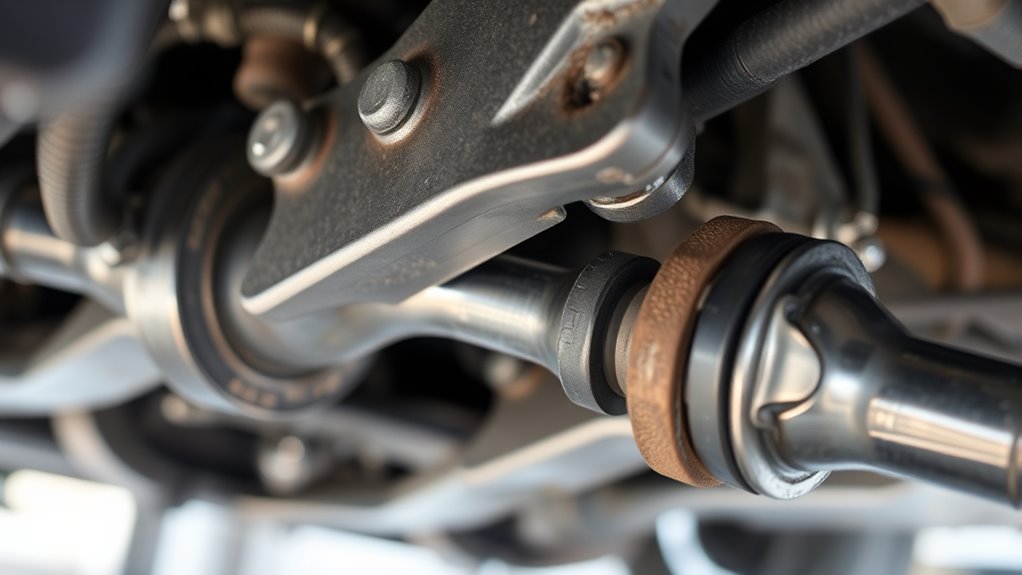
A rubbing noise when turning your steering wheel often signals a problem with your vehicle’s suspension or steering parts. One common cause is incorrect tire pressure. If your tires are underinflated or overinflated, they won’t contact the road evenly, which can cause strange noises during turns. Keeping the right tire pressure helps your tires wear evenly and reduces stress on suspension parts.
Another thing to check is steering torque. If your steering system has to work harder than it should, it can make rubbing noises. This might happen because parts like the power steering pump or steering rack are worn out or damaged. When these components aren’t working properly, they put extra strain on your steering, making it harder to turn and causing noise. Recognizing these issues early can help prevent bigger problems and keep your steering smooth and quiet.
How to Diagnose the Source of Steering Wheel Squeaks or Grinds
If your steering wheel squeaks or grinds when turning, diagnosing the issue quickly can help prevent more serious damage. A noisy steering wheel can come from different problems, so it’s important to pinpoint where the sound is coming from.
Start by checking the power steering fluid level. Low fluid can cause squeaks when you turn. Then, visually inspect the steering parts for wear or damage, especially the belts and pulleys. Listen closely while turning at different speeds to find where the noise is coming from.
Check power steering fluid and inspect belts for wear to diagnose squeaking noise when turning.
Look at the power steering belt for cracks or if it’s loose. Check the steering column and bushings for looseness or signs of wear. Also, inspect the steering linkage for obstructions or damage. Feel for roughness or binding when you turn the wheel.
Getting an accurate diagnosis helps you figure out if the noise is from worn parts or lubrication issues. This will guide you on the best repair steps to take.
Are Your Power Steering Components Worn Out? Here’s How to Check
Power steering components can wear out over time, leading to noise, hard steering, or even failure. To check for worn parts, start by inspecting the steering rack and pinion, which are key to smooth steering.
If your steering wheel has ergonomic controls, make sure nothing feels loose or overly stiff. Listen carefully when turning; grinding or squeaking sounds can mean joints, bushings, or pumps are worn out.
Feel for resistance or unusual play in the steering wheel. These signs point to worn power steering parts that might need replacing. Also, examine the power steering belt for cracks or looseness, as a damaged belt can lower performance.
Next, check the hoses for leaks—leaking hoses reduce hydraulic pressure and affect steering. Remember, difficulty steering or strange noises should be addressed early to avoid more serious damage.
Regular checkups help keep your steering system responsive and safe, preventing unexpected failures when you need to turn.
How to Inspect and Refill Your Power Steering Fluid Correctly
Wondering how to guarantee your power steering system runs smoothly? Start by inspecting your power steering fluid level regularly. Locate the reservoir, usually near the engine, and check the fluid after the engine has cooled. Look for a dipstick or transparent container with markings.
To confirm proper refilling, use the correct type of steering fluid and avoid overfilling. When refilling, do it slowly to prevent air bubbles, which can cause noise issues. After filling, turn the steering wheel from lock to lock several times to circulate the fluid evenly.
Always replace the cap securely to prevent leaks and dirt contamination. Check the fluid level against the marked indicators and listen for any abnormal noises after the refill. Following these steps helps keep your steering smooth and quiet.
What Belt Issues Can Make Steering Turn Noisier? How to Fix Them
If your steering is getting noisier, it could be due to worn or loose belts like the serpentine or alternator belt. These belts play a crucial role in the engine’s operation, and if they start to wear out or loosen up, you might hear squealing or rubbing sounds when you turn the wheel.
Damage to the power steering belt can also be a culprit, causing similar noises. The best thing to do here is to give your belts a good inspection. Look for cracks, fraying, or any signs of damage. If the belts are loose, you’ll want to tighten them up. If they’re worn out or damaged, replacing them is usually the way to go. Doing this can help stop the noise and get your steering feeling smooth again.
Serpentine Belt Wear
If your steering wheel turns with unusual noise, the serpentine belt might be the culprit. As the belt ages, rubber deterioration can cause creaking, squeaking, or rubbing sounds. Worn-out belts slip or become misaligned, increasing the noise when turning.
To fix this, check the belt’s tension. It should be firm but not overly tight. Loose belts can slip, while too tight belts strain other components. Look for cracks, fraying, or glazing on the belt surface. If you notice any of these issues or loose tension, replacing the serpentine belt is essential.
Proper tension and good rubber condition prevent unnecessary noise and guarantee smooth steering. Regular inspections help catch these problems early and keep your steering quiet and responsive.
Alternator Belt Slack
A loose alternator belt can cause your steering wheel to make noise when turning. When the belt isn’t properly tensioned, it can slip against pulleys, leading to more steering wheel vibration and noise.
To fix this, check the alternator belt tension and tighten it if it feels slack. Usually, there’s a tensioner pulley that lets you adjust the belt’s tightness; check your vehicle’s manual for specific instructions.
Proper tension ensures the belt runs smoothly, reducing noise and vibration when steering. If the belt keeps slipping or has cracks or glazing, it’s time to replace it.
Keeping the alternator belt properly tensioned is essential for quiet, smooth steering. It also helps prevent further damage and keeps your vehicle performing at its best.
Power Steering Belt Damage
Have you noticed increased noise when turning your steering wheel? If so, your power steering belt might be damaged or worn out. A faulty belt can slip or crack, causing squeals and making steering less smooth.
This can also affect your steering wheel grip, making turns harder and noisier. Plus, belt issues can interfere with your horn working properly since some vehicles share belt-driven components.
Check for these signs:
- Squealing sounds when turning
- Cracks or fraying on the belt
- Looseness or slipping belt
- Reduced response from the horn
Replacing a worn or damaged power steering belt restores smooth steering, cuts down on noise, and ensures your horn works right. Regular inspections can prevent further damage and keep your steering quiet and reliable.
Signs You Need a Wheel Alignment or Suspension Check
When your steering wheel pulls to one side or the other while you’re driving, that’s a clear sign your vehicle might need a wheel alignment or suspension check.
You may notice uneven tire wear, which can happen if your wheels are misaligned. Regularly checking your tire balance and rotating your tires helps prevent this, but if the pulling continues, it’s time for a professional inspection.
If your vehicle drifts or feels unstable, it’s a strong hint that your suspension components might be giving out.
A vibrating steering wheel at certain speeds also points to possible misalignment or suspension issues.
Watch out for uneven or feathered tire edges—they’re signs of alignment problems too.
Addressing these signs early keeps your vehicle handling smoothly and helps prevent further damage, saving you money down the road.
Regular maintenance and catching issues early are key to keeping your wheel alignment and suspension in top shape.
When Should You Seek Professional Help for Steering Problems?
While noticing signs like uneven tire wear, steering wheel pull, or vibrations can indicate ongoing issues, some problems demand professional help for your safety. If you have trouble with your steering wheel’s ergonomics or if decorations become loose or interfere with steering, it’s time to see a mechanic.
Address steering issues promptly to ensure safety and proper vehicle control. Seek professional help if problems persist.
Sharp or persistent rubbing noises, difficulty turning the wheel smoothly, or stiffness signal underlying problems that need expert diagnosis. Don’t ignore symptoms that affect your control or comfort.
Seek help when the steering wheel feels unresponsive or excessively stiff. If the rubbing noise worsens or persists despite basic checks, it’s a sign to get it checked.
Notice uneven steering wheel angles affecting comfort? That’s another reason to consult a professional. Also, if loose decorations interfere with steering movement or safety, don’t delay getting help.
How to Lubricate and Maintain Your Steering Parts
First things first, take a good look at your steering parts to see if there’s any wear or damage. It’s always better to catch any issues early on. Then, go ahead and apply the right type of lubricant to the moving parts—this helps reduce friction and keeps things running smoothly.
And don’t forget, regular maintenance checks are key. By doing these often, you’ll help prevent bigger problems down the road and ensure your steering stays in top shape.
Inspect Steering Components
To guarantee your steering system functions smoothly, regularly inspecting its components is essential. Start by checking the steering fluid level and quality. Low or dirty fluid can cause noise and stiffness.
Next, examine the control modules for any signs of wear or damage. Faulty control modules can impact steering response. Also, inspect the steering rack, tie rods, and bushings for looseness, corrosion, or cracks.
Make sure the power steering pump operates correctly. Listen for any unusual sounds that could indicate a problem. It’s also important to ensure all bolts and fittings are secure.
Regularly evaluating these parts helps catch issues early, preventing further damage. Addressing problems promptly keeps your ride quieter and smoother, and it extends the lifespan of your steering system.
Apply Proper Lubricant
Are your steering components properly lubricated? Proper lubricant application is key for reducing noise and ensuring smooth operation.
Start by identifying the moving parts like the steering rack and tie rods. Use a good-quality grease or spray lubricant made for cars.
Apply it evenly to these parts, making sure to reach pivot points and joints. Be cautious not to over-lubricate, as excess can attract dirt and debris.
Regular lubrication helps keep parts flexible and prevents squeaks or grinding when turning the wheel.
Remember, well-lubricated steering parts work more quietly and efficiently, reducing wear and tear.
Keep up with lubrication as part of your routine maintenance to avoid noise and enjoy smoother steering.
Regular Maintenance Checks
Focusing on tasks like tire rotation ensures even wear, which reduces strain on steering parts. Regular brake checks also prevent unusual resistance that can cause noises.
Don’t forget to check and lubricate parts like tie rods and joints, so everything moves smoothly. Maintaining proper fluid levels and adjusting your steering alignment regularly make a big difference.
Staying on top of these tasks reduces the risk of steering noise and helps your system last longer. Consistent care leads to a quieter, safer drive.
Preventative Tips to Keep Your Steering Quiet and Smooth
Maintaining your steering system regularly is key to keeping your ride quiet and smooth. One simple tip is to adjust your seat and steering wheel for better ergonomics—this helps reduce strain and uneven wear on parts.
Regularly maintaining your steering system ensures a quiet, smooth ride and extends component lifespan.
Keep noise levels down inside your vehicle by sealing any gaps around the dashboard and doors. These gaps can amplify sounds during steering, making things noisier than they need to be.
Regularly check and lubricate your steering linkage and joints. Doing this prevents squeaks and friction that can cause noise over time. It’s also important to keep your tires at the right pressure, since under- or over-inflated tires can make steering harder and noisier.
Lastly, avoid driving in harsh conditions that put extra stress on your steering system. These simple preventive steps will help keep your steering responsive, quiet, and smooth, while also extending the life of your steering components.
Replacing Worn Out Parts: When and How to Do It Safely
If you start noticing your steering feels loose or you hear strange noises, it might be time to replace some parts. Those signs usually mean something’s worn out and needs attention. Don’t ignore them — catching issues early can save you a lot of trouble down the road.
When you’re ready to replace parts, make sure you do it safely. That means lifting the vehicle properly and using the right tools. If you’re not comfortable with the process, it’s best to consult a professional or follow detailed guides to avoid any accidents.
Knowing how to spot worn components and replace them correctly can really make a difference. It helps keep your steering smooth and prevents more damage from happening. Taking the time to do it right ensures your car stays safe and runs well for a long time.
Signs of Worn Parts
When steering becomes difficult or noises like squeaking and grinding emerge, it’s a clear sign that some parts may be worn out. You might notice unusual steering wheel vibrations or uneven tire pressure, which can point to suspension issues.
These signs often indicate worn or damaged components that need attention. Keep an eye out for:
- Excessive steering wheel vibrations during turns
- Unusual noises when turning the wheel
- Noticeable tire pressure inconsistencies
- Difficulty steering or increased steering effort
Addressing these signs early can prevent further damage. Worn parts like steering components or suspension parts can cause rubbing noises and compromise safety. Regular checks help identify these signs before steering becomes unsafe or costly repairs are needed.
Proper Replacement Procedures
Knowing when to replace worn-out steering or suspension parts is key to safe driving and avoiding further damage. If you notice persistent steering wheel vibrations or a rattling noise when turning, it’s time to check and replace the worn components.
To do this safely, lift your vehicle securely with jack stands. Then, disconnect the damaged parts like tie rods or control arms. Always follow the manufacturer’s instructions when removing and installing parts.
Use the right tools to avoid causing damage to other components. After replacing the parts, make sure everything is tightened to the recommended specifications.
Finally, test drive your vehicle to see if the noise is gone and if the steering feels smooth. Replacing parts early helps prevent bigger issues, keeps your steering responsive, and ensures you stay safe on the road.
Frequently Asked Questions
Can Weather Changes Affect Steering Noise?
Yes, weather impact and temperature fluctuations can affect steering noise. When it gets colder, the fluid thickens, and rubber parts may contract, leading to more rubbing sounds when you turn the wheel.
In hot weather, components can expand, which might cause similar noises. It’s a good idea to check your steering system regularly during changing weather conditions.
If you notice persistent rubbing or noises, consider lubrication or get a professional inspection to keep everything running smoothly.
Does Improper Tire Pressure Cause Steering Squeaks?
Yes, improper tire pressure can cause steering squeaks. When your tire pressure is too low or too high, the tires might not contact the road properly, which can lead to uneven wear and extra noise.
This imbalance in pressure puts stress on your steering system, leading to squeaks when you turn the wheel.
Regularly check and maintain the correct tire pressure to help reduce steering squeaks and keep your steering smooth and quiet.
How Often Should Steering Components Be Inspected?
An ounce of prevention is worth a pound of cure, so you should inspect your steering components at least once a year.
Check your power steering fluid regularly and watch for signs of leaks or wear. When inspecting, look for loose or damaged parts, and listen for unusual noises.
Keeping your steering system in top shape helps ensure smooth handling and avoids costly repairs down the road.
Can Misaligned Wheels Cause Steering Noises?
Yes, misaligned wheels can cause steering noises. When your wheels are out of alignment, it puts uneven stress on the steering components and tires, leading to rubbing sounds as you turn.
Proper steering alignment not only corrects these noises but also improves noise reduction and prolongs your vehicle’s life. Regularly checking and adjusting wheel alignment keeps steering smooth and quiet, preventing the annoying rubbing noise when you turn.
Are Aftermarket Parts Reliable for Fixing Steering Issues?
Did you know nearly 70% of drivers trust aftermarket parts for steering upgrades?
They can be reliable if you choose high-quality brands and ensure proper installation.
Often, aftermarket parts cost less than OEM options and can provide effective solutions for common steering issues.
But it’s really important to do your research and pick reputable manufacturers to guarantee safety, durability, and performance.
This helps you avoid future steering problems and keeps your ride smooth and quiet.
Conclusion
To keep your steering smooth and silent, think of it as tuning a finely crafted instrument. Regular checks and gentle maintenance can prevent annoying squeaks from turning into costly repairs.
Stay proactive by listening for strange noises and acting before they worsen. Early attention can save you time and money down the road.
With attentive care, your steering will glide like a whispering breeze, guiding you effortlessly through twists and turns.
Taking care of your steering helps maintain a quiet, smooth ride, especially when fixing issues like rubbing noises when turning the steering wheel.