Can Bad Spark Plugs Cause Overheating? Signs and Solutions
Many car owners worry about engine overheating, and for good reason — it can lead to costly repairs and frustrating breakdowns. If you’re experiencing issues like strange engine behavior or rising temperatures, you’re not alone.
One common but often overlooked culprit is bad spark plugs.
Yes, bad spark plugs can cause your engine to overheat by disrupting proper combustion and increasing stress on engine components.
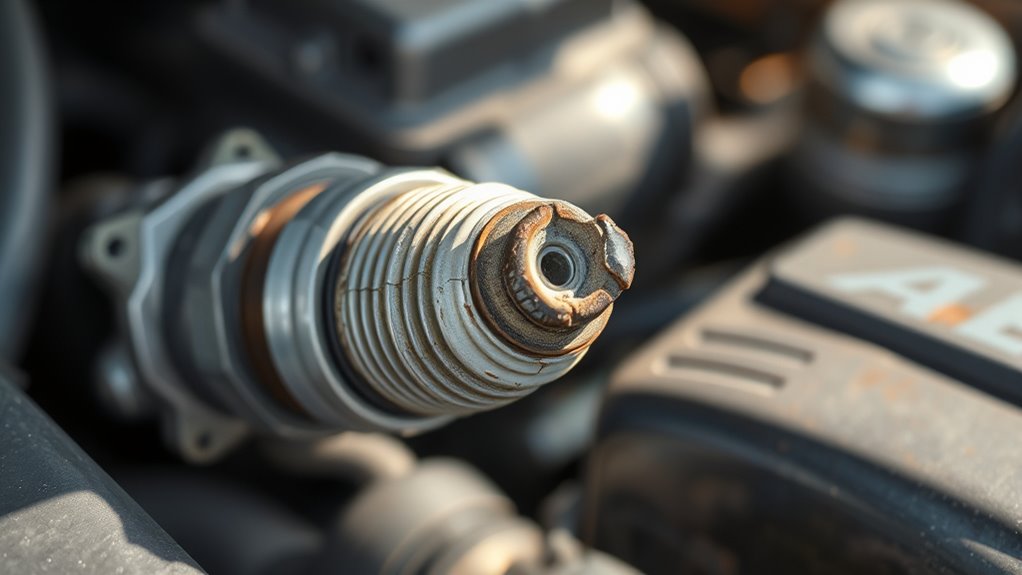
Signs include misfires, rough idling, excess engine temperature, and white or blistered spark plug tips, which indicate overheating.
Replacing worn or damaged plugs, checking gaps, and ensuring proper ignition timing can prevent overheating.
If you’re curious about more signs and solutions to keep your engine cool, keep going for essential tips.
Key Takeaways
- Worn or faulty spark plugs can disrupt proper combustion, which puts more stress on your engine and may lead to overheating.
- Signs to watch for include engine misfires, rough idling, higher engine temperatures, and spark plug tips that look white or blistered.
- When spark plugs are bad, they can mess up the ignition timing and cause incomplete combustion, raising the engine’s heat levels.
- You can spot and fix spark plug issues causing overheating by doing a visual inspection and making sure the gaps are properly set.
- Regular maintenance, using high-quality plugs, and replacing them promptly can help prevent overheating caused by spark plug trouble.
How Do Spark Plugs Cause Engine Overheating?
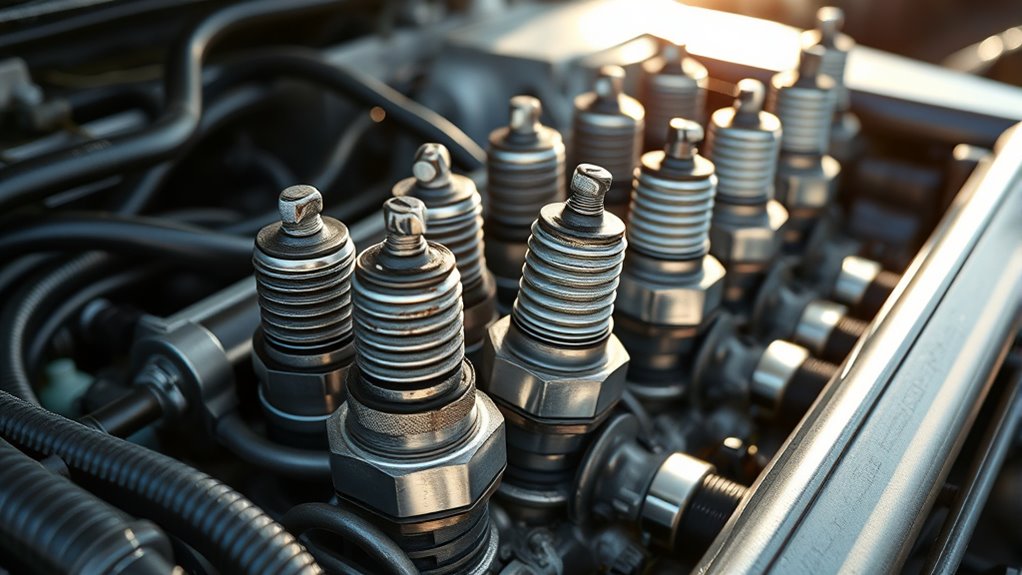
Spark plugs play a crucial role in igniting the fuel-air mixture in your engine’s cylinders, but if they’re damaged or worn out, they can cause the engine to overheat. When spark plugs fail, the combustion process becomes inefficient, leading to misfires or incomplete explosions.
Worn spark plugs can cause engine overheating by disrupting efficient combustion and increasing stress on the cooling system.
This disrupts the engine’s overall operation, putting extra strain on your fuel injection system to compensate for poor combustion. As a result, the engine runs hotter, increasing the risk of overheating.
Furthermore, faulty spark plugs can cause irregular engine temperatures, forcing your coolant system to work harder to regulate engine heat. If the spark plugs aren’t firing correctly, combustion chambers won’t reach ideal temperatures, affecting the cooling process.
Over time, this imbalance stresses the coolant system, making it less effective at removing excess heat. Properly functioning spark plugs ensure stable combustion, reducing strain on the coolant system and helping prevent engine overheating caused by ignition issues.
How to Recognize Signs of Spark Plug Problems and Engine Overheating
Recognizing signs of spark plug problems and engine overheating can help you avoid bigger issues and costly repairs. One common sign is engine misfires or rough idling, which often happen when spark plugs are worn or damaged, especially materials like platinum or iridium.
You might also notice decreased fuel economy and sluggish acceleration. Check the spark plugs’ color; a white or blistered tip can indicate overheating caused by bad ignition timing. Engine knocking or pinging can also point to timing issues that stress spark plugs and lead to overheating.
Pay attention to the smell of burnt fuel or oil, as heat buildup from faulty spark plugs can cause leaks. If your temperature gauge runs higher than normal, overheating is likely near. Spotting these signs early lets you inspect your spark plugs, verify that your ignition timing is correct, and avoid serious engine damage.
Why Worn Spark Plugs Lead to Poor Combustion and Excess Heat
When spark plugs get worn out, they don’t spark as effectively anymore, so they struggle to ignite the fuel-air mixture properly. This means your engine isn’t firing on all cylinders like it should, and it has to work a lot harder to keep up.
Because it’s working harder and the sparks aren’t strong enough, it ends up producing more heat than usual. That extra heat can cause the engine’s temperature to climb higher than normal, increasing the chances of overheating.
Reduced Ignition Efficiency
Worn spark plugs can really decrease ignition efficiency, making it harder for the engine to burn fuel completely. When plugs are worn out, the ignition timing gets thrown off, which can cause misfires or delayed sparks.
This inefficiency means fuel doesn’t burn properly, leading to less power and more heat. Worn plugs often have gaps that are too wide or too narrow, which makes it difficult for the spark to jump and ignite the fuel-air mix properly.
Poor ignition timing and incorrect gaps mean the engine can’t run smoothly. It has to work harder and ends up generating more heat. Over time, this reduced efficiency can cause overheating and strain on engine parts.
That’s why keeping your spark plugs in good shape and replacing them on time is so important. It helps your engine run better, cooler, and more reliably.
Increased Engine Temperatures
Worn spark plugs mess up the combustion process, making it less efficient and uneven. When that happens, the engine has to work harder to produce power, which leads to higher engine temperatures.
Poor combustion means some fuel doesn’t burn fully, causing unburned fuel to build up and produce extra heat. This inefficiency also shortens spark plug life, so you’ll need to replace them sooner.
On top of that, bad spark plug performance lowers fuel efficiency, making your engine burn more fuel to make up for it. As a result, your engine runs hotter than normal and can eventually overheat.
Keeping your spark plugs in good shape helps ensure proper combustion, maintains healthy engine temperatures, and extends the life of your spark plugs. It also improves fuel efficiency and keeps your engine running smoothly.
Diagnosing Spark Plug Issues That Cause Your Engine to Overheat
Ever wonder if spark plug issues could be the culprit behind your engine overheating? If so, start by inspecting your spark plugs for signs of wear or damage.
Spark plug materials like platinum or iridium can affect heat resistance and durability, which influences how well your engine manages temperature. Look for signs of fouling, such as black carbon deposits, or if the plugs are glazing, indicating overheating.
Spark plug material impacts heat resistance and durability, affecting your engine’s temperature regulation.
Furthermore, check your ignition timing. If it’s off, the spark might fire too early or too late, causing poor combustion and excessive heat buildup. Use a timing light to verify proper ignition timing according to your vehicle’s specifications.
Removing and inspecting the spark plugs can provide clues. Cracked insulators, signs of overheating, or worn electrodes all point to potential causes of engine overheating.
Regularly diagnosing these aspects helps catch problems early before they lead to severe overheating or engine damage.
Symptoms That Bad Spark Plugs Are Overheating Your Engine
When spark plugs start to fail, they can cause your engine to overheat. Recognizing the signs early can save you from costly repairs.
One clear sign is engine misfires or rough idling, often caused by worn or incompatible spark plug materials. You might also notice a loss of power or poor fuel economy, which points to inefficient combustion from faulty spark plugs.
Overheating can happen if the ignition timing is off, making the spark plugs fire at the wrong moment and stressing the engine. If your engine is running hotter than usual or you see signs like steam or coolant loss, bad spark plugs could be to blame.
Another clue is hearing engine knocking sounds, which can happen from irregular ignition. Keep an eye on these symptoms, especially if your spark plugs haven’t been replaced in a while, to prevent further engine damage.
How to Replace Spark Plugs to Prevent Engine Overheating
Replacing your spark plugs regularly can prevent overheating issues by ensuring proper combustion and efficient engine operation. Start by choosing the right spark plug materials—iridium or platinum plugs last longer and resist heat better.
Before removing the old plugs, disconnect the negative battery cable for safety. Use a spark plug socket and a ratchet to carefully remove each spark plug. Check the gap and adjust if needed with a spark plug gap tool.
When installing new plugs, make sure the electrodes are clean and the gap matches the manufacturer’s specifications. Proper ignition timing is essential; set it correctly according to your vehicle’s manual. This helps prevent misfires that can cause excess heat.
Tighten the plugs snugly but avoid over-tightening, which can damage the threads. Regular replacements and proper installation help maintain engine temperature. This reduces the risk of overheating and keeps your engine running smoothly.
Tips for Maintaining Spark Plugs to Keep Your Engine Cool
Maintaining your spark plugs properly is vital for keeping your engine cool and preventing overheating. To get the best performance, focus on these tips.
Proper spark plug maintenance helps keep your engine cool and prevent overheating effectively.
Choose the right spark plug materials: High-quality materials like iridium or platinum can handle higher temperatures and resist wear better, helping your engine stay cooler.
Regularly check and adjust ignition timing: Correct ignition timing prevents misfires and excess heat buildup. Always use your vehicle’s specifications to keep the timing just right.
Keep spark plugs clean and gapped correctly: Clean plugs help dissipate heat more effectively, and having the right gap ensures efficient combustion, which reduces unnecessary heat.
Regularly maintaining these aspects helps keep your engine running cooler and more efficiently. When your spark plug materials match your engine’s needs and the timing is right, you’ll avoid overheating and keep everything running smoothly. Proper maintenance is key to your engine’s long-term health and peak performance.
When Should You See a Mechanic for Spark Plug and Overheating Problems?
If your engine keeps overheating even after you’ve tried everything, it’s probably time to take it to a mechanic. Don’t ignore that! It’s also a good idea to have your spark plugs checked if you notice your car misfiring, using more fuel than usual, or just feeling rough idling. Catching these issues early can save you from more costly repairs down the line and help keep your engine running smoothly.
Persistent Engine Overheating
Check these key signs:
- Unusual engine temperature increases even after cooling down.
- Misfiring or rough engine performance caused by spark plug issues affecting ignition timing.
- Reduced fuel efficiency and power, often indicating spark plug or ignition problems.
These symptoms often relate to spark plug condition or ignition timing errors—both are essential for proper engine cooling and performance.
Addressing these promptly helps prevent more severe damage and keeps your engine cool under stress.
Spark Plug Symptoms
When your vehicle shows signs of spark plug trouble, it’s a good idea to see a mechanic promptly, especially if it’s overheating. Keep an eye out for symptoms like poor acceleration, rough idling, and misfires.
The design of your spark plug can reveal issues—worn or damaged electrodes might cause inefficient combustion and contribute to overheating. Checking the spark plug color gives more clues: a white or ash-white insulator indicates burning too hot or a lean fuel mixture.
On the other hand, a black, oily, or fouled spark plug suggests oil contamination or a rich fuel mixture. These signs point to underlying problems that can affect your engine’s temperature. Seeing a mechanic quickly can help diagnose if spark plug issues are causing overheating and prevent further engine damage.
Preventative Measures to Avoid Spark Plug-Related Engine Overheating
To prevent spark plug-related engine overheating, it’s important to keep your spark plugs in good shape. Using high-quality materials like iridium or platinum can help resist heat and wear, which means they last longer and perform reliably.
Regularly checking your spark plugs for damage or fouling is a smart move. Catching issues early can prevent bigger problems down the line. Also, make sure your ignition timing is set correctly because improper timing can lead to misfires and excessive heat.
Here are three key preventative measures:
- Choose spark plugs made from durable materials like iridium or platinum.
- Regularly check and adjust ignition timing to ensure proper combustion.
- Replace spark plugs at the intervals recommended by your vehicle’s manufacturer to keep the engine running smoothly.
Conclusion: Keeping Your Spark Plugs and Engine in Top Shape
To keep your engine running smoothly, it’s a good idea to do regular maintenance checks and change your spark plugs when they start to wear out. Using high-quality spark plugs can really make a difference—it helps prevent misfires and overheating issues, so your engine stays in top shape.
And don’t ignore any signs of trouble, like rough idling or decreased performance. Addressing problems early on can save you from more serious repairs down the road. Keep up with these simple steps, and your vehicle will keep performing at its best!
Regular Maintenance Checks
- Visual Inspection: Check spark plugs to make sure they’re not cracked, fouled, or damaged for the best spark plug design.
- Gap Measurement: Keep the spark plug gap consistent to help your engine run efficiently and save fuel.
- Timely Replacement: Swap out spark plugs as recommended to avoid misfires, boost fuel economy, and prevent engine overheating.
Following a regular maintenance schedule keeps your engine running smoothly, improves fuel efficiency, and helps you avoid costly repairs.
Use Quality Spark Plugs
Choosing high-quality spark plugs guarantees your engine performs smoothly and reliably. The right spark plug materials like copper, platinum, or iridium ensure durability and efficient combustion.
Premium spark plugs also work better with your ignition coil, providing maximum spark delivery and preventing misfires. When selecting spark plugs, make sure they’re compatible with your vehicle’s specifications to avoid potential damage and maintain peak performance.
Using quality plugs reduces the risk of poor combustion, which can contribute to overheating issues. It’s a small investment that pays off in longevity and efficiency.
Regularly replacing worn or low-quality spark plugs with high-grade options keeps your engine running smoothly, improves fuel economy, and extends engine life. Prioritize quality for dependable performance and peace of mind.
Address Engine Overheating Early
Addressing engine overheating early can save you time, money, and serious repairs down the line. Prioritize regular maintenance to improve engine oil management and cooling system efficiency. Doing this helps prevent issues like overheating from getting worse. Here are three essential steps:
- Monitor coolant levels and top off as needed to prevent overheating caused by low coolant.
- Schedule regular radiator and cooling system inspections to ensure everything is working at its best.
- Check engine oil regularly; good oil management reduces friction and heat buildup.
Taking these proactive steps keeps your spark plugs clean and functioning properly, which reduces the risk of overheating. Address problems as soon as they come up to help your engine last longer and keep your vehicle running smoothly.
Frequently Asked Questions
Can Bad Spark Plugs Cause Engine Knocking or Misfires?
Yes, bad spark plugs can cause engine knocking or misfires. When spark plugs reach the end of their lifespan or become fouled, they fail to ignite the fuel-air mixture properly, which reduces ignition system efficiency.
This can lead to irregular combustion, resulting in knocking sounds and misfires. Regularly inspecting and replacing your spark plugs helps maintain optimal ignition performance and prevents engine issues caused by worn-out spark plugs.
How Often Should I Replace My Spark Plugs to Prevent Overheating?
You should replace your spark plugs every 30,000 to 50,000 miles, depending on your vehicle’s spark plug design and manufacturer recommendations.
Regular replacements help prevent issues like overheating, misfires, and engine damage. Following your owner’s manual for specific intervals is a good idea.
Additionally, consider inspecting your spark plugs during routine maintenance. Staying on schedule ensures your engine runs smoothly and reduces the risk of overheating caused by worn or faulty plugs.
Are Platinum or Iridium Spark Plugs Less Likely to Cause Engine Overheating?
Platinum and iridium spark plugs are less likely to cause engine overheating because their materials handle heat dissipation more efficiently. These spark plug materials stay cooler and resist wear better than standard plugs.
This improved heat dissipation reduces the risk of overheating, helping your engine run smoothly. Choosing platinum or iridium spark plugs can lead to longer-lasting performance and help prevent issues related to excessive engine heat.
Can Fuel Quality Impact Spark Plug Performance and Engine Temperature?
Yes, poor fuel quality can affect spark plug performance and engine temperature. Low-quality fuels might contain contaminants or have the wrong octane level, leading to misfires or incomplete combustion.
Using fuels with additives or choosing premium ignition fuels helps ensure cleaner burning, smoother operation, and better spark plug performance. This can also lower the risk of overheating by keeping combustion steady and reducing engine stress caused by inefficient fuel.
Do Cold Weather Conditions Affect Spark Plug Wear and Engine Overheating Risks?
Cold weather can impact spark plug efficiency, making them more prone to wear. This might increase your engine’s risk of overheating.
When temperatures drop, you might notice misfires or rough idling, which can indicate spark plug issues. If your spark plugs aren’t working well, your engine has to work harder, raising overheating risks.
Regularly inspecting and replacing spark plugs ensures your engine performs at its best. It also helps prevent overheating caused by cold weather conditions.
Conclusion
Think of your engine as a finely tuned orchestra, with each part playing its role perfectly. Bad spark plugs are like off-key instruments that cause the whole symphony to falter.
This can lead to overheating and even damage if not addressed. Regular maintenance keeps your engine running smoothly and helps prevent costly repairs.
Be on the lookout for signs of trouble, and don’t delay visiting a mechanic. When you keep your spark plugs in top shape, your engine will perform like a well-rehearsed masterpiece—running cool, strong, and reliable. Proper spark plug maintenance is key to avoiding overheating and ensuring your engine’s health.