Engine Overheating and Smoking: Understanding The Causes & Fixes
Many drivers have faced the stress of their engine overheating and emitting smoke, and if you’re one of them, you’re not alone. It’s a frustrating problem that can feel overwhelming, but understanding the causes can help you fix it faster.
If your engine is overheating and emitting smoke, you need to act quickly to prevent damage. Common causes include low coolant, faulty thermostats, or blocked radiators, which can lead to overheating and smoke from the exhaust.
You should safely pull over, turn off the engine, and check coolant and oil levels.
Regular maintenance and understanding how components like radiators and fans work can help prevent future issues.
Keep exploring to learn how to troubleshoot and fix these problems effectively.
Key Takeaways
- Recognize signs of overheating, smoke, and unusual engine noises to catch issues early.
- Common causes include low oil, poor airflow, and mechanical failures like faulty thermostats.
- If your engine starts to overheat, safely pull over, turn off the engine, and check coolant and oil levels.
- Prevent overheating by maintaining your radiator, regularly checking coolant levels, and ensuring proper airflow around the engine.
- If symptoms keep happening, it’s best to see a professional to address leaks, damaged parts, or other mechanical problems.
Recognize the Signs of Engine Overheating and Smoke
When your engine starts to overheat, you’ll notice immediate signs that something’s wrong. One key indicator is unusual engine noise, like knocking or squealing, which signals mechanical stress. You might also see increased emissions, often with a strange smell or smoke from the exhaust.
Unusual engine noise and smoke from the exhaust signal your engine is overheating.
As the engine temperature rises, you could spot steam or smoke escaping from the hood — a clear warning sign. Pay attention to a sudden drop in performance or sputtering sounds, which often happen with overheating. These clues are your first warning.
Dashboard lights or monitors might also alert you to high coolant temperature or engine trouble. These signs don’t just warn you about possible damage—they demand quick action to prevent engine failure.
Recognizing these early symptoms helps you respond fast, reducing costly repairs and keeping your vehicle running smoothly.
How to Check Coolant and Oil Levels Correctly
To keep your engine running smoothly and prevent overheating, it’s important to check both the coolant and oil levels regularly. This helps ensure your cooling system works properly and avoids unnecessary oil consumption.
Start by parking on a flat surface and turning off the engine. Wait for it to cool down before opening the hood. Locate the coolant reservoir and oil dipstick—usually marked clearly.
For coolant, check that the level is between the minimum and maximum marks. Add the correct type of coolant if needed. For oil, wipe the dipstick clean, reinsert it fully, then pull it out again to check the level. Make sure it’s within the safe zone.
Regularly checking these levels can help you catch leaks or low levels early. Use the table below to help you follow each step easily:
| Step | Action |
|---|---|
| 1 | Turn off and cool the engine |
| 2 | Check coolant level in reservoir |
| 3 | Wipe and reinsert the oil dipstick |
| 4 | Confirm oil level is within safe range |
| 5 | Add coolant or oil if levels are low |
Main Causes of Engine Overheating and Smoke
Engine overheating and smoke often come from specific mechanical issues or system failures. One main cause is poor engine design, which can lead to uneven heat distribution and hotspots, making the engine more prone to overheating.
If the engine isn’t designed with efficient cooling in mind, parts might not dissipate heat properly, causing temperature spikes. Some engine designs focus on fuel efficiency but might compromise cooling or produce more heat, leading to overheating and smoke.
Poor engine design or focus on fuel efficiency can impair cooling, causing heat buildup, overheating, and smoke.
For example, engines optimized for fuel efficiency often run under higher compression ratios, which generate extra heat. Insufficient airflow or blockages in cooling systems can make these problems worse.
Taking care of these root causes can help prevent overheating and smoke, which can seriously damage your engine over time. Understanding how engine design and fuel efficiency affect heat management helps you spot early signs of trouble and avoid costly repairs.
Common Mechanical Problems Causing Overheating and Smoke
Mechanical problems are often the main cause of overheating and smoke issues.
If your engine oil is low or degraded, it can’t lubricate moving parts properly. This leads to more heat and sometimes smoke from the engine. Regular oil checks and changes are key to avoiding friction that causes overheating.
Another common problem is ignition timing. When it’s off, the combustion isn’t efficient. The engine has to work harder, producing extra heat and sometimes smoke from unburned fuel in the exhaust.
Both of these issues affect engine temperature and can cause serious damage if you don’t fix them quickly. Keeping your engine oil at the right level and ensuring proper ignition timing help the engine run smoothly.
Regular maintenance and inspections of these mechanical parts are essential. They reduce the risk of major problems and help prevent overheating and smoke.
How to Fix Overheating Problems : Simple Steps to Try
When your car starts overheating, there are simple steps you can take to troubleshoot and fix the issue before it gets worse. First, pull over safely and turn off the engine to prevent any damage.
Check the coolant level—if it’s low, top it off with the correct type of coolant and look for leaks. While the engine cools, listen for any unusual engine noises, which could point to problems with the water pump or radiator fan.
Check coolant levels and listen for abnormal noises to identify water pump or radiator fan issues.
Inspect the radiator for dirt or blockages that may block airflow. Cleaning debris around the grille can help improve cooling and even boost your fuel efficiency by letting the engine run smoothly.
Also, make sure the thermostat isn’t stuck closed. If it is, replacing it can often solve overheating issues.
These straightforward steps can often fix minor problems, helping prevent further damage and keeping your engine running efficiently.
When to See a Mechanic for Engine Overheating or Smoke
While simple troubleshooting can fix minor overheating issues, you should see a mechanic immediately if your car starts smoking or if the overheating continues despite your attempts.
Unusual engine noises like knocking or loud rattling often point to internal damage or overheating problems that need professional diagnosis.
If you notice increased oil consumption along with smoke or ongoing overheating, it signals a problem with your engine’s seals or internal parts.
Driving with these issues can cause serious engine damage or even engine failure, so don’t ignore warning signs like a burning smell, steam from the hood, or high overheating gauges.
If any of these happen, stop driving safely and have your vehicle checked out right away.
Quick professional help can prevent costly repairs and keep your engine healthy.
Always take overheating and smoke seriously to keep your car running smoothly.
Preventive Maintenance Tips to Keep Your Engine Cool
Want to avoid engine overheating? It’s a good idea to regularly check your coolant levels and top them off when needed. Keeping an eye on your coolant helps ensure your engine stays properly cooled.
Also, make sure your radiator is clean and free of any debris. A dirty or blocked radiator can cause your engine to overheat, so giving it a good clean can go a long way. And don’t forget to keep an eye on your temperature gauge—it’s the best way to catch any potential problems early before they become serious.
Regular Coolant Checks
Regularly checking your coolant level is a simple but important step to prevent your engine from overheating. Low coolant can cause overheating, smoking, and costly repairs.
Make sure your coolant mixture is balanced—usually a 50/50 mix of coolant and water—for optimal performance. Using a quality coolant additive can also help protect against corrosion and keep the temperature just right.
Keep an eye on the coolant reservoir, especially before long trips or hot days. If the level is low, top it up with the right mixture to stay safe.
Remember, a well-maintained coolant system helps your engine run smoothly and prevents overheating issues.
| Coolant Level | Feelings When Dropping |
|---|---|
| Full | Peace of mind |
| Low | Anxiety about overheating |
| Empty | Urgency to refill |
| Topping Off | Satisfaction of prevention |
| Overfilled | Concerns about leaks |
Radiator Maintenance Tips
Maintaining your radiator is a key step in preventing engine overheating. Regular checks help catch radiator leaks early, avoiding coolant loss and engine damage.
Keep an eye on the coolant pH, as imbalances can cause corrosion and radiator deterioration. To keep things running smoothly, regularly inspect hoses and clamps for leaks or cracks.
Flush the radiator every 1-2 years to remove sludge and debris for better cooling efficiency. Use the correct coolant type and mix to prevent corrosive buildup.
Make sure the radiator cap is secure and seals properly. Adjusting coolant pH when needed helps keep a balanced, protective environment inside the system.
Monitor Temperature Gauges
Monitoring your engine’s temperature gauge is important because it shows you how well your cooling system is working in real-time. By keeping an eye on it, you can catch overheating early before it causes serious damage.
Make it a habit to check the temperature gauge during your drives, especially on hot days or when towing heavy loads. This helps you spot abnormal spikes or consistently high readings that could signal trouble.
If the needle gets close to the red zone, stop safely and investigate right away. Regularly checking your gauge lets you take steps like letting the engine cool or inspecting coolant levels, helping your engine stay within a healthy temperature range and avoiding costly repairs.
How Radiators, Thermostats, and Fans Keep Your Engine Cool
Have you ever wondered how your car keeps its engine from overheating during a long drive? It all comes down to the radiator, thermostat, and fans working together seamlessly. The radiator cools the engine coolant, which absorbs heat from the engine.
The thermostat controls when the coolant circulates, based on the engine’s temperature. It opens and closes at specific points to keep everything running smoothly. Fans kick in to boost cooling when needed, especially during slow traffic or hot days.
Understanding these components helps you keep your engine running smoothly. The radiator dissipates heat through airflow, and engine coolant carries heat away from the engine.
The thermostat regulates coolant flow based on temperature, and cooling fans activate to assist airflow. Proper maintenance ensures all parts operate efficiently.
What to Do Immediately if Your Engine Overheats on the Road
If you notice your engine overheating while you’re driving, the first thing you want to do is pull over to a safe spot as quickly as you can. Don’t keep going, because that can cause serious damage. Once you’re parked safely, turn off the engine right away to help stop it from overheating even more.
Next, pop the hood and take a quick look at the coolant level. Sometimes, the coolant might be low, which can cause the engine to overheat. If the level seems low, and it’s safe to do so, you can add some coolant or water to the reservoir. Just remember, don’t open the radiator cap if the engine is still hot—it can spray hot coolant and cause injuries. If you’re unsure or uncomfortable doing this, it’s best to wait until the engine cools down and then call for roadside assistance.
Safely Pull Over Quickly
When your engine starts to overheat and smoke begins to billow, it’s important to prioritize safety by pulling over quickly and smoothly. Use your mirrors and signals to find a safe spot, like an emergency exit or a wide shoulder.
Remember to signal early so other drivers are aware of your intentions. Gradually slow down to keep control and choose a flat, level surface for safety. Avoid stopping if traffic is heavy on the shoulder.
Turn on your hazard lights immediately to alert others. Once stopped, turn off the engine quickly but carefully. Staying calm and acting swiftly helps prevent further damage.
Keeping control and safety in mind is key. Safely pulling over isn’t just about stopping — it’s about protecting yourself and everyone around you.
Turn Off Engine Immediately
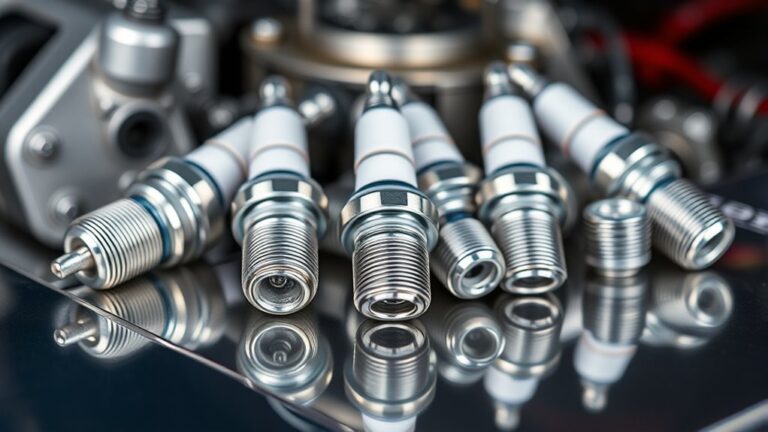
Once you’ve safely pulled over and turned on your hazard lights, the next step is to turn off the engine immediately. Continuing to run it can cause serious damage, especially to things like the engine oil and spark plugs.
Hot steam or smoke usually means the engine is overheating. This can lead to blown gaskets or warped parts, so act quickly. Turn off the ignition and carefully open the hood—be cautious of hot steam.
Let the engine cool down before inspecting it further. Check the engine oil; if it looks burnt or is low, it can make overheating worse. When inspecting the spark plugs, look for signs of wear or damage.
Taking quick action can prevent costly repairs or the need for a tow. Remember, your safety always comes first.
Check Coolant Levels
Noticing a drop in coolant levels or seeing the temperature gauge climb is a clear sign your engine might be overheating. If this happens, check the coolant reservoir and radiator (when cooled) to see if levels are low. Low coolant can be caused by coolant contamination or radiator leaks, both leading to overheating.
Here’s what to do:
- Make sure the engine is cool before opening the radiator or coolant reservoir.
- Check for visible leaks or puddles under your car.
- Top off the coolant with the correct type if levels are low.
- Look for signs of coolant contamination, like cloudy or discolored fluid.
- Avoid adding water alone if coolant is contaminated; seek professional help for a proper flush.
Regularly checking coolant levels helps prevent overheating caused by radiator issues or contamination.
Replacements and Repairs to Restore Your Engine’s Health
If your engine has been overheating and smoking, it’s important to address the damage quickly to get it back in good shape. First, do a thorough engine tune-up to make sure all parts are working properly.
During the tune-up, replace spark plugs, check the belts, and inspect the cooling system to ensure it’s functioning well. You might need to replace damaged parts like hoses or the radiator to prevent future issues.
Also, focus on oil filtration. Drain the old, dirty oil and install a new filter. This helps with lubrication and reduces stress on engine components.
Sometimes, worn pistons or valves need repairs or replacement to restore proper compression. Fixing things like a faulty water pump or a cracked head gasket is also crucial.
Regular maintenance like tune-ups and oil changes can help prevent overheating and smoking down the line.
Frequently Asked Questions
Can Engine Overheating Cause Permanent Engine Damage?
Yes, engine overheating can cause permanent damage, especially if you ignore it. When the engine gets too hot, coolant contamination can happen, and radiator blockages can stop proper cooling.
These issues put stress on engine parts, which can lead to warped cylinders or damaged pistons. If you don’t address it, overheating can result in expensive repairs or even engine failure.
Regular maintenance, checking coolant levels, and diagnosing radiator problems early can help prevent such lasting damage.
How Long Can I Drive With Engine Smoke Before Risking Damage?
You shouldn’t drive with engine smoke because it risks serious damage. Keep an eye on the coolant temperature and smoke color—white or blue smoke means there might be coolant or oil issues.
If you see smoke, stop your car as soon as possible. Driving even for a short distance with fluctuating coolant temperature or persistent smoke can cause warped cylinders or damaged pistons.
These problems can make repairs really costly. It’s best to have a mechanic take a look and fix the issue immediately to prevent further damage.
What Are the Environmental Effects of Engine Coolant Leaks?
When your engine coolant leaks, it can negatively impact the environment.
Coolant contains chemicals that are toxic and can contaminate soil and water sources if not cleaned up. This contamination can harm aquatic life, plants, animals, and even humans through groundwater.
It’s important to fix leaks quickly to reduce environmental damage and prevent toxic coolant from spilling into the environment, causing soil and water pollution.
Do Aftermarket Parts Affect Engine Overheating Risks?
Yes, aftermarket parts can affect engine overheating risks. If you choose aftermarket modifications, make sure they are compatible with your vehicle’s cooling system.
Poor coolant compatibility or low-quality parts may disrupt proper heat dissipation, causing your engine to overheat. Always verify that aftermarket components meet OEM standards and install them correctly.
Incompatible or improperly fitted parts can lead to increased overheating chances and potential engine damage. So, it’s important to be cautious when making modifications to avoid these issues.
Which Symptoms Distinguish Coolant Leaks From Oil Leaks?
Spotting sneaky leaks starts with coolant identification. It often appears as a bright, slippery, sweet-smelling stream or stain, mainly under the radiator or hoses.
Oil leak signs include hazy, oily patches or sludge, usually around engine seals or valves. Coolant leaks cause engine overheating and steam, while oil leaks lead to smoke and less lubrication.
Stay alert to these symptoms to quickly stop costly damage. Recognizing the difference helps you address the problem faster and avoid bigger repairs.
Conclusion
By staying vigilant and addressing overheating issues promptly, you can prevent costly repairs and extend your engine’s life. Regular maintenance and quick action are key—remember, an ounce of prevention is worth a pound of cure.
Keep an eye on coolant levels, listen for unusual smoke, and don’t ignore warning signs. Being proactive with your car’s health helps ensure smooth rides and peace of mind.
When it comes to engine overheating and smoking, early detection is crucial. Taking care of these issues now can save you money and help your engine last longer.